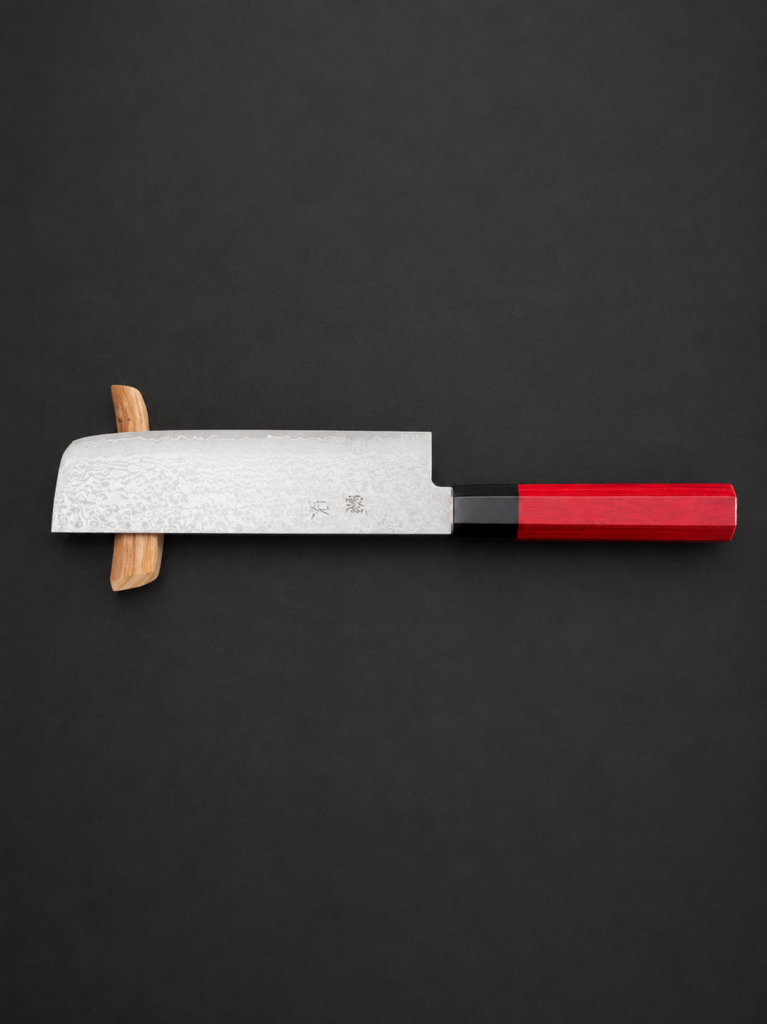
165mm Usuba A8 Hammered Damascus Black & Red Octagonal Handle
If you’ve spent any time researching Japanese knives online, you’ve probably heard the same warnings.
“They rust.”
“They chip easily.”
“They’re only for professional chefs.”
After more than 25 years working as a chef in both Japan and Australia, I’ve learned that while there’s some truth behind these statements, they’re often misunderstood.
The biggest problem isn’t the knives themselves.
It’s the myths surrounding them.
Let’s look at the ones I hear most often.
Myth 1 – They’re Too Difficult to Maintain
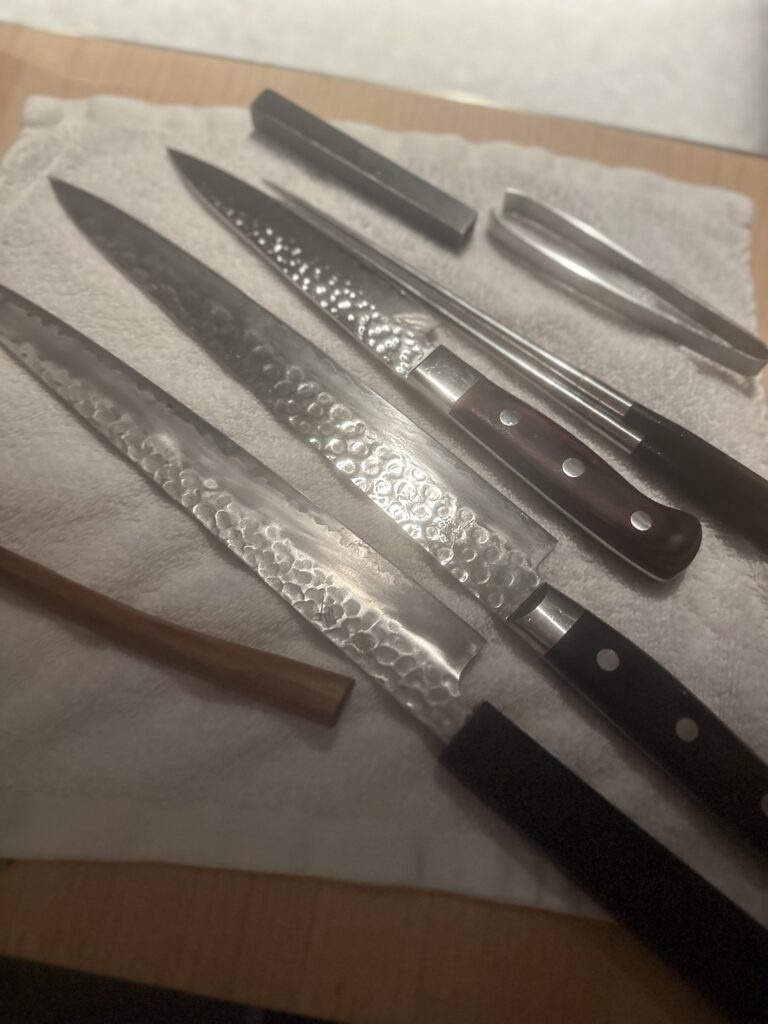
Many people believe owning a Japanese knife means spending hours sharpening and maintaining it.
In reality, good habits matter far more than constant sharpening.
Simply washing, drying, and storing your knife properly after each use will prevent most problems.
I don’t sharpen my knives every day—and neither do most professional chefs.
Japanese knives aren’t difficult to own.
They simply reward good habits.
Myth 2 – They Rust Instantly
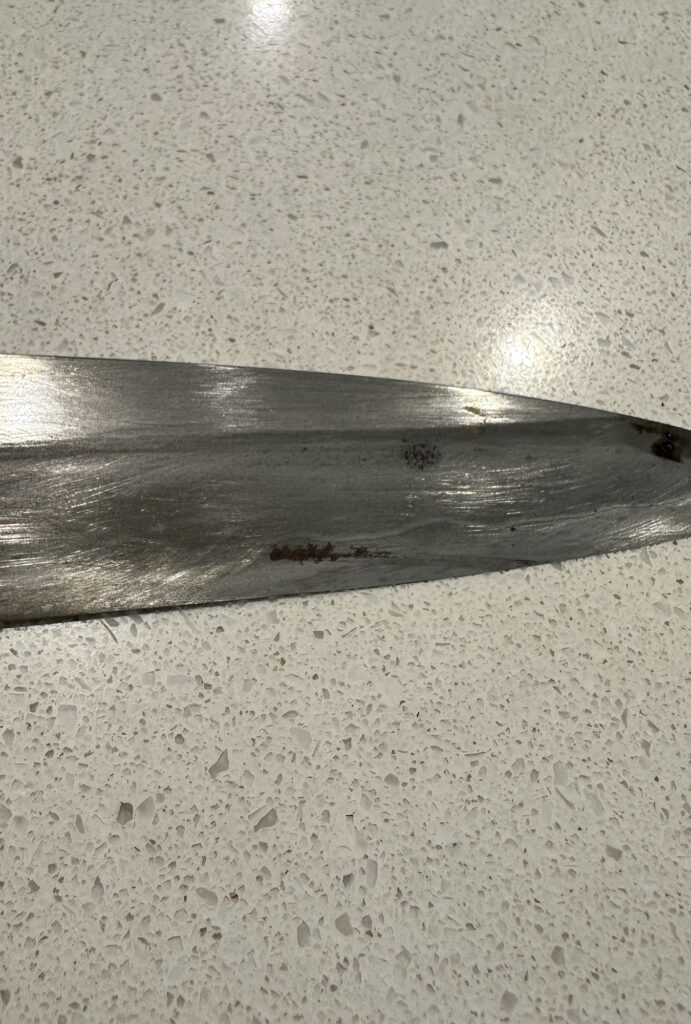
Yes, carbon steel can rust.
But in my experience, rust usually happens because a knife is left wet or dirty for too long.
With basic care, a carbon steel knife can last for decades.
I still regularly use a Yanagiba knife that’s around 40 years old. It has been part of my cooking journey for over 20 years, and it continues to perform beautifully.
Good care—not constant worry—is what makes a knife last.
Myth 3 – They’re Only for Professional Chefs
This is probably the biggest misconception.
Professional chefs certainly appreciate the performance of Japanese knives, but they’re far from the only people who buy them.
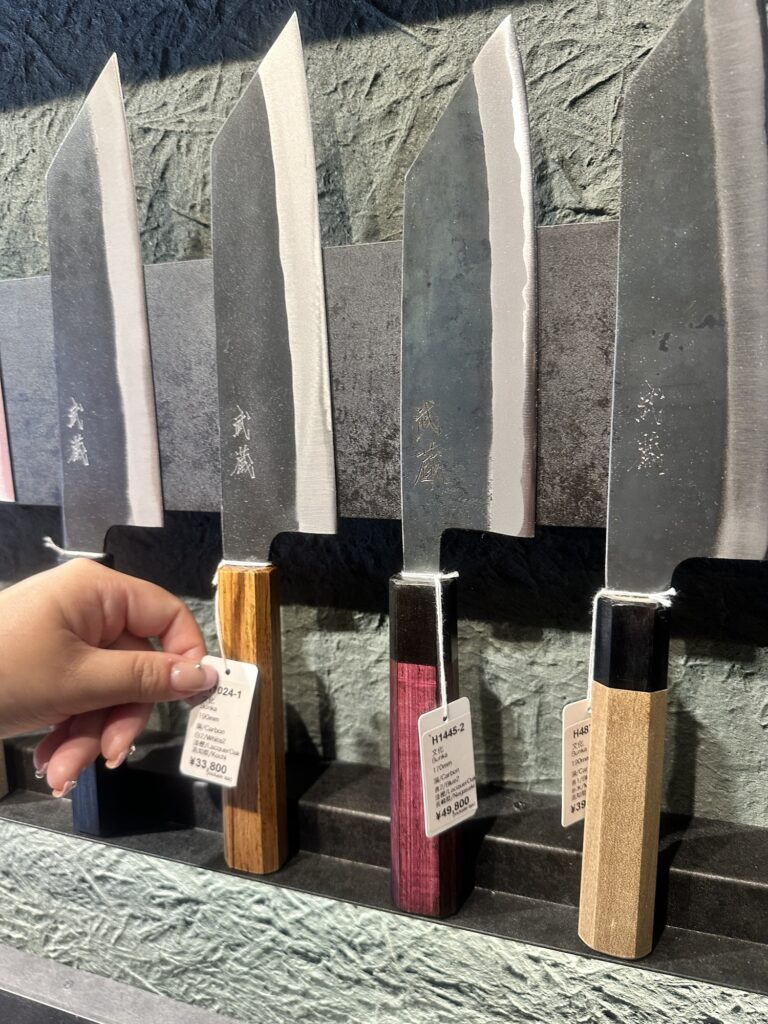
During my visits to Ishizuchi Kanamono Seisakusho, a long-established knife wholesaler based in Ehime Prefecture that works closely with Tosa blacksmiths, I was told something that surprised me.
Most international visitors who purchase Japanese knives from places like Kappabashi in Tokyo aren’t professional chefs at all.
Many are home cooks who simply enjoy preparing food, while others buy them because they admire Japanese craftsmanship and want to own something made by skilled artisans.
I was also told that Santoku and Sujihiki knives are among the most popular choices for international customers.
That makes perfect sense.
A Santoku is an excellent all-purpose knife for everyday cooking, while a Sujihiki is ideal for slicing meat and fish cleanly and precisely.
Their popularity shows that Japanese knives aren’t just professional tools—they’re practical, enjoyable to use, and appreciated by people who simply love cooking.
Myth 4 – They Chip Too Easily
Any hard steel knife can chip if it’s used incorrectly.
Frozen food, bones, twisting the blade, or using glass cutting boards can damage almost any premium knife.
However, one of the reasons I enjoy recommending handcrafted Tosa knives is their practical, durable design.
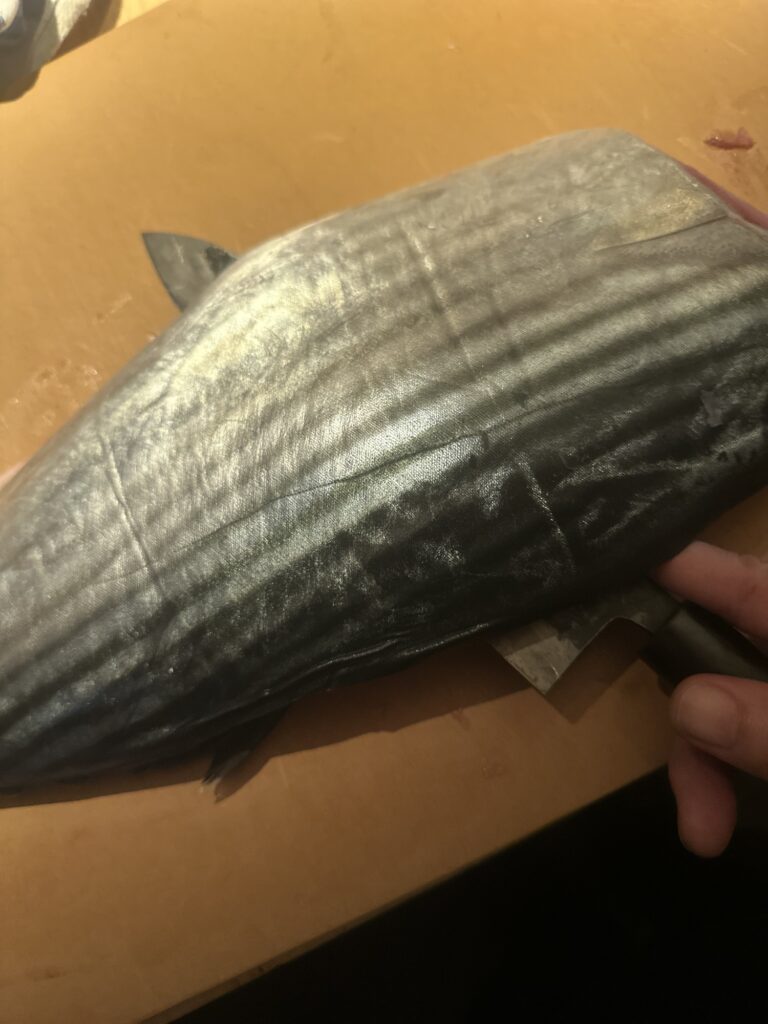
In my own kitchen, I’ve used a Tosa Gyuto to remove the heads of large fish such as salmon and yellowtail without experiencing edge chipping.
That doesn’t mean I recommend using a Gyuto as a substitute for a Deba knife, and no knife is completely immune to damage if misused.
But that real-world experience has given me tremendous confidence in the durability of well-made Tosa knives.
For many home cooks, that extra toughness provides valuable peace of mind without sacrificing the outstanding cutting performance that Japanese knives are known for.
What Really Matters
The best Japanese knife isn’t necessarily the most expensive one.
It’s the one that suits your cooking style, feels comfortable in your hand, and makes you want to cook more often.
After more than 25 years as a chef, that’s the lesson I value most.
A great knife should make cooking more enjoyable—not more intimidating.
Looking for Your First Japanese Knife?
If you’ve always wanted to own a handcrafted Japanese knife but thought they were too delicate or too difficult to maintain, I hope this article has changed your perspective.
At Asaoya Yaichi, we carefully select handcrafted Tosa knives made by skilled Japanese blacksmiths—knives that are built not only for exceptional sharpness, but also for real everyday use.
Whether you’re a professional chef or buying your very first Japanese knife, there’s a knife that can become a trusted part of your kitchen for years to come.
Explore our collection of authentic handcrafted Tosa knives and discover the difference for yourself.
👉 https://www.asaoyayaichi.com.au
From Tosa, Japan, to your kitchen.