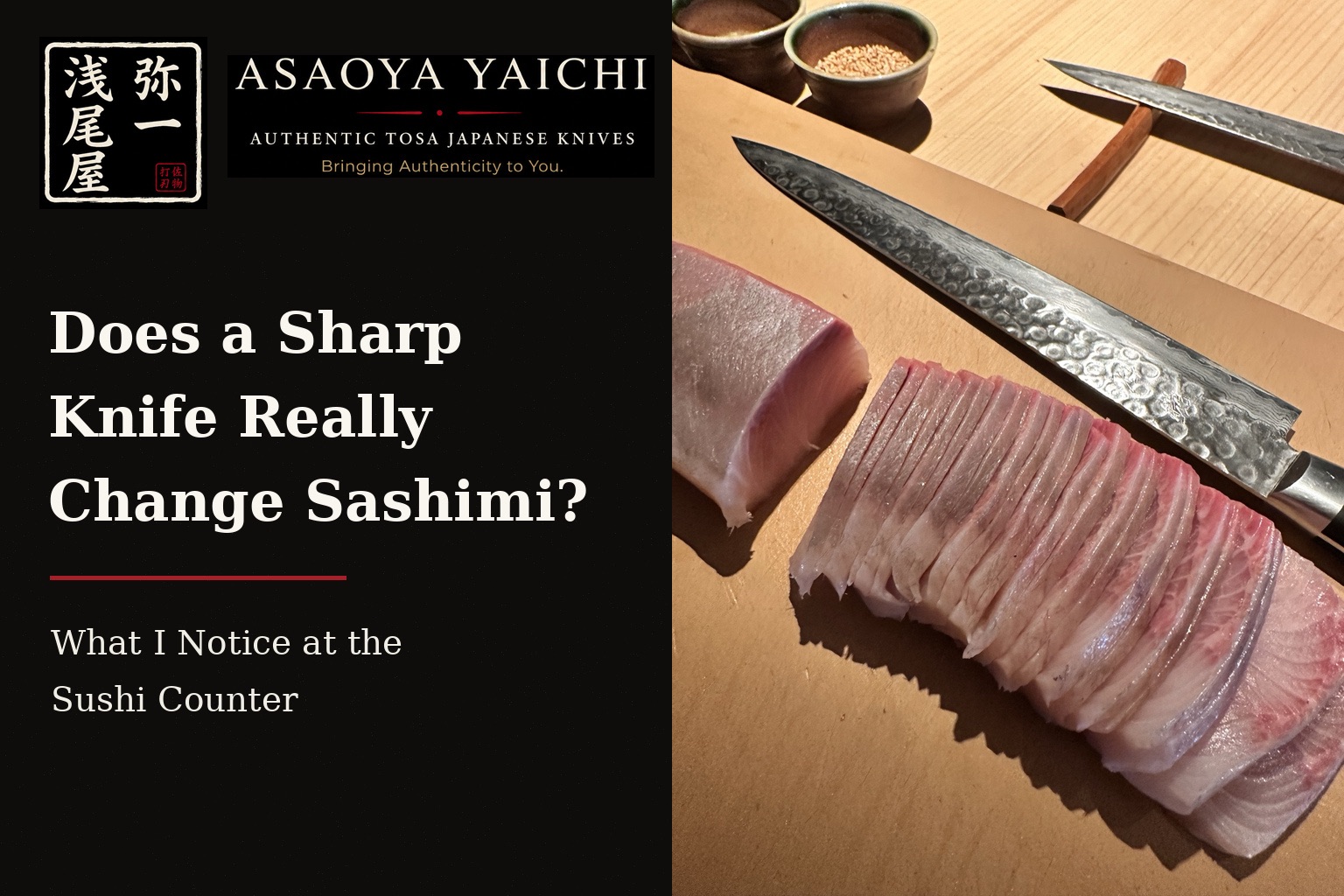
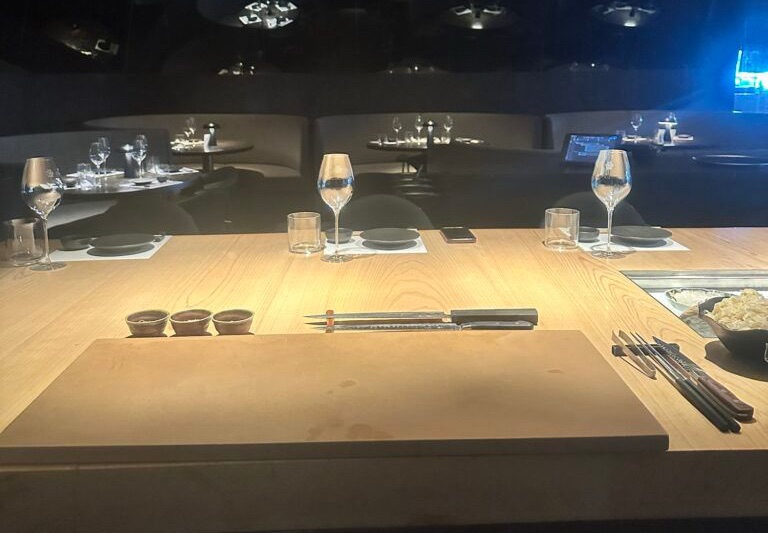
After more than 25 years as a chef, including time at a sushi counter, I have learned that a sharp knife for sashimi changes what I see and feel while cutting fish. A clean slice can shine under the light, with edges that hold their shape. When the knife is dull, I feel resistance before I even look at the result.
If you are exploring Japanese knives in Australia, you can see our selection at Asaoya Yaichi. Choosing a knife is only the beginning, though. Keeping its edge in good condition is what allows you to use it well, especially with delicate fish.
A Sharp Knife for Sashimi Makes the Cut Surface Shine
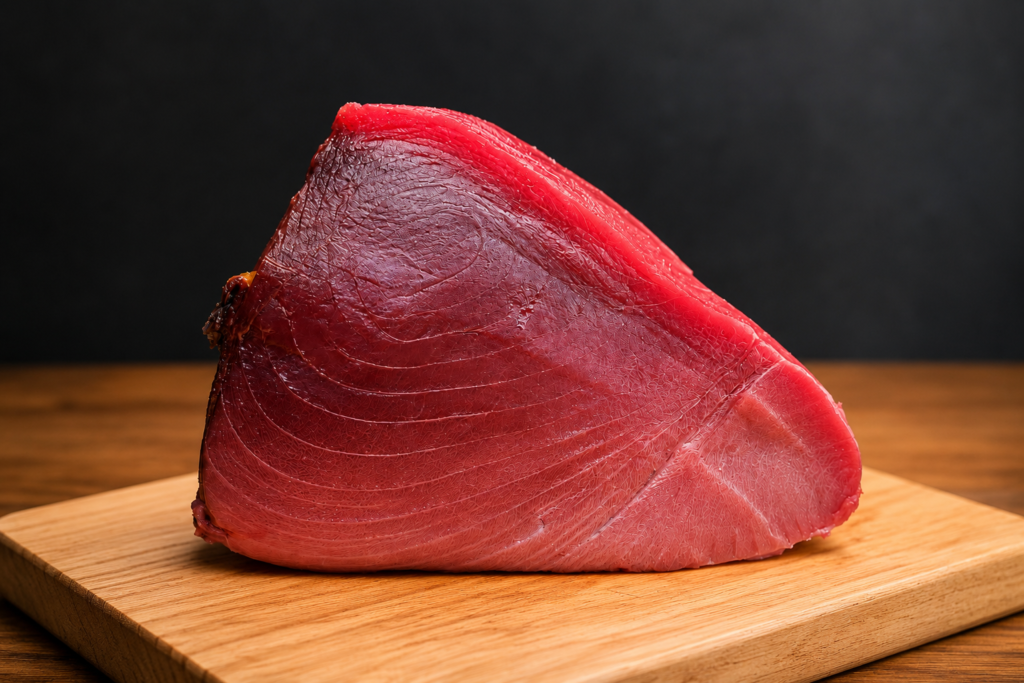
Ishizuchi Kanamono Manufactory
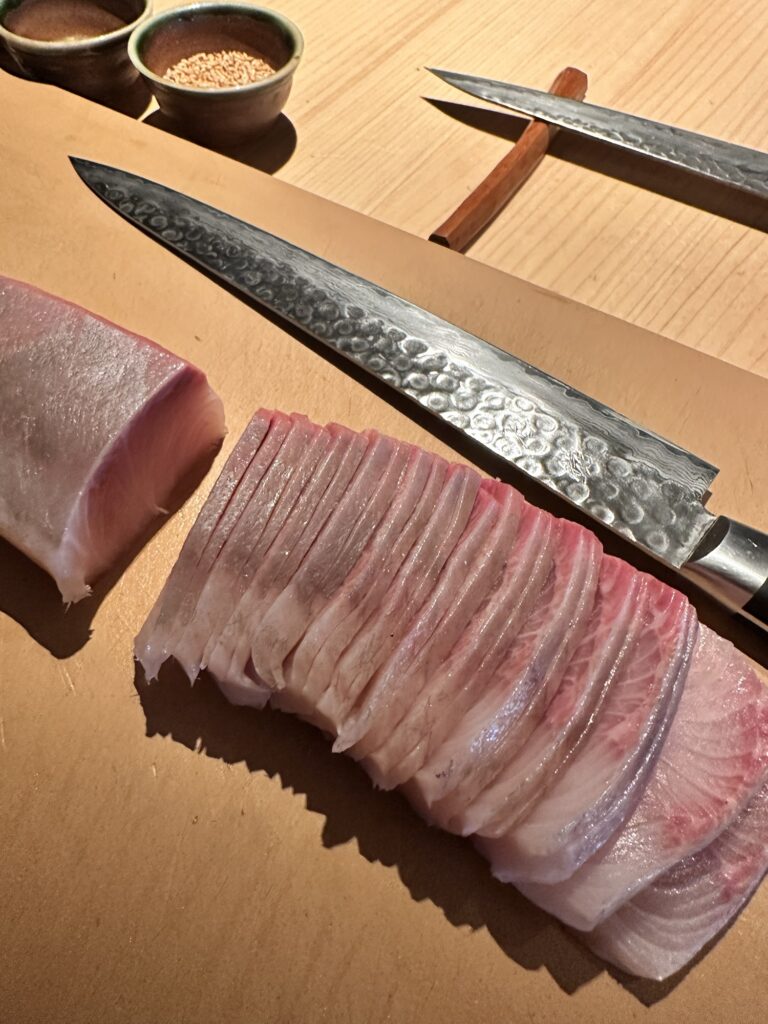
When my knife is properly sharpened, I can draw it through a piece of fish with a controlled movement. The cut surface often looks smooth and bright. I can also see a clean, distinct edge around the slice. Those details matter to me when I arrange sashimi on a plate.
With a dull knife, the feeling in my hand is different. There is a heavy resistance as I try to pull the blade through. I may find myself pressing harder or moving the knife back and forth to finish the cut. Instead of letting the edge do the work, I start forcing my way through the fish.
A knife’s price or steel name cannot tell me how it will perform at that moment. Even a good knife needs an edge that is ready for the work.
→ Read why I do not judge a new Japanese knife only by its first edge.
Ōtoro Shows Me When an Edge Is Not Ready
240mm Sujihiki VG10 Hammered 17 Layer Damascus Mahogany
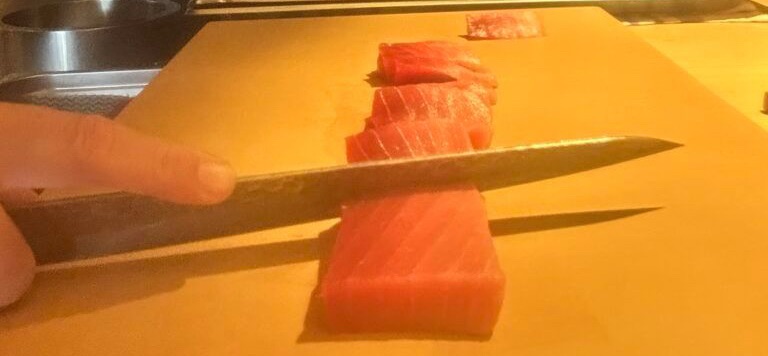
I notice the difference particularly when cutting ōtoro, the fatty part of tuna. Some pieces have strong fibres running through them. If the knife has not been sharpened well, I can feel the edge struggling to pass through those fibres.
Trying to overcome that resistance with force does not give me the slice I want. I want to draw the blade through smoothly while keeping the fish’s shape intact. When the knife is sharp, I have more control over that movement and the finished piece looks cleaner.
This does not mean sharpness is the only thing that matters. The length and shape of the blade, the direction of the fibres and my cutting technique all affect the result. For me, though, a dull edge makes every other part of the job harder.
→ Read why I still use carbon steel for some of my sashimi work.
A Dull Knife Can Split Salmon and Spoil a Thin Cut

210mm Sujihiki Aogami #2 Kurouchi Magnolia Handle
Ōtoro is not the only fish that reveals a problem with the edge. Salmon can be soft and delicate. If I have to push down to get through it, the flesh may split rather than form the clean slice I intended.
White fish presents another challenge. When I make a thin sogi-giri cut with fish such as sea bream, I need to control the angle while the blade moves through the flesh. If the edge catches or drags, the thin slice can lose its shape. What should have been a neat cut can become untidy very quickly.
This is why I pay attention to how the knife feels during a cut, not just whether it can eventually get through the fish. Heavy resistance tells me something is wrong. The surface and edges of the finished sashimi tell me even more.
→ Read how blade thickness can also affect the way a Japanese knife cuts.
Does a Sharp Knife for Sashimi Affect Texture?

180mm Kiritsuke Aogami #2 Kurouchi Walnut Octagonal Handle
I believe a cleanly cut piece of sashimi gives a better impression when I eat it. A smooth surface and well-defined edges feel different from a piece that has been pressed or torn. That is my experience from preparing and eating fish over many years.
I would not say the knife alone determines the taste or texture. The fish, its condition, the thickness of the slice and the way I cut across its fibres also matter. What I do know is that I do not want to crush the fish while trying to slice it.
When a knife starts to feel heavy in the cut, sharpening becomes part of preparing for service. I have learned that raising a burr on the stone is not the end of that process; what matters is the edge I leave on the knife and how it performs when I use it.
→ Read what I learned about burrs while sharpening Japanese knives.
What This Means When Choosing Japanese Knives in Australia
210mm Gyuto VG10 Polished Hammered 67 Layer Damascus Green Handle
If you are choosing among Japanese knives in Australia, I would think beyond the steel name and appearance. Consider what you cook, how the knife feels in your hand and how you will maintain its edge. A knife that suits your work and is regularly sharpened will serve you better than one you leave dull.
Sashimi makes that lesson especially clear to me. I want the blade to move through the fish without a fight. When the cut surface shines and the edges remain clean, I can see the difference that careful sharpening and cutting have made.
→ Explore the Japanese knives I would choose after 25 years as a professional chef.
👉 Explore more:
https://blog.asaoyayaichi.com.au
👉 Visit our online store:
https://asaoyayaichi.com.au
Thank you for reading, and I hope to see you again in the next story.
——————————————————
Visit Chanoyu and See Our Japanese Knives
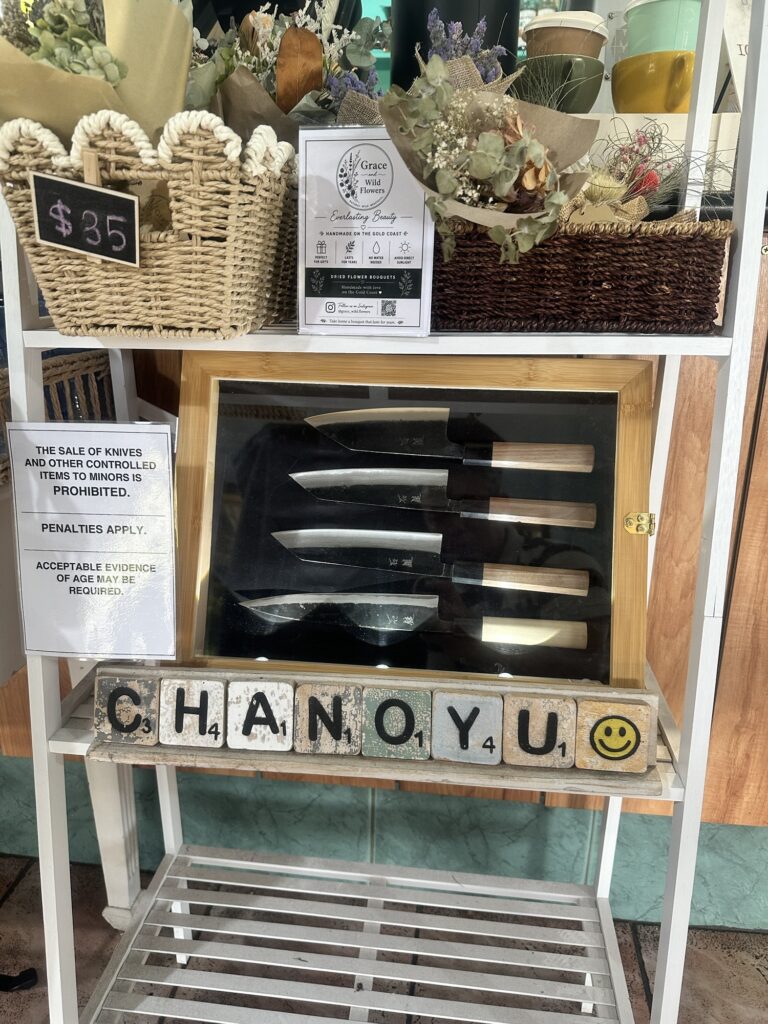
If you are on the Gold Coast, we would love you to visit Chanoyu, a Japanese café in Nerang where you can see and purchase a selection of Asaoya Yaichi knives in person.
Chanoyu is a lovely place to slow down and enjoy Japanese-inspired food, excellent matcha, coffee and handmade desserts. Its warm, peaceful atmosphere makes it a pleasure to visit, whether you are stopping in for breakfast, lunch or something sweet. We are delighted that our knives have a place there.
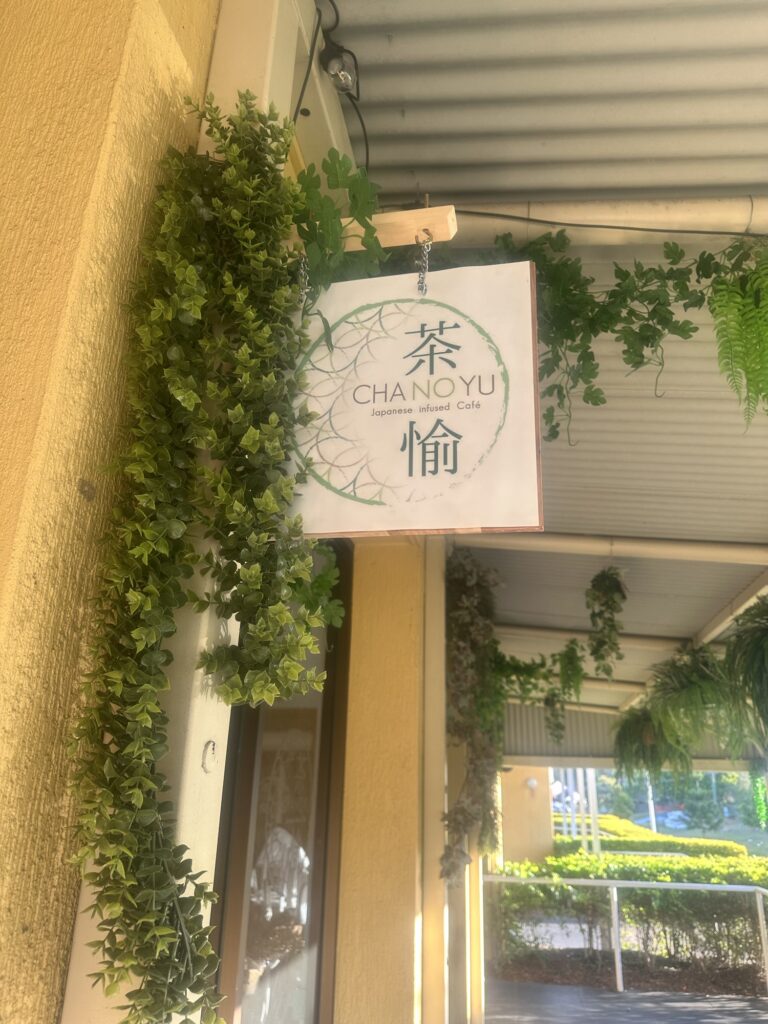
Visit Chanoyu: Shop 6A, 54–58 Nerang Street, Nerang QLD 4211
Opening hours: Monday to Saturday, 7:00 am–2:00 pm; closed Sunday
Website: https://www.chanoyucafe.com/
Instagram: https://www.instagram.com/chanoyugc/
The selection of knives on display may change. If you are interested in a particular Asaoya Yaichi knife, please contact us through https://asaoyayaichi.com.au before visiting, and we will help you check whether it is available at Chanoyu.