Lessons I’ve Learned After More Than 25 Years as a Chef
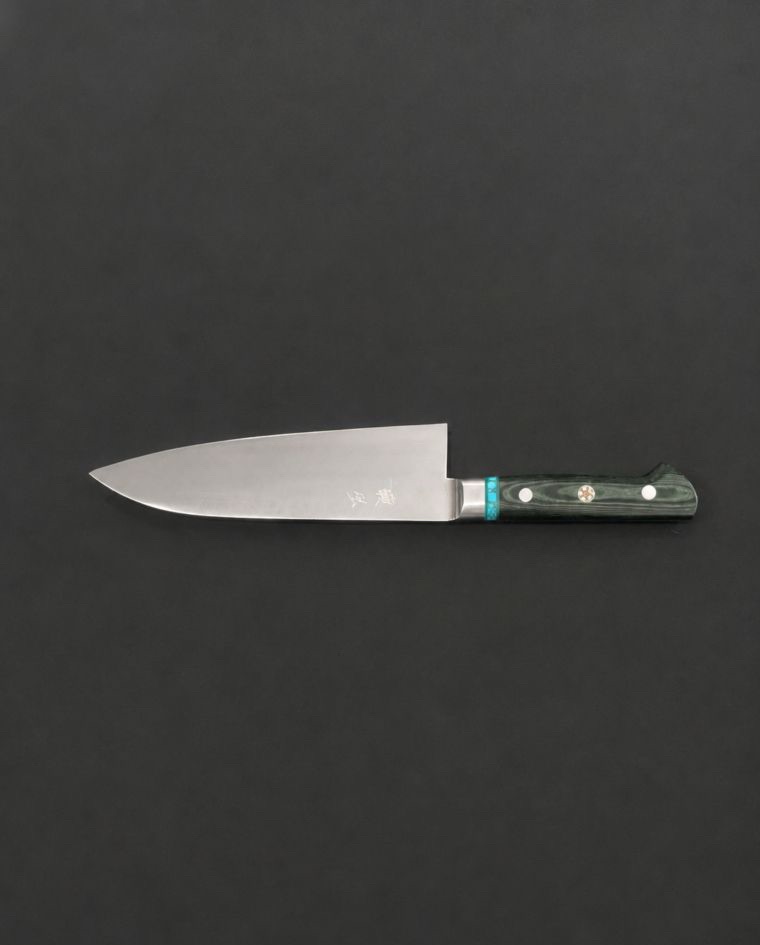
180mm Santoku Aogami #2 Green Micarta Handle with Turquoise Spacer
Japanese knives are often described as delicate or difficult to maintain.
From my experience, that’s not true.
After more than 25 years working as a chef in both Japan and Australia, I’ve found that most damage doesn’t happen while you’re cooking—it happens afterwards.
Rust, cracked handles, warped blades, and unnecessary repairs are often the result of a few simple habits that are easy to avoid.
Here are the five most common mistakes I’ve seen over the years, including a few I’ve learned from my own experience.
1. Leaving the Knife Wet After Use
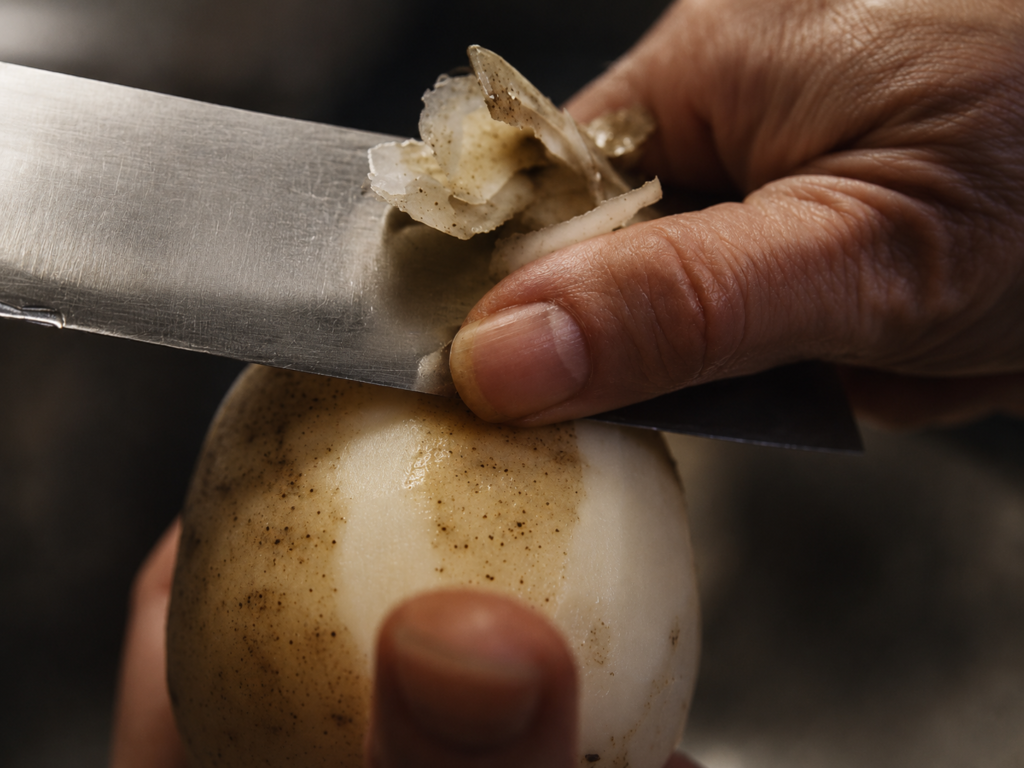
If I had to choose the biggest cause of rust, this would be it.
After cooking, it’s easy to leave a knife on the cutting board or beside the sink while cleaning up.
Unfortunately, even a short period of moisture combined with food residue can start the rusting process.
Carbon steel is especially vulnerable, but stainless steel isn’t completely immune either.
A simple routine makes all the difference:
- Wash the knife soon after use.
- Dry it thoroughly.
- Store it somewhere dry.
Those extra 30 seconds can add years to your knife’s life.
2. Only Rinsing the Knife After Cutting Citrus Fruits
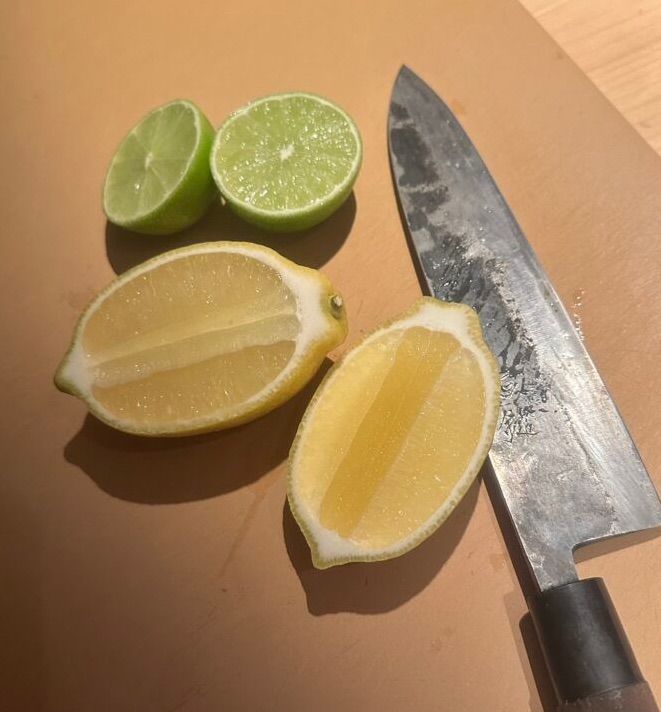
Most people know that citrus fruits such as lemons and limes can affect a knife because of their acidity.
What I’ve personally experienced, however, is that simply rinsing the blade with water isn’t always enough.
I have rusted a knife myself after cutting citrus and only washing it with water.
Acid and juice can remain on the blade, especially near the edge, the heel, or where the blade meets the handle.
After cutting citrus, I always recommend:
- Wash the knife properly with mild dishwashing liquid.
- Rinse with clean water.
- Dry it immediately and completely.
It’s a small habit that can prevent unnecessary rust.
3. Ignoring Small Rust Spots
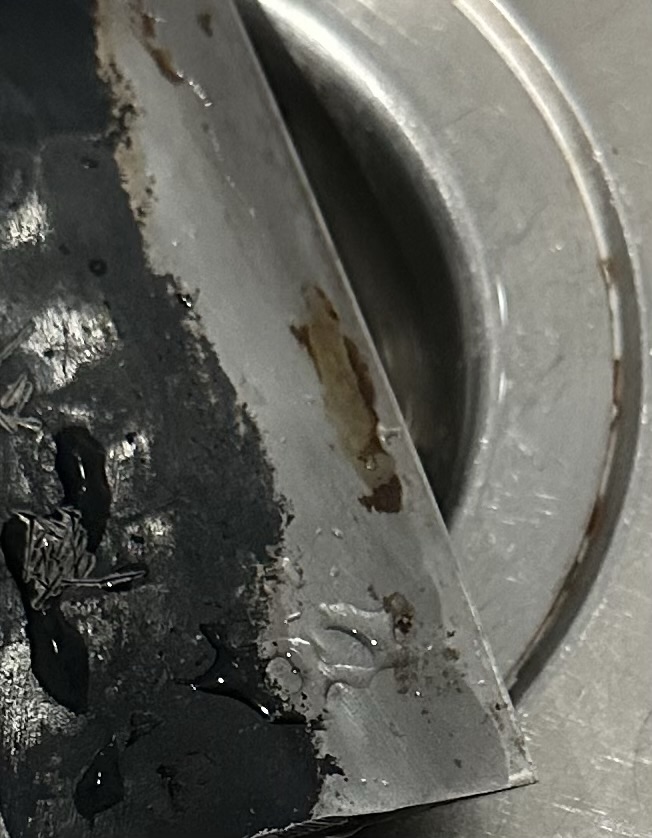
Small rust spots are much easier to deal with than deep rust.
Once rust starts penetrating into the steel, removing it becomes much more difficult and time-consuming.
I’ve learned that preventing rust is always easier than restoring a damaged blade.
If you notice rust beginning to form, don’t leave it for another day.
Deal with it early.
Your knife will thank you for it.
4. Washing the Knife with Very Hot Water
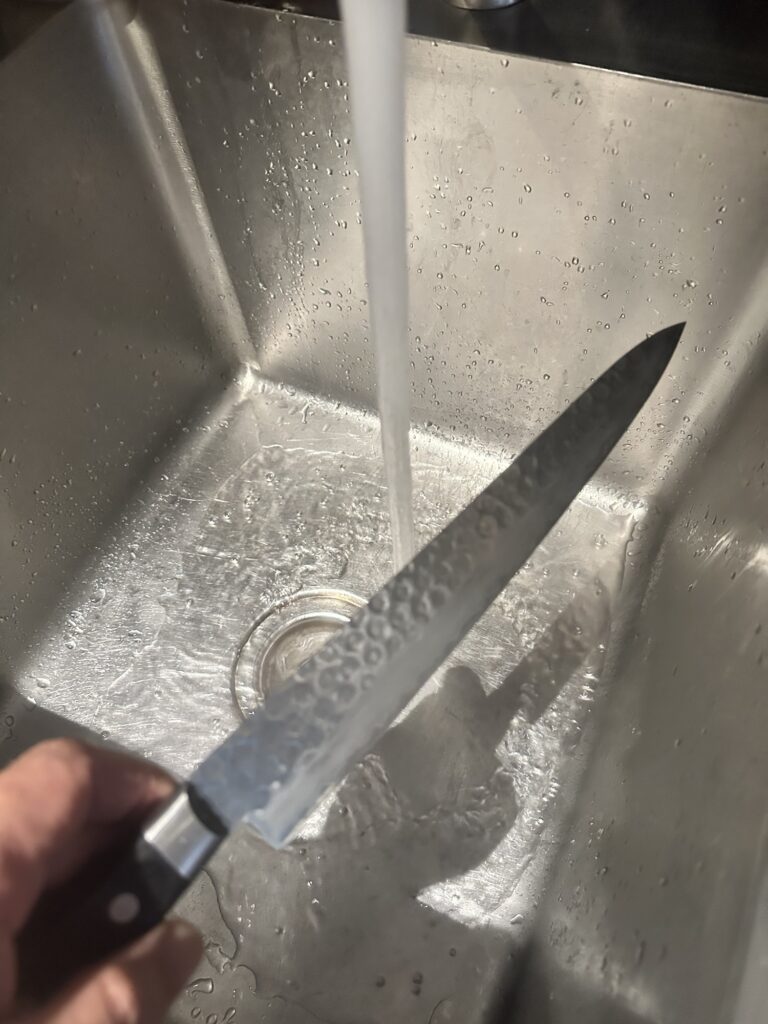
Many people know not to use a dishwasher.
What isn’t discussed as often is washing a knife by hand with very hot water.
In my experience, repeatedly exposing a knife to very hot water can shorten its lifespan.
The blade can be placed under unnecessary stress from repeated temperature changes, while the wooden handle suffers even more.
Over time, excessive heat can cause the handle to:
- Dry out
- Expand and contract repeatedly
- Develop small cracks
- Split
- Loosen around the tang
- Eventually begin to rot from moisture entering through damaged areas
Once a wooden handle starts cracking, water and food residue can work their way inside, making it more difficult to keep clean and shortening the life of the handle.
Warm water is all you need.
Wash the knife quickly, dry both the blade and the handle immediately, and avoid soaking it.
5. Putting the Knife in the Dishwasher
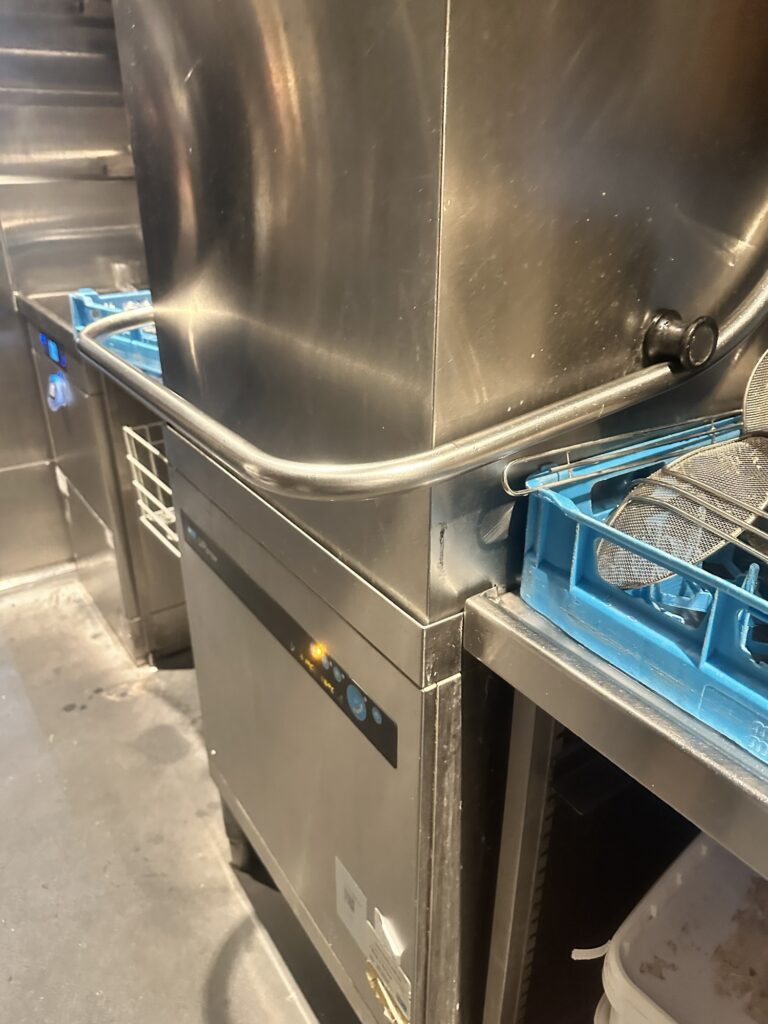
This is probably the most well-known mistake, but it’s still worth mentioning.
Dishwashers expose knives to:
- High temperatures
- Strong detergents
- Long periods of moisture
- Contact with other utensils
These conditions can damage both the blade and the wooden handle.
Even if no damage is visible after one cycle, repeated dishwasher use can significantly shorten the knife’s lifespan.
A handcrafted Japanese knife deserves to be washed by hand.
Fortunately, that only takes a minute.
Japanese Knives Aren’t Difficult to Maintain

One of the biggest misconceptions is that Japanese knives require complicated maintenance.
In reality, they don’t.
Simply remember to:
- Wash the knife soon after use.
- Don’t leave it wet.
- Properly wash it after cutting citrus fruits.
- Remove rust before it becomes serious.
- Avoid very hot water.
- Never use a dishwasher.
- Dry both the blade and the wooden handle thoroughly.
None of these steps are difficult.
They simply become good habits.
Final Thoughts
After more than 25 years in professional kitchens, I’ve learned that good knife care isn’t about doing something special.
It’s about avoiding a few simple mistakes.
The difference between a knife that lasts five years and one that lasts several decades often comes down to daily habits.
I still own a knife that has been in my family for over 40 years.
The reason it’s still in use today isn’t because it received special treatment.
It’s because someone took the time to wash it, dry it, and care for it properly after every use.
If you do the same, a quality Japanese knife can reward you with many years of reliable service.
Looking for a Knife Built to Last?

The handcrafted Tosa knives available from Asaoya Yaichi are made by skilled Japanese craftspeople and designed for real daily use.
With proper care, they can remain reliable kitchen tools for many years.
Explore our collection of authentic handcrafted Tosa knives and find a knife that suits your cooking style.
From Tosa, Japan, to your kitchen.
Ready to find the right knife for your kitchen?
Explore the Asaoya Yaichi collection of authentic handcrafted Tosa knives: