タグ: Whetstone Flattening

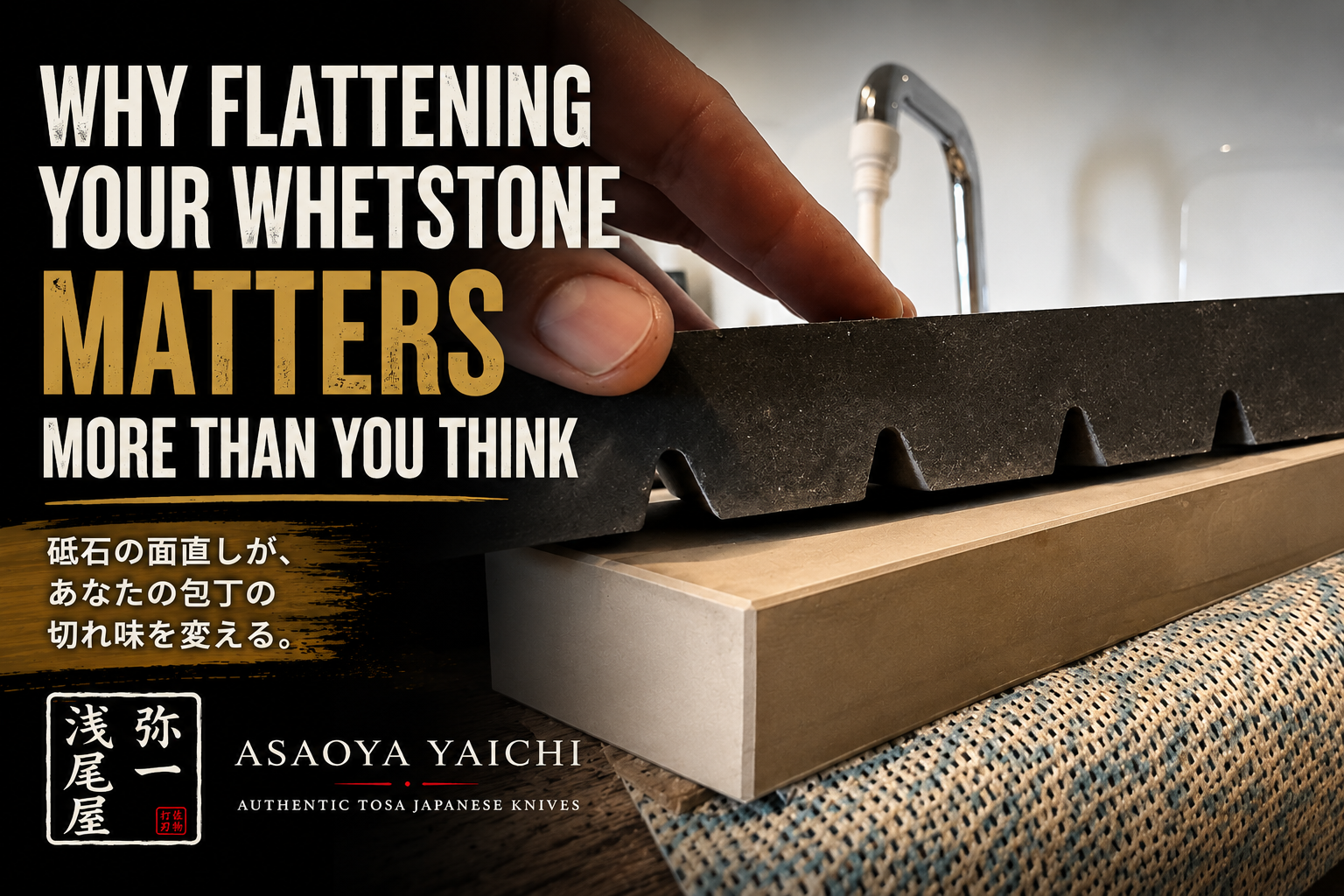
  • Why Flattening Your Whetstone Matters More Than You Think

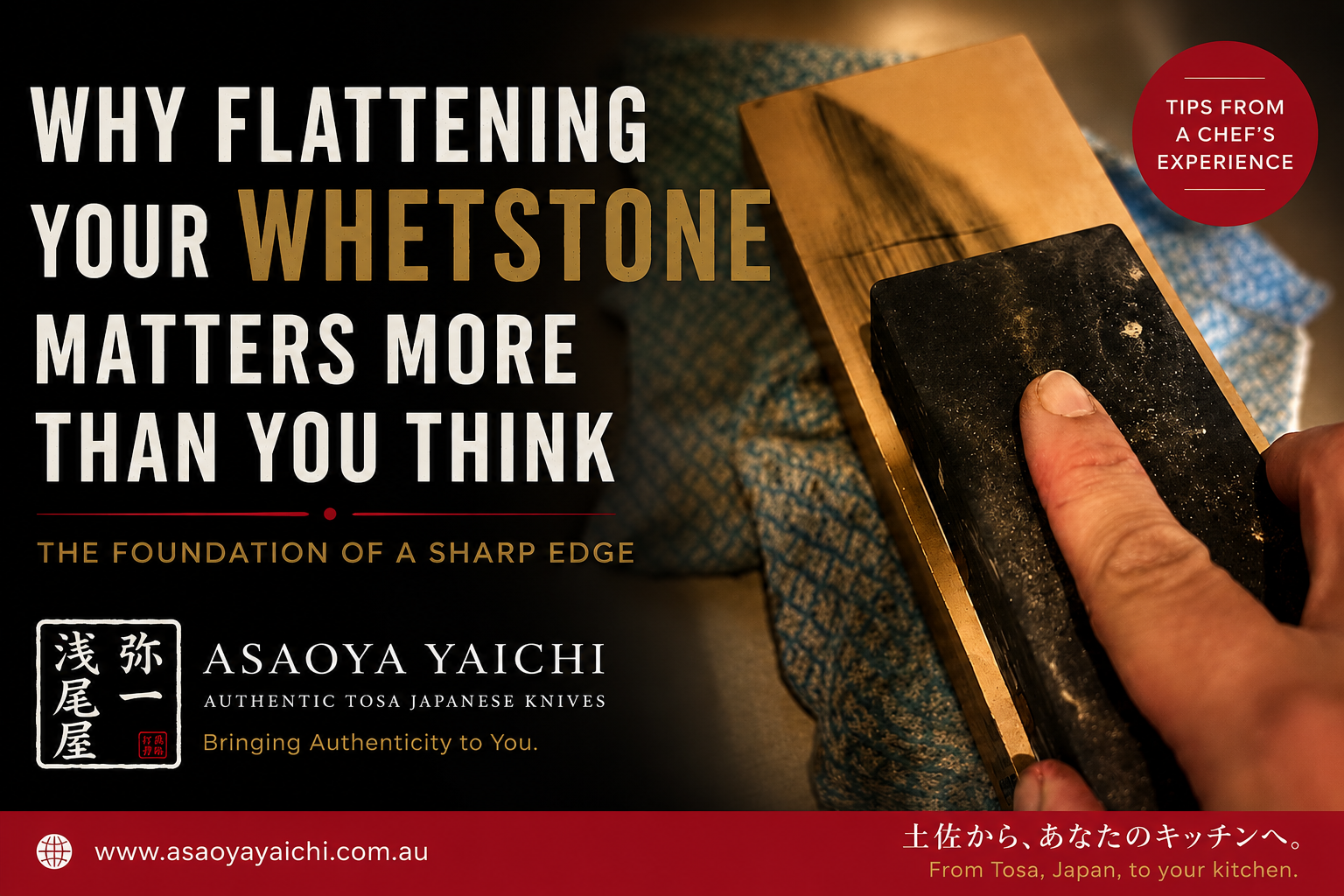
    Why Flattening Your Whetstone Matters More Than You Think

    When I first became a chef, I had no idea that whetstones needed to be flattened.

    For nearly two years, I sharpened my knives on the same stone without ever checking if it was still flat.

    The knives became sharp enough for work, so I assumed everything was fine.

    Then one day, while visiting Japan, I took one of my knives back to the shop where I had bought it.

    The craftsman looked at it and simply said,

    “That’s no good!”

    It was a little embarrassing, but it became one of the most valuable lessons I ever learned about sharpening.


    What Is Whetstone Flattening?
    Whetston

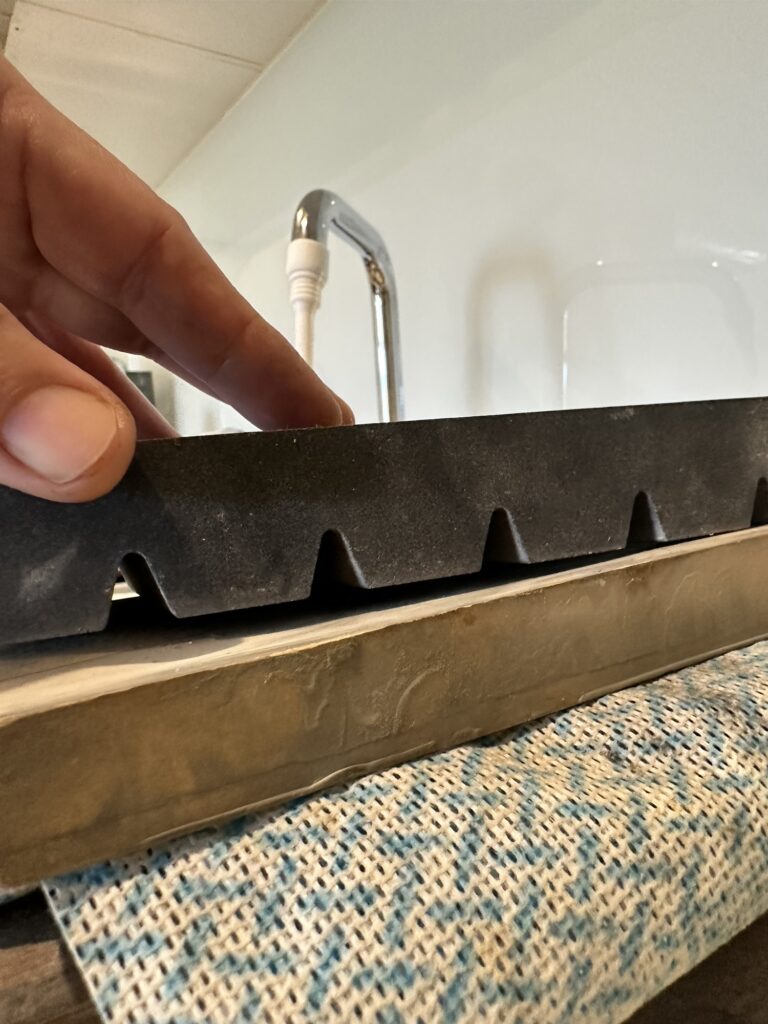
    Every time you sharpen a knife, your whetstone slowly wears down.

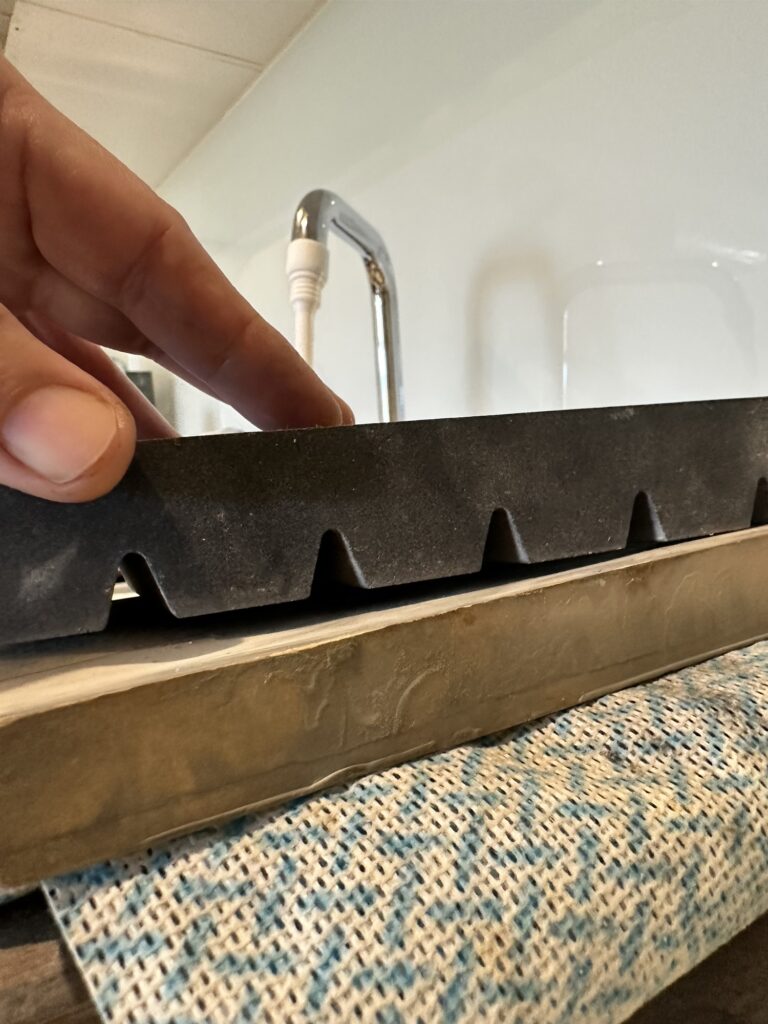
    Because the centre is used the most, it gradually becomes lower than the edges.

    Even if you can’t easily see it, that slight hollow can affect how your knife is sharpened.

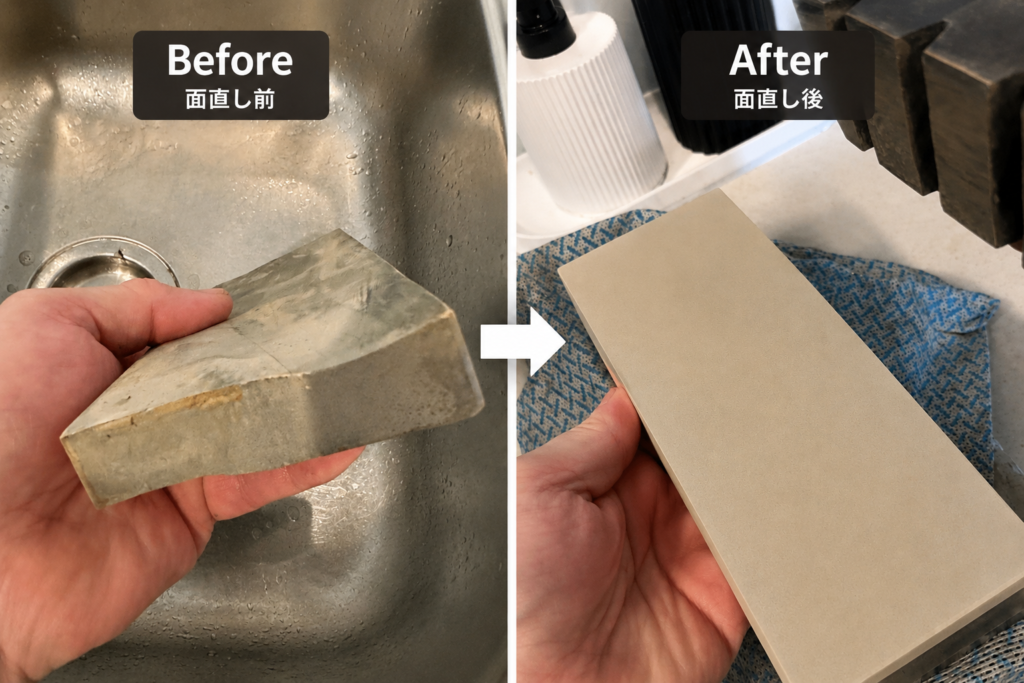
    Flattening simply restores the whetstone back to a perfectly flat surface.


    Why Is It Important?
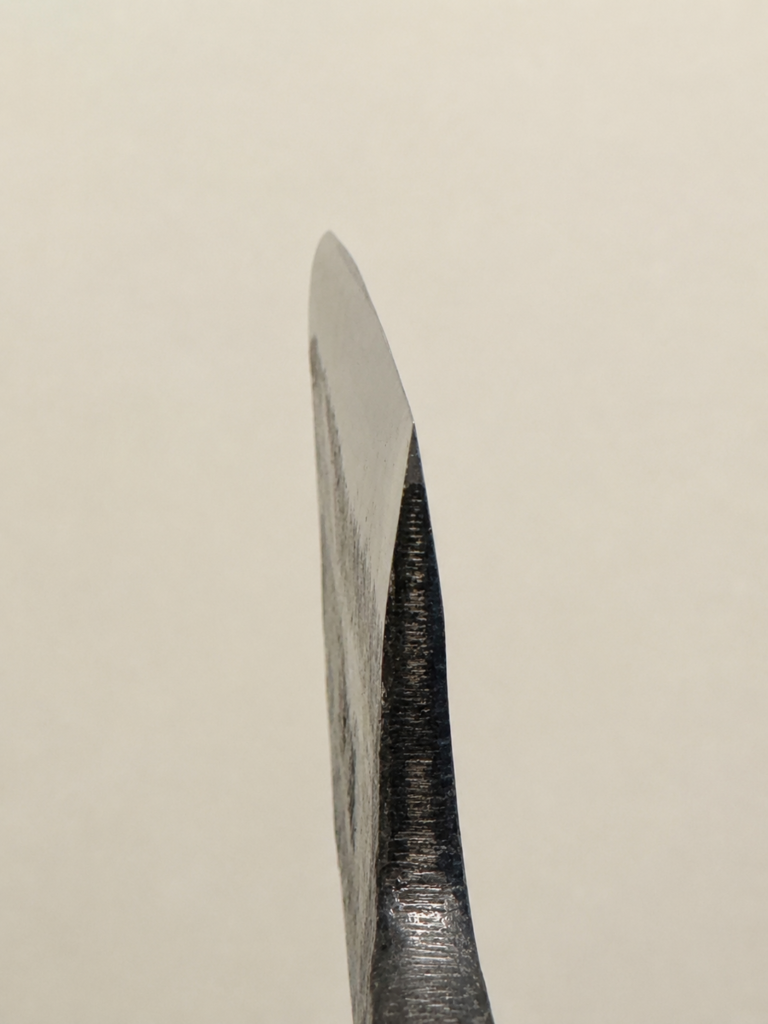

    165mm Kiritsuke Thick Deba Aogami #2 Kurouchi Walnut Octagonal Handle

    Japanese knives are designed with precise edge geometry.

    If your whetstone isn’t flat:

    • The edge won’t contact the stone evenly.
    • It’s much harder to keep a consistent sharpening angle.
    • The bevel can become uneven.
    • Sharpening becomes less predictable.

    Sometimes people think they’ve forgotten how to sharpen.

    In reality, the problem may simply be the condition of the whetstone.


    How to Flatten Your Whetstone

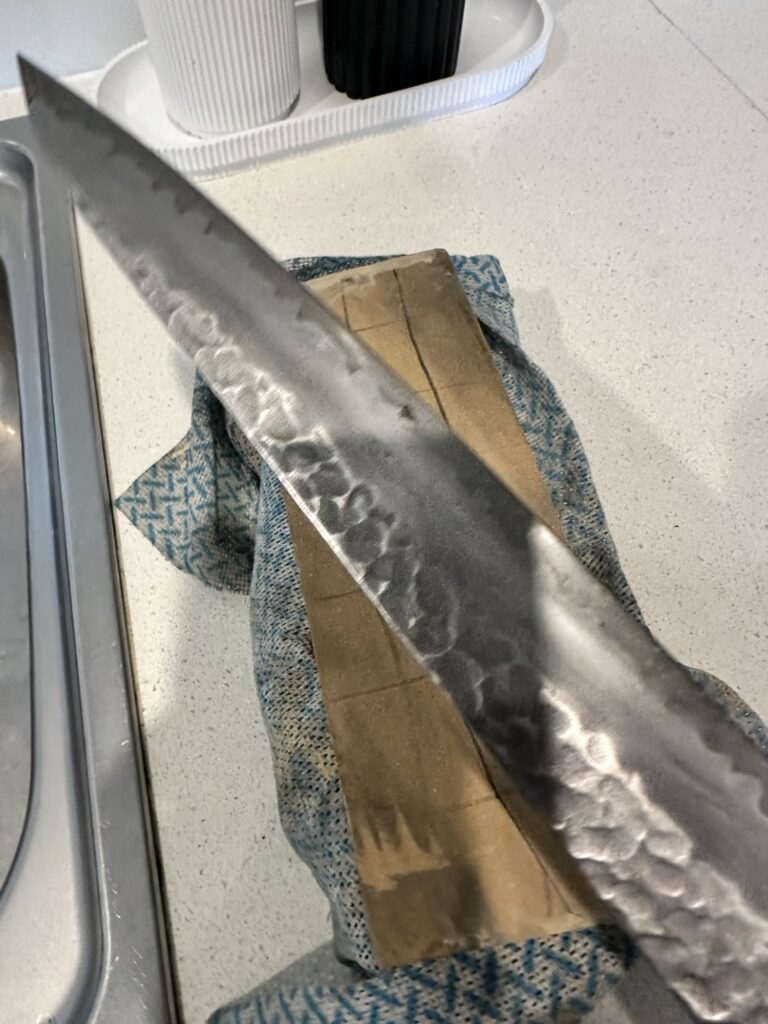
    I simply use a standard flattening stone designed for whetstones.

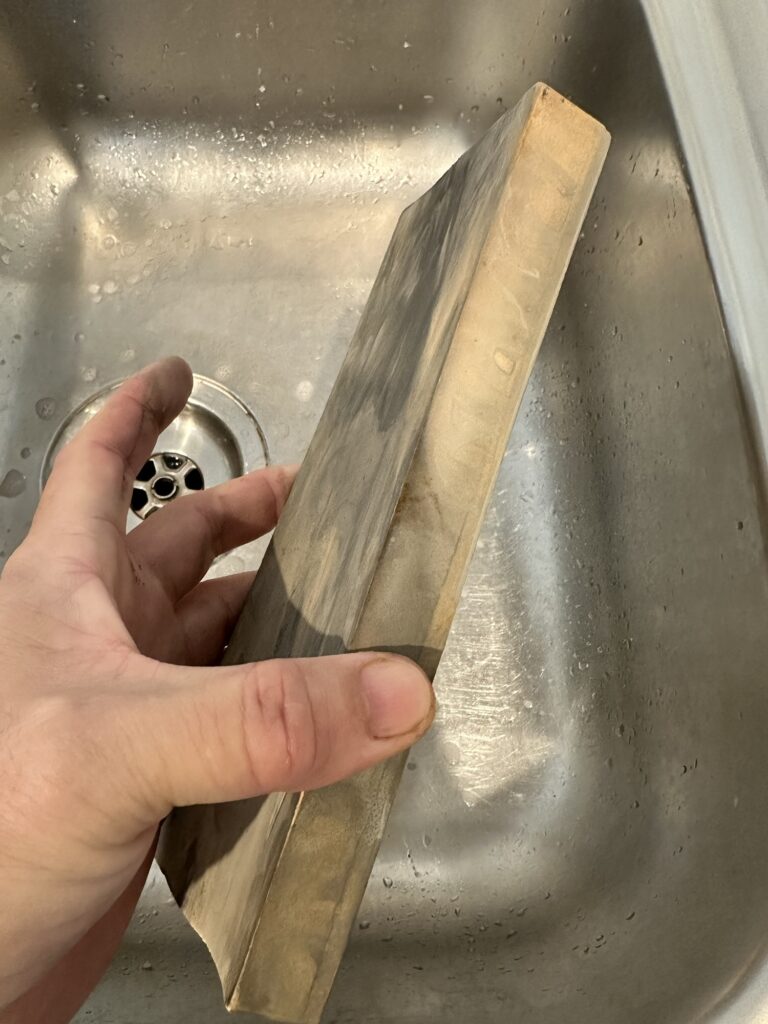
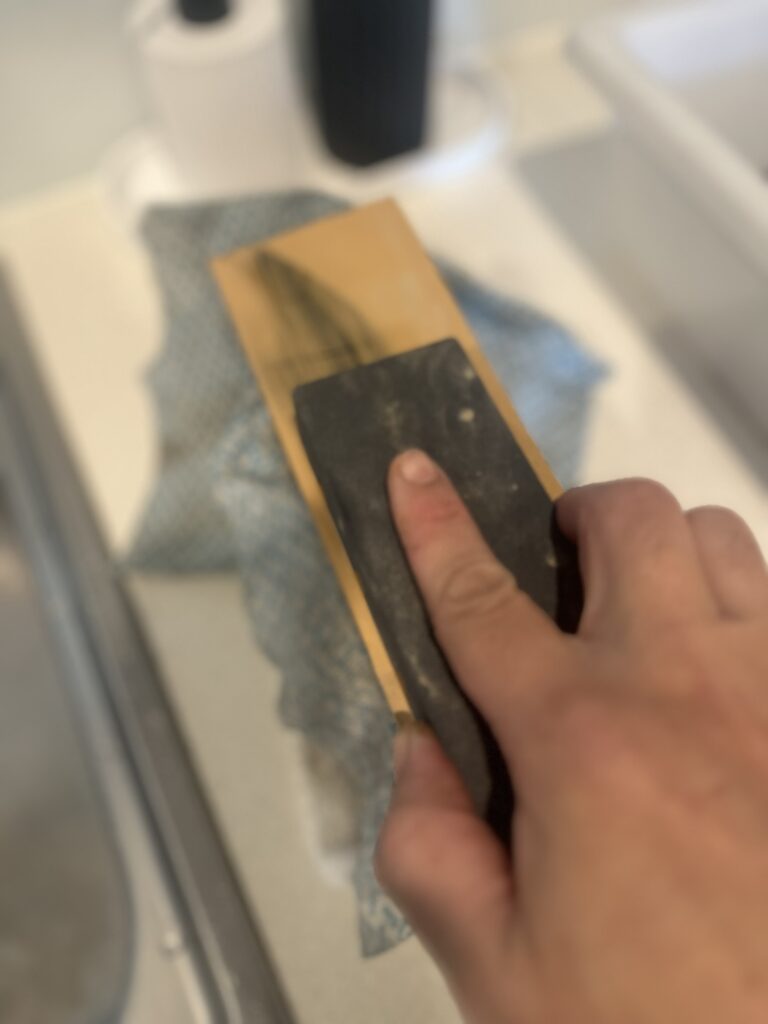
    Before I begin, I draw a light grid across the whetstone using a permanent marker.
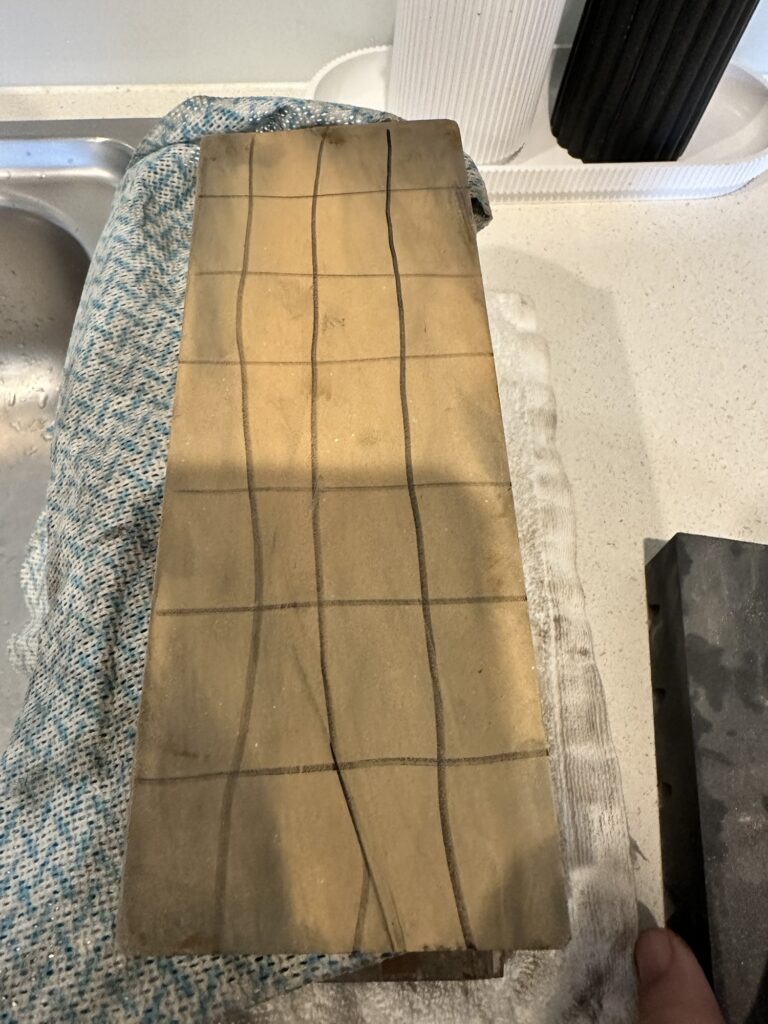
    There’s no need to colour the whole surface—just a simple grid is enough.

    Wet both stones and rub them together using even pressure.

    And the house was a rental.
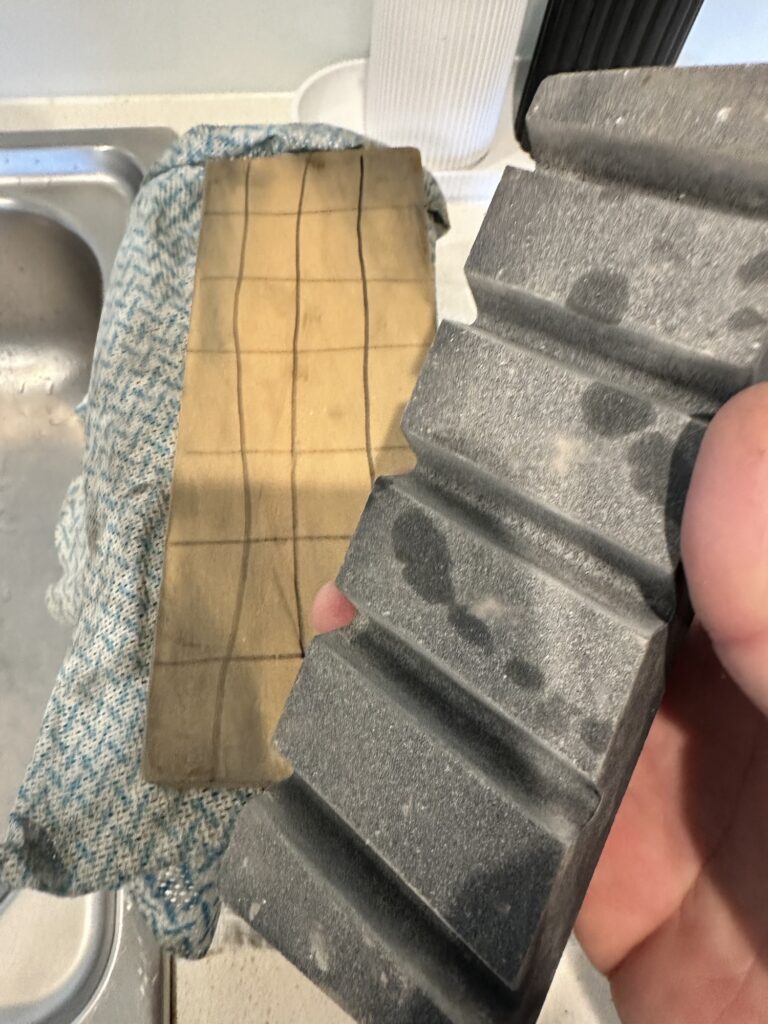
    As the surface becomes flat, the marker lines gradually disappear.
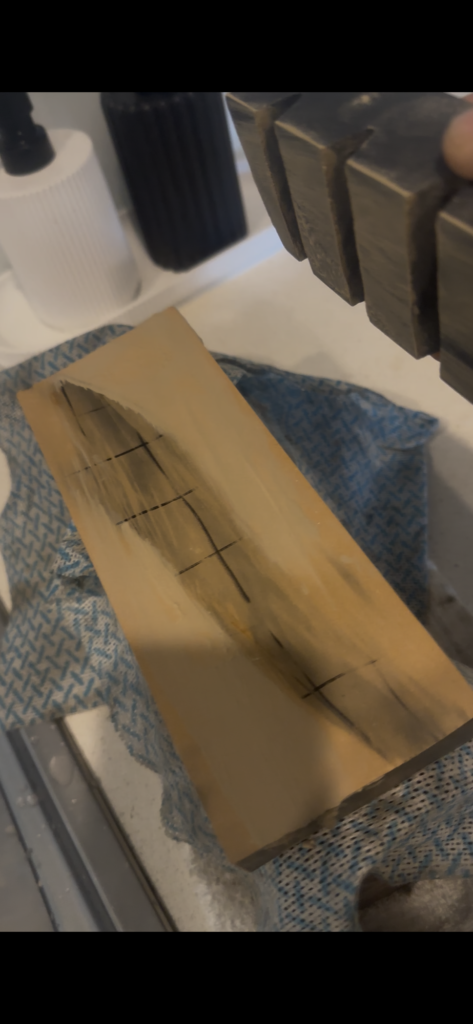
    If some lines remain, those areas are still lower than the rest of the stone.

    Once all the lines disappear evenly, rinse the stone thoroughly and it’s ready to use again.
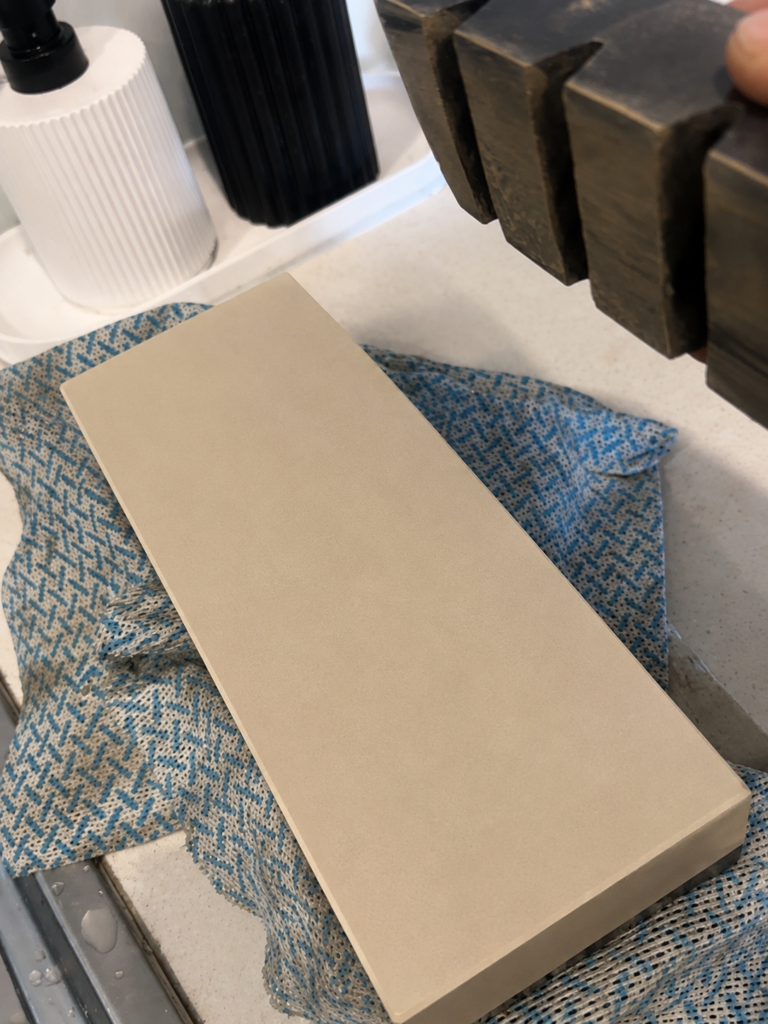
    It only takes a few minutes, but it makes a huge difference to your sharpening.


    A Funny Story From One of My Former Chefs
    Why Flattening Your Whetstone Matters

    One of the chefs I used to work with had a very different way of flattening his whetstones.

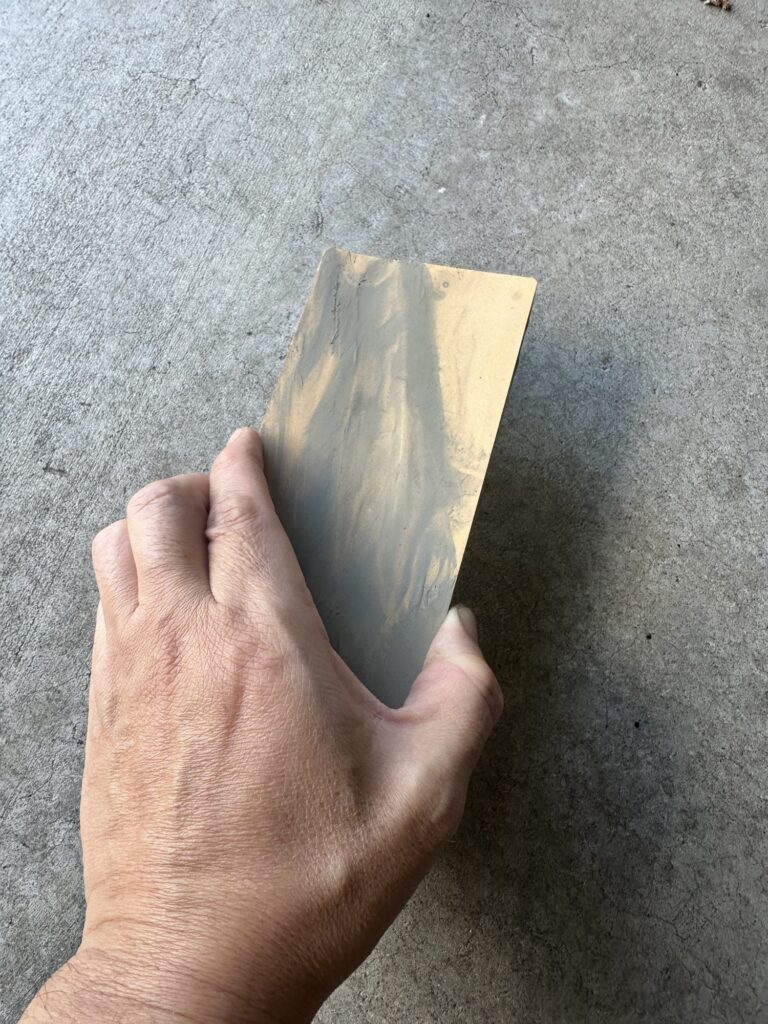
    Instead of using a flattening stone, he rubbed them directly on the smooth concrete in his backyard.

    To be fair…

    It actually worked surprisingly well.

    A smooth concrete surface allows you to apply good pressure and removes the high spots quite effectively.

    The only problem was that it left grey sharpening marks and stains all over the concrete.

    Even now, I sometimes wonder if everything went smoothly when he moved out!

    So yes, it can work in an emergency.

    But unless you’re prepared to explain mysterious grey stains to your wife, partner, or landlord, I probably wouldn’t recommend it.

    If you’re renting, it’s definitely best to avoid using your driveway or patio.
    5 Common Mistakes That Damage Japanese Knives

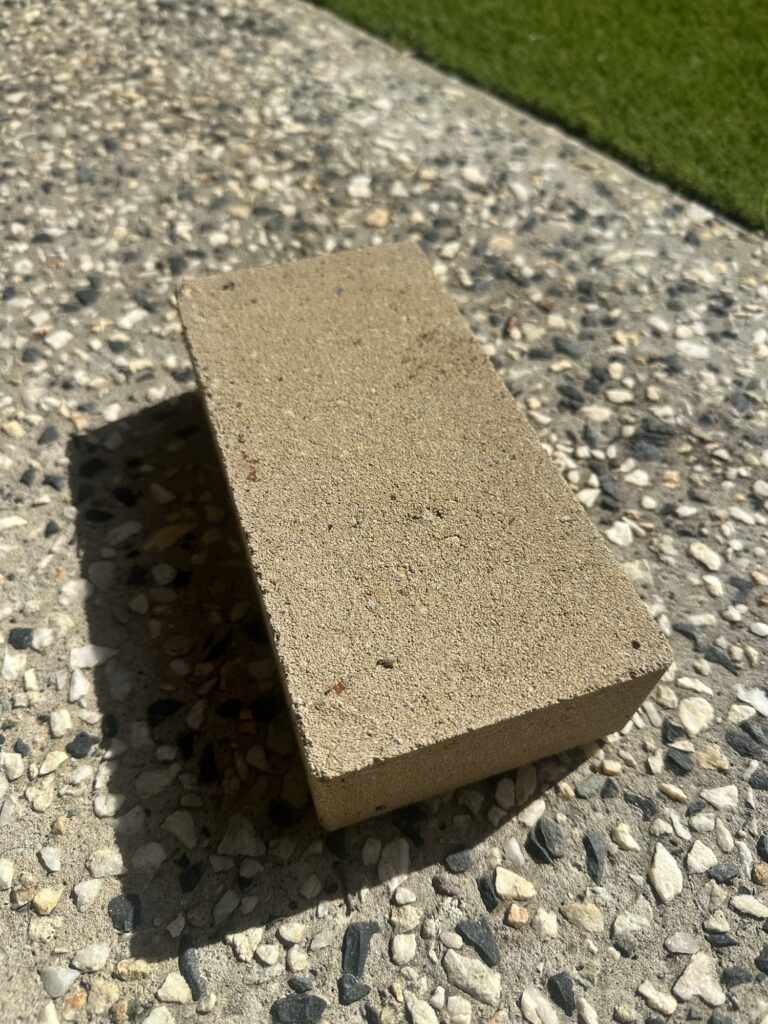
    If you really prefer this method, a better option would be to buy a smooth concrete paver or a flat tile and use that instead.

    Just make sure it’s genuinely flat. If the surface isn’t flat, your whetstone won’t be either. Also, some tiles are so smooth that they don’t remove material very effectively.

    For consistent results, a proper flattening stone is still the easiest and most reliable solution.


    What I Learned
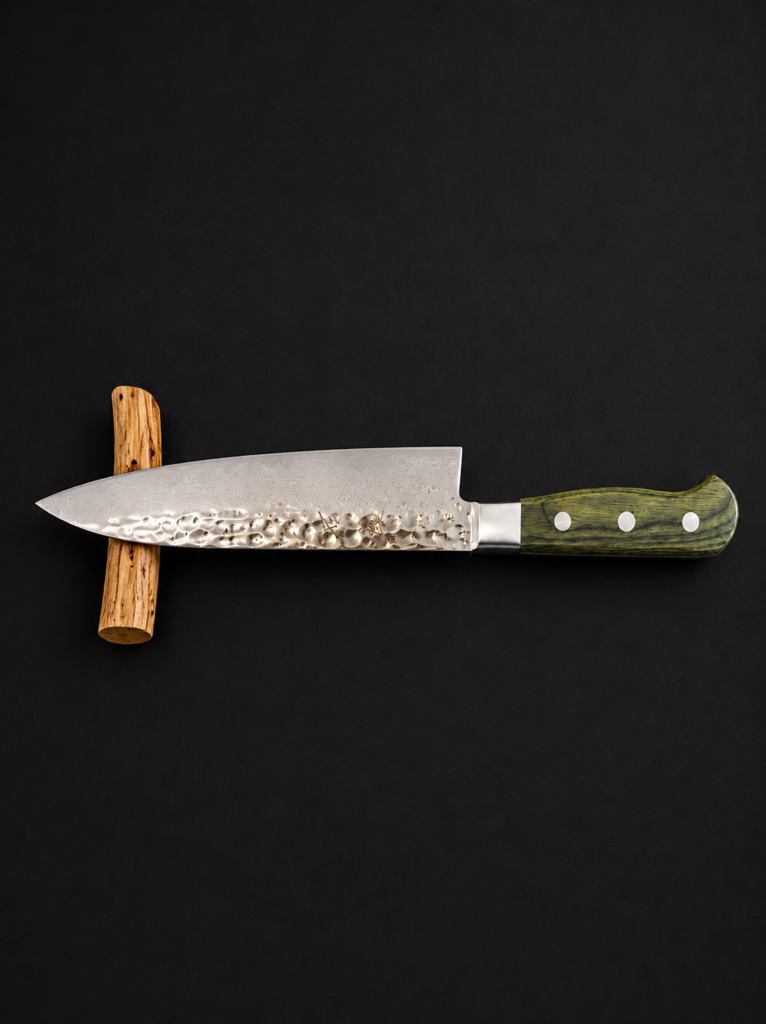

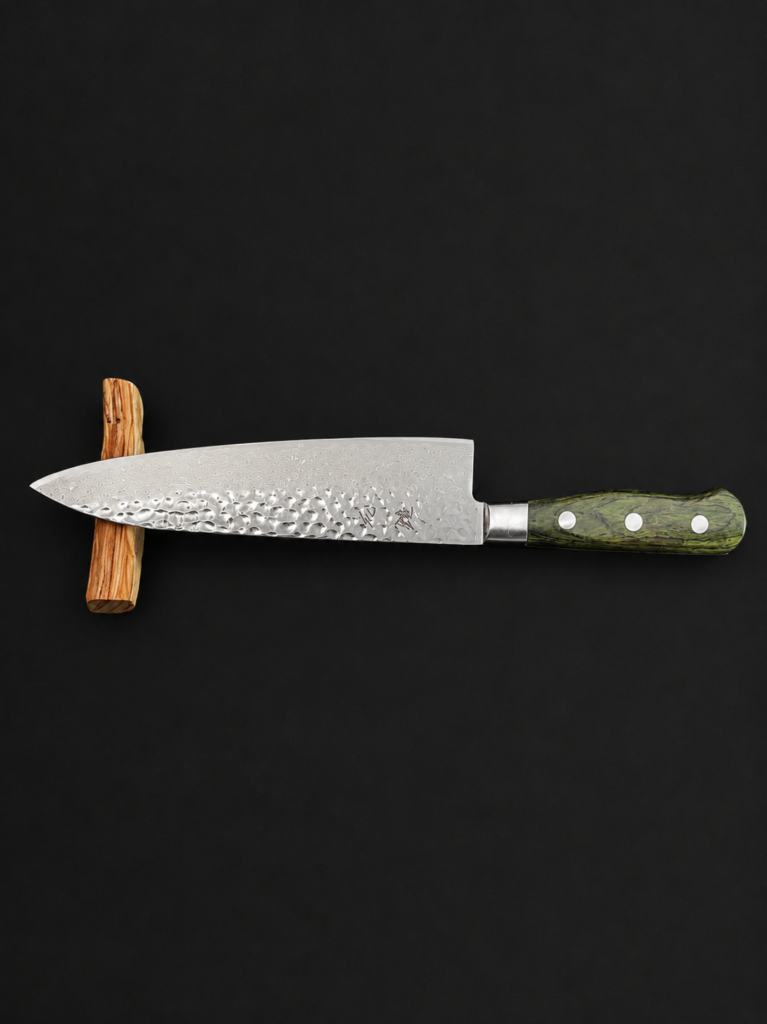
    210mm Gyuto VG10 Polished Hammered 67 Layer Damascus Green Handleす

    Back then, I thought that as long as my knife became sharp, I was doing everything correctly.

    Now I know that good sharpening doesn’t begin with the knife.

    It begins with a flat whetstone.

    Sometimes the smallest maintenance habits make the biggest difference.


    Looking After Your Japanese Knife
    A quality Japanese knife doesn’t require complicated maintenance.

    Keep it clean, dry it properly, sharpen it when needed, and remember to maintain your whetstone as well.

    With proper care, a handcrafted Tosa knife can last for many years.

    At Asaoya Yaichi, we’re proud to offer authentic handcrafted Tosa knives made by skilled craftsmen in Kochi, Japan.

    Explore our collection at:

    www.asaoyayaichi.com.au

    From Tosa, Japan, to your kitchen.
  • Why Flattening Your Whetstone Matters

    Why Flattening Your Whetstone Matters

    Knife Care

    When a knife does not become as sharp as expected, many people assume the problem is their technique or the knife itself.

    But sometimes, the real problem is the whetstone.

    As a whetstone is used, its surface gradually wears down. Because we often sharpen in the same area, the centre can become hollow. Flattening restores the stone to an even surface so the blade can make consistent contact while sharpening.

    What Happens When the Stone Is Not Flat?

    Sharpening on a hollow whetstone can make it difficult to maintain a consistent angle.

    The blade may still become sharp enough to cut, but the bevel can become uneven. It may also be difficult to raise an even burr along the entire edge, and over time the shape of the blade may be affected.

    This is something I learned through experience.

    A Lesson From My Early Years as a Chef

    When I first became a chef, I used a whetstone that was kept at the restaurant.

    It had not been flattened and was already noticeably hollow. At the time, I did not understand why that mattered.

    My knives became sharp enough to use, so I continued sharpening on that same stone for around two years.

    Later, while visiting Japan, I took one of my knives back to the shop where I had bought it in Kappabashi and asked them to sharpen it.

    The person looked at the knife and said:

    “This is no good.”

    He laughed dismissively, but did not explain what was wrong, why it had happened, or how I could correct it.

    I will not name the shop. However, I never bought another knife from them.

    I accept that my sharpening was not good. But beginners cannot improve when they are only criticised and given no explanation.

    How Often Should You Flatten a Whetstone?

    There is no single rule.

    It depends on how often you sharpen, the hardness of the stone and the amount of pressure you use.

    Some people flatten their stone before every sharpening session. Others check it after sharpening several knives.

    The important thing is to inspect the surface regularly and flatten it before the hollow becomes too deep.

    What That Experience Taught Me


    180mm Santoku VG10 Polished Hammered 67 Layer Damascus Green Handle

    Today, I find myself selling knives.

    At the moment, Asaoya Yaichi does not offer a professional sharpening service, and I do not pretend to be a sharpening specialist.

    However, I do want to treat customers differently from the way I was treated.

    People should not be made to feel embarrassed because they are beginners or because they have made a mistake. I made plenty of mistakes myself, including sharpening on an unflattened whetstone for two years.

    When possible, I want to explain:

    • What has gone wrong
    • Why it matters
    • What can be done next

    Selling a knife should not be the end of the relationship.

    Good information and simple maintenance can help a well-made knife remain part of someone’s kitchen for many years.

    Looking for a Japanese Knife Made to Last?

    Asaoya Yaichi

    At Asaoya Yaichi, we offer handcrafted Tosa knives made by skilled Japanese craftspeople.

    Whether you are buying your first Japanese knife or adding to your collection, proper sharpening and whetstone maintenance will help it perform at its best.

    Explore our collection of authentic handcrafted Tosa knives.

    From Tosa, Japan, to your kitchen.
    https://www.asaoyayaichi.com.au