One of the most common questions I hear is:
“Why does my Japanese knife rust so easily?”
It’s a fair question. After all, many people expect an expensive knife to stay shiny and rust-free forever.
But with traditional Japanese knives, rust isn’t a sign of poor quality. In many cases, it’s actually a sign of what makes the knife special.
Why Carbon Steel Rusts
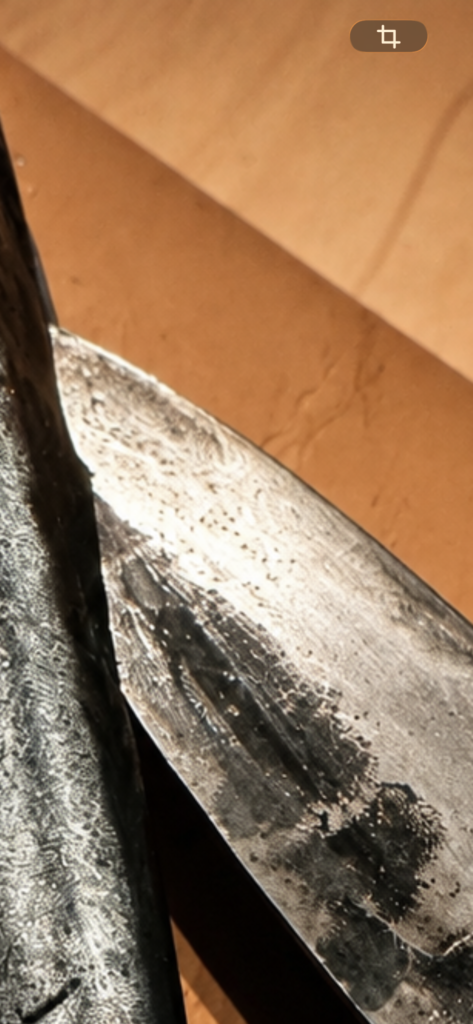
Many handcrafted Japanese knives are made from high-carbon steel, such as Aogami (Blue Steel) or Shirogami (White Steel).
These steels are loved by professional chefs because they offer exceptional sharpness, excellent edge retention, and are easier to sharpen than many stainless steels.
The trade-off is that carbon steel reacts more easily with moisture and acidic foods, so it can develop rust if left wet.
My Own Experience
I learned this the hard way.
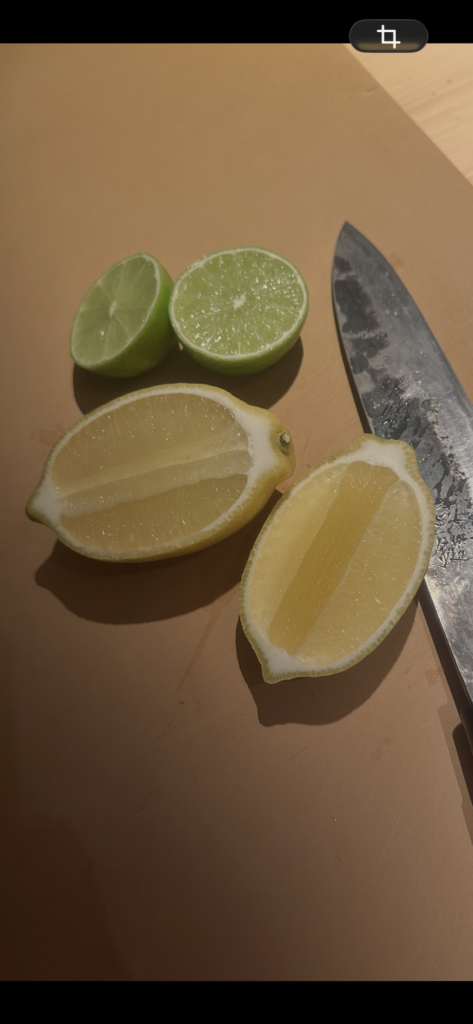
Even after rinsing my knife with water, I once left it sitting for a while after cutting citrus fruit.
When I came back, small spots of rust had already started to appear.
It wasn’t because the knife was poorly made.
It was because the acid from the citrus remained on the blade long enough to react with the carbon steel.
Since then, I’ve made it a habit to wash my knives, dry them immediately, and never leave them sitting wet.
Rust Doesn’t Mean a Bad Knife
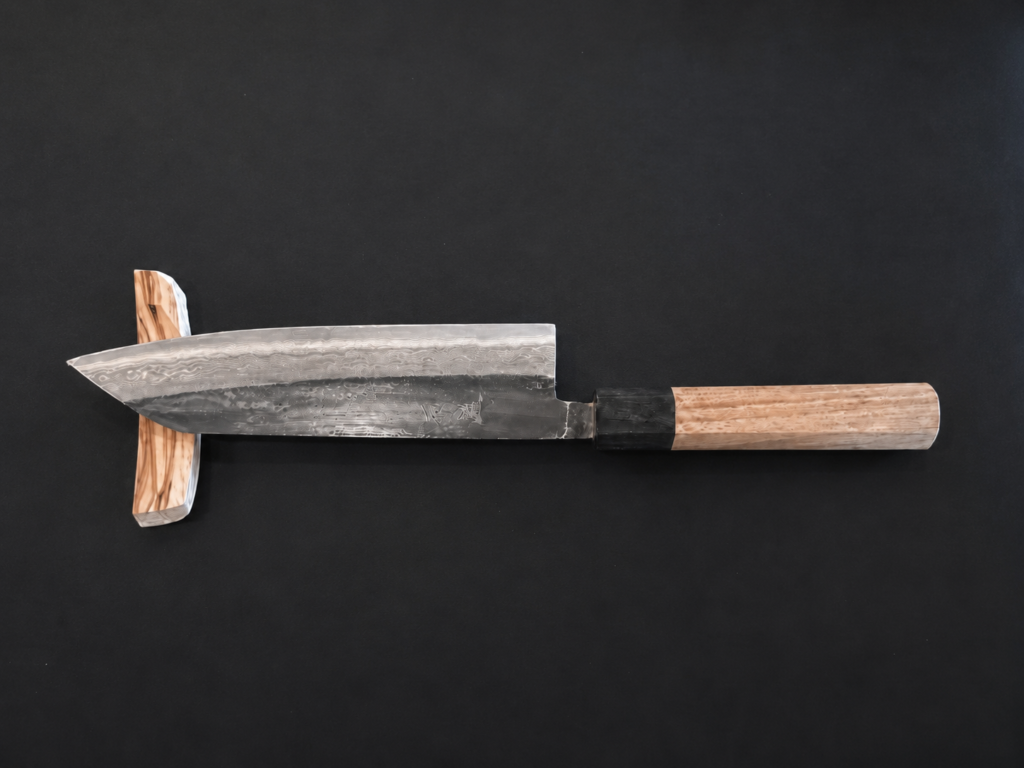
180mm Kiritsuke Aogami #2 Kurouchi Walnut Octagonal Handle
Many of Japan’s finest kitchen knives are made from carbon steel.
Professional chefs continue to choose them because they value cutting performance over convenience.
A little extra care is a small price to pay for a knife that delivers incredible sharpness and can last for decades.
How to Prevent Rust
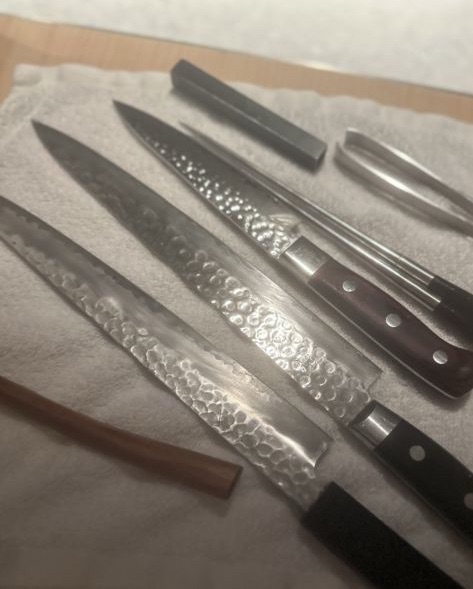
Keeping a carbon steel knife in great condition is simple.
- Wash it soon after use.
- Dry it thoroughly with a clean towel.
- Never leave it soaking in water.
- Be extra careful after cutting acidic foods such as lemons, limes, or tomatoes.
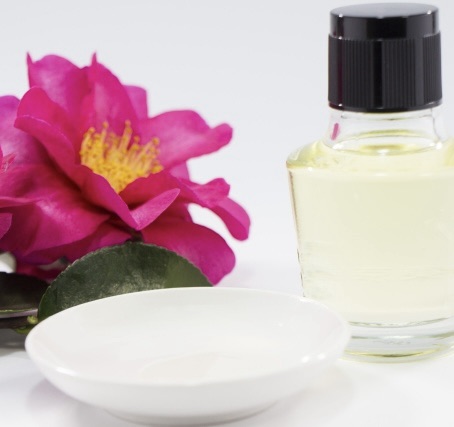
- If storing the knife for an extended period, apply a thin coat of camellia oil (tsubaki oil), which has traditionally been used in Japan to protect carbon steel from rust. If you don’t have camellia oil, a small amount of food-grade cooking oil can also be used as a temporary alternative.
What If Rust Already Appears?
Don’t panic if you notice rust on your knife.
In many cases, light surface rust can be removed before it causes any serious damage.
Depending on the severity of the rust, you may be able to remove it by:
- Sharpening the blade on a whetstone.
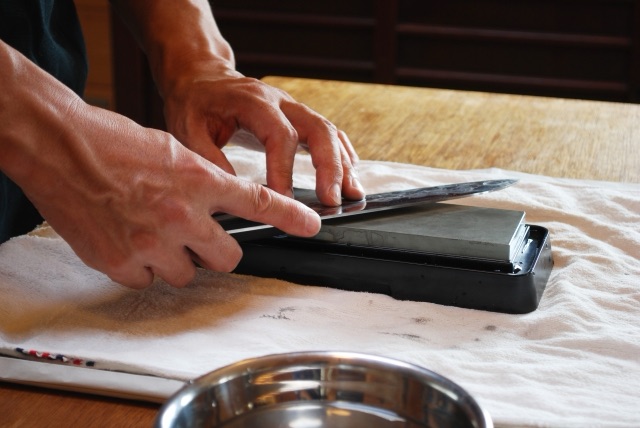
- Gently polishing the affected area with fine-grit sandpaper.
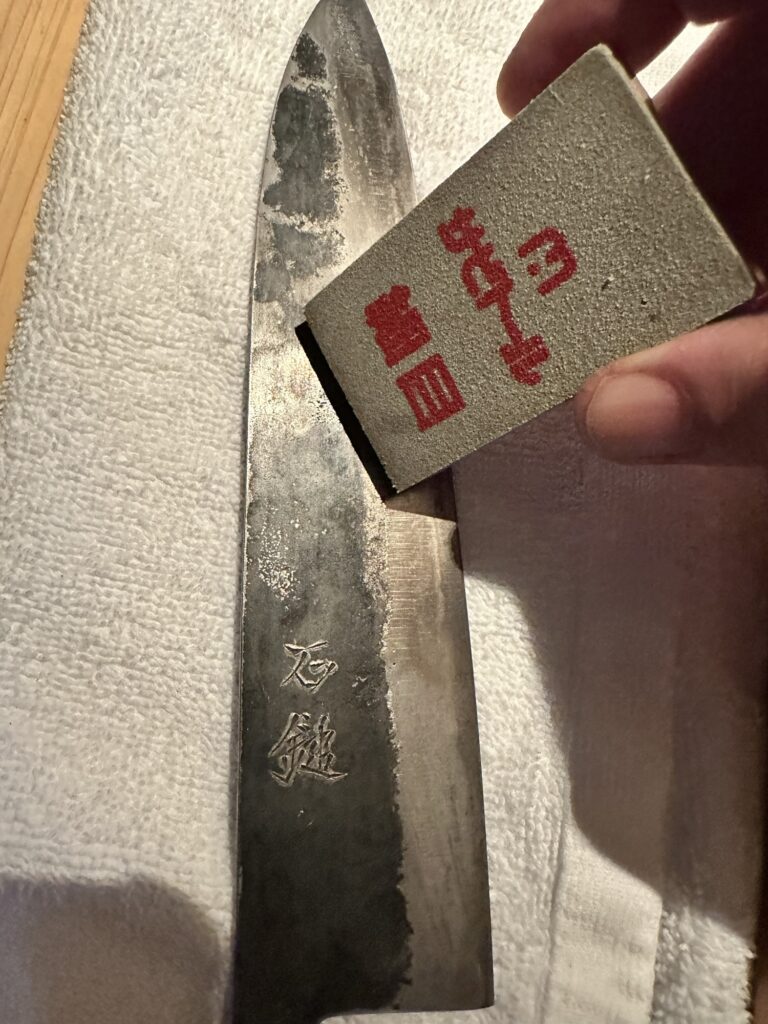
- Using a rust eraser designed for knives and tools, such as products commonly known in Japan as Sabitoru.
The most important thing is to deal with rust as soon as you notice it. The longer rust remains on the blade, the more difficult it can become to remove.
Prevention Is Better Than Restoration
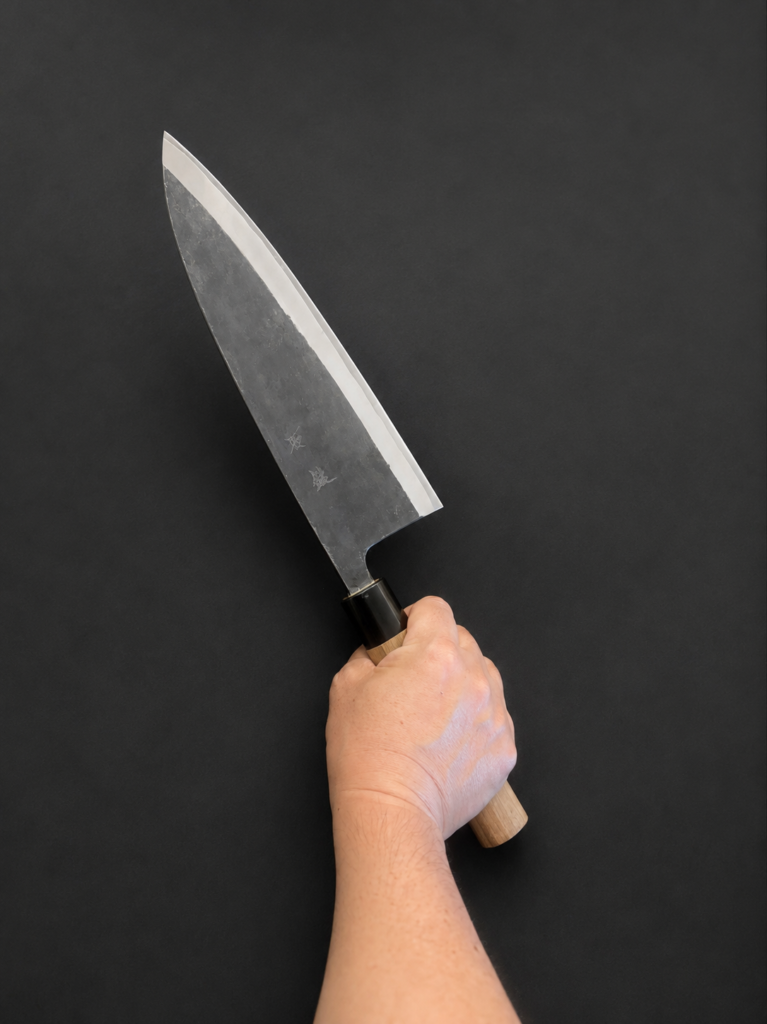
240mm Thick Deba Aogami #2 Kurouchi Walnut Handle
One of the best ways to keep a carbon steel knife in excellent condition is to prevent rust from forming in the first place.
Once rust starts to develop, the affected areas can become more susceptible to rusting again if they are not properly cleaned and protected.
That’s why it’s best to care for your knife from the day you buy it. Keeping the blade clean and dry from the beginning is the easiest way to maintain both its appearance and its cutting performance for years to come.
As with most knife care, prevention is always easier than restoration.
Final Thoughts
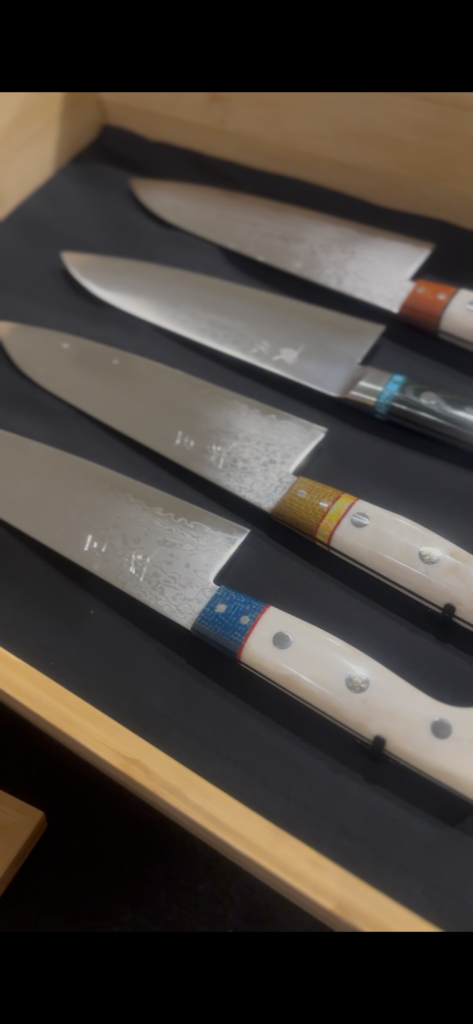
180mm Santoku VG10N 33 Layer Damascus Green Marble Handle Rainbow Spacer Blue
Carbon steel knives aren’t difficult to own—they’re simply different.
Once you understand how to care for them, you’ll see why so many professional chefs continue to choose carbon steel over stainless steel.
However, if you’re not confident that you’ll be able to give a carbon steel knife the care it needs, there’s nothing wrong with choosing a stainless steel knife instead.
A knife that suits your lifestyle is always a better choice than one that causes unnecessary stress.
At Asaoya Yaichi, we proudly offer authentic handcrafted Tosa knives made by skilled Japanese craftspeople, including both carbon steel and stainless steel options.
If you’re looking for an authentic Japanese knife, we’d be happy to help you find the one that’s right for you.
Explore our collection at:
https://www.asaoyayaichi.com.au
From Tosa, Japan, to your kitchen.