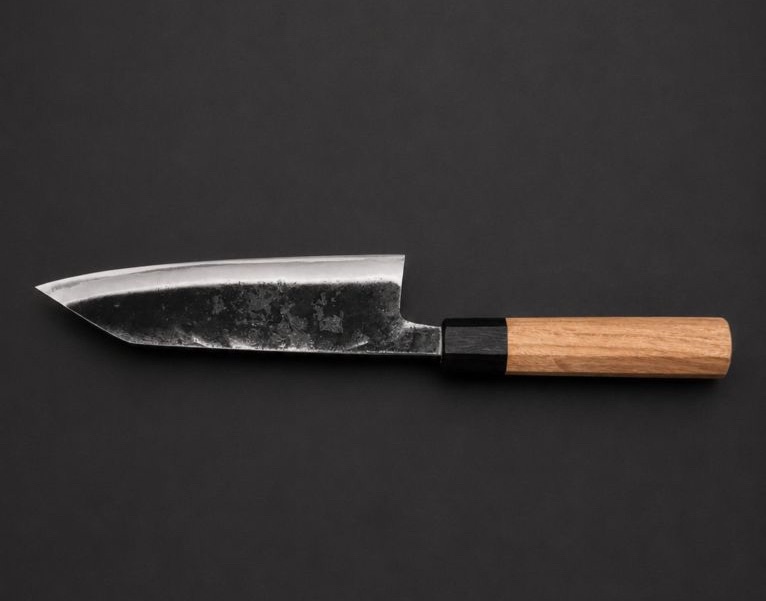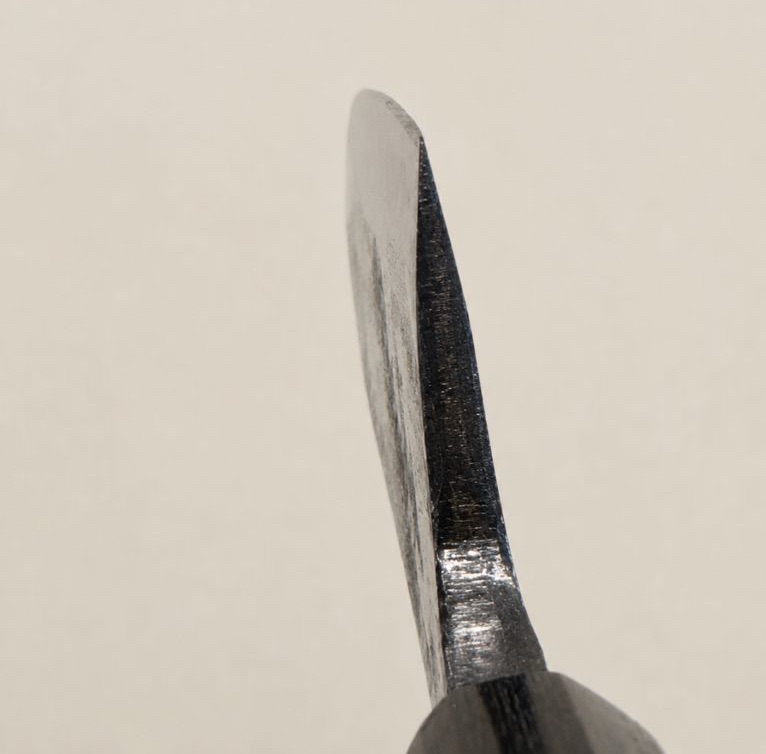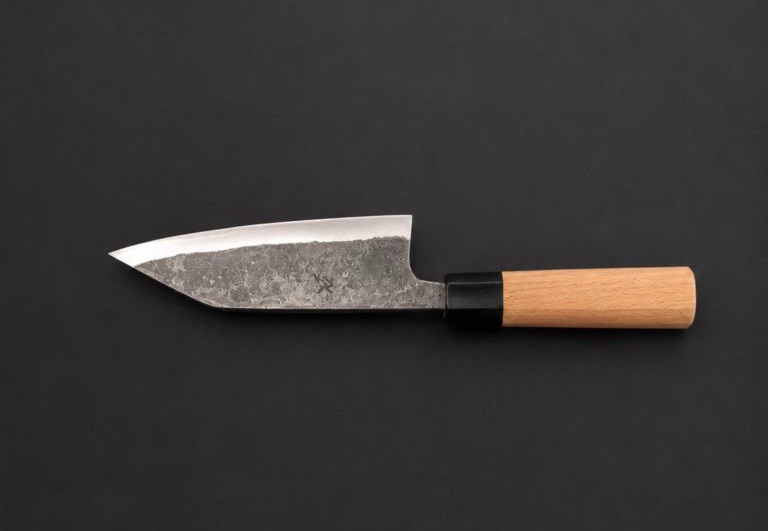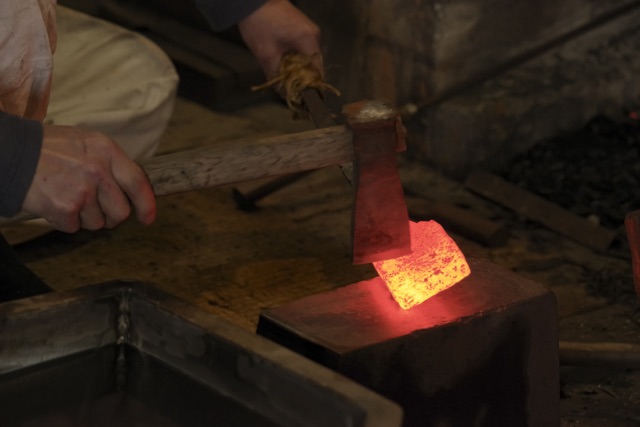
タグ: Knife Buying Guide

  • 真価 Shinka | 7 Powerful Truths About a New Japanese Knife’s Real Potential

    真価 Shinka | 7 Powerful Truths About a New Japanese Knife’s Real Potential


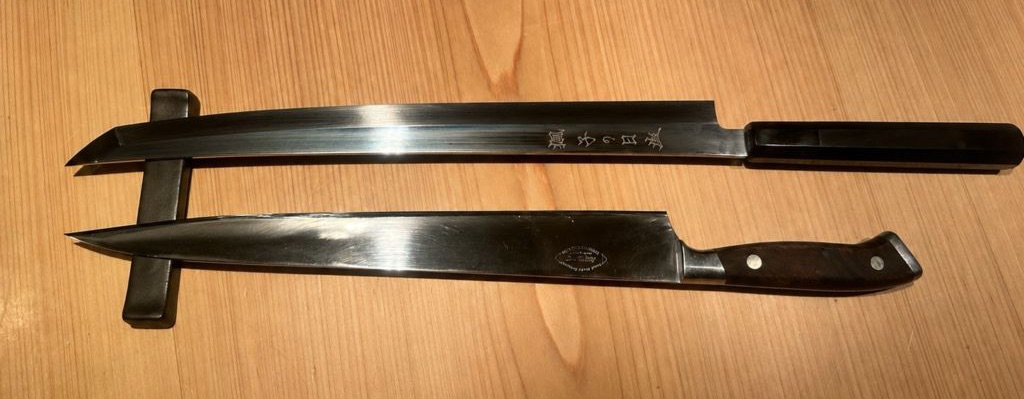
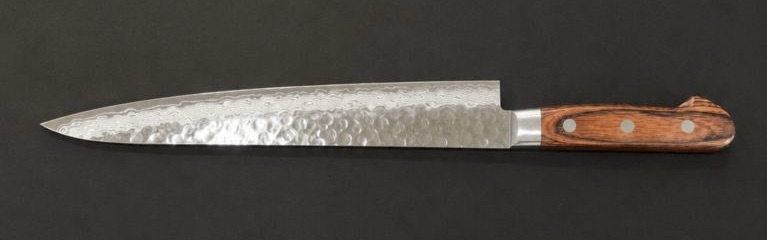
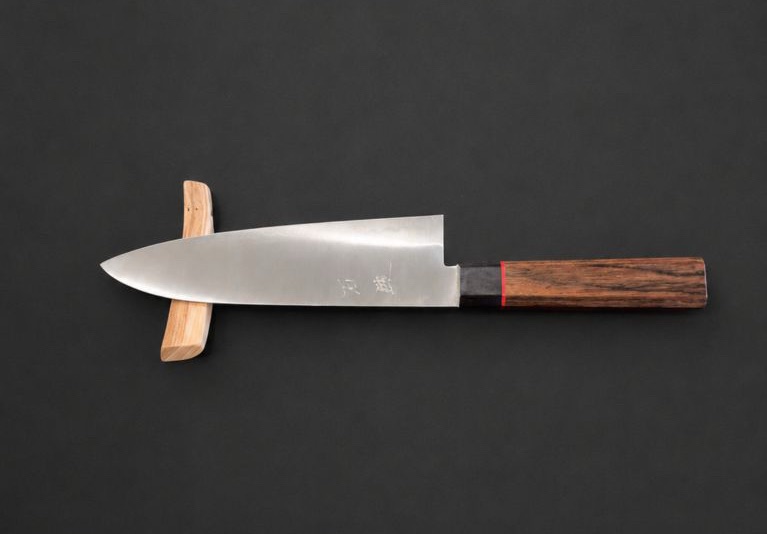
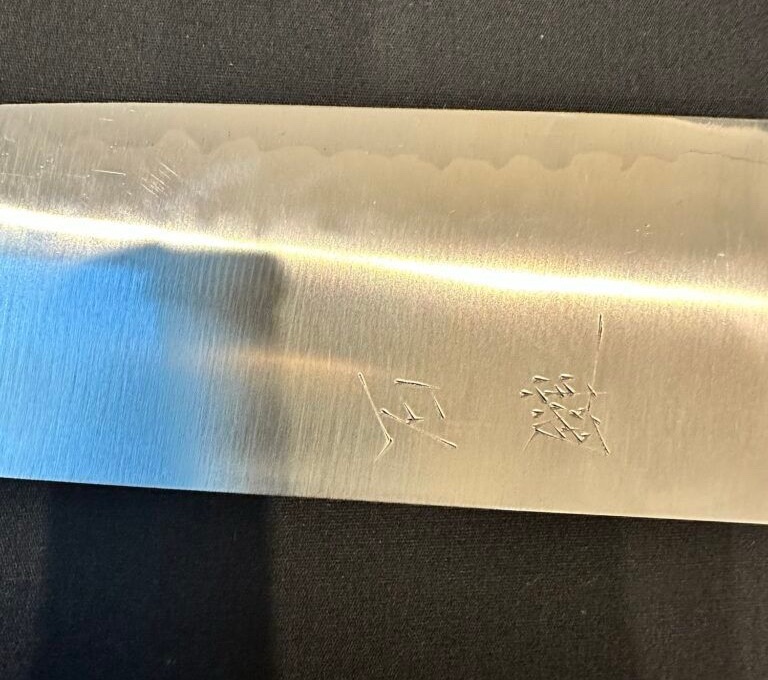
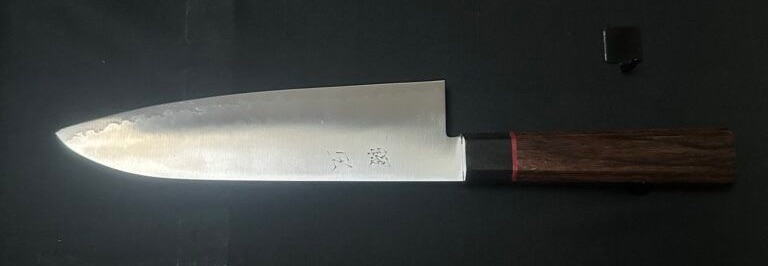
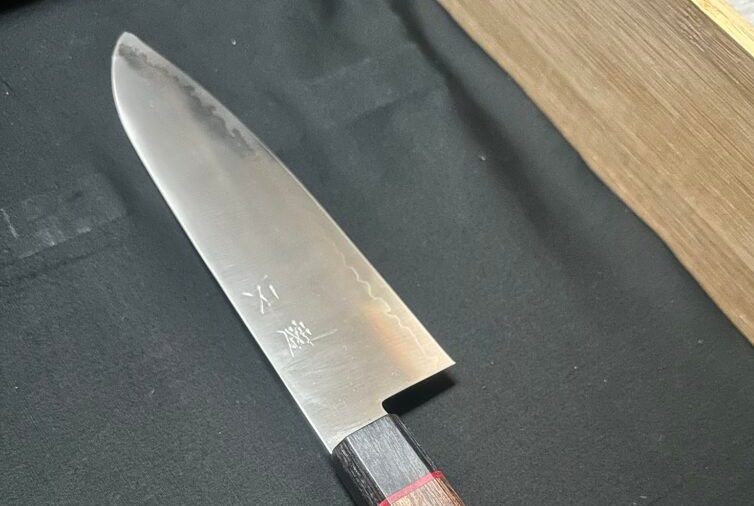
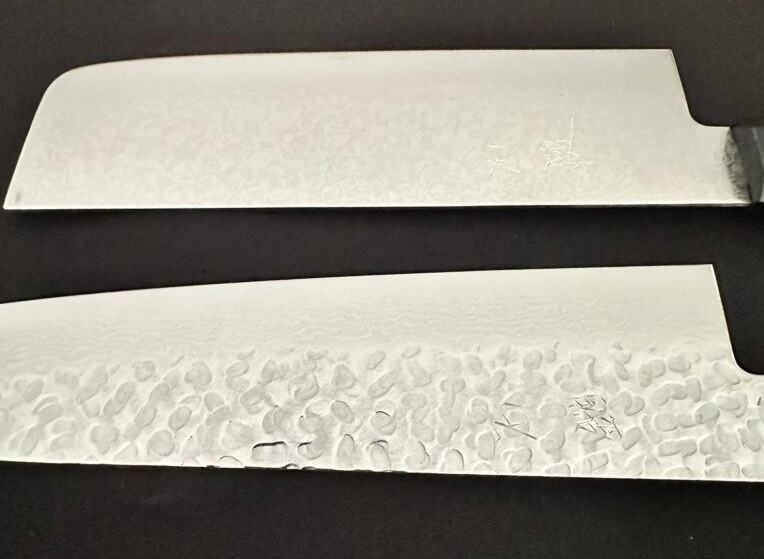
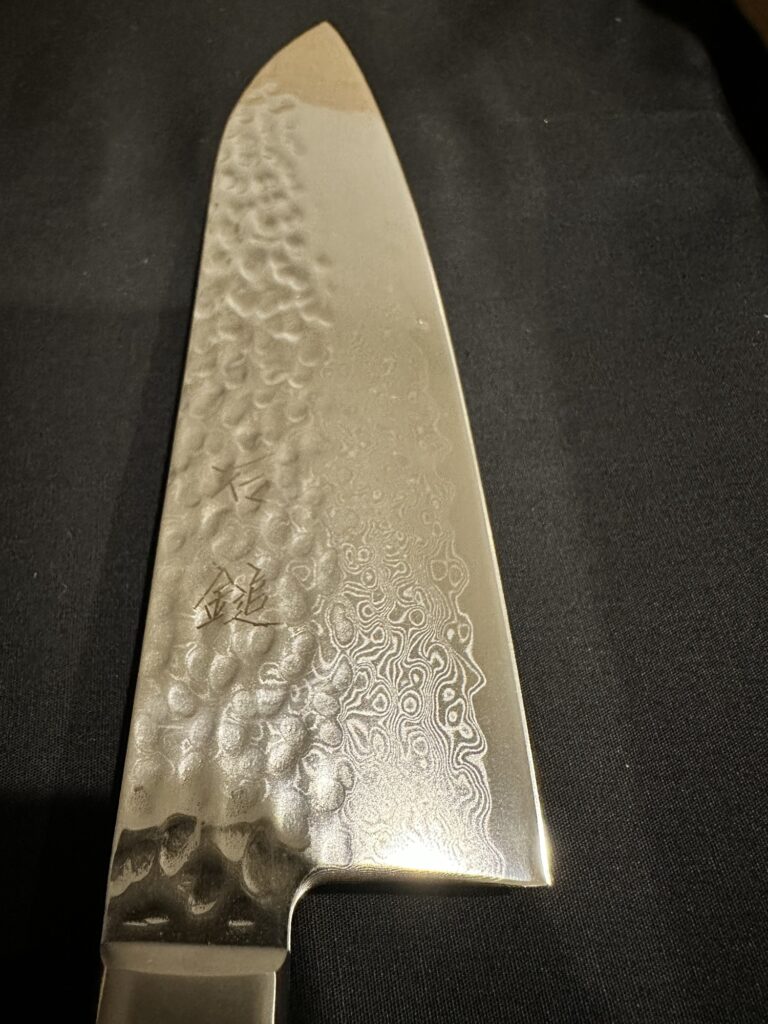
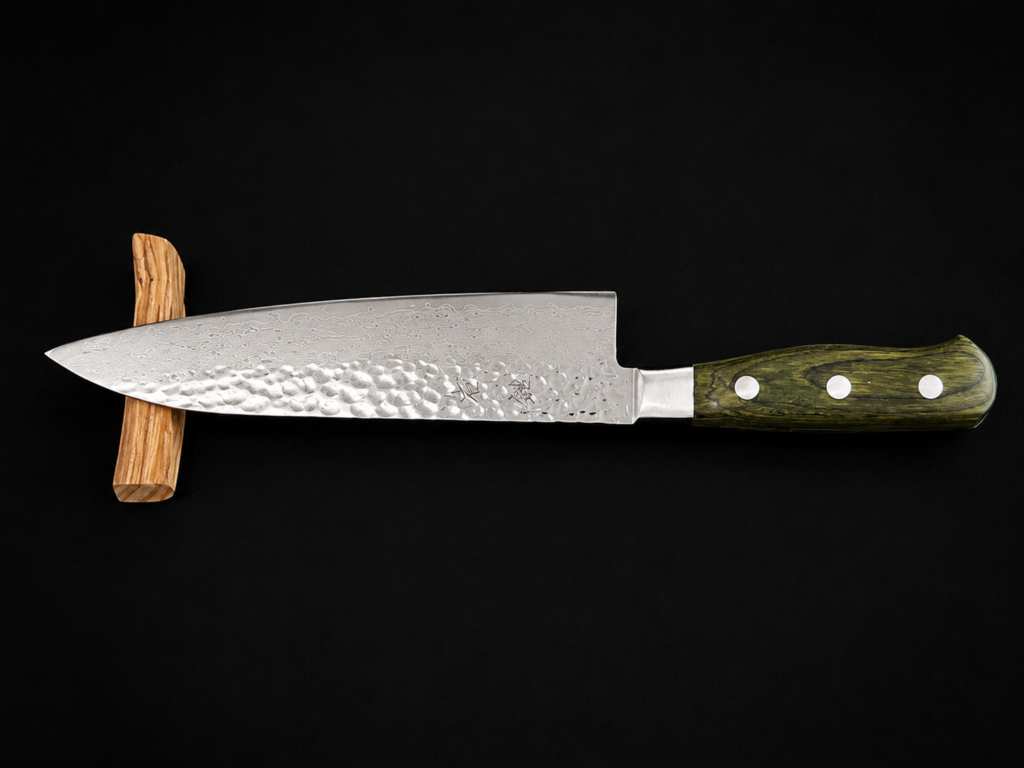
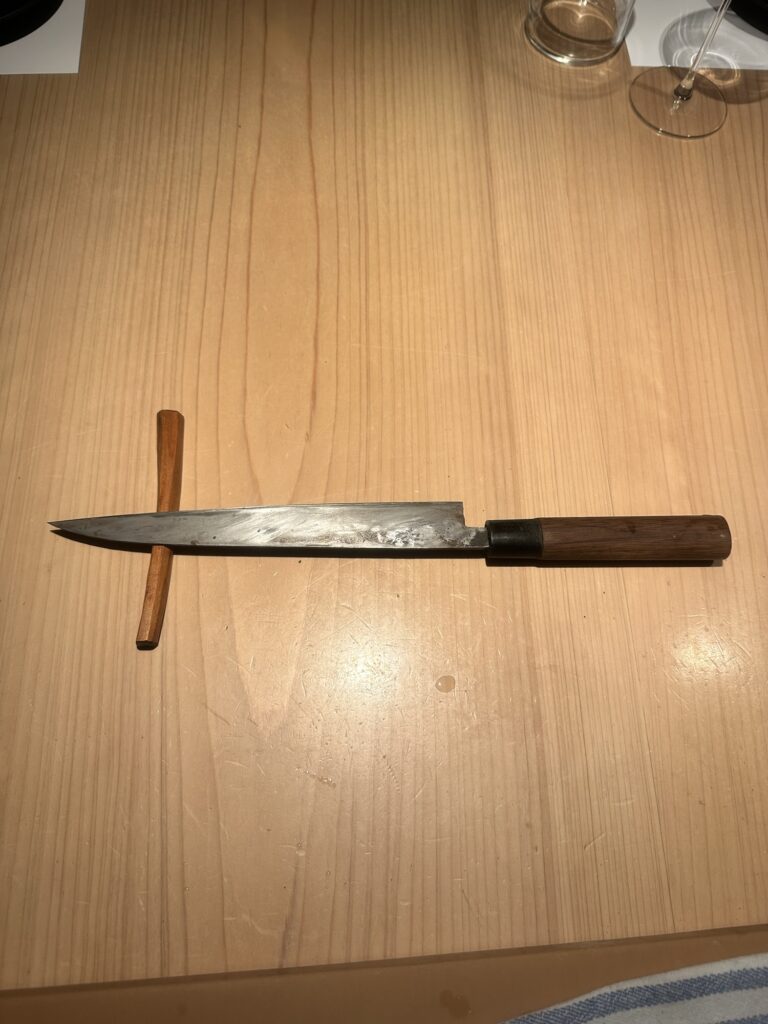
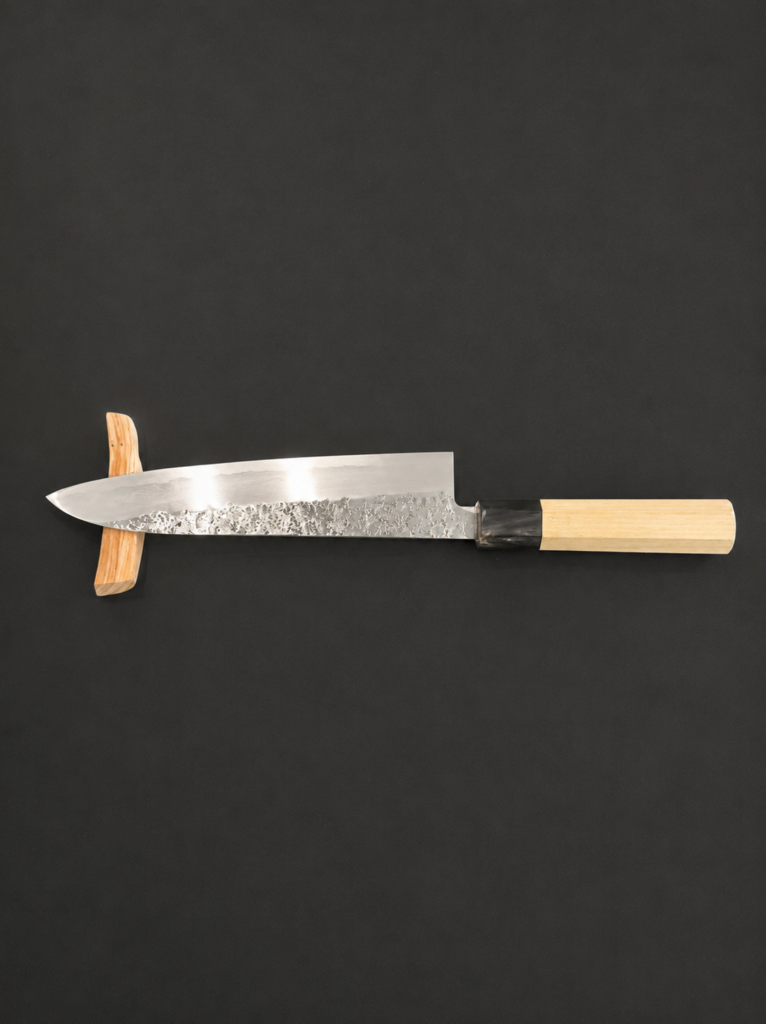
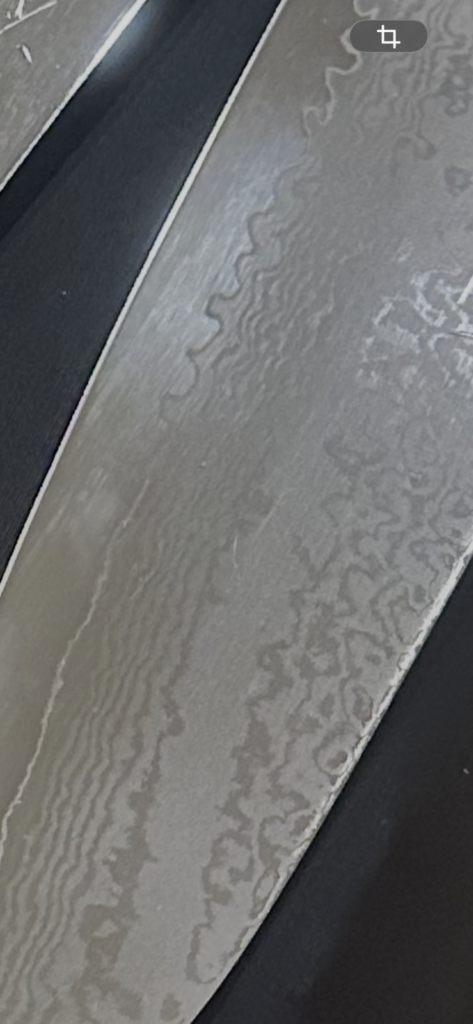
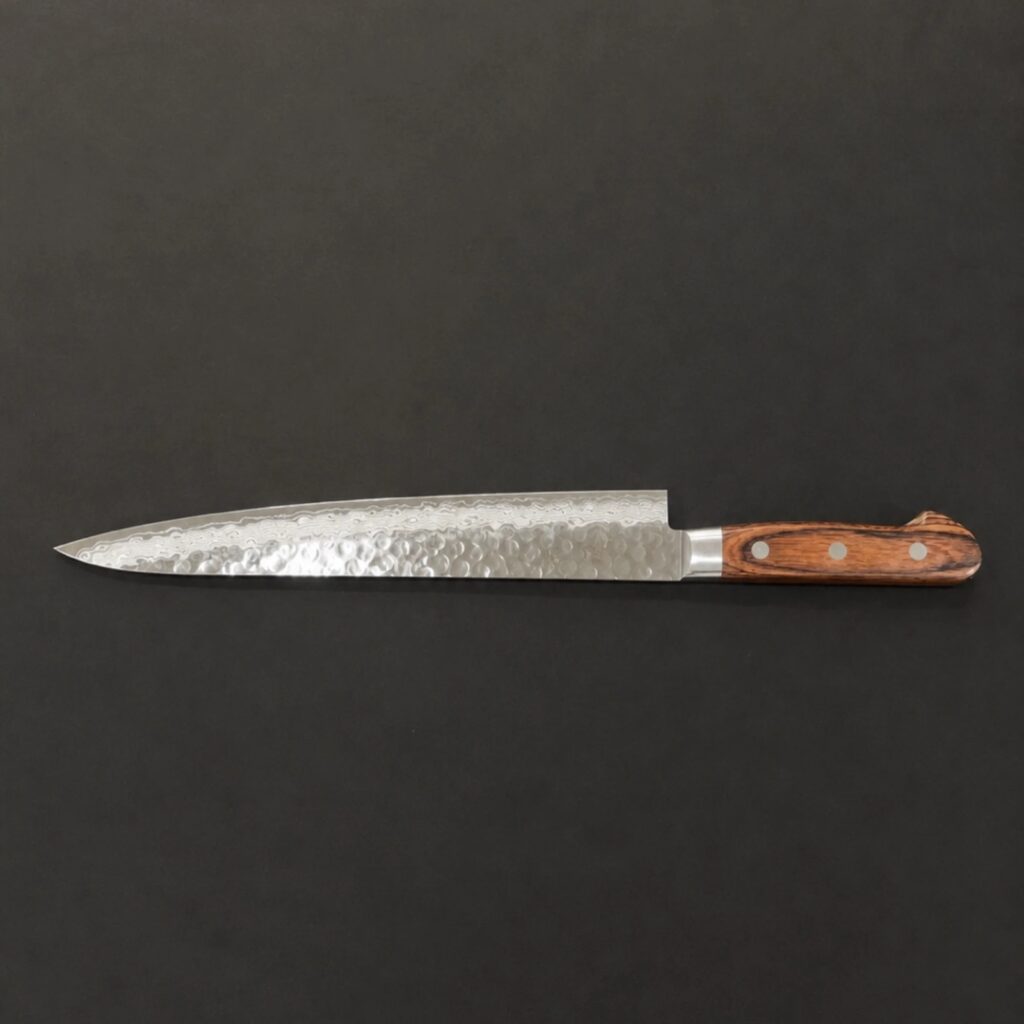
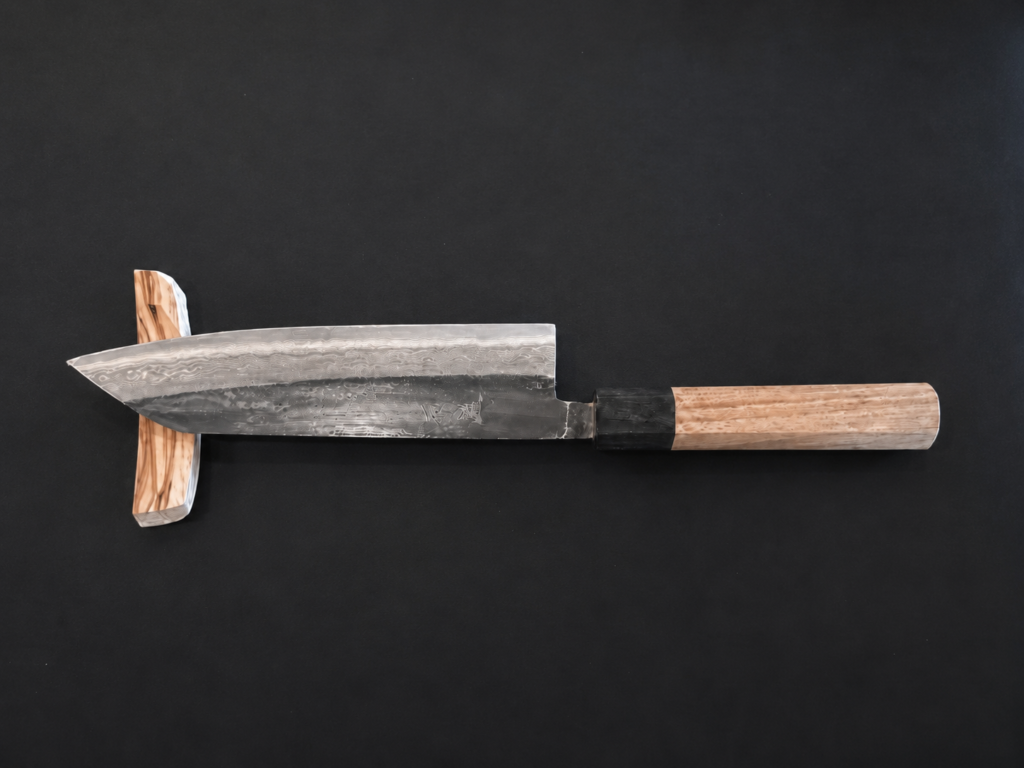
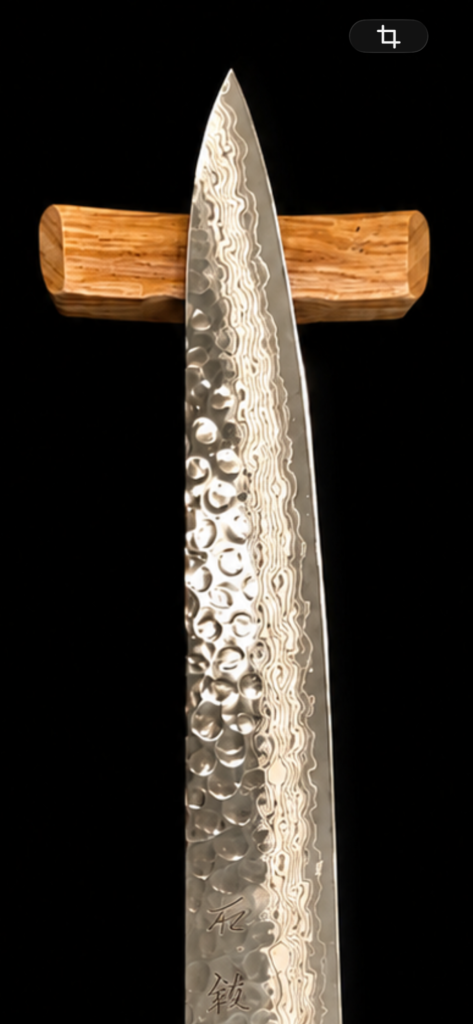
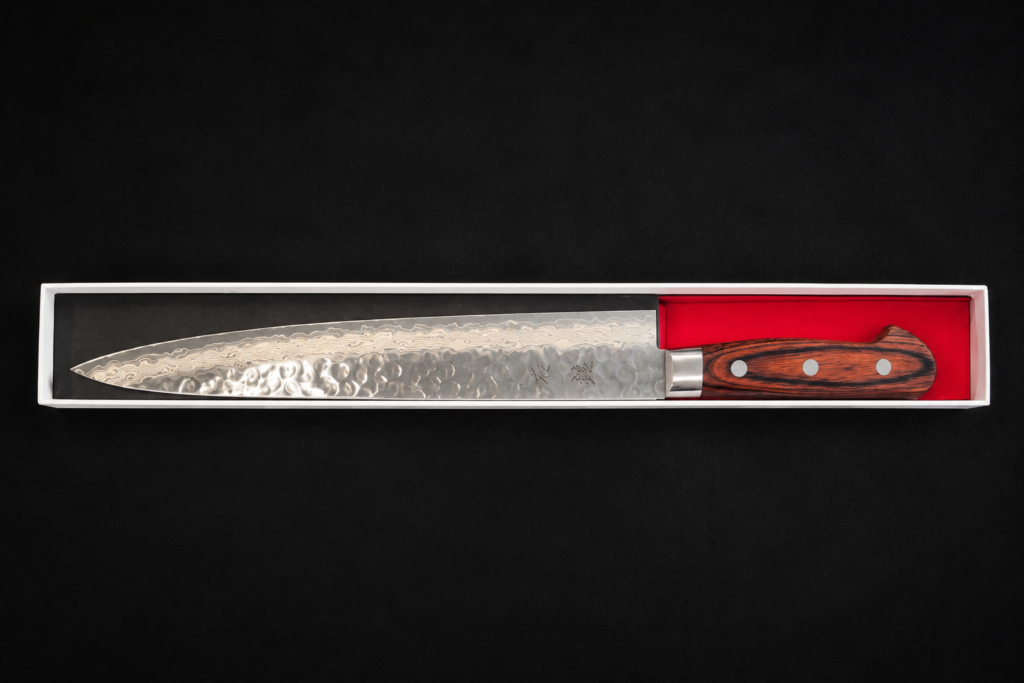
    240mm Sujihiki VG10 Hammered 17 Layer Damascus Mahogany

    When you buy a new Japanese knife, it is natural to assume that the sharpness you feel straight out of the box represents the very best that knife can offer.

    I used to think the same way.

    After more than 25 years working as a professional chef in Japan and Australia, I have handled many different Japanese knives. Yet one thing I have learned through actually using and sharpening them is surprisingly simple: a new Japanese knife does not always reveal its full potential on the first cut.

    Sometimes I have picked up a brand-new knife and felt a slight roughness at the edge. It was certainly sharp, but something about the cutting feel made me wonder whether there was more hidden inside the blade.

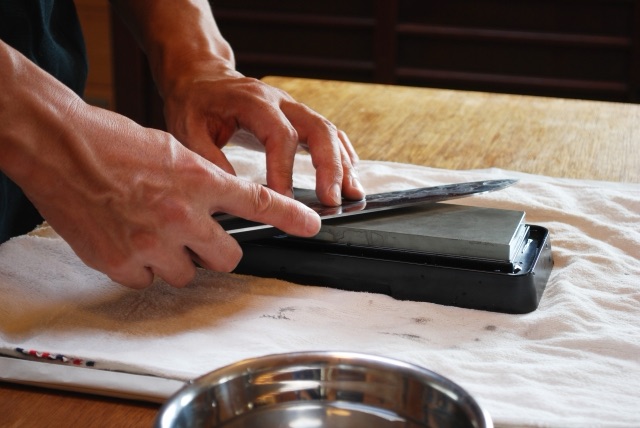
    Then I sharpened it myself.

    And it cut better.

    That experience changed the way I judge a new knife. Today, I do not necessarily see factory sharpness as the final destination. To me, it is simply the starting point.

    1. A New Japanese Knife Is the Beginning, Not the Finish
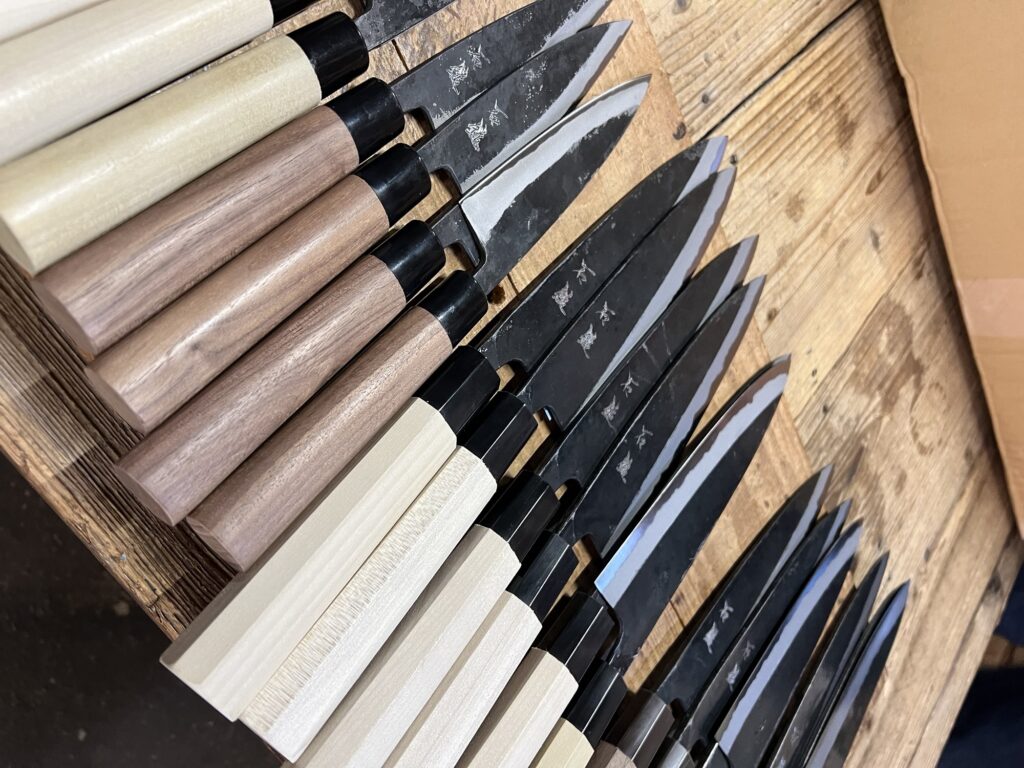
    Ishizuchi Kanamono Manufactory

    For a long time, I assumed something very straightforward: if a knife is brand new, surely this must be the sharpest it will ever be.

    It sounds logical.

    But after sharpening some of my own knives, I realised that this was not always true.

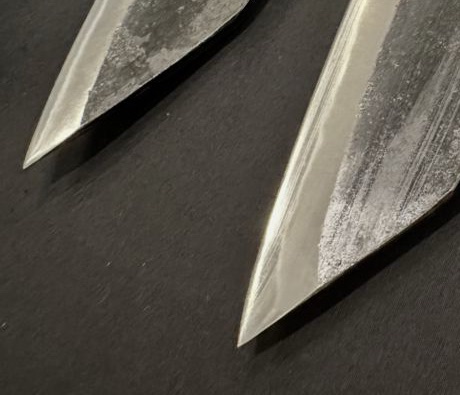
    A quality Japanese knife may already have excellent steel, geometry and craftsmanship, but the feeling at the edge can still change depending on how it is sharpened and maintained.

    This is one reason I believe it is difficult to judge the true character of a knife from its first few cuts alone.

    👉 INTERNAL LINK: Japanese Knife Bevels | Single Bevel vs Double Bevel Explained

    2. The First Cut Does Not Always Reveal Everything
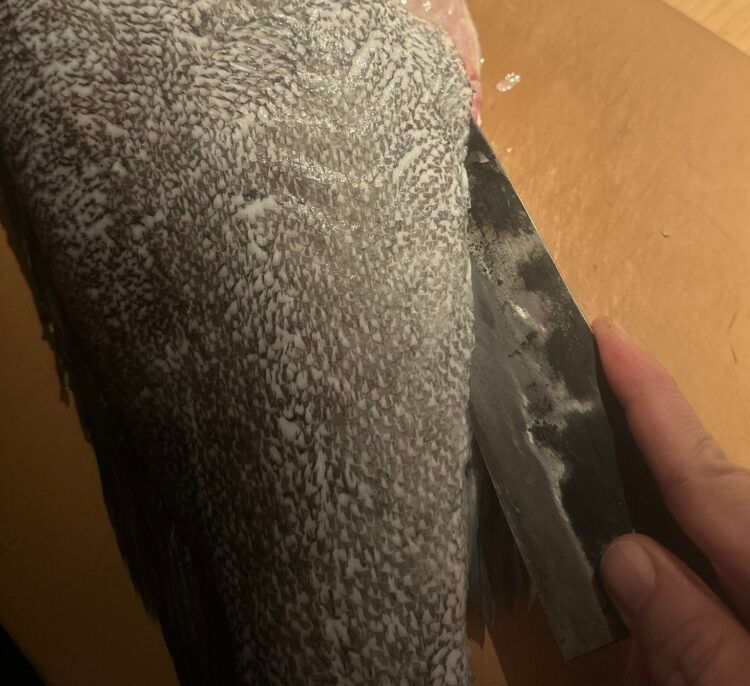
    Sharpness is not only about whether a knife can cut through something.

    As a chef, I notice how the edge enters the ingredient, how much resistance I feel and how smoothly the blade continues through the cut.

    Occasionally, with a new Japanese knife, I have noticed a slightly rough feeling at the edge. This does not automatically mean that the knife is bad or that there is something wrong with the steel.

    It simply tells me that I have not yet discovered everything that knife can do.

    This is also why I have always believed that Kireaji — the feeling of sharpness — is something you experience through your hands, not simply something that can be understood from specifications.

    👉 INTERNAL LINK: 切味 Kireaji | 7 Truths About What Sharp Really Feels Like

    3. Sharpening My New Japanese Knife Changed My Perspective
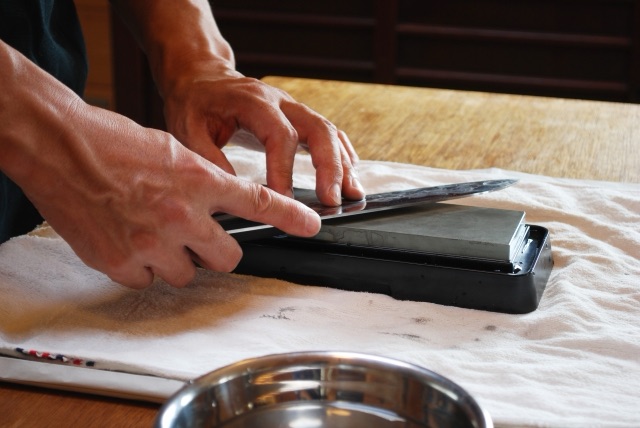
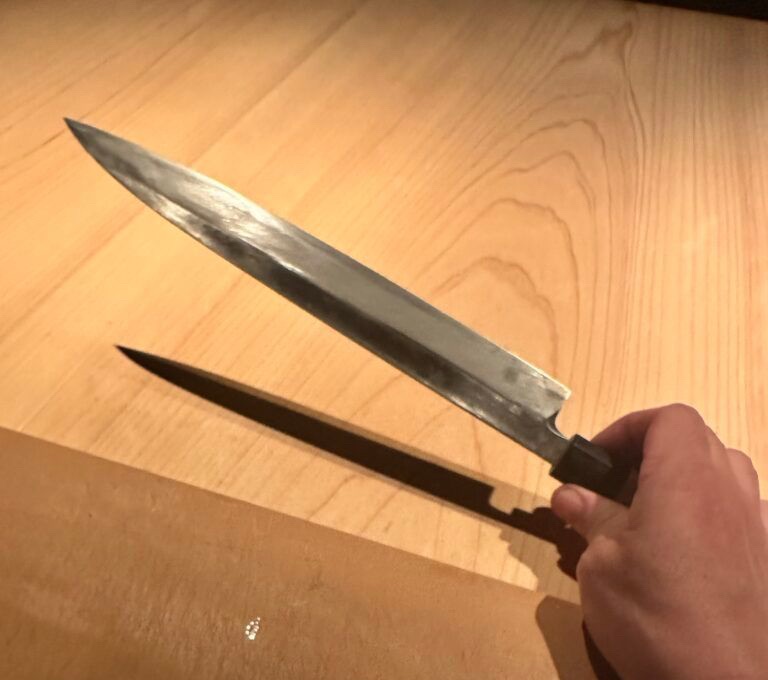
    The biggest lesson came when I sharpened a knife myself and realised that I could make it cut better than it did when it was new.

    That was an important moment for me.

    Until then, part of me had assumed that the manufacturer had already created the ultimate edge. If this was how it cut when new, then perhaps this was simply the maximum performance of that particular knife.

    But after sharpening it, the cutting feel improved.

    The knife had not changed.

    The steel had not changed.

    What changed was the edge.

    That made me realise that the sharpness of a new Japanese knife should not automatically be treated as a measurement of everything the knife is capable of.

    👉 INTERNAL LINK: Whetstone Flattening — Why a Flat Whetstone Matters

    4. The Steel Has Potential — The Edge Helps Reveal It
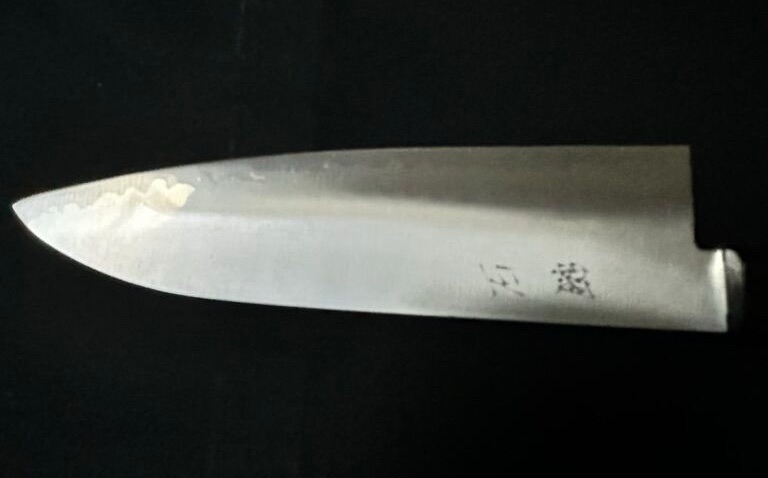

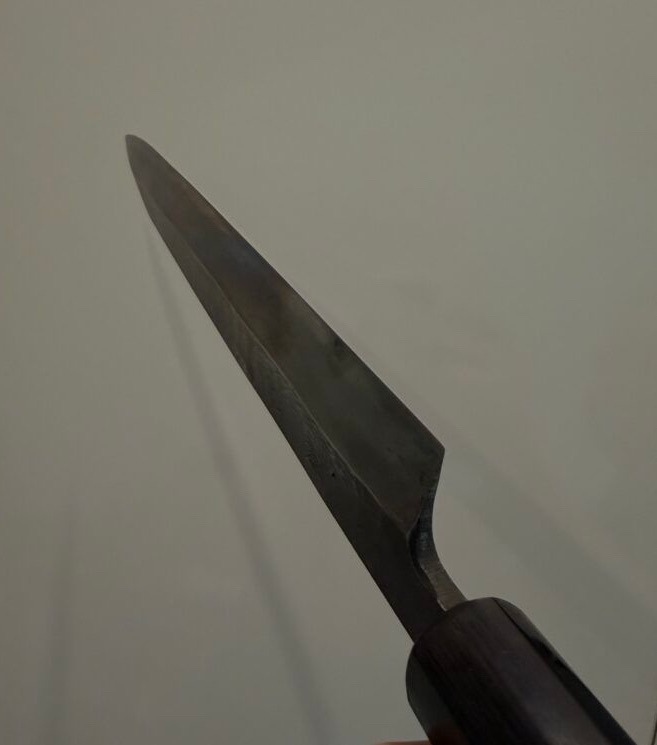
    180mm Santoku SG2 Rosewood Octagonal Hand

    This is where the Japanese word 真価 — Shinka feels appropriate to me.

    Shinka means something close to a thing’s true value or real worth. In this case, I think of it as discovering what a knife is genuinely capable of.

    I do not sharpen a knife simply because I want to say, “Now it is sharper.”

    For me, there is something more interesting about the process.

    A well-made knife already has potential inside it. Through sharpening, use and maintenance, I can gradually discover that potential for myself.

    Perhaps a slightly romantic way of saying it is this:

    A good knife already has the potential. Sharpening is how I help bring it out.

    That is how I have come to think about my own knives.

    5. Hardness Alone Cannot Tell Me How a Knife Will Feel
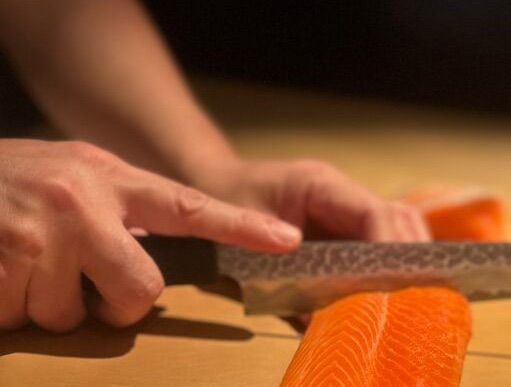
    Asaoya Yaichi

    When choosing a Japanese knife, it is easy to focus on specifications such as steel type and HRC hardness.

    Those things certainly matter.

    But a number on a product description cannot completely tell me how a knife will feel on the cutting board.

    I want to use it. I want to sharpen it. I want to understand how the edge responds and how the knife behaves during actual kitchen work.

    After years of working with knives, I have learned that specifications can tell me about a knife, but my hands ultimately tell me how I feel about it.

    👉 INTERNAL LINK: Hardness 硬度 | 7 Powerful Truths About Japanese Knife HRC

    6. Sharpening Also Makes a Knife More Personal
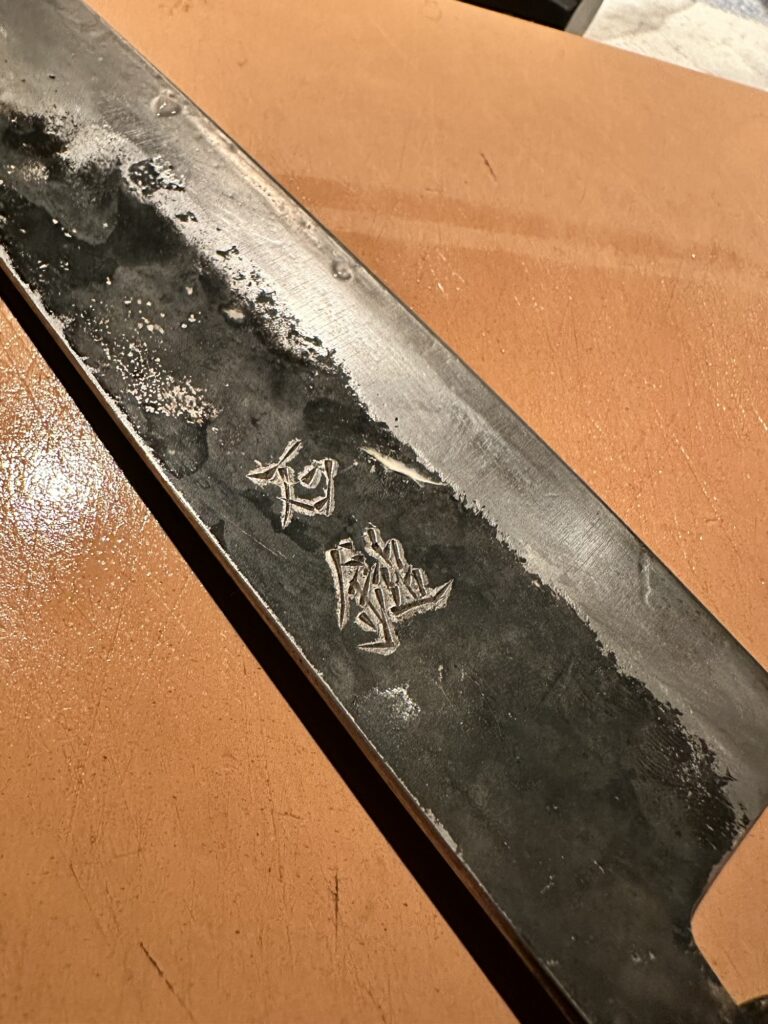
    There is another reason I enjoy sharpening my own knives.

    Over time, the knife becomes more familiar.

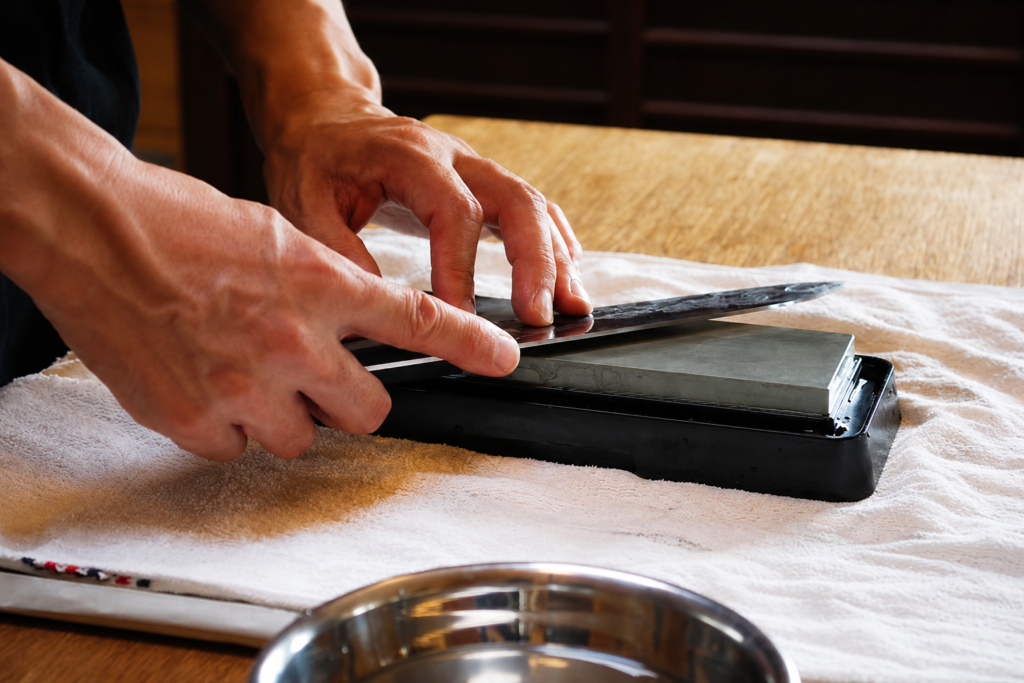
    You begin to understand how the steel responds to the stone, how easily the edge comes back and what kind of finish feels right for the work you do.

    For me, sharpening is therefore not simply maintenance.

    It is part of developing a relationship with the tool.

    This is especially important with handcrafted Japanese knives because I do not think of them as disposable kitchen products. A good knife can remain part of your kitchen for many years when it is properly used, sharpened and cared for.

    👉 INTERNAL LINK: The True Value of Japanese Knives | 7 Reasons

    7. Don’t Judge a New Japanese Knife Too Quickly
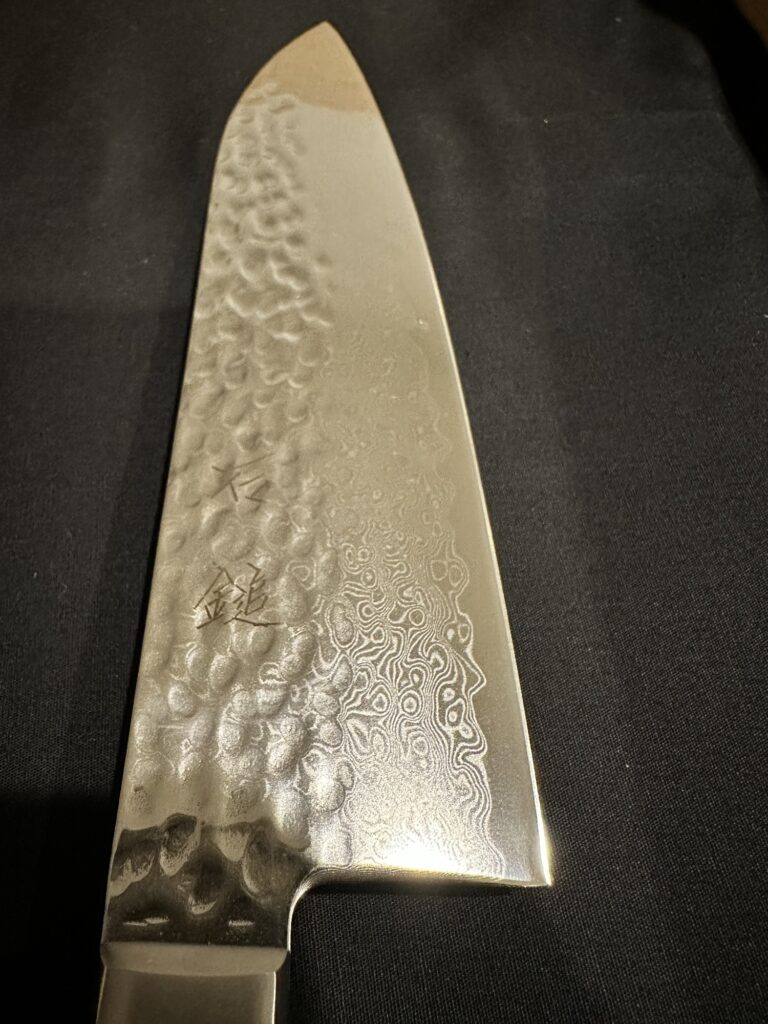

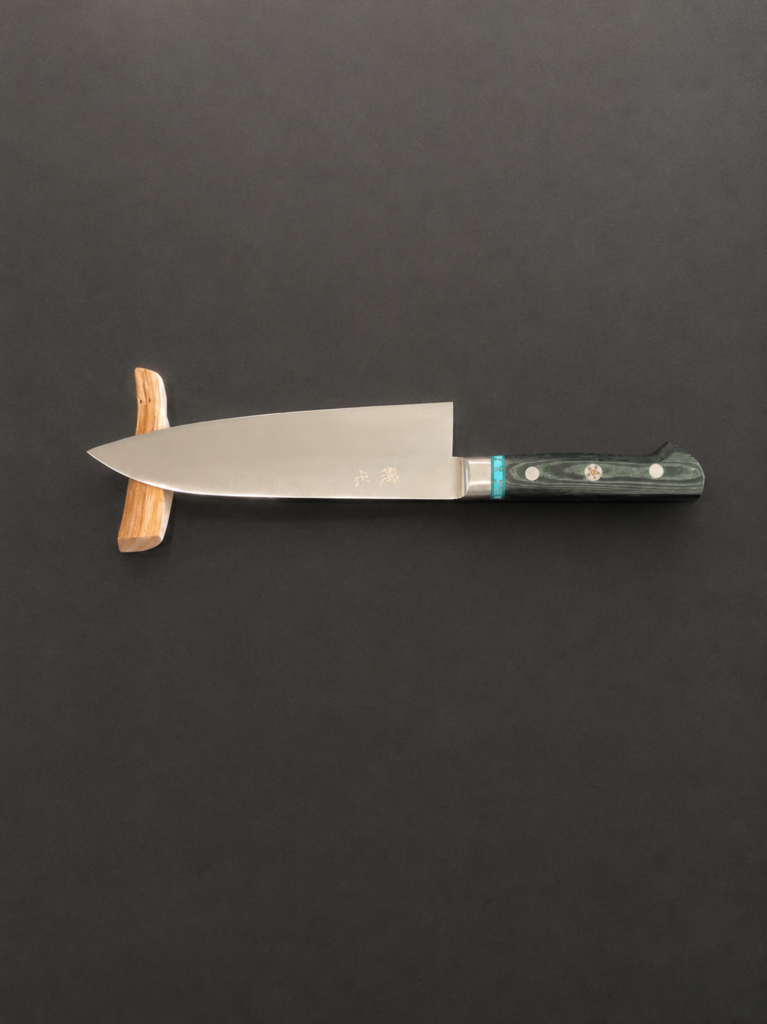
    180mm Santoku VG10 Polished Hammered 67 Layer Damascus Green Handle

    If there is one thing I would tell someone buying a new Japanese knife, it is this:

    Do not assume the first cut tells you everything.

    Of course, a new knife should cut well. But I would not immediately conclude that its factory edge represents the absolute limit of what the blade can achieve.

    Use it.

    Learn how it feels.

    And when the time comes, sharpen it properly.

    You may discover another level of performance that was already waiting inside the knife.

    That, to me, is 真価 — Shinka.

    After more than 25 years as a chef, I still enjoy discovering what a knife can really do. Sometimes the most satisfying moment is not taking a new knife out of the box.

    It is the moment after sharpening it, making that first cut again, and thinking:

    “Yes. This knife had more to give.”

    👉 Explore more:
    https://blog.asaoyayaichi.com.au

    👉 Visit our online store:
    https://asaoyayaichi.com.au

    Thank you for reading, and I hope to see you again in the next story.
  • 愛着 Aichaku | 7 Powerful Ways a Japanese Knife Becomes Truly Yours

    愛着 Aichaku | 7 Powerful Ways a Japanese Knife Becomes Truly Yours

    Ishizuchi Kanamono Manufactory

    A Japanese knife can become much more than just a tool.

    After more than 25 years working as a professional chef in Japan and Australia, I have used many knives. Some have been sharpened countless times. Some have developed scratches, sharpening marks, patina, and other signs of daily work.

    Over time, those imperfections can become part of what makes a knife feel personal.

    But recently, a chef I work with reminded me that there is another way to love a knife.

    He had bought a new knife and was genuinely disappointed when he noticed a small scratch on the blade. The scratch had absolutely no effect on its performance, but that wasn’t the point.

    He wanted to keep his knife beautiful.

    It made me think that perhaps there are two very different ways to develop Japanese Knife Attachment.

    One is to let a knife change through years of use.

    The other is to protect its beauty for as long as possible.

    And I think both are completely valid.

    1. Japanese Knife Attachment Can Grow Through Use

    For many professional chefs, a knife becomes personal simply by using it.

    You sharpen it. You learn its balance. You understand how much pressure it needs and how the blade reacts to different ingredients.

    Eventually, you pick it up without even thinking.

    Small scratches appear. The polish changes. Carbon steel may develop a patina. The handle slowly begins to show signs of years of work.

    For some knives, I actually enjoy watching this happen.

    Those marks aren’t necessarily damage. They can be evidence that the knife has spent years doing exactly what it was made to do.

    A working knife doesn’t always need to look new.

    👉 INTERNAL LINK: Ancient Patina 古色 | 7 Powerful Truths About Japanese Knife Patina That Even Surprised Me

    Sometimes it looks better because it doesn’t.

    2. A Small Scratch Can Mean Something Completely Different

    His Knive

    The chef I mentioned earlier showed me the opposite perspective.

    His knife still performed exactly the same after the scratch appeared, but emotionally, something had changed.

    He had bought something he considered beautiful, and he wanted to preserve that beauty.

    I understand that.

    Japanese knives aren’t only cutting tools. They can represent craftsmanship, tradition, design, and personal taste.

    A polished blade, unusual handle, Damascus pattern, kurouchi finish, or beautiful forging can be the reason someone falls in love with a particular knife.

    Telling that person, “It’s just a tool,” misses the point.

    There are knives we want to use hard.

    And there are knives we want to protect.

    3. Patina and Scratches Aren’t the Only Way to Build Character

    Patina and Scratches

    There is a romantic idea that a Japanese knife should become scratched, sharpened, and covered with the signs of years of use.

    I like that kind of knife.

    But it doesn’t mean every knife needs to age that way.

    A carbon steel knife that develops a beautiful patina can be wonderful. A knife that remains incredibly clean and polished after years of careful ownership can also be beautiful.

    Both require attention.

    One owner may enjoy watching the steel slowly change.

    Another may carefully polish and maintain the blade to prevent unnecessary scratches.

    The results may look completely different, but both owners are building a relationship with their knives.

    That, to me, is part of Japanese Knife Attachment.

    4. Your Hand Learns the Knife Too

    Appearance is only one part of the relationship.

    After using the same knife repeatedly, you begin to understand things that specifications alone can’t explain.

    You know how the handle sits in your hand. You understand its balance point. You know how the blade moves through fish, meat, and vegetables.

    👉 INTERNAL LINK: Japanese Knife Handles | 7 Powerful Reasons the Right Handle Matters

    You may also notice that two knives that appear similar on paper can feel completely different when cutting.

    Steel, hardness, geometry, sharpening, weight, and balance all contribute to that feeling, but the person holding the knife matters too.

    👉 INTERNAL LINK: 切味 Kireaji | 7 Surprising Truths About What Makes a Japanese Knife Feel Sharp

    Eventually, your hand learns the knife almost as much as you learn how to use it.

    That familiarity takes time.

    5. Sharpening Slowly Makes the Knife Your Own

    Sharpening is another important part of this process.

    Every time you sharpen a knife, you make a tiny change to the blade.

    After years of sharpening, a professional chef’s knife may look very different from the same model when it was new.

    Personally, I like that with my working knives.

    The blade carries the history of cooking, sharpening, maintenance, mistakes, corrections, and experience.

    Keeping your sharpening stones flat is also part of maintaining that relationship with your knife.

    👉 INTERNAL LINK: Why Flattening Your Whetstone Matters

    A well-used knife develops a history.

    And that history belongs to the person who used it.

    6. Some Knives Are Tools — Others Are Showpieces


    Ginsan Nashiji Forged Magnolia Octagonal Handle Buffalo Horn

    This distinction has become more interesting to me recently.

    There are knives I want to use without worrying too much about cosmetic changes.

    They are working knives.

    Their purpose is performance. If normal use creates scratches, sharpening marks, or patina, I can accept that.

    But there are other knives that make you stop and look at them.

    Beautiful polishing. An unusual handle. Damascus patterns. Traditional finishes. Exceptional craftsmanship.

    Those knives can create a completely different feeling.

    A handmade Japanese knife can also become more personal because no two handcrafted knives are ever perfectly identical.

    👉 INTERNAL LINK: The True Value of Japanese Knives | 7 Reasons They Are Worth the Investment

    Perhaps that is why some knives eventually become difficult to replace, even when newer or more expensive knives are available.

    7. My Next Japanese Knife May Be an Experiment


    Knife Collection

    If I buy another knife specifically as a showpiece, I want to try something I haven’t really done before.

    I want to see how carefully I can preserve it.

    Not by putting it in a box and never using it.

    I still want to use it.

    But I would pay much more attention to how I clean it, dry it, sharpen it, store it, and protect the blade from unnecessary scratches.

    Instead of allowing time to naturally transform the knife, I would see how much of its original beauty I could preserve.

    In a way, that would still be “raising” the knife.

    Just differently.

    Maybe after five or ten years, it would tell a completely different story from the working knives I have used throughout my career.

    I think both stories would be worth telling.

    There Is No Single Right Way to Love a Japanese Knife

    Two people can own similar Japanese knives and develop completely different relationships with them.

    One may proudly accept the scratches, sharpening marks, patina, and years of professional use.

    Another may carefully protect the polish and feel disappointed by even the smallest scratch.

    Neither is wrong.

    A Japanese knife doesn’t become personal simply because it gets old.

    It becomes personal because of the time, care, work, and attention you give it.

    For some people, beauty comes from allowing a knife to change.

    For others, beauty comes from trying to preserve it.

    Maybe Aichaku — 愛着 is found somewhere between the two.

    And perhaps the most special Japanese knife isn’t always the newest or most expensive one.

    It’s the one you wouldn’t want to replace.

    ➖➖➖➖➖➖

    🇯🇵 Authentic handcrafted Tosa Japanese knives, sourced directly from Japan.

    I work directly with Ishizuchi Kanamono Seisakusho to bring genuine handcrafted Tosa knives to Australia.

    With over 25 years as a professional chef in Japan and Australia, I only offer knives that I genuinely trust and use.

    ➖➖➖➖➖➖

    What you’ll find here:

    ✔ Authentic handcrafted Tosa knives
    ✔ Behind-the-scenes from Japanese blacksmiths
    ✔ Knife care & sharpening tips
    ✔ Japanese knife education for beginners
    ✔ Real experiences from a chef who uses knives every day

    Every knife has a story.
    Every handle is unique.
    Every blade is made to be used—not just admired.

    Whether you’re a home cook, a professional chef, or simply appreciate Japanese craftsmanship, I hope you’ll discover something that inspires you.

    ➖➖➖➖➖➖

    🌏 Australia-wide shipping
    🔗 Shop authentic Tosa knives:
    www.asaoyayaichi.com.au

    📩 Feel free to DM me if you have any questions or need help choosing the right knife.

    ➖➖➖➖➖➖

    Explore the full article on our blog:

    👉 https://blog.asaoyayaichi.com.au

    Discover our handcrafted Japanese knives:

    👉 https://asaoyayaichi.com.au

  • 刃 Japanese Knife Bevels | Single Bevel vs Double Bevel Explained

    刃 Japanese Knife Bevels | Single Bevel vs Double Bevel Explained

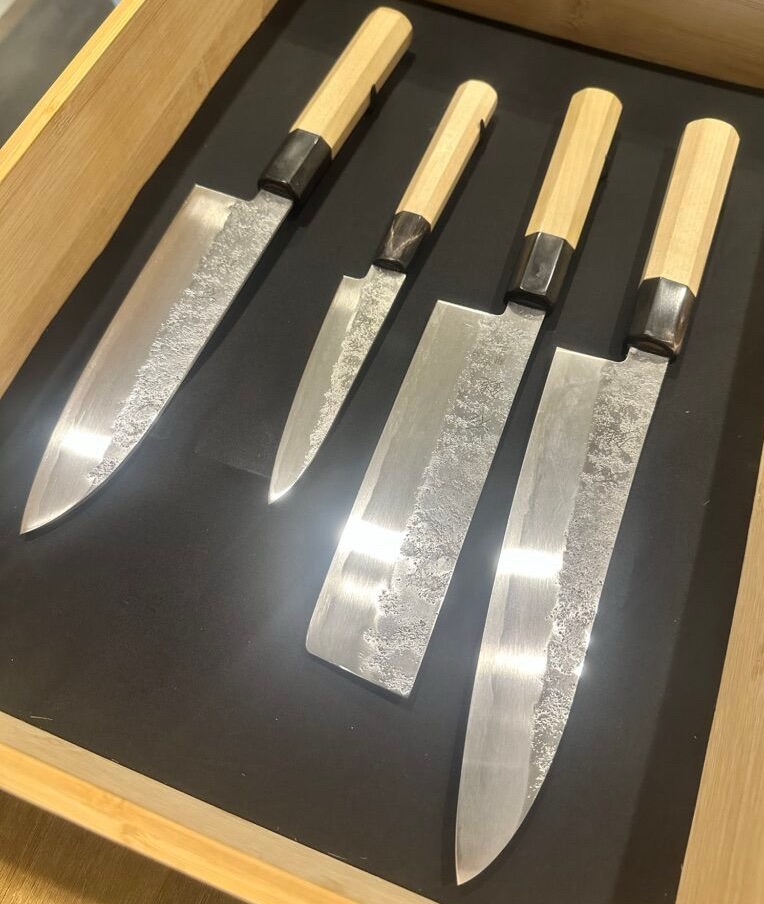
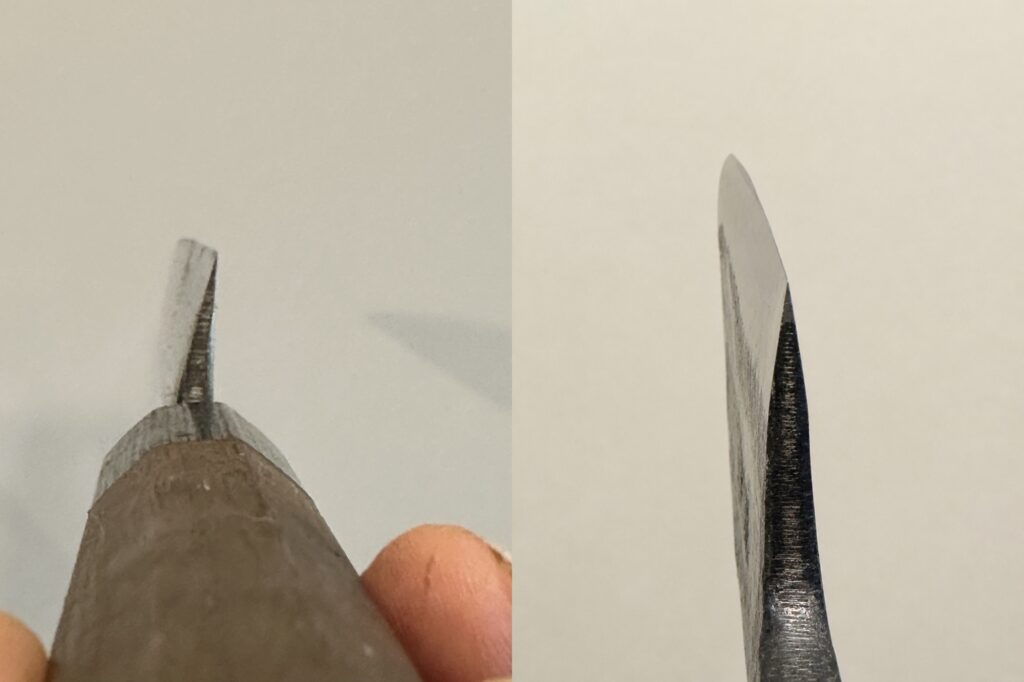
    Single bevel Double bevel

    Choosing a Japanese knife can feel overwhelming, especially when you first encounter the debate between Single Bevel vs Double Bevel. Understanding Single Bevel vs Double Bevel is one of the most important steps when selecting a knife that matches your cooking style.

    After working as a professional chef for more than 25 years, I’ve learned that the best knife isn’t simply determined by whether it is single bevel or double bevel. Steel, balance, craftsmanship, and comfort all matter. However, understanding Single Bevel vs Double Bevel will help you make a much more informed decision before investing in a quality Japanese knife.


    What Is Single Bevel vs Double Bevel?

    Single Bevel

    The phrase Single Bevel vs Double Bevel simply refers to how the cutting edge of a knife is ground.

    A single bevel knife has an edge ground on only one side of the blade. The opposite side is mostly flat and usually contains a slight concave surface called an ura. This traditional design is common on knives made specifically for Japanese cuisine.

    double bevel

    A double bevel knife has cutting edges on both sides of the blade. Even if one side is sharpened slightly more than the other, it is still classified as a double bevel knife.

    Understanding this basic difference makes it much easier to choose the right knife for your kitchen.


    Why Single Bevel vs Double Bevel Matters


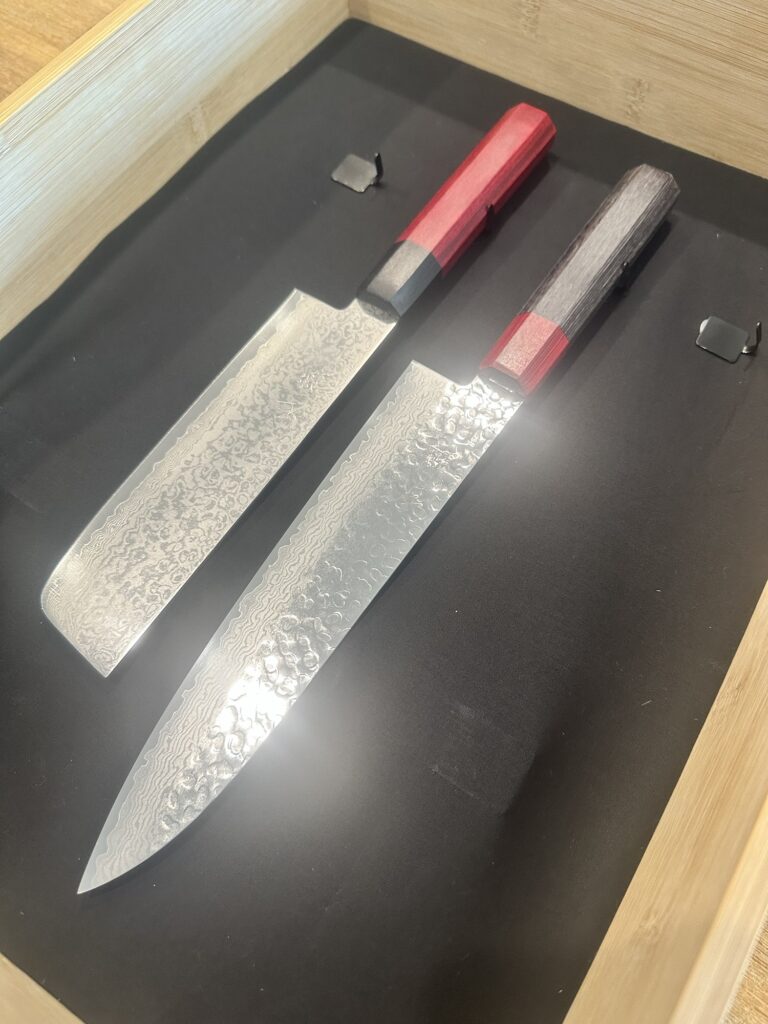
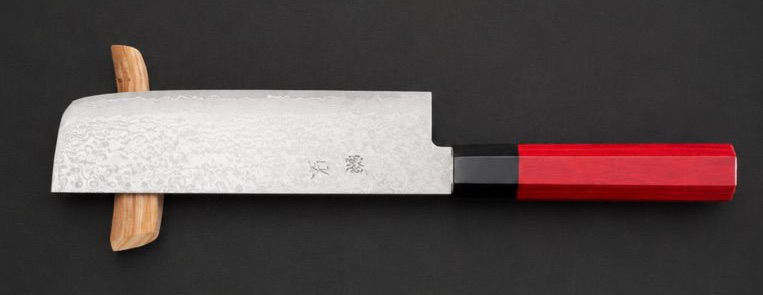
    165mm Usuba A8 Hammered Damascus Black & Red Octagonal Handle

    Many first-time buyers believe that every Japanese knife is single bevel.

    In reality, that’s not true.

    Traditional knives such as Yanagiba, Deba, and Usuba are commonly made as single bevel knives, while modern Japanese kitchen knives such as Gyuto, Santoku, and most Sujihiki are generally double bevel.

    Each style has been developed for different purposes rather than one being “better” than the other.


    Single Bevel vs Double Bevel for Traditional Japanese Knives

    Yanagiba

    Single bevel knives are designed for precision.

    Typical examples include:

    • Yanagiba
    • Deba
    • Usuba

    These knives allow incredibly clean cuts when preparing sashimi, sushi, and traditional Japanese vegetable techniques.

    Because the edge is designed specifically for either right-handed or left-handed users, choosing the correct version is important.

    For chefs specialising in Japanese cuisine, single bevel knives remain an essential tool.


    Single Bevel vs Double Bevel for Everyday Cooking

    Double bevel knives are much more versatile.

    Popular examples include:

    • Gyuto
    • Santoku
    • Petty
    • Most Sujihiki
    • Most Nakiri

    These knives are suitable for meat, fish, vegetables, and everyday food preparation.

    Whether you’re a professional chef or a home cook, double bevel knives are generally easier to use and maintain.


    Single Bevel vs Double Bevel Comparison

    When comparing Single Bevel vs Double Bevel, there is no universal winner. Both designs have their own strengths, and the right choice depends on how you plan to use your knife.

    A single bevel knife is designed for maximum precision. It excels at traditional Japanese techniques such as slicing sashimi and creating clean, accurate cuts. However, it requires more skill to master and is usually made specifically for either right-handed or left-handed users.

    A double bevel knife offers outstanding versatility. It is easier for most people to use, works well for a wide variety of ingredients, and is generally the best choice for everyday cooking. This is why knives such as the Gyuto and Santoku have become so popular among both professional chefs and home cooks.

    Rather than asking which is better, it’s more useful to ask which knife best suits your cooking style. A well-made Japanese knife, whether single bevel or double bevel, can provide exceptional performance when matched to the right task.


    My Experience with Single Bevel vs Double Bevel


    Kiritsuke Thick Deba Aogami #2 Kurouchi Double Bevel Walnut Octagonal Handle

    After more than 25 years as a chef, I honestly never spent much time thinking about whether the knife in my hand was single bevel or double bevel.

    What mattered most was how confidently it performed during service.

    I still remember buying my first Gyuto in Tokyo’s famous Kappabashi kitchen district. The knife shop recommended a double bevel Gyuto without hesitation, and it became a knife I trusted for years.

    One thing I do understand is how important handedness becomes with traditional single bevel knives. If I imagine using a left-handed single bevel knife in my right hand, it would feel awkward and unnatural.

    Interestingly, we also offer a double bevel thick Deba at Asaoya Yaichi. While many people associate Deba knives exclusively with single bevel construction, double bevel versions offer excellent versatility while retaining the strength needed for fish preparation.

    This is a great reminder that Japanese knife making continues to evolve while respecting centuries of craftsmanship.


    Which Is Better: Single Bevel vs Double Bevel?

    Choose a single bevel knife if you:

    • Frequently prepare sashimi or sushi.
    • Want maximum precision.
    • Enjoy traditional Japanese sharpening techniques.
    • Prefer authentic Japanese culinary methods

    Choose a double bevel knife if you:

    • Are buying your first Japanese knife.
    • Cook a wide variety of ingredients.
    • Want easier sharpening and maintenance.
    • Share your knives with family members.

    For most people, a quality Gyuto or Santoku is the perfect introduction to Japanese knives.


    Final Thoughts on Single Bevel vs Double Bevel

    The discussion around Single Bevel vs Double Bevel is not about deciding which knife is superior.

    Instead, it’s about understanding which design best suits your cooking.

    Traditional single bevel knives continue to represent the highest level of Japanese craftsmanship for specialised techniques, while double bevel knives provide exceptional versatility for daily use.

    From my experience after more than 25 years as a chef, I’ve learned that bevel design is only one part of choosing the right knife. Steel quality, heat treatment, balance, handle comfort, and craftsmanship are equally important.

    A well-made Japanese knife should feel like a natural extension of your hand, regardless of whether it is single bevel or double bevel.


    ➡️ Internal Link: Beginner’s Guide to Japanese Kitchen Knives

    ➡️ Internal Link: Japanese Knife Handles | 7 Powerful Reasons the Right Handle Matters

    ➡️ Internal Link: Professional Choice | Why I Still Use Carbon Steel for Sashimi After 25 Years

    ➡️ Internal Link: Handmade Japanese Knives | 7 Fascinating Reasons No Two Are Ever Exactly the Same

    ➡️ Internal Link: The True Value of Japanese Knives | 7 Reasons They Are Worth the Investment


    👉 Explore more:
    https://blog.asaoyayaichi.com.au

    👉 Visit our online store:
    https://asaoyayaichi.com.au

    Thank you for reading, and I hope to see you again in the next story.
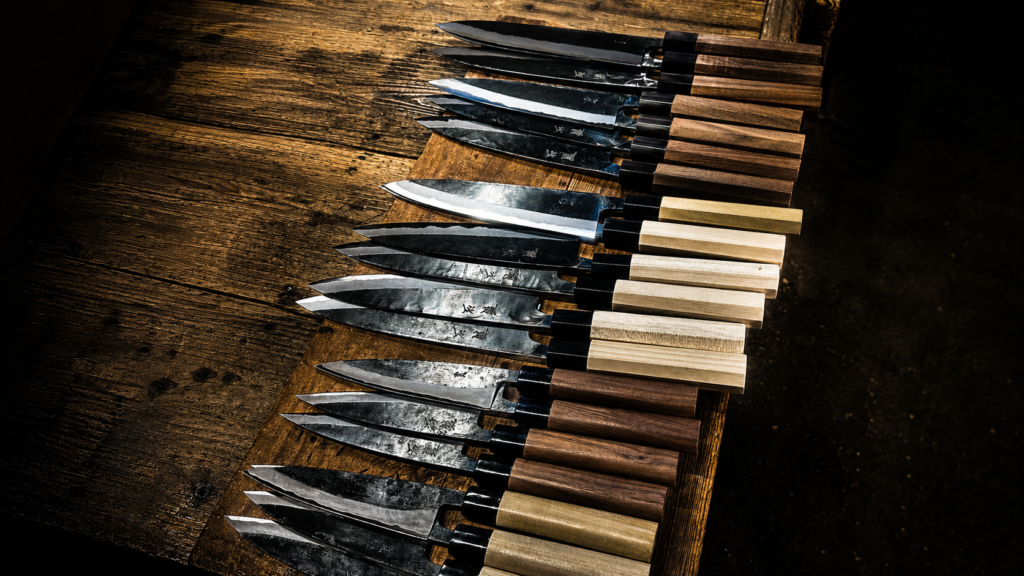
  • 祭 Matsuri | 100kg of Bluefin Tuna and the Hidden Reality Behind the James St Festival

    祭 Matsuri | 100kg of Bluefin Tuna and the Hidden Reality Behind the James St Festival

    James St Festival

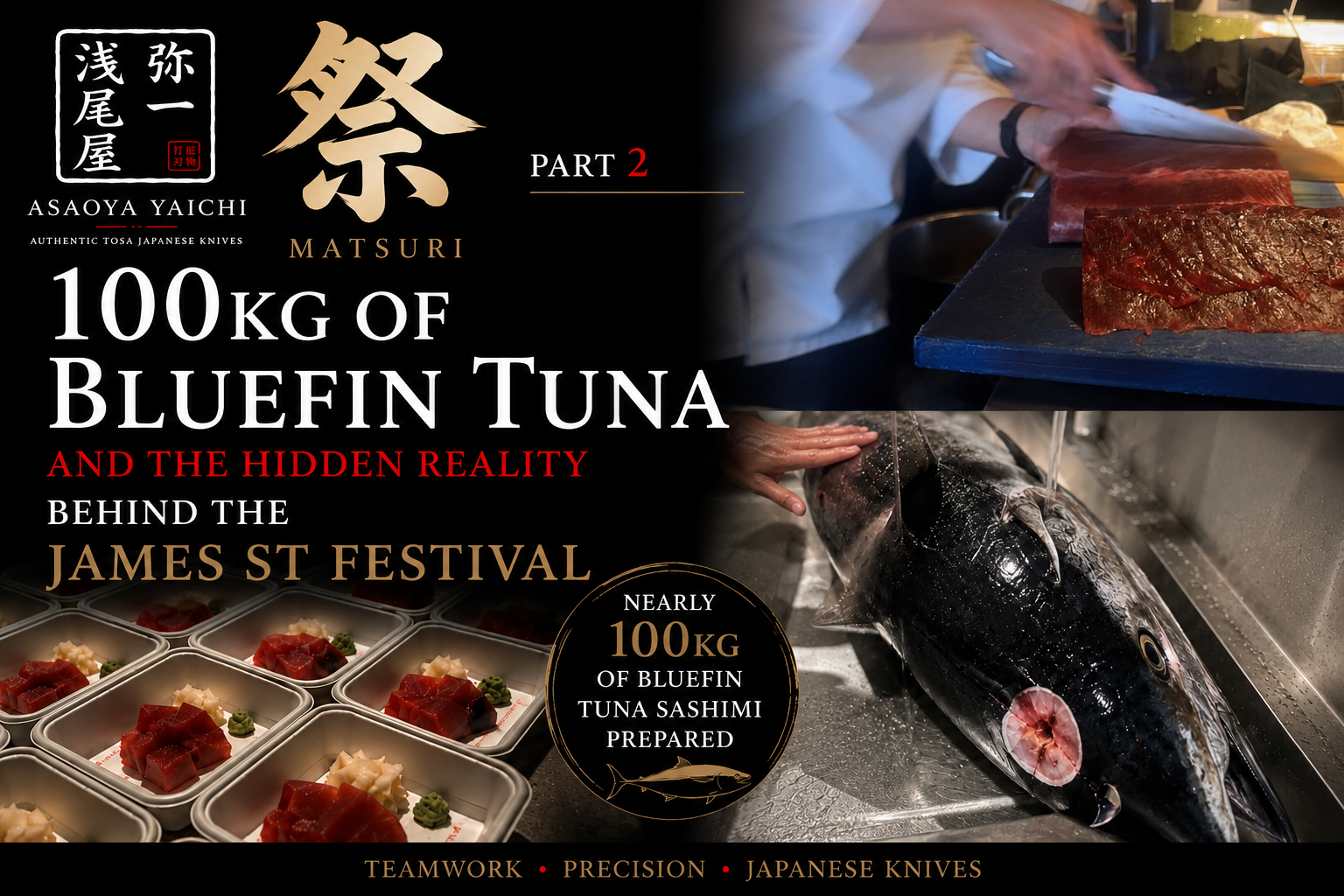
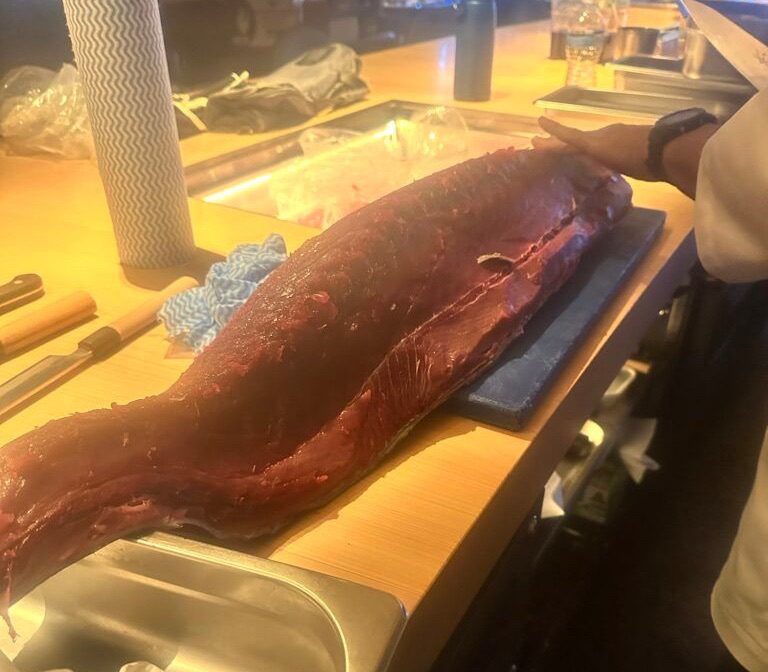
    James St Festival Part 2 continues my behind-the-scenes journey through one of Brisbane’s biggest food festivals. After the tuna cutting show ends, the real work begins as nearly 100kg of bluefin tuna sashimi is prepared using handcrafted Japanese knives.

    When people visit the James St Festival, they remember the atmosphere, the incredible food, and the famous tuna cutting show.

    As a sushi chef working behind the scenes, my memories are very different.

    For me, the real challenge began the moment the applause ended.

    This is Part 2 of my behind-the-scenes journey through one of Brisbane’s biggest food festivals—a day filled with preparation, teamwork, and the Japanese knives I rely on every day.


    James St Festival Tuna Cutting Show Begins

    Blue fin Tuna is

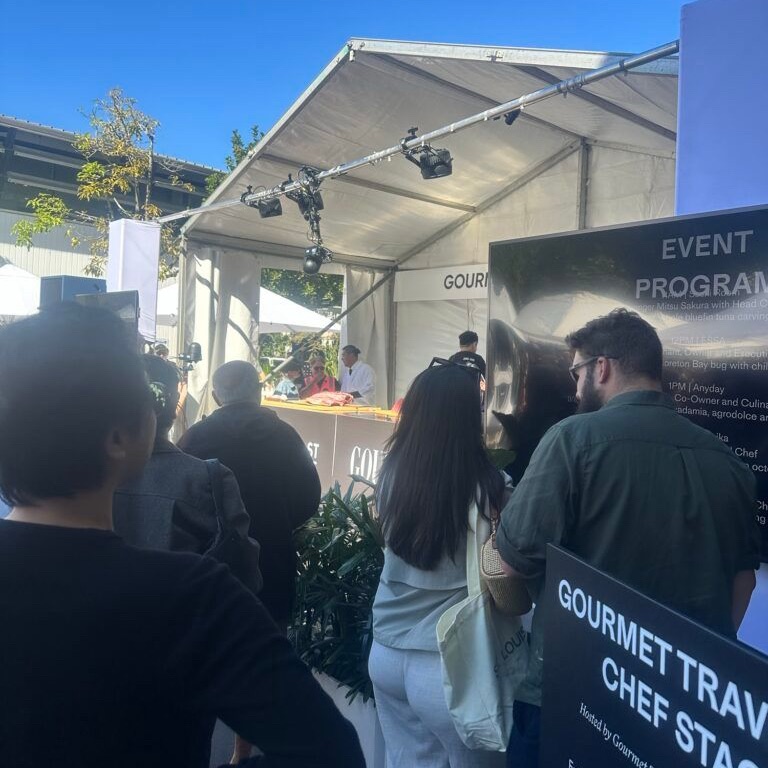
    By late morning, hundreds of visitors had gathered around the stage for one of the festival’s biggest attractions—the bluefin tuna cutting show.

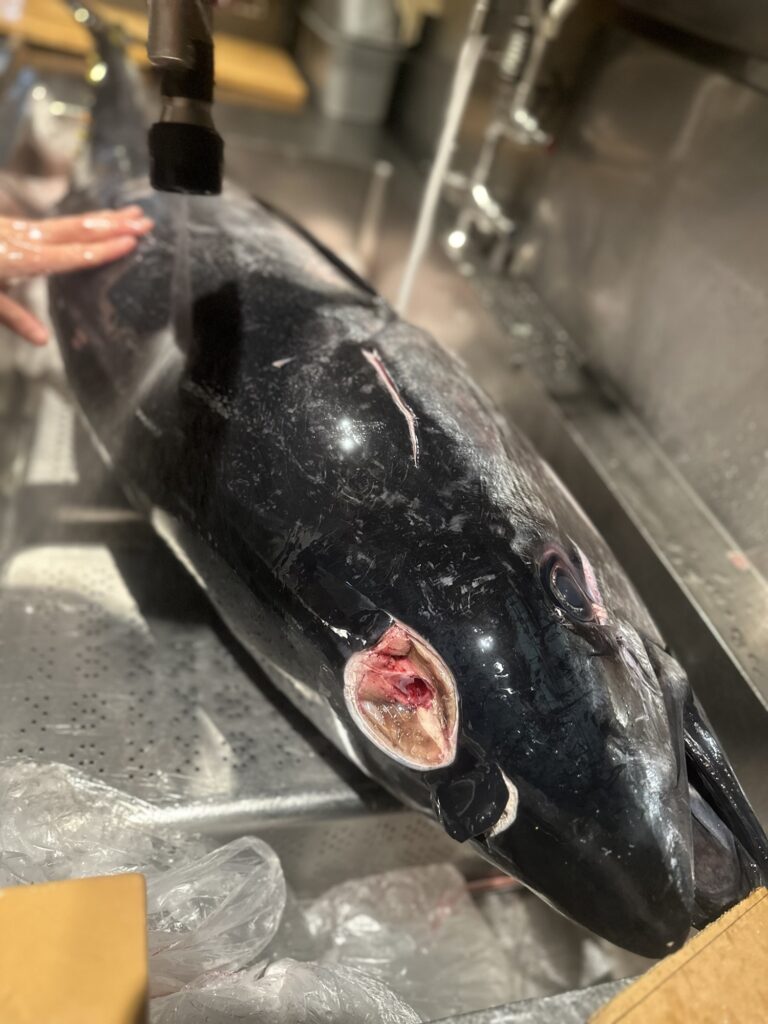
    Two enormous whole bluefin tuna were carefully carried onto the stage. Each fish was so heavy that it took four people to lift it safely.

    Seeing the crowd’s excitement was incredible. For many people, it was probably the first time they had ever seen a whole bluefin tuna up close.

    Ironically, I didn’t get to enjoy the show myself.

    While everyone else watched the demonstration, I had already been assigned to help another section of the kitchen prepare for what would happen next.

    In a professional kitchen, someone always has to stay behind the scenes to keep everything moving.


    James St Festival Gets Even Busier After the Show

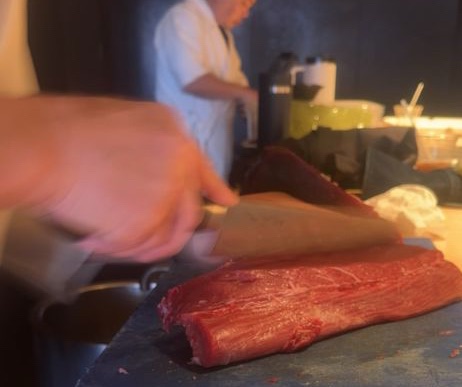
    The moment the demonstration finished, large sections of freshly cut bluefin tuna began arriving back in the kitchen.

    From that point on, nobody stopped moving.

    Every chef returned to their station.

    Cut.

    Trim.

    Slice.

    Pack.

    Restock.

    Repeat.

    That rhythm continued for hours.

    Every tray of sashimi that left the kitchen had to be replaced immediately.

    Customers kept lining up, and the bluefin tuna disappeared almost as quickly as we could prepare it.

    There was no time to slow down.

    Every slice had to be clean, consistent, and ready to serve.

    Internal Link: Sujihiki Knives


    James St Festival Served Nearly 100kg of Bluefin Tuna

    Ishizuchi Sujihiki Knife

    Throughout the day, we prepared and sold nearly 100 kilograms of bluefin tuna as sashimi.

    Watching that amount of premium fish disappear throughout the day was something I’ll never forget.

    Preparing sashimi at that volume requires more than speed.

    It demands consistency, concentration, and respect for every piece of fish.

    Every cut matters.

    Even after hours of continuous slicing, every piece must look as good as the very first one.

    That’s one of the biggest differences between cooking professionally and cooking at home.

    Internal Link: Beginner’s Guide to Japanese Kitchen Knives


    James St Festival Depends on Japanese Knives

    Ishizuchi Kanamono Manufactory

    Days like this remind me why I trust handcrafted Japanese knives.

    When you’re slicing fish continuously for hours, a knife becomes much more than a tool.

    It becomes an extension of your hands.

    A well-balanced knife reduces fatigue.

    A razor-sharp edge produces cleaner slices.

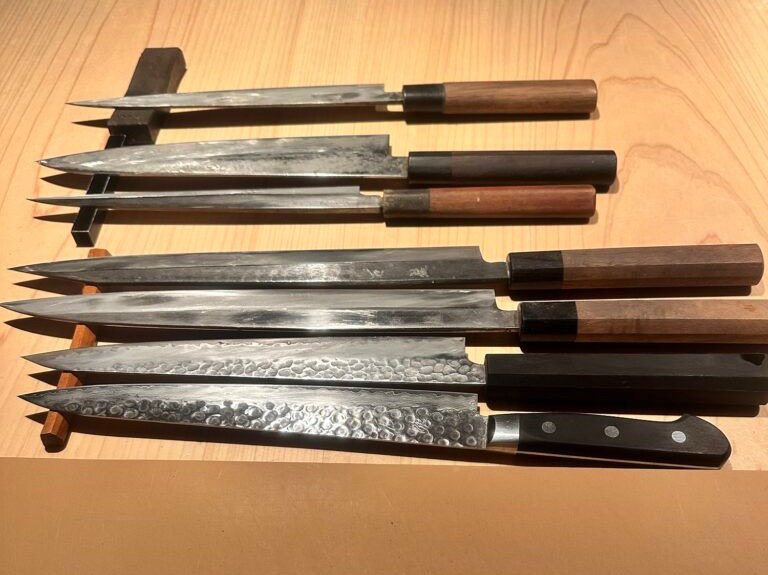
    Most of the knives I used that day were handcrafted by Ishizuchi Metalworks in Kochi, Japan.

    Among them was one knife that has been with my family for over 40 years—a Kiya Yanagiba originally passed down from my mother.

    Even after decades of professional use, it continues to perform beautifully.

    To me, that’s what makes a truly great Japanese knife.

    It’s not something you simply own.

    It’s something you can pass on to the next generation.

    Internal Link: Carbon Steel vs Stainless Steel

    Internal Link: Why Do Japanese Knives Rust So Easily?


    James St Festival Is Built on Teamwork

    Visitors usually remember the chef standing behind the counter.

    What they rarely see is the entire team working together behind the scenes.

    While one chef slices tuna, another prepares the display, another packs fresh sashimi, while others replenish stock, clean equipment, and keep every station organised.

    Nobody could manage an event like this alone.

    The smooth service that customers experience is only possible because every member of the team works together toward the same goal.

    That is one of the greatest lessons I take away from every major food festival.

    Internal Link: James St Festival Part 1 – Before the Crowd Arrived


    James St Festival Ends Quietly

    As the afternoon came to an end, the crowds slowly disappeared.

    Inside the kitchen, we cleaned our knives, washed every workstation, packed away equipment, and finally had a chance to take a breath.

    Only then did the exhaustion begin to sink in.

    For visitors, the James St Festival lasts only a few enjoyable hours.

    For the chefs behind the scenes, those few hours represent an entire day of preparation, concentration, teamwork, and hard work.

    After more than 25 years as a professional chef, experiences like this still remind me why I love this profession.

    Creating memorable experiences for people is always worth the effort.


    Final Thoughts

    This two-part series has been a little different from my usual articles about Japanese knives.

    Instead of focusing only on steel, blade shapes, or craftsmanship, I wanted to share what life really looks like behind the scenes of one of Brisbane’s biggest food festivals.

    Every handcrafted Japanese knife has a story.

    Every chef has a story.

    And every unforgettable meal begins long before the first customer arrives.

    If you enjoyed following my journey through the James St Festival, I invite you to explore more stories about traditional Tosa knives, Japanese craftsmanship, and the tools I trust every day as a professional sushi chef.

    Whether you’re looking for your first Japanese knife or simply want to learn more about the people and traditions behind them, you’ll find plenty of guides, stories, and handcrafted knives at Asaoya Yaichi.

    👉 Explore more:
    https://blog.asaoyayaichi.com.au

    👉 Visit our online store:
    https://asaoyayaichi.com.au

    Thank you for reading, and I hope to see you again in the next story.
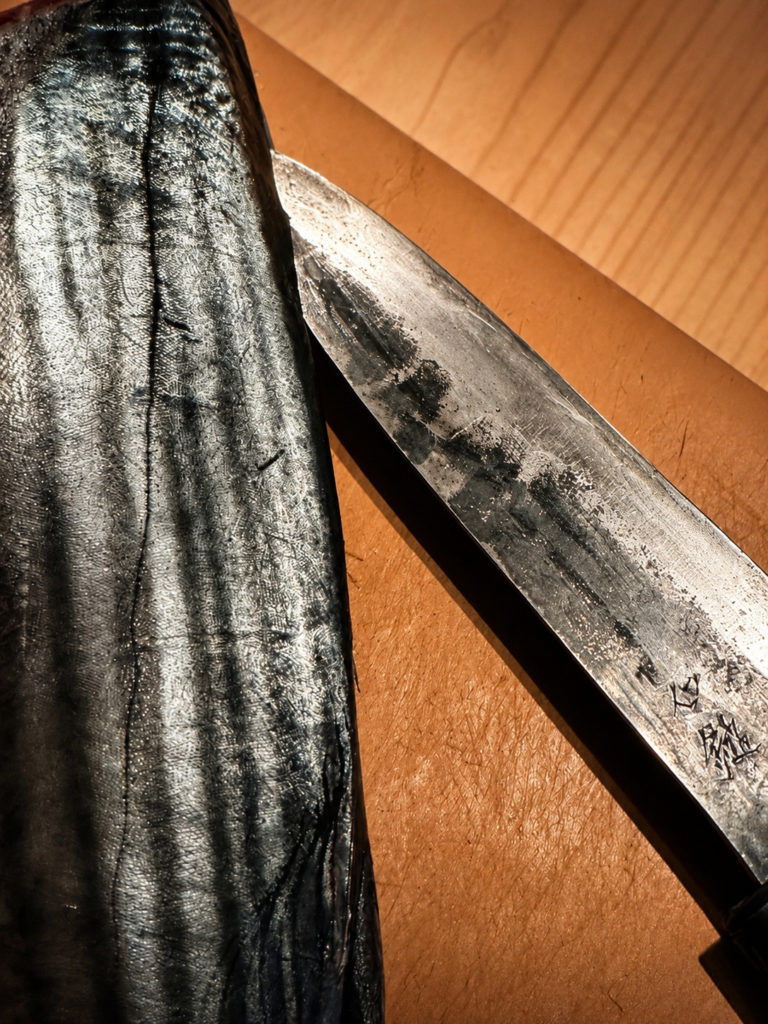
  • 究極 Ultimate | The Pinnacle of Stainless Steel – 180mm SG2 Santoku with Rosewood Octagonal Handle

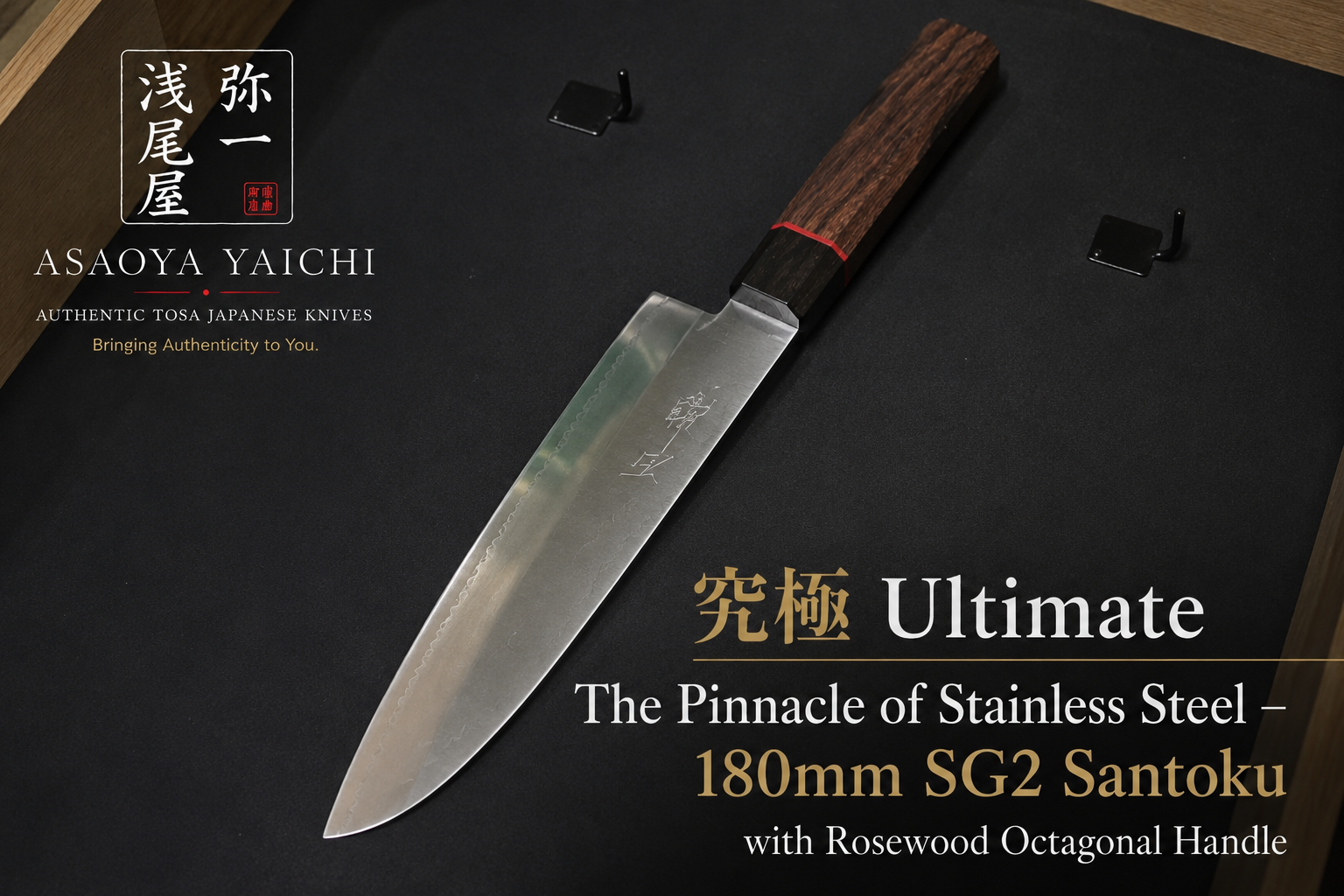
    究極 Ultimate | The Pinnacle of Stainless Steel – 180mm SG2 Santoku with Rosewood Octagonal Handle


    180mm Santoku SG2 Rosewood Octagonal Handle
    A$550.00

    If you’re looking for a premium Japanese kitchen knife that combines exceptional sharpness with easy maintenance, the 180mm SG2 Santoku deserves serious attention.

    Among modern stainless steels, SG2 has earned a reputation as one of the finest choices available. It offers remarkable edge retention, excellent corrosion resistance and refined cutting performance, making it a favourite among professional chefs and passionate home cooks alike.

    But no knife steel is perfect.

    The 180mm SG2 Santoku also has a few disadvantages that every buyer should understand before making an investment. In this article, I’ll explain both the strengths and weaknesses honestly, based on my experience as a chef, so you can decide whether this knife is right for you.

    INTERNAL LINK: Read our Beginner’s Guide to Japanese Knives to discover which knife style suits your cooking best.

    Why the 180mm SG2 Santoku Stands Out

    Ishizuchi Kanamono Manufactory

    The 180mm SG2 Santoku combines premium powder metallurgy stainless steel with one of Japan’s most versatile knife shapes. At 180mm, it’s large enough for meat, fish and vegetables, yet compact enough to feel comfortable for everyday cooking.

    Its rosewood octagonal handle adds traditional Japanese character while providing a secure and balanced grip.

    Advantages of the 180mm SG2 Santoku


    Knife Steel Nerds – VG10 and Super Gold 2 Steel Properties

    Exceptional Edge Retention

    One of the biggest advantages of the 180mm SG2 Santoku is its outstanding edge retention. SG2’s powder steel structure allows the blade to stay sharp much longer than many conventional stainless steels, reducing how often you need to sharpen it.

    Excellent Corrosion Resistance

    Unlike traditional carbon steels, SG2 offers excellent resistance to rust. You should still wash and dry the knife after use, but maintenance is far easier than with reactive carbon steel, making it an excellent choice for cooks who want premium performance without constant care.

    Beautiful Balance Between Tradition and Technology

    The combination of advanced SG2 steel and a handcrafted rosewood octagonal handle creates a knife that feels modern while preserving the beauty of traditional Japanese craftsmanship.

    INTERNAL LINK: Learn more in our Carbon Steel vs Stainless Steel comparison.

    Disadvantages of the 180mm SG2 Santoku

    More Difficult to Sharpen

    The same hardness that allows SG2 to keep its edge also makes it slower to sharpen. Beginners may need more patience and a quality whetstone to restore the edge properly.

    Premium Price

    SG2 is considered one of the highest-grade stainless knife steels available, so it naturally costs more than many VG10 or Ginsan knives. While the performance often justifies the investment, it may not be necessary for every cook.

    Requires Proper Technique

    The 180mm SG2 Santoku is a precision cutting tool, not a heavy-duty cleaver. Avoid cutting frozen food, bones or twisting the blade during use, as the thin edge can chip if misused.

    INTERNAL LINK: Read Why Flattening Your Whetstone Matters before sharpening premium Japanese knives.

    Is the 180mm SG2 Santoku Worth It?

    Asaoya Yaichi

    If you value long-lasting sharpness, premium stainless steel and traditional Japanese craftsmanship, the 180mm SG2 Santoku is one of the finest choices available.

    It isn’t the cheapest knife, nor is it the easiest steel to sharpen. However, those trade-offs are exactly what allow SG2 to deliver such impressive cutting performance.

    For cooks who appreciate quality over compromise, this knife represents an outstanding balance of beauty, durability and precision.

    INTERNAL LINK: Explore 5 Common Japanese Knife Mistakes to protect your investment.

    INTERNAL LINK: Discover more handcrafted Japanese knives at Asaoya Yaichi and find the perfect knife for your kitchen.
    https://asaoyayaichi.com.au

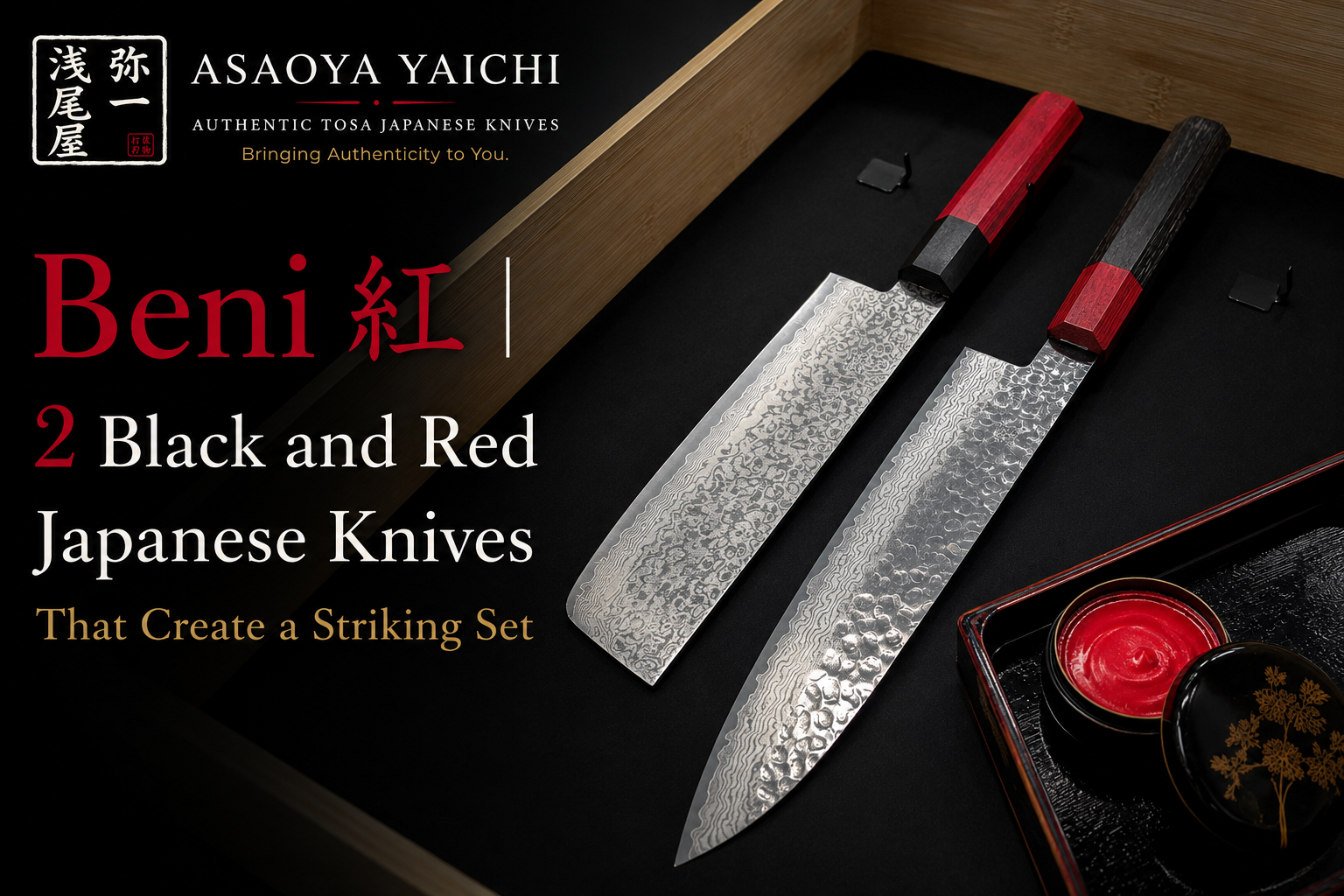
  • Beni 紅 | 2 Black and Red Japanese Knives That Create a Striking Set

    Beni 紅 | 2 Black and Red Japanese Knives That Create a Striking Set


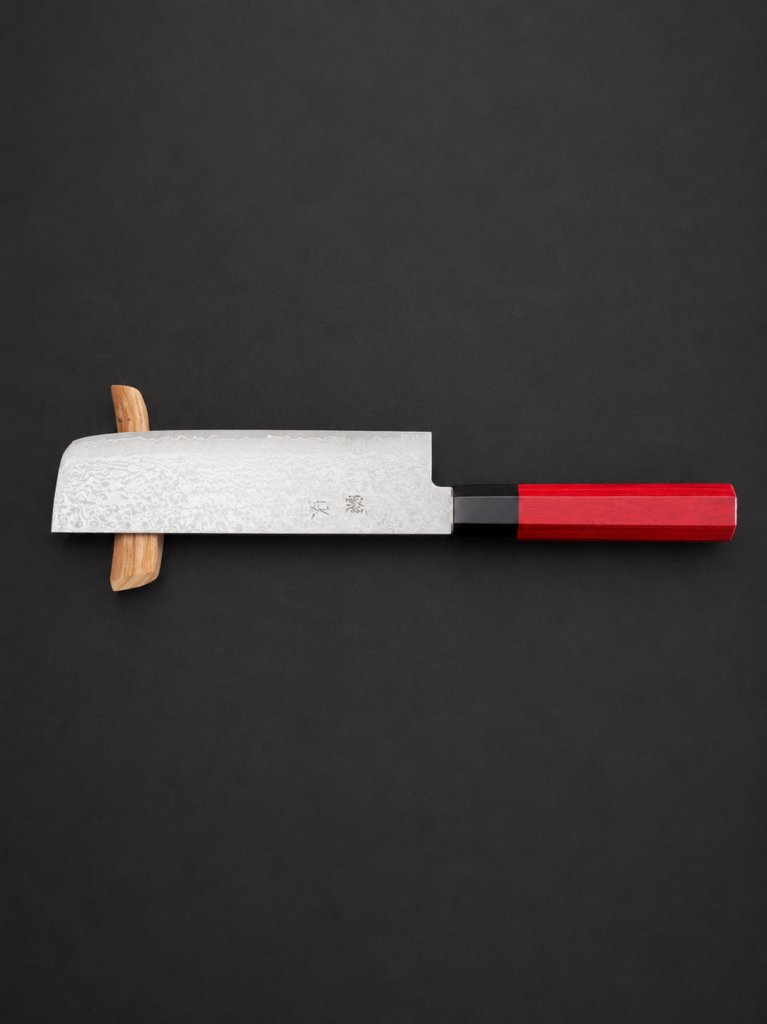
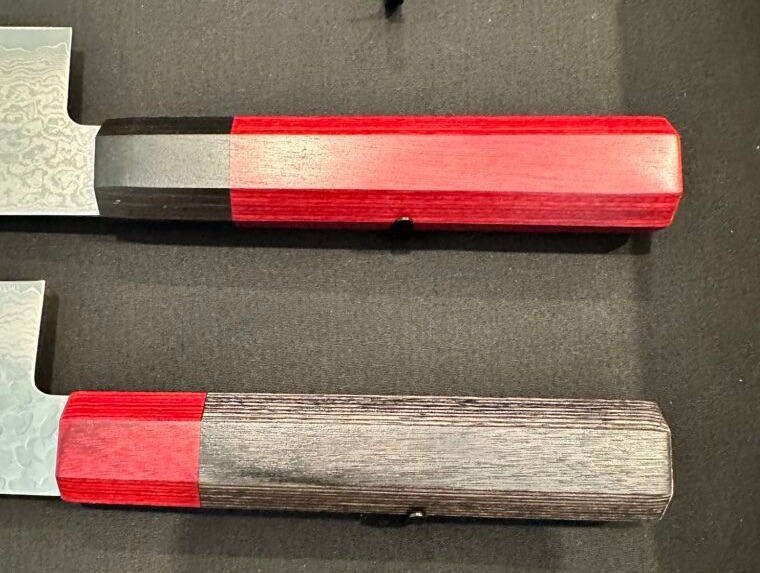
    165mm Usuba A8 Hammered Damascus Black & Red Octagonal Handle
    A$430.00

    When people think of beautiful Japanese knives, they often picture polished Damascus blades or traditional wooden handles. While those features certainly have their charm, sometimes it is the combination of colours that leaves the strongest impression.

    That is exactly what makes these Black and Red Japanese Knives so memorable.

    The deep black and vibrant red octagonal handles create a striking contrast that reflects both elegance and strength. Inspired by traditional Japanese aesthetics, these handcrafted knives are designed not only to perform exceptionally in the kitchen but also to become pieces you are proud to display.

    Whether you’re a professional chef or a passionate home cook, these knives offer something special every time you pick them up.

    If you’re looking for authentic handcrafted Japanese knives in Australia, you’ll find our carefully selected collection at Asaoya Yaichi


    Why Black and Red Japanese Knives Stand Out

    Wabi-Sabi

    Japanese craftsmanship has always balanced beauty with practicality.

    Black has long represented sophistication, stability and quiet confidence, while red symbolises passion, celebration and energy. Together they create a timeless contrast that immediately attracts attention without appearing overly flashy.

    These Black and Red Japanese Knives perfectly capture that balance.

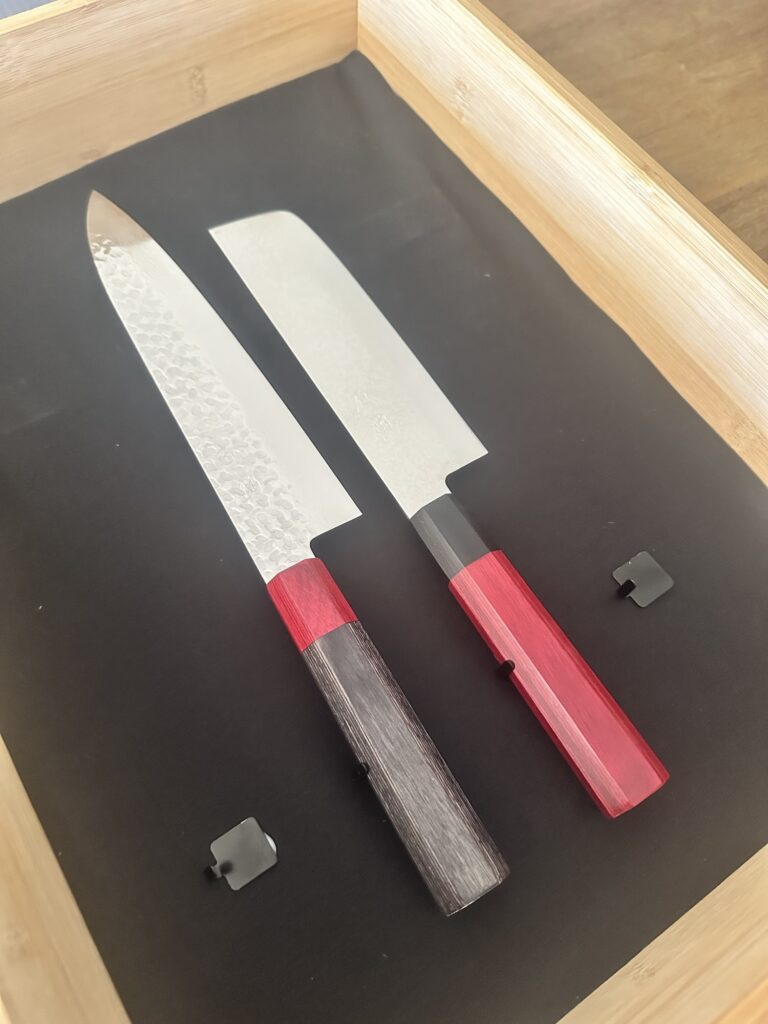
    Each knife features a beautiful Damascus blade paired with a carefully finished octagonal handle combining rich black and vibrant red. The result is a knife that looks equally at home in a professional sushi bar, an open restaurant kitchen or a modern family home.

    Unlike mass-produced knives, handcrafted Japanese knives develop a personal connection with their owner. Every scratch tells a story, and every meal prepared becomes part of that journey.

    Read our Beginner’s Guide to Japanese Knives


    Two Black and Red Japanese Knives with Different Personalities

    Ishizuchi Kanamono Manufactory

    Although these knives share the same elegant design language, each serves a different purpose in the kitchen.

    165mm Usuba A8 Hammered Damascus

    The 165mm Usuba is designed primarily for vegetables.

    Made from A8 stainless steel, it offers excellent corrosion resistance, toughness and easy maintenance. The hammered Damascus finish not only adds visual depth but also helps reduce food sticking to the blade.

    Whether you’re preparing fine julienne vegetables, decorative garnishes or paper-thin slices, the Usuba provides impressive precision while remaining forgiving for everyday use.

    Its lightweight balance also makes long preparation sessions far more comfortable.


    165mm Santoku A10 Damascus

    The matching 165mm Santoku features A10 stainless steel.

    With its higher carbon content, A10 achieves greater hardness and longer edge retention than A8 while still offering excellent corrosion resistance.

    As an all-purpose Japanese kitchen knife, the Santoku handles vegetables, meat and fish with remarkable ease.

    For many home cooks, this will quickly become the knife they reach for every day.

    Learn more about Carbon Steel vs Stainless Steel


    Why They Create the Perfect Japanese Knife Set

    Damascus blade

    Each knife is beautiful individually.

    Together, however, they become something truly special.

    The matching black and red handles create a visual harmony rarely found when purchasing knives separately.

    Displayed side by side on a magnetic knife rack, they immediately become a focal point in the kitchen.

    Many customers have recently chosen to purchase both knives together rather than individually.

    It’s easy to understand why.

    The combination creates a complete Japanese knife set that feels intentional, elegant and perfectly balanced.

    The Usuba handles vegetables with incredible precision.

    The Santoku takes care of almost everything else.

    Together they cover most daily kitchen tasks while maintaining a consistent appearance that reflects traditional Japanese craftsmanship.

    Rather than mixing different handle colours and styles, this matching pair creates a professional, coordinated look that many chefs appreciate.

    Discover Our Knife Care Guid


    Japanese Craftsmanship You Can Enjoy Every Day

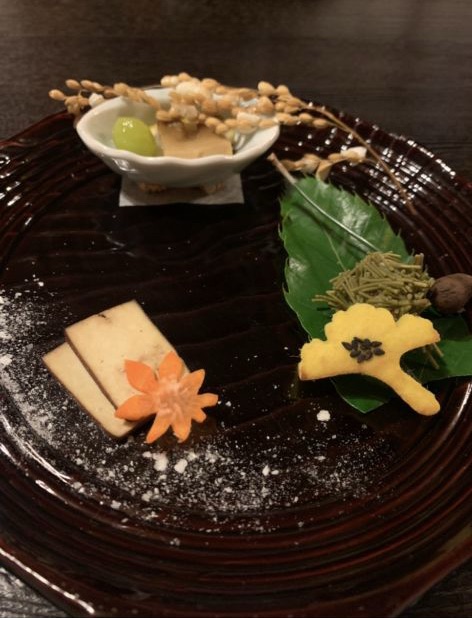
    Fucha ryori Bon

    Beautiful knives should never be reserved only for special occasions.

    These Black and Red Japanese Knives were made to be used.

    Every blade is handcrafted using techniques that have been refined over generations while incorporating modern stainless steel for practical everyday performance.

    The octagonal handles provide a comfortable grip for both left- and right-handed users, while the Damascus pattern ensures every knife has its own unique appearance.

    They’re not simply decorative pieces.

    They’re tools designed to prepare countless family meals, dinner parties and special celebrations for many years.

    Explore the Story Behind Tosa Knife Craftsmanship


    More Than Just a Beautiful Knife

    Black and Red Japanese Knives Handle

    As someone who has worked as a professional chef for over 25 years, I’ve learned that the best knife is the one you genuinely enjoy using.

    Performance is essential.

    Comfort matters.

    But so does the feeling you get every time you reach for it.

    That’s one reason I appreciate matching knife collections.

    When your knives share the same design language, your kitchen feels organised, professional and enjoyable to work in.

    These Black and Red Japanese Knives deliver exactly that experience.


    Final Thoughts on Black and Red Japanese Knives

    Authentic Japanese knives are an investment that can be enjoyed for many years.

    These two handcrafted knives combine traditional Japanese beauty with practical everyday performance.

    Purchased individually, each knife offers outstanding quality.

    Purchased together, they create a striking Japanese knife set whose black and red contrast makes an unforgettable impression.

    Whether you’re upgrading your own kitchen or searching for a meaningful gift, this matching pair offers beauty, craftsmanship and functionality in equal measure.

    If you’d like to explore these knives in more detail or discover more handcrafted Japanese knives from Tosa, visit https://asaoyayaichi.com.au.

    Every knife in our collection has been carefully selected because we believe exceptional craftsmanship deserves to be used, appreciated and passed on.

    Read Why Handcrafted Japanese Knives Are Different

    Explore Our Complete Japanese Knife Collection at https://asaoyayaichi.com.au

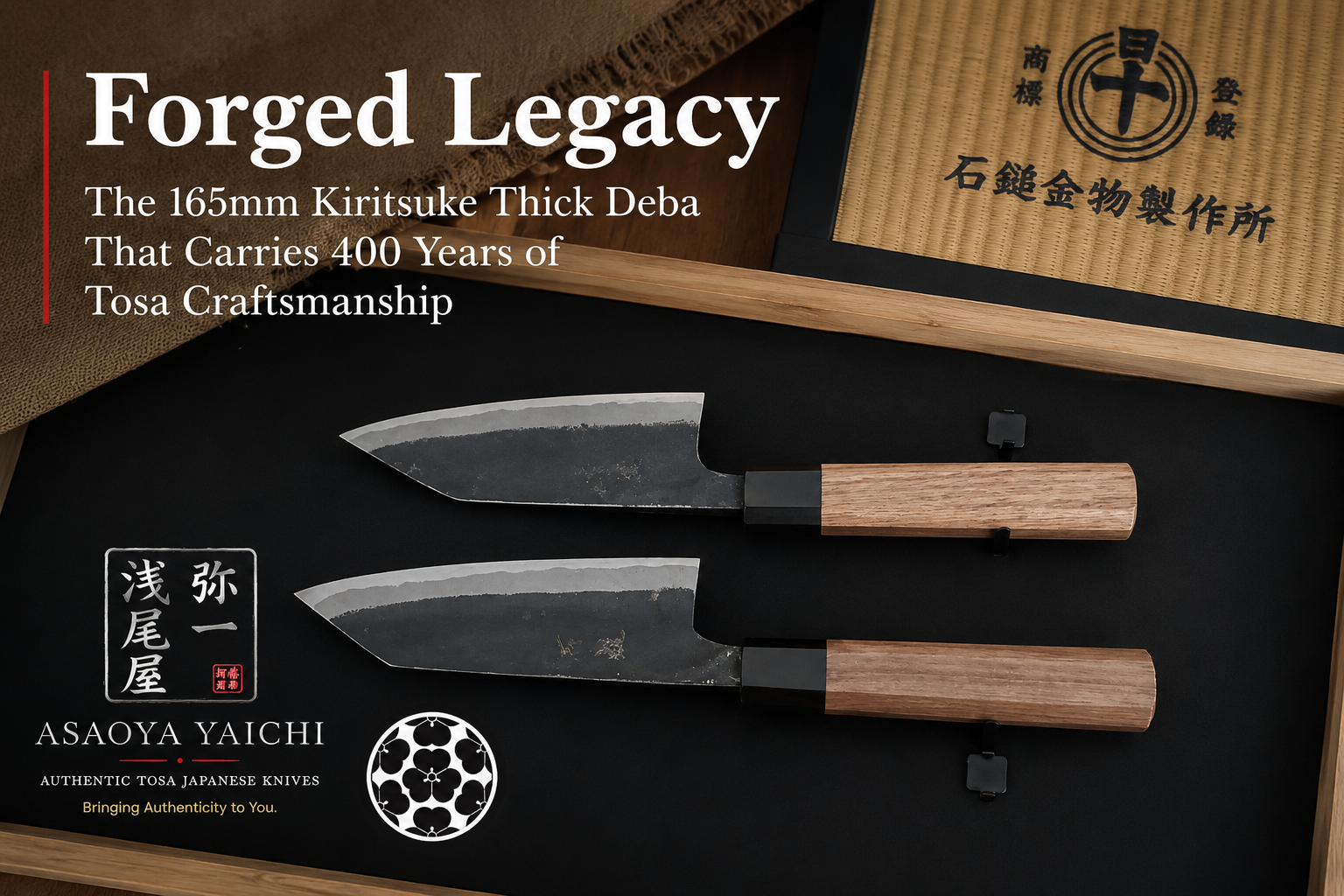
  • Forged Legacy | The 165mm Kiritsuke Thick Deba That Carries 400 Years of Tosa Craftsmanship

    Forged Legacy | The 165mm Kiritsuke Thick Deba That Carries 400 Years of Tosa Craftsmanship

    Some knives are designed to impress.

    Others are designed to work.


    165mm Kiritsuke Thick Deba Aogami #2 Kurouchi Walnut Octagonal Handle
    A$480.00

    The 165mm Kiritsuke Thick Deba Aogami #2 Kurouchi Walnut Octagonal Handle belongs firmly in the second category.

    At first glance, its black Kurouchi finish may seem simple compared to polished Damascus blades. But beneath that traditional appearance lies one of the finest examples of Tosa craftsmanship, a style of knife making that has been refined for more than 400 years.

    This isn’t a knife created to follow trends.

    It’s a knife created to continue a legacy.


    What Makes a Tosa Thick Deba Different?

    double-bevel edge

    When many people hear the word Deba, they imagine a heavy, single-bevel knife used only by professional Japanese chefs.

    A Kiritsuke Thick Deba from Tosa is different.

    This knife combines the strength of a traditional thick deba with the practicality of a double-bevel edge, making it far easier for both professional chefs and passionate home cooks to use.

    Whether you’re breaking down a whole fish, trimming large cuts of meat, or tackling tougher ingredients, the extra blade thickness provides confidence and durability that lighter knives simply cannot match.

    For Australian cooks who enjoy preparing salmon, kingfish, tuna, snapper, grouper, or other large reef fish, this style of knife offers versatility that surprises many people.


    Choosing the Right Size


    150mm Kiritsuke Thick Deba Aogami #2 Kurouchi Walnut Octagonal Handle
    A$450.00

    The 165mm Kiritsuke Thick Deba is the size I recommend for most people.

    It offers plenty of power for breaking down larger fish such as salmon and kingfish, while still being comfortable enough for everyday use.

    For those who regularly prepare slightly smaller fish, there’s also a 150mm Kiritsuke Thick Deba Aogami #2 Kurouchi with a Walnut Octagonal Handle available.

    The shorter blade feels a little more agile when working with fish like snapper, grouper, and other medium-sized species where a more compact knife offers greater control.

    To be honest, I don’t think most people need to own both sizes.

    For the vast majority of cooks, the 165mm is the more versatile option.

    The 150mm simply provides another excellent choice if you mainly prepare smaller fish and prefer a slightly more compact knife.


    Forged from Aogami #2 Steel


    Carbon Steel vs Stainless Steel 

    One of the greatest strengths of this knife is its Aogami #2 (Blue Steel #2) core.

    Among Japanese knife enthusiasts, Aogami #2 is respected for offering an outstanding balance of:

    • Exceptional sharpness
    • Excellent edge retention
    • Outstanding toughness
    • Easier sharpening than many modern powder steels

    Unlike stainless steel, Aogami #2 develops character over time.

    As you sharpen it, maintain it, and continue using it, the blade gradually tells the story of its owner.

    That relationship between knife and user is something many handcrafted Japanese knives share—but Tosa blacksmiths have preserved it for generations.


    The Beauty of Kurouchi

    The more I used traditional Tosa knives, the more I realised something.

    Many people first notice the black finish.

    Some even wonder why it isn’t polished.

    The answer lies in tradition.

    The Kurouchi finish is created by leaving part of the protective scale formed during forging on the blade. Rather than polishing everything away, Tosa blacksmiths preserve part of the knife’s history.

    The result is a knife that feels honest.

    Nothing unnecessary.

    Nothing decorative for decoration’s sake.

    Just practical craftsmanship built for daily work.

    Over time, the Kurouchi finish develops its own character, making every knife unique to its owner.


    A Walnut Octagonal Handle Built for Control

    Japanese Knife Handles:
    Why the Handle Matters More Than You Think

    The walnut octagonal handle perfectly complements the blade.

    Walnut provides a warm, natural feel in the hand while remaining durable enough for everyday kitchen use.

    The octagonal shape allows comfortable control from multiple grip positions, whether you’re filleting fish, portioning meat, or performing detailed knife work.

    Combined with the balance of the thick deba blade, the knife feels remarkably secure despite its strength.

    Like the blade itself, the handle isn’t designed to attract attention—it is designed to feel natural after hours of use.


    More Than 400 Years of Tosa Craftsmanship

    Craftsmanship, Passed Down Since the Age of the Chösokabe Clan

    Knife making in Tosa traces its roots back more than four centuries to the era of the Chōsokabe Clan

    Originally producing tools for forestry, farming, and daily life, Tosa’s blacksmiths built a reputation for practical, dependable blades that could withstand demanding work.

    That philosophy remains unchanged today.

    This knife isn’t trying to be flashy.

    It’s trying to perform.

    Every hammer strike, every grind, and every final sharpening reflects a tradition passed down through generations of craftsmen who value function above fashion.

    When you hold this knife, you’re holding far more than steel.

    You’re holding over 400 years of Tosa craftsmanship.


    Why This Knife Represents the Spirit of Tosa

    Wabi-Sabi Vibes

    If someone asked me to choose a single knife that represents traditional Tosa craftsmanship, this would be one of the first I’d recommend.

    Its Kurouchi finish, durable Aogami #2 steel, practical double-bevel design, and handcrafted walnut octagonal handle embody everything I admire about Tosa knives.

    After more than 25 years working as a chef, I’ve learned that the best knives aren’t always the most decorative.

    They’re the ones you instinctively reach for every day because you trust them.

    That’s exactly how I feel about this Kiritsuke Thick Deba.

    It was built to work.

    It was built to last.

    And above all, it was built to carry forward a legacy that has endured for more than four centuries.


    Discover Authentic Tosa Knives

    Asaoya Yaichi

    At Asaoya Yaichi , our goal is to introduce authentic handcrafted Tosa knives to Australia while supporting the skilled craftsmen who continue this remarkable tradition.

    Every knife is carefully selected because I genuinely believe in its quality—not because it follows a trend, but because it represents the craftsmanship, reliability, and history that have defined Tosa knife making for generations.

    If you’re looking for a knife with genuine history, outstanding performance, and timeless craftsmanship, I invite you to explore our collection of handcrafted Tosa knives.

    🔪 https://www.asaoyayaichi.com.au

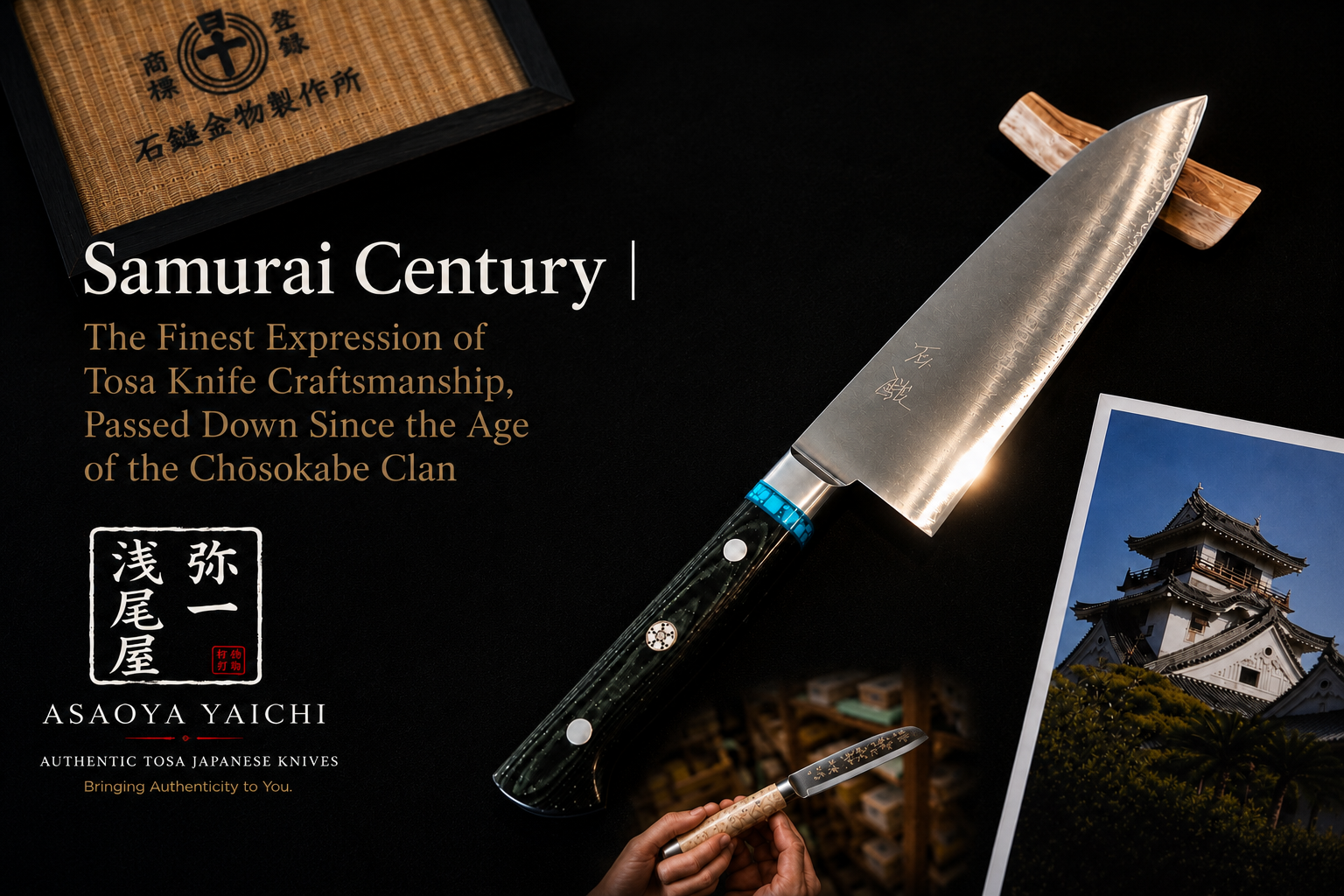
  • Samurai Century | The Finest Expression of Tosa Knife Craftsmanship, Passed Down Since the Age of the Chōsokabe Clan

    Samurai Century | The Finest Expression of Tosa Knife Craftsmanship, Passed Down Since the Age of the Chōsokabe Clan


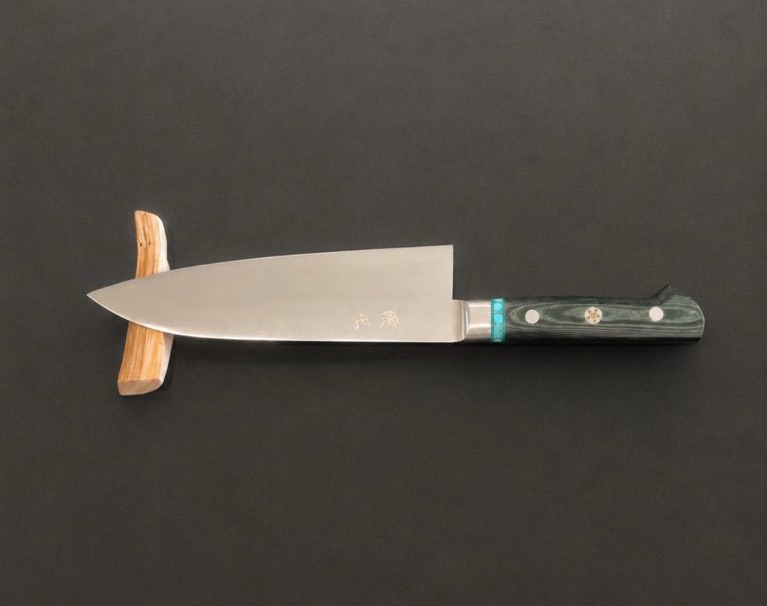
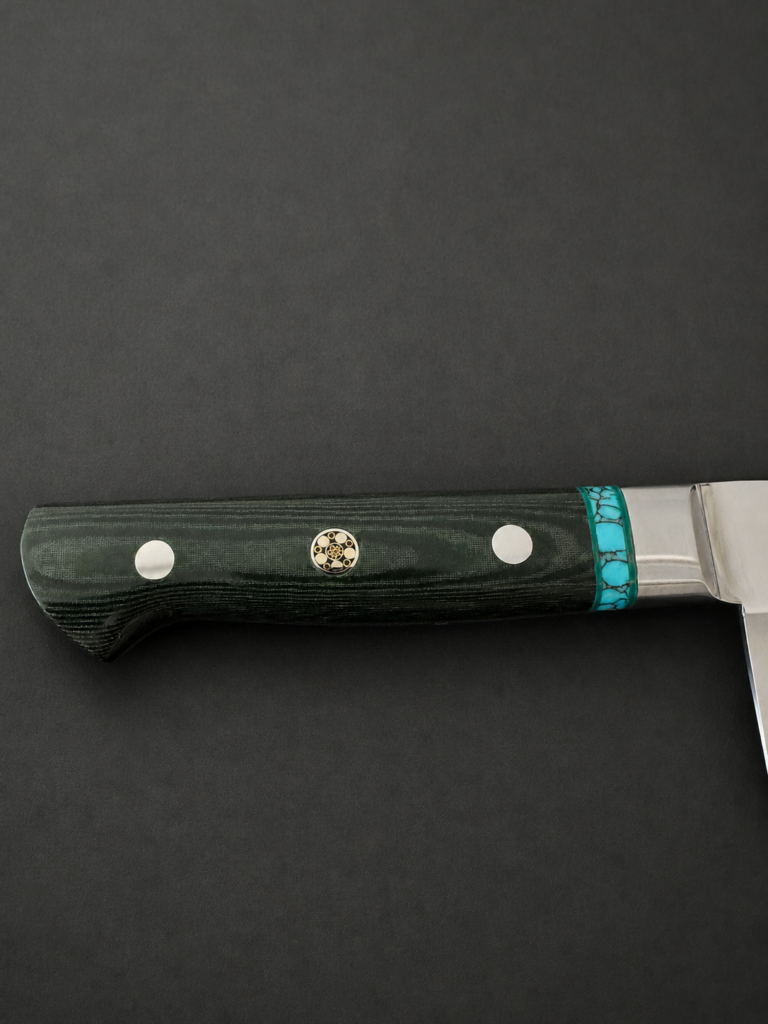
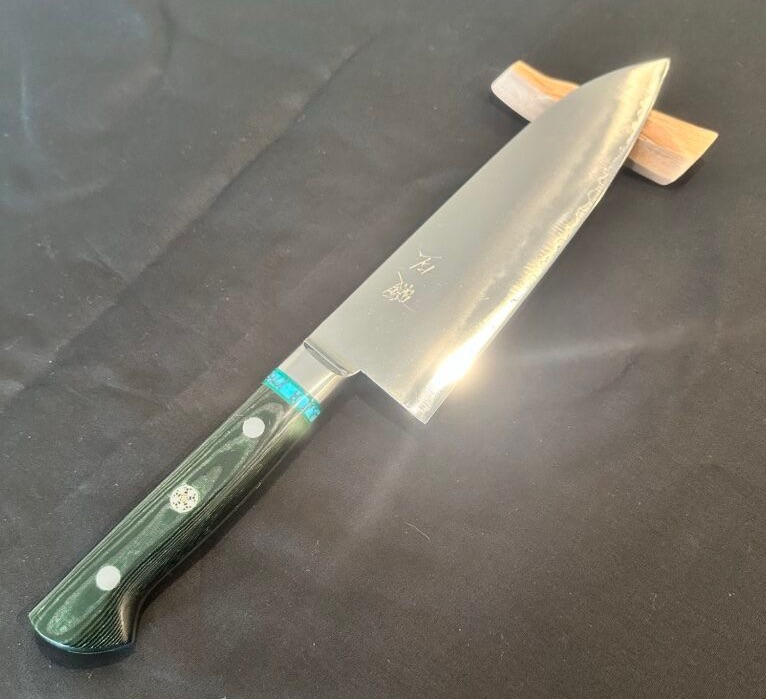
    180mm Santoku Aogami #2 Green Micarta Handle with Turquoise Spacer
    A$680.00

    Some knives are designed simply to cut.

    Others carry the story of generations.

    This 180mm Santoku Aogami #2 Green Micarta Handle with Turquoise Spacer is one of those rare knives that feels like it belongs to both the past and the present.

    When people think about Japanese knives, they often focus on razor-sharp edges, beautiful finishes, or premium steels. Those qualities certainly matter, but I believe the most valuable part of a handcrafted knife is something you cannot immediately see.

    It is the history.

    It is the knowledge passed from one craftsman to another.

    It is the spirit that has survived for centuries.

    That is exactly what I see every time I hold this Santoku.

    A Tradition Forged During the Samurai Era


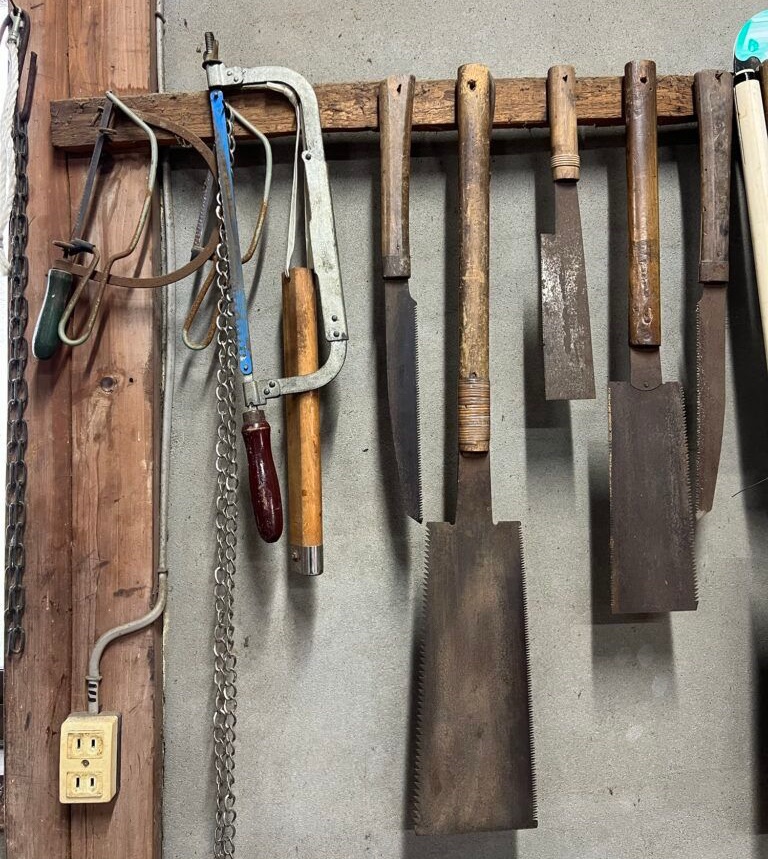
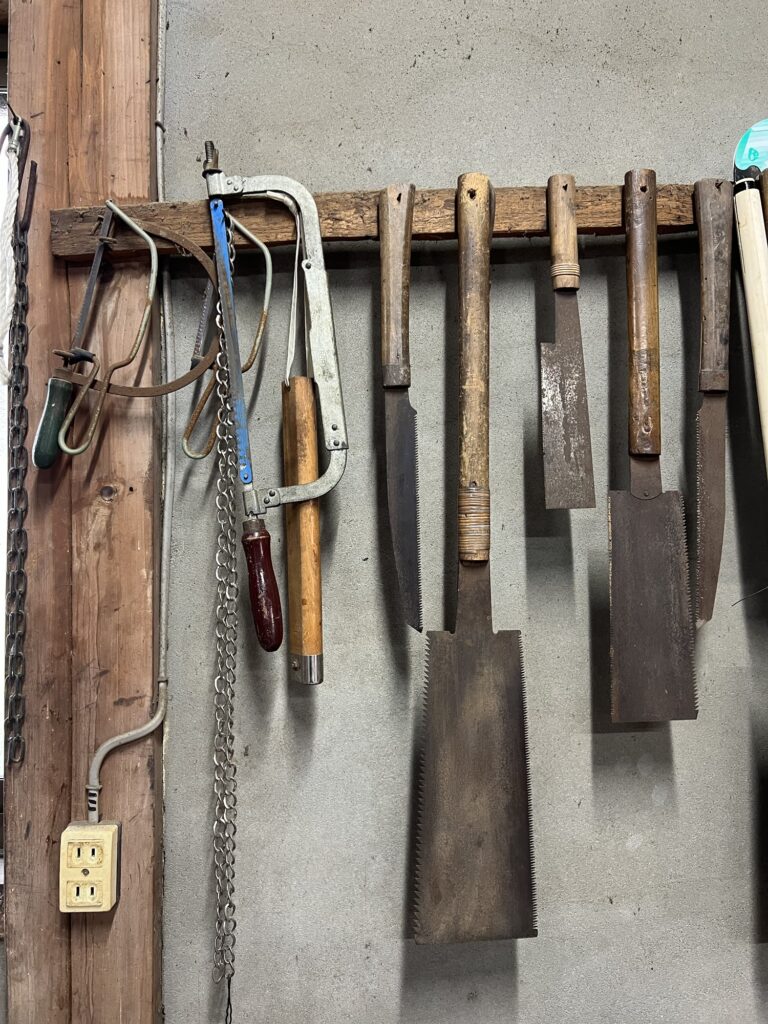
    Handcrafted farming tools from Tosa

    The story of Tosa knives begins more than 400 years ago, during Japan’s Sengoku period.

    According to the history shared by Ishizuchi Kanamono Manufacturing, the roots of Tosa blacksmithing can be traced back to the rule of the Chōsokabe Clan, who unified Tosa Province in the late 1500s. Historical records mention that nearly 400 blacksmiths were already working throughout the region.

    As Tosa became one of Japan’s leading forestry areas, local craftsmen produced axes, hatchets, sickles, and countless agricultural tools needed for everyday life.

    The techniques required to create tools that could survive years of demanding work eventually evolved into the craftsmanship used to forge kitchen knives.

    Those same forging methods, refined over hundreds of years, are still alive today.

    Every handcrafted Tosa knife represents generations of practical knowledge rather than simply modern manufacturing.

    That heritage is one of the reasons I became fascinated by Tosa knives.

    A Knife That Respects Tradition

    carbon steels

    This Santoku stays true to those traditional roots.

    Its core steel is Aogami #2 (Blue Steel No.2), one of Japan’s most respected carbon steels.

    Professional chefs have trusted Aogami steels for decades because they offer outstanding sharpness, excellent edge retention, impressive toughness, and are surprisingly enjoyable to sharpen.

    Rather than feeling disposable, Aogami #2 develops character over time.

    With proper care, the edge becomes familiar.

    The sharpening becomes rewarding.

    The knife slowly becomes your own.

    That is something mass-produced knives rarely offer.

    A Modern Interpretation of Wabi-Sabi

    Green Micarta handle turquoise space

    While the blade reflects centuries of tradition, the handle introduces something refreshingly modern.

    The Green Micarta handle provides outstanding durability, excellent grip, and stability in busy kitchens.

    Between the blade and the handle sits a beautiful turquoise spacer.

    It is only a small detail.

    Yet it completely changes the personality of the knife.

    Instead of making the knife flashy, it creates a quiet contrast between traditional Japanese craftsmanship and contemporary materials.

    To me, that perfectly reflects the Japanese idea of wabi-sabi.

    Wabi-sabi is not about perfection.

    It is about appreciating balance.

    It is about respecting simplicity.

    It is about finding beauty that grows naturally with time.

    The carbon steel blade will slowly develop its own patina.

    The handle will gain its own character.

    Years from now, this knife will not look exactly as it does today.

    It will look even better because it will tell your own story.

    Why This Knife Impressed Me

    Wabi-Sabi

    I worked as a professional chef for more than 25 years.

    During that time, I have used knives from many famous makers, worked with numerous steels, and sharpened countless blades.

    Because of that experience, I have become difficult to impress.

    Many knives perform well.

    Many knives look beautiful.

    Very few make me stop and think,

    “This is something special.”

    This Santoku did.

    The balance feels natural.

    The blade has confidence without feeling heavy.

    The cutting performance is exactly what I expect from quality Aogami #2 steel.

    At the same time, every detail feels intentional.

    Nothing appears to have been added simply for decoration.

    Everything serves a purpose.

    As a chef, I appreciate that.

    As someone introducing authentic Japanese knives to Australia, I respect it even more.

    More Than Just a Kitchen Tool

    Monozukuri

    One reason I started Asaoya Yaichi was because I wanted people outside Japan to experience authentic craftsmanship rather than simply buying another factory-made knife.

    Many knives today are designed around efficiency.

    Tosa knives are different.

    They are built around craftsmanship.

    Every hammer mark.

    Every grind.

    Every sharpened edge.

    Every handle fitting.

    They all reflect the experience of skilled craftsmen who continue techniques handed down over generations.

    That is becoming increasingly rare.

    When you purchase a handcrafted Tosa knife, you are supporting more than a product.

    You are helping preserve one of Japan’s traditional crafts.

    You are supporting craftsmen whose knowledge has survived since the age of the samurai.

    The Spirit of Tosa Lives On

    Chōsokabe Clan

    Whenever I hold this Santoku, I cannot help but think about the generations of blacksmiths who came before.

    From agricultural tools forged during the time of the Chōsokabe Clan…

    To the exceptional kitchen knives produced today…

    The philosophy has remained remarkably consistent.

    Build tools that work.

    Build tools that last.

    Build tools that people will be proud to use every day.

    That is exactly what this knife represents.

    The 180mm Santoku Aogami #2 Green Micarta Handle with Turquoise Spacer is not simply a beautiful Japanese knife.

    It is the meeting point of over four centuries of Tosa blacksmithing, premium Aogami #2 steel, modern craftsmanship, and the quiet beauty of wabi-sabi.

    After more than twenty-five years as a chef, I can honestly say that knives like this do not appear very often.

    If you are searching for an authentic handcrafted Japanese knife that carries genuine history, exceptional cutting performance, and timeless design, I believe this Santoku is one of the finest examples of Tosa craftsmanship available today.

    It is more than a knife.

    It is a small piece of Japanese history that can be used, appreciated, and passed down for generations.

    Discover Authentic Tosa Knives

    If this knife speaks to you, I’d love for you to explore the rest of our collection.

    Every knife at Asaoya Yaichi is personally selected based on more than 25 years of professional chef experience, with a focus on craftsmanship, performance, and the traditions of Tosa blacksmithing.

    👉 Shop Japanese Knives
    https://www.asaoyayaichi.com.au

  • Monozukuri | Where Japanese Craftsmanship Meets Quiet Beauty

    Monozukuri | Where Japanese Craftsmanship Meets Quiet Beauty

    67-Layer Damascus Blade

    When people search for Japanese knives, they often picture striking Damascus patterns, polished finishes, or eye-catching designs.

    Those features certainly have their place.

    But after spending more than 25 years working as a chef, I’ve come to believe that the best knife isn’t necessarily the one that attracts the most attention.

    It’s the one you enjoy reaching for every single day.

    A knife that feels perfectly balanced in your hand.

    A knife that performs beautifully, looks elegant without being flashy, and quietly earns your trust over time.

    That is the philosophy behind this collection.

    In Japan, there is a word that perfectly expresses this way of thinking.

    What Is Monozukuri?

    Ishizuchi Kanamono Manufactory

    Monozukuri literally means “making things.”

    But its true meaning goes much deeper than manufacturing.

    It represents the dedication of Japanese craftspeople who constantly refine their skills, pay attention to the smallest details, and never compromise on quality.

    For generations, Japanese blacksmiths have passed their knowledge from one craftsman to the next.

    Every knife they create reflects years of experience, patience, and pride in their work.

    Rather than chasing trends, they focus on creating tools that perform beautifully and last for many years.

    That philosophy is exactly what inspired this collection.

    Every knife is designed to honour traditional Japanese craftsmanship while fitting naturally into today’s kitchens.

    Premium VG10 Steel with a Beautiful 67-Layer Damascus Blade


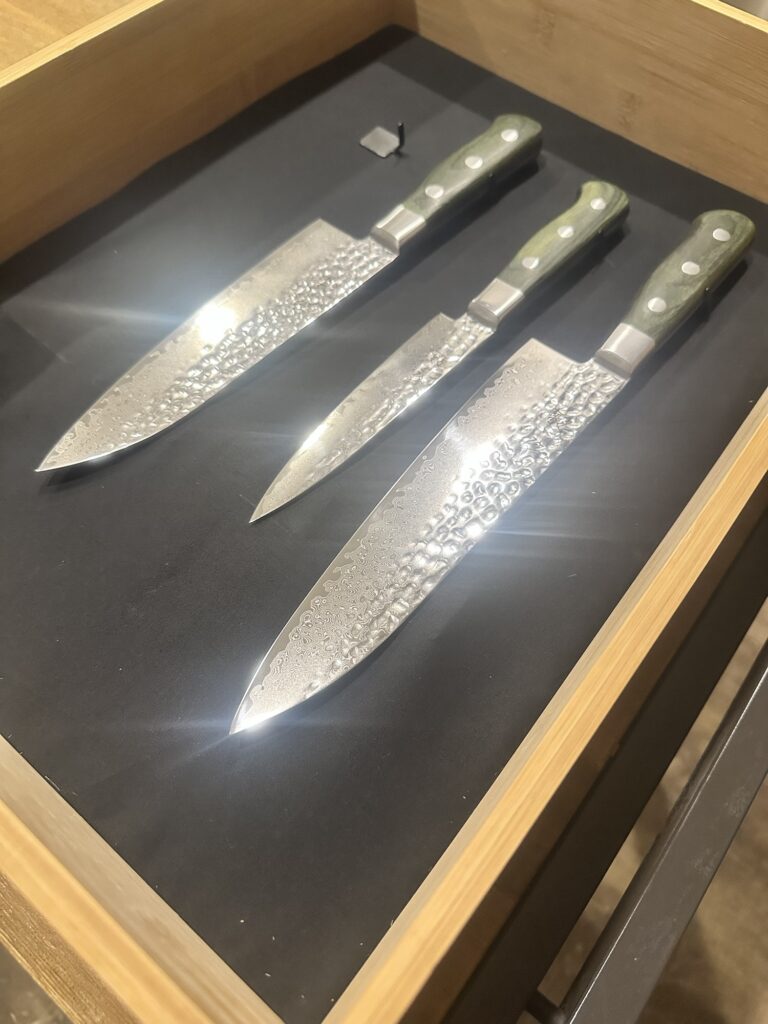
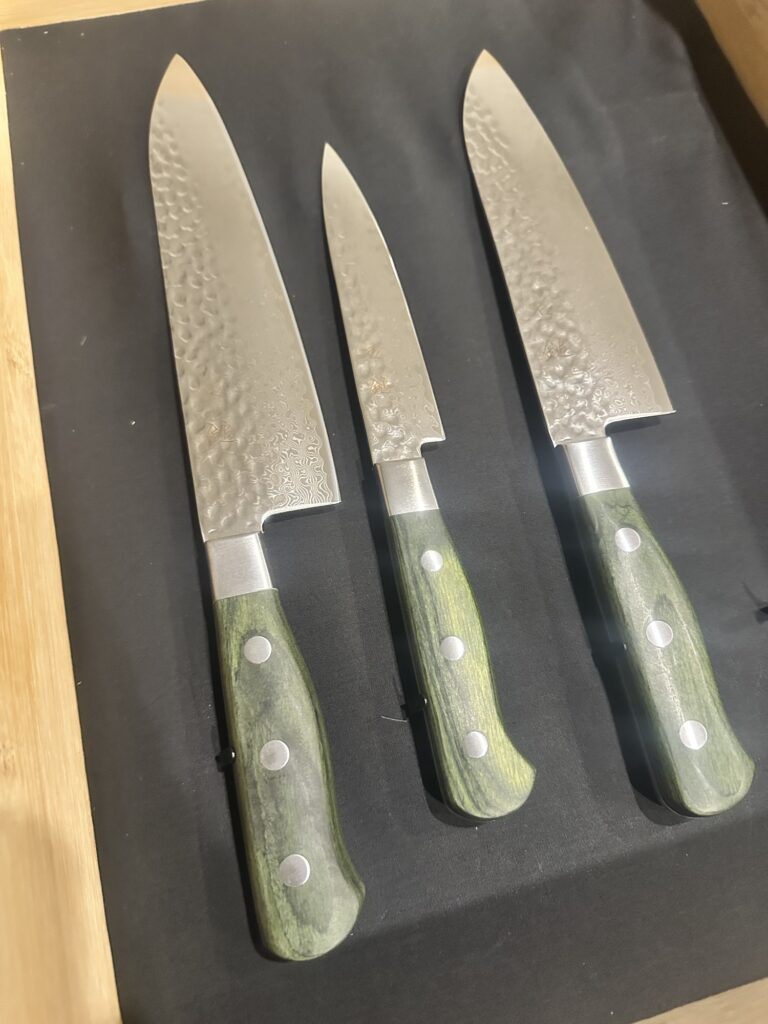
    180mm Santoku VG10 Polished Hammered 67 Layer Damascus Green Handle
    A$380.00

    Every knife in this collection is handcrafted in Japan using VG10 stainless steel and features a beautifully finished 67-layer Damascus blade.

    VG10 has earned its reputation as one of Japan’s most respected stainless steels for good reason.

    It offers outstanding sharpness, excellent edge retention, impressive corrosion resistance, and is much easier to maintain than traditional carbon steel.

    That makes it an excellent choice for both professional chefs and passionate home cooks who want the performance of premium Japanese knives without constantly worrying about rust.

    The Damascus blade isn’t simply there to create a beautiful pattern.

    Each layer reflects the precision and care of Japanese craftsmanship.

    The flowing lines give every knife its own unique character while maintaining the practical performance needed for everyday cooking.

    Beautiful tools shouldn’t stay in a display cabinet.

    They should become part of your daily routine.

    If you’d like to learn more about choosing the right steel, you may also enjoy this article:

    Related Article:
    Carbon Steel vs Stainless Steel | Which Japanese Knife Is Right for You?

    (Insert your internal blog link here.)

    A Contemporary Handle Inspired by Japanese Simplicity


    135mm Petty VG10 Polished Hammered 67 Layer Damascus Green Handle
    A$260.00

    While the blade immediately catches your attention, what truly makes this collection different is the handle.

    Traditional Japanese knives are often fitted with magnolia or walnut handles.

    They’re beautiful and timeless.

    This collection takes a different approach.

    The calm green handle introduces a contemporary style while still respecting the understated beauty that Japanese craftsmanship is known for.

    Rather than competing with the Damascus pattern, it complements it.

    Nothing feels over-designed.

    Nothing feels excessive.

    The balance between blade and handle creates a knife that feels refined, comfortable, and natural in the hand.

    It’s modern without losing its connection to tradition.

    To me, that’s one of the most attractive features of this collection.

    Another Expression of Japanese Beauty

    Wabi-Sabi

    Some time ago, I introduced our Wabi-Sabi collection.

    That series celebrated traditional finishes, natural textures, and the quiet beauty that develops through years of use.

    This collection tells a different story.
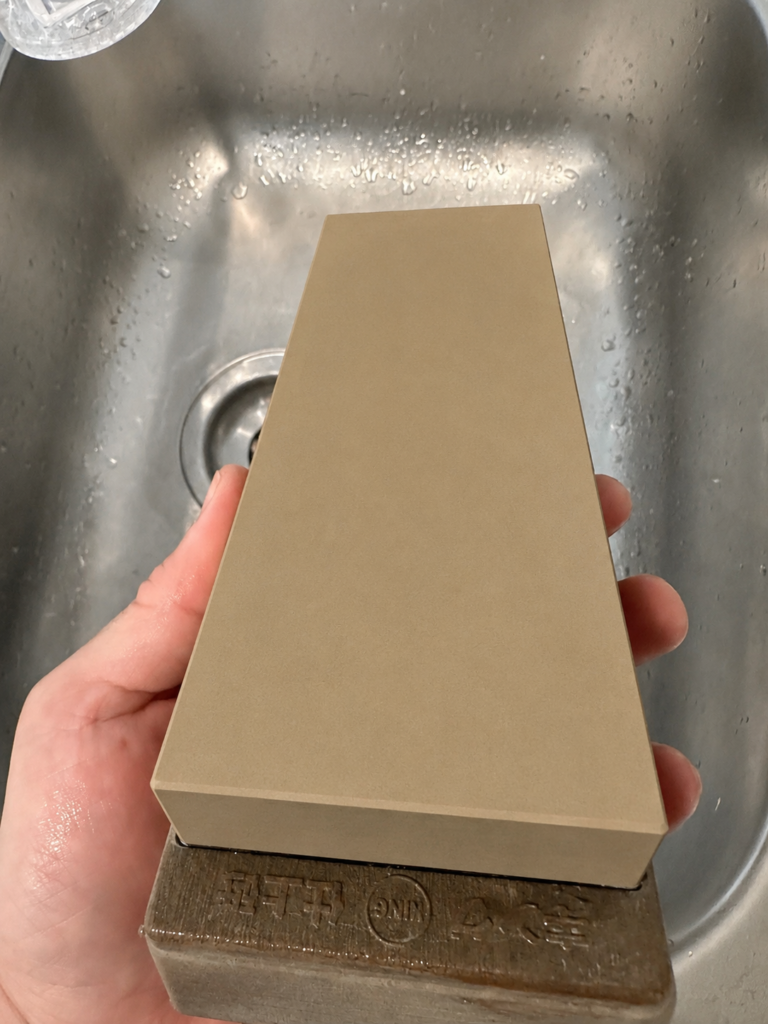
    Instead of focusing entirely on traditional appearance, it combines centuries of Japanese blacksmithing with contemporary materials and thoughtful design.

    It’s a different expression of Japanese craftsmanship.

    Neither is better.

    They’re simply different philosophies.

    If you’re interested in the traditional side of Japanese knife making, you might also enjoy reading:

    Related Article:
    Wabi-Sabi | Experience the Quiet Beauty of This Handcrafted Santoku Knife

    (Insert your internal blog link here.)

    One embraces the beauty of age and simplicity.

    The other demonstrates how Japanese craftsmanship can continue evolving while respecting its heritage.

    Both represent the spirit of Monozukuri.

    Because Monozukuri isn’t about resisting change.

    It’s about improving with every generation while never losing sight of the craftsmanship that came before.

    Three Knives. One Complete Collection

    Knife Set

    This collection is available in three carefully selected models.

    Santoku

    The Santoku is one of Japan’s most versatile kitchen knives.

    Whether you’re preparing vegetables, slicing meat, or cutting fish, it’s designed to handle everyday cooking with ease.

    Its balanced size makes it an excellent choice for home cooks looking for a single knife that can do almost everything.

    Gyuto

    The Gyuto is Japan’s answer to the Western chef’s knife.

    Its longer blade offers greater versatility when working with larger vegetables, meat, and fish while maintaining the precision that Japanese knives are known for.

    If you enjoy preparing a wide variety of ingredients, the Gyuto quickly becomes one of the most useful knives in the kitchen.

    Petty

    The Petty knife is designed for precision.

    From peeling fruit and vegetables to trimming meat or preparing garnishes, it provides complete control for delicate work that larger knives simply can’t match.

    Although it’s the smallest knife in the collection, many chefs consider it one of the most frequently used.

    Each knife has its own purpose.

    Together, they create a collection capable of handling almost every task in the kitchen.

    Because every knife shares the same premium VG10 steel, beautifully finished 67-layer Damascus blade, and distinctive green handle, they work together not only in performance but also in appearance.

    Why I Recommend Building the Complete Collection

    Many people begin by purchasing a single Japanese knife.

    That’s exactly what I would recommend if you’re just starting your journey.

    However, once you experience the quality of a handcrafted knife, it’s easy to understand why so many people gradually build a complete collection.

    Having the right knife for each task makes cooking smoother, more enjoyable, and more efficient.

    The Santoku becomes your everyday companion.

    The Gyuto handles larger ingredients with confidence.

    The Petty takes care of all the finer details.

    Instead of asking one knife to do every job, each knife performs the task it was designed for.

    As a result, not only does cooking become easier, but your knives also stay in better condition because each blade is used appropriately.

    My Experience After More Than 25 Years as a Chef

    Having worked as a chef for more than 25 years, I’ve noticed something that many people don’t think about until they experience it themselves.

    When your knives all belong to the same collection, people notice.

    In professional kitchens, fellow chefs often comment on how clean and professional a matching set looks.

    It’s not unusual for someone to walk past and say,

    “Those knives look great together.”

    I’ve also spent many years working at sushi counters where customers can clearly see the knives being used.

    Interestingly, customers notice them too.

    I’ve had guests compliment the appearance of a matching set before they’ve even tasted the food.

    Of course, beautiful knives don’t make someone a better chef.

    Skill, experience, and technique will always be far more important.

    But presentation matters.

    Just as chefs take pride in wearing a clean uniform and maintaining an organised workstation, using knives from the same collection creates a sense of consistency and professionalism.

    It reflects the respect we have for our craft.

    That’s one of the reasons I personally enjoy using knives from the same series whenever possible.

    Not because they match.

    But because together they create a workspace that feels organised, intentional, and enjoyable to work in every day.

    For me, that’s another reason why I often recommend building a complete Japanese knife set rather than collecting individual knives from different collections.

    It’s something I’ve genuinely appreciated throughout my career, and I believe many passionate home cooks will appreciate it too.

    More Than Just a Knife

    A yanagiba knife that has been used for 40 years

    After more than 25 years as a chef, I’ve come to realise that a great knife is far more than just a cutting tool.

    It’s something you rely on every day.

    It becomes part of the way you cook, the way you work, and even the way you present yourself as a chef.

    The longer you use a well-made knife, the more you appreciate the skill, experience, and dedication that went into creating it.

    That’s exactly what Monozukuri is all about.

    It’s not simply making products.

    It’s about creating something with care, purpose, and pride—something designed to be used and appreciated for many years.

    Every handcrafted knife in this collection reflects that philosophy.

    The Asaoya Yaichi Philosophy

    Asaoya Yaichi

    At Asaoya Yaichi, our goal has never been to offer the largest selection of Japanese knives.

    Instead, we carefully select knives that we genuinely believe in.

    As someone who has spent over two decades working in professional kitchens, I understand how important it is to trust the tools you use every day.

    That’s why every knife we offer is chosen not only for its appearance, but also for its performance, durability, and the craftsmanship behind it.

    We want to introduce authentic handcrafted Japanese knives that you’ll enjoy using for many years—not simply because they’re beautiful, but because they earn their place in your kitchen every time you cook.

    Continue Exploring Japanese Knives

    If you’d like to learn more about authentic Japanese knives, you may also enjoy these articles:

    You can explore all of our latest articles here:

    👉 https://blog.asaoyayaichi.com.au

    Discover the Collection

    If you’re looking for handcrafted VG10 Damascus Japanese knives that combine traditional Japanese craftsmanship with thoughtful modern design, we invite you to explore this collection.

    Whether you choose the Santoku, Gyuto, Petty, or the complete Japanese knife set, you’ll be investing in knives that were created to perform beautifully for years to come.

    More importantly, you’ll experience a small part of the philosophy that has guided Japanese craftspeople for generations.

    Monozukuri isn’t simply about making knives.

    It’s about making them the right way.

    From Tosa, Japan, to your kitchen.

    Explore our handcrafted Japanese knives

    Shop the collection:
    https://www.asaoyayaichi.com.au

    As both a chef and the founder of Asaoya Yaichi, I hope these knives bring you the same enjoyment and confidence they’ve brought me throughout my career.

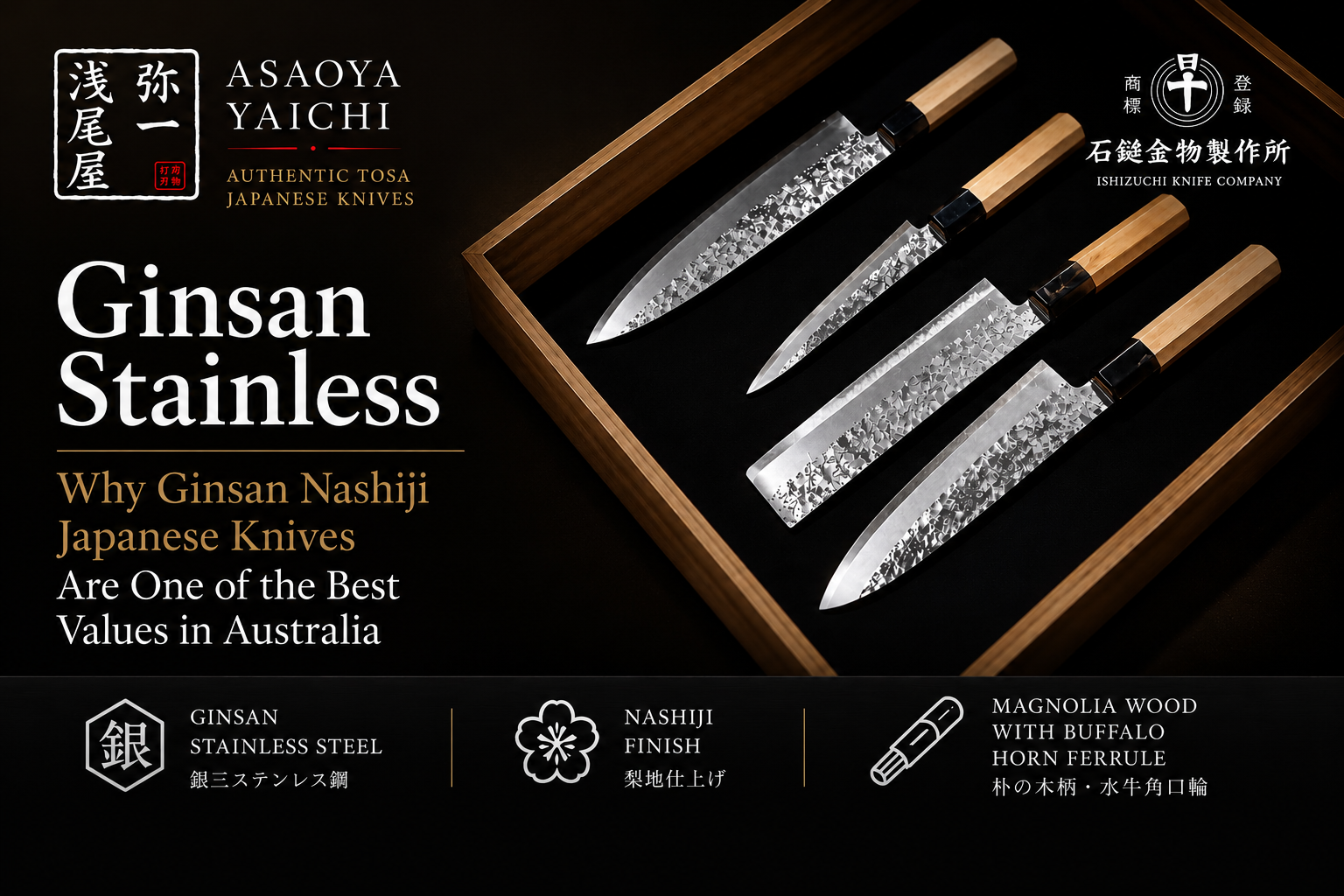
  • Ginsan Stainless | Why Ginsan Nashiji Japanese Knives Are One of the Best Values in Australia

    Ginsan Stainless | Why Ginsan Nashiji Japanese Knives Are One of the Best Values in Australia

    Ishizuchi Kanamono Manufactory

    When most people think of Japanese knives, they imagine beautiful handcrafted blades made from carbon steel.

    There’s no doubt carbon steel has its own charm. But for many people, one question always comes first.

    “Will it rust if I don’t take perfect care of it?”

    If you love the traditional appearance of Japanese knives but want something that’s easier to use every day, there’s one combination that deserves far more attention.

    Ginsan stainless steel with a traditional Nashiji finish.


    210mm Gyuto Ginsan Nashiji Forged Magnolia Octagonal Handle Buffalo Horn Ferrule
    A$460.00

    Ginsan, also known as Silver #3 steel, is one of Japan’s finest stainless steels. It offers excellent corrosion resistance, making it much easier to maintain than traditional carbon steel while still delivering the razor-sharp edge and smooth cutting performance that Japanese knives are famous for.

    For many home cooks in Australia, this means enjoying authentic Japanese craftsmanship without constantly worrying about rust or complicated maintenance.

    Another feature that makes these knives so appealing is the Nashiji finish.

    “Nashiji” literally means “pear skin” in Japanese, referring to the subtle textured finish on the blade. Rather than a mirror polish or an eye-catching Damascus pattern, Nashiji has a quiet, understated beauty that reflects traditional Japanese craftsmanship. It isn’t flashy, but that’s exactly why so many knife enthusiasts appreciate it. The finish also helps hide the small scratches that naturally appear during everyday cooking, making it as practical as it is beautiful.

    Another traditional feature of this series is its octagonal magnolia wood handle with a genuine buffalo horn ferrule. The lightweight magnolia wood offers excellent balance and comfort during extended use, while the natural buffalo horn ferrule has long been used on traditional Japanese knives. Because buffalo horn is a natural material, every handle has its own unique colour and pattern, making each knife one of a kind.

    This handcrafted Tosa Japanese knife series is available in four of the most useful styles: the versatile Santoku, the all-purpose Gyuto, the vegetable-focused Nakiri, and the compact Petty knife.

    Ginsan santoku. Ginsan petty. Ginsan Nakiri. Ginsan Gyuto

    Each knife offers the same balance of traditional Japanese aesthetics, outstanding cutting performance, and the everyday convenience of premium stainless steel.

    Because the series includes all four styles, many people choose to build a matching Japanese knife set. Having the same Nashiji finish across your collection creates a clean, elegant, and professional look in your kitchen while giving you the right knife for every cooking task. Whether displayed on a magnetic knife holder or stored together, the matching finish brings a timeless sense of style that many chefs and home cooks appreciate.

    For anyone searching for authentic Japanese knives in Australia, Ginsan Nashiji Tosa knives offer exceptional value. They combine the traditional appearance and craftsmanship of handcrafted Japanese knives with the practicality of stainless steel, making them an excellent choice for both first-time buyers and experienced cooks.

    Asaoya Yaichi

    At Asaoya Yaichi, we carefully select handcrafted Japanese knives made by skilled craftspeople in Tosa, Japan. Every knife is designed to be used, appreciated, and enjoyed for many years.

    Whether you’re looking for a single knife or want to build a complete Japanese knife set, our Ginsan Nashiji collection includes Gyuto, Santoku, Nakiri, and Petty knives to suit every style of cooking.

    Explore our handcrafted Japanese knives and discover the Ginsan Nashiji collection at:

    https://www.asaoyayaichi.com.au

    Find the knife that suits your cooking style and experience the perfect balance of traditional Japanese craftsmanship, premium stainless steel performance, and timeless design.

    From Tosa, Japan, to your kitchen.

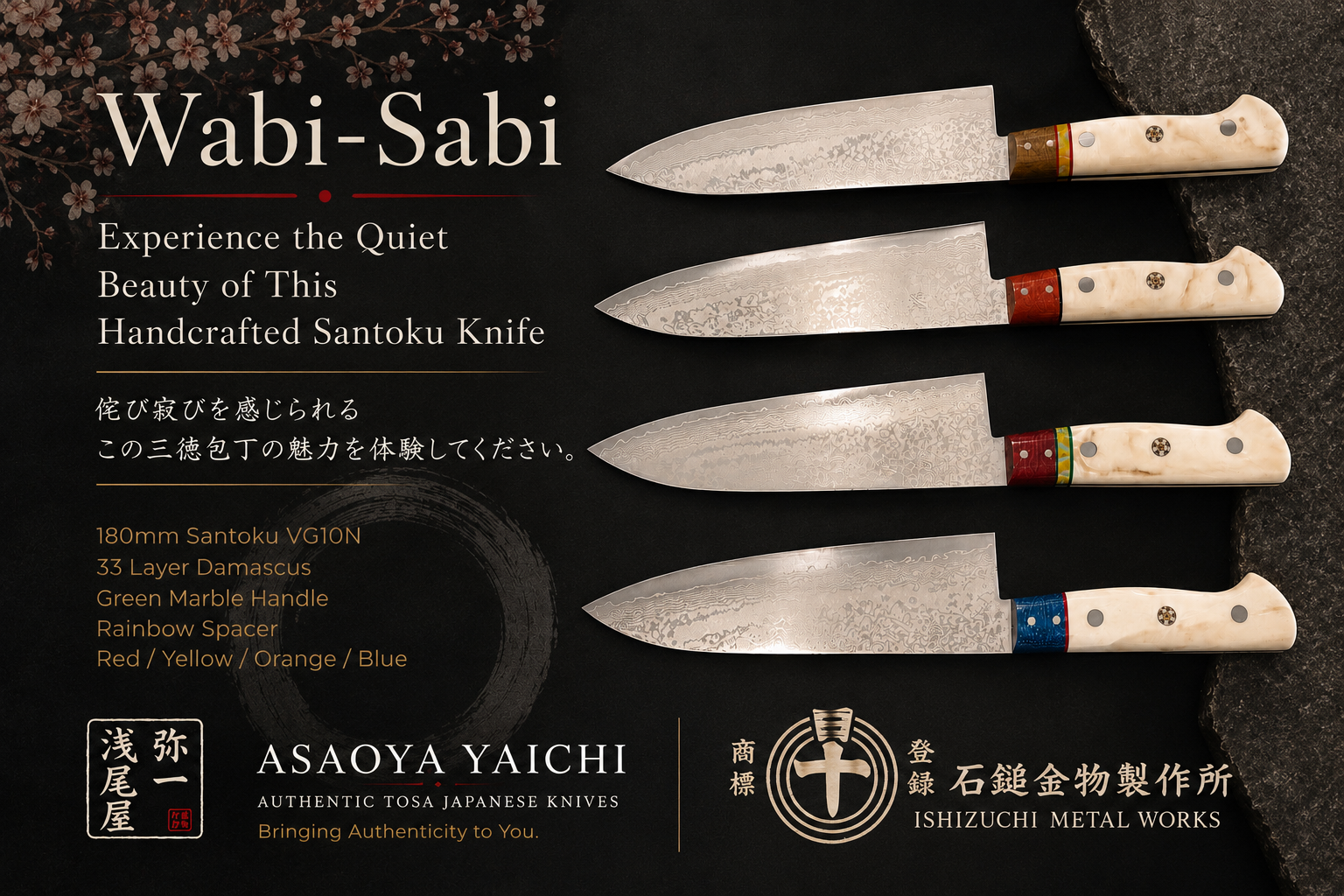
  • Wabi-Sabi | Experience the Quiet Beauty of This Handcrafted Santoku Knife

    Wabi-Sabi | Experience the Quiet Beauty of This Handcrafted Santoku Knife

    Ishizuchi Kanamono Manufactory

    When people think of a beautiful Japanese knife, many imagine a mirror-polished blade or an eye-catching Damascus pattern.

    While those styles certainly have their place, Japanese culture has long embraced a different idea of beauty.

    Rather than seeking perfection, traditional Japanese aesthetics celebrate simplicity, balance, authenticity, and the quiet character that develops over time.

    This philosophy is known as Wabi-Sabi.

    Wabi-Sabi isn’t simply about appearance. It is about appreciating craftsmanship, natural materials, and the beauty that comes from using something every day.


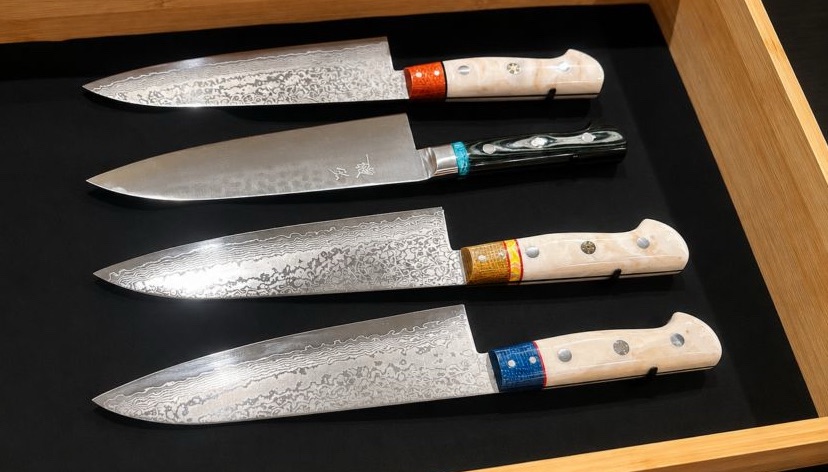
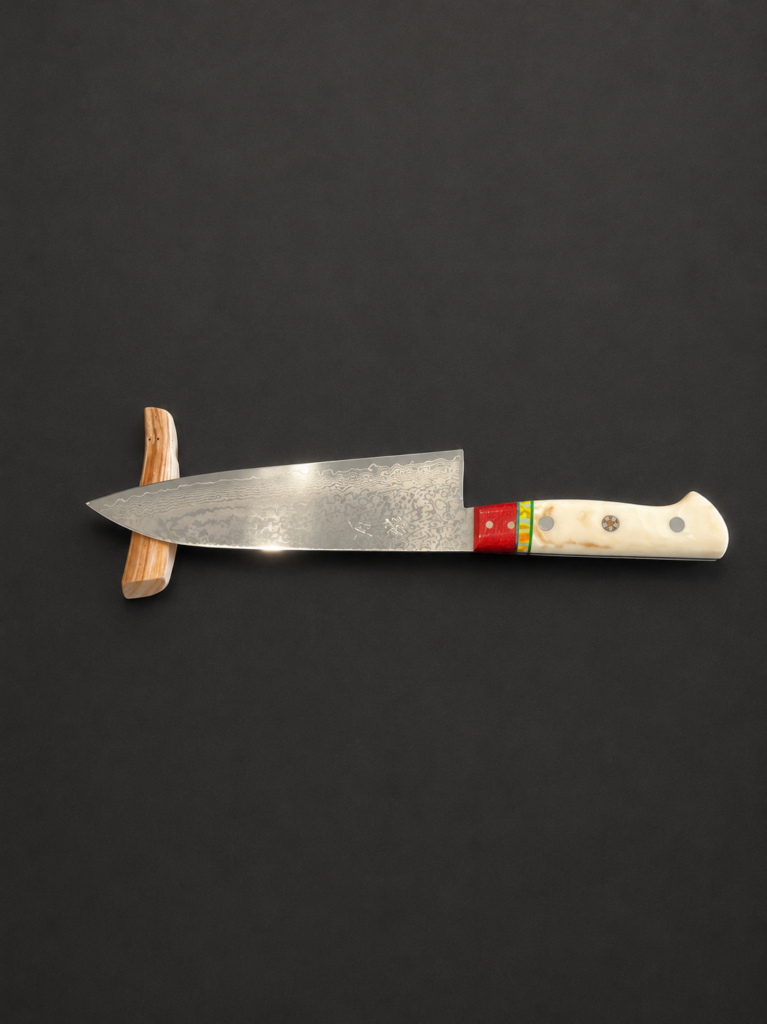
    180mm Santoku VG10N 33 Layer Damascus Green Marble Handle Rainbow Spacer Red
    A$780.00

    For me, the 180mm Santoku VG10N 33 Layer Damascus Green Marble Handle Rainbow Spacer Red perfectly captures that philosophy.

    The flowing 33-layer Damascus pattern is elegant without being overwhelming.

    Instead of demanding attention, it reveals more detail every time the light hits the blade from a different angle.

    The longer you look at it, the more you appreciate its subtle beauty.

    The green marble handle makes every knife unique.

    Because the material naturally varies, no two handles are ever identical.

    Each knife has its own personality, something I believe perfectly reflects the spirit of handcrafted Japanese craftsmanship.

    Between the blade and the handle sits a beautiful rainbow spacer.

    Rather than feeling flashy, it provides a tasteful modern accent that complements the traditional Damascus blade and the elegant green marble handle.

    Together, these elements create a knife that feels refined, balanced, and unmistakably Japanese.

    Asaoya Yaichi

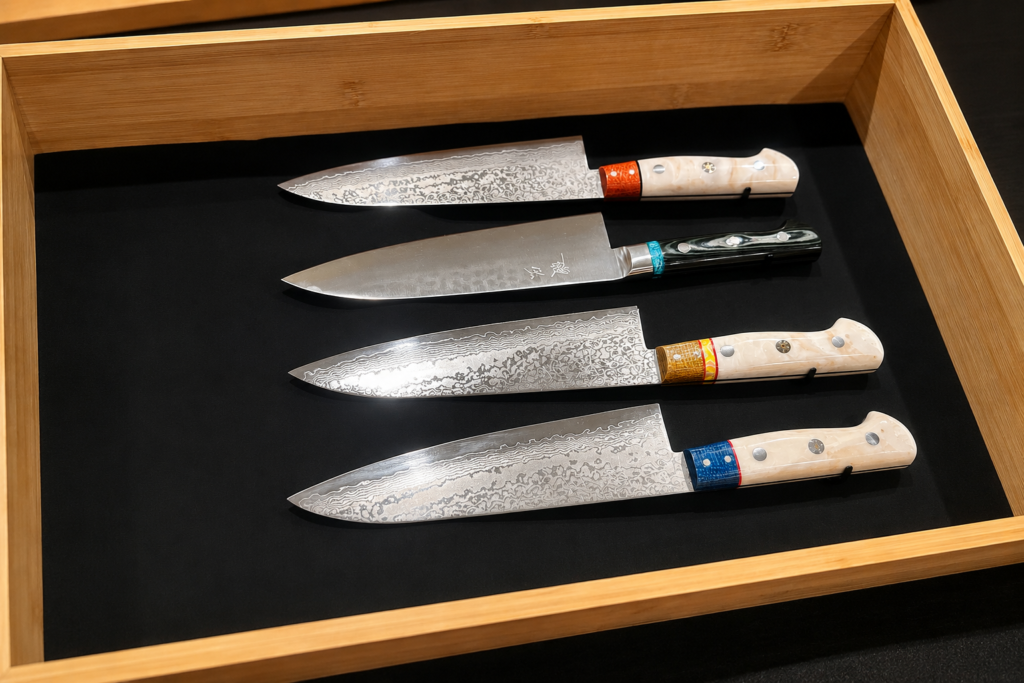
    This series is also available in four different handle coloursRed, Yellow, Orange, and Blue.

    Each colour offers its own distinctive personality while maintaining the same exceptional craftsmanship and cutting performance.

    Whether you prefer something bold or something more understated, there is a version that will suit your own style and kitchen.

    There is also something very special about this collection that I’d like to share.

    I was recently told that, due to personal circumstances, the blacksmith responsible for producing these knives may not be creating new designs in the future.

    Nothing has been officially confirmed, and of course everyone hopes that new creations will continue.

    However, there is a genuine possibility that this collection could become one of the final series produced by this craftsman.

    If that turns out to be the case, these knives will represent far more than beautiful kitchen tools.

    They will become lasting examples of one artisan’s work and dedication.

    To me, that adds another layer of meaning to owning one.

    Not because it might become rare, but because it carries the story of a craftsman whose work deserves to be appreciated.

    Of course, beauty alone isn’t enough.

    A great knife must also perform exceptionally well.

    VG10 Stainless Steel

    This Santoku is forged from VG10N stainless steel, one of Japan’s most respected stainless steels.

    It offers excellent edge retention, impressive corrosion resistance, and straightforward maintenance, making it an excellent choice for both professional chefs and passionate home cooks.

    If you’ve always admired handcrafted Japanese knives but felt hesitant about maintaining carbon steel, VG10N offers an ideal balance between performance and convenience.

    The 180mm Santoku is also one of the most versatile knives you can own.

    From vegetables and meat to fish and everyday meal preparation, it handles almost every kitchen task with confidence.

    It is no surprise that Santoku has become one of the world’s most popular Japanese knife styles.

    Having worked as a chef for more than 25 years, I’ve handled countless Japanese knives.

    Some impress immediately with extravagant finishes.

    Others focus purely on performance.

    But the knives that remain with you for years are usually the ones you naturally reach for every single day.

    This Santoku feels exactly like that.

    Beautiful without trying too hard.

    Elegant without being fragile.

    Practical enough for everyday cooking while carrying the soul of traditional Japanese craftsmanship.

    Perhaps that is the true meaning of Wabi-Sabi.

    Finding beauty not in perfection, but in honest craftsmanship, thoughtful design, and an object that becomes more meaningful every time you use it.

    If you’re looking for a handcrafted Japanese knife that combines timeless beauty, exceptional performance, and the possibility of becoming part of a very special chapter in a Japanese craftsman’s story, this Santoku deserves a place in your kitchen.


    Discover Authentic Handcrafted Tosa Knives

    Asaoya Yaichi

    At Asaoya Yaichi, we carefully select authentic handcrafted knives from Tosa, Japan.

    Every knife we offer has been chosen not only for its performance, but also for the story, craftsmanship, and tradition behind it.

    Explore our collection today and experience the beauty of authentic Japanese craftsmanship.

    https://www.asaoyayaichi.com.au

    From Tosa, Japan, to your kitchen.

  • Sujihiki Knives | Discover the Appeal of Asaoya Yaichi’s Carefully Selected Sujihiki Knives

    Sujihiki Knives | Discover the Appeal of Asaoya Yaichi’s Carefully Selected Sujihiki Knives

    The Sujihiki Knives I Recommend for Sashimi

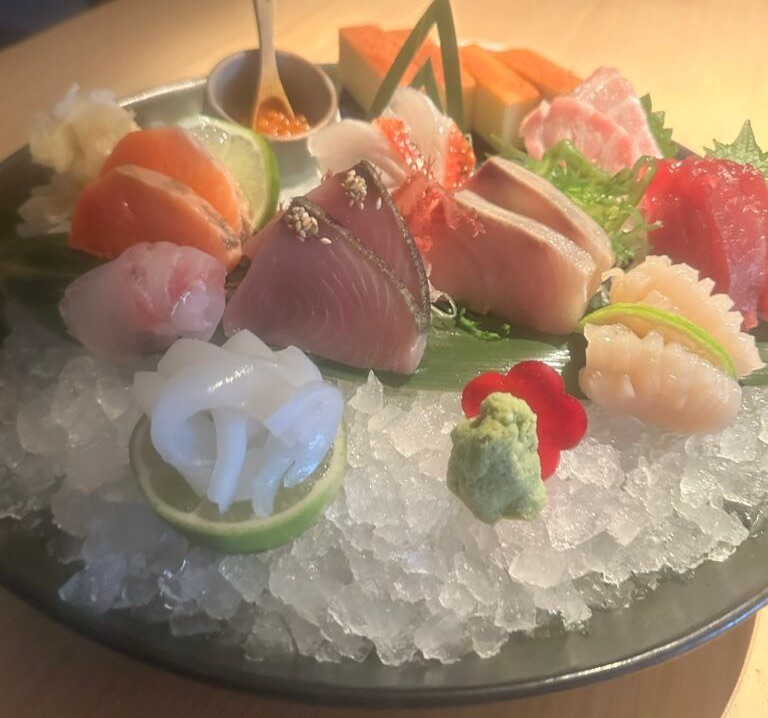
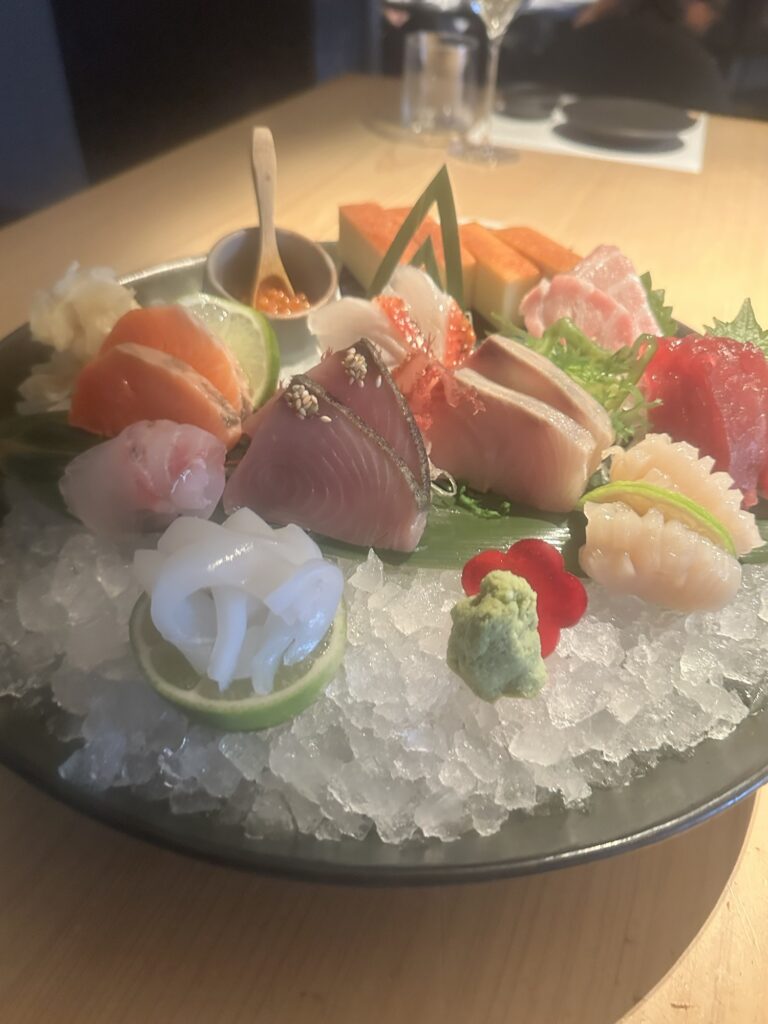
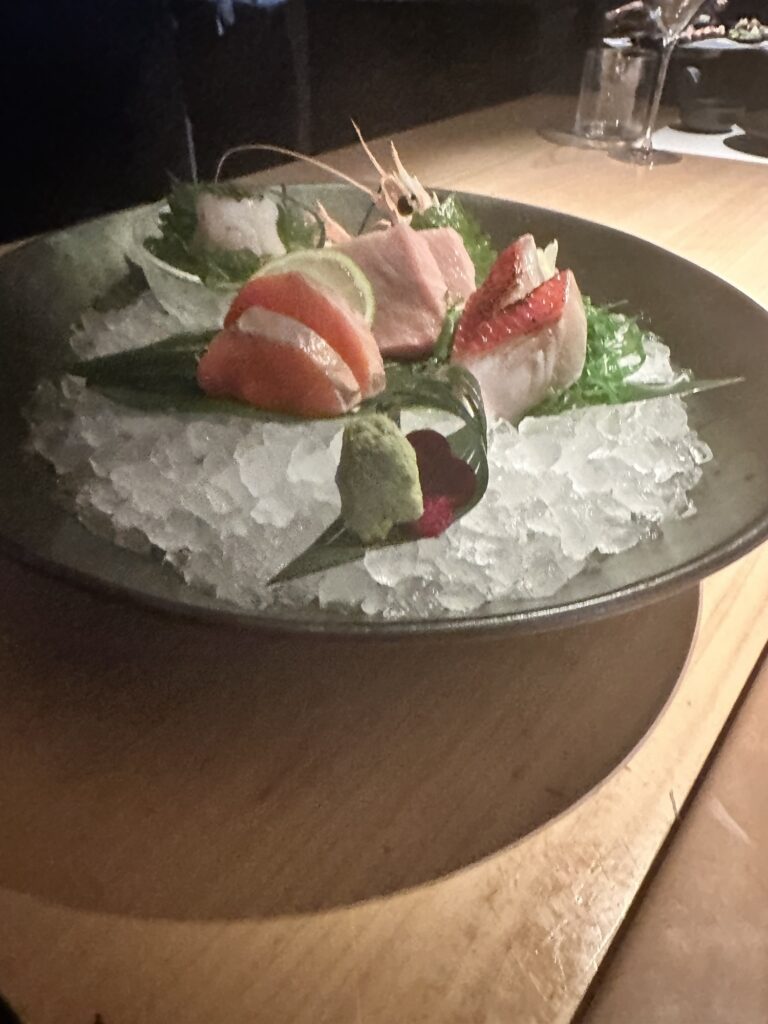
    Sashimi platter

    When people think of a knife for slicing sashimi, many immediately picture a traditional Yanagiba.

    I understand why.

    A beautifully polished Yanagiba looks impressive behind a sushi counter, and its single-bevel edge can produce incredibly clean slices when used correctly.

    But after more than 25 years working as a chef in Japan and Australia, including at sushi counters, the knife I often prefer for actual daily use is a Sujihiki.

    For me, a Sujihiki offers the balance I want between clean slicing performance, control, versatility, and practicality.

    That is why I recommend these two Sujihiki knives from Asaoya Yaichi for anyone looking for a serious Japanese slicing knife.

    Why I Prefer a Sujihiki for Sashimi

    Ishizuchi Kanamono Manufactory

    A Sujihiki has a long, narrow blade designed to draw smoothly through fish and meat.

    Instead of pushing down through the ingredient, the length of the blade allows you to pull the knife through in one clean motion.

    This is especially important when slicing sashimi.

    A clean draw cut helps preserve the surface of the fish rather than crushing or tearing it.

    Depending on the steel, blade thickness, and construction, some Sujihiki knives also have a slight amount of natural flexibility.

    When cutting thin slices, I personally find that this subtle flex can be useful. By controlling the blade and allowing it to move naturally through the fish, it is possible to produce smooth, delicate slices.

    Unlike a traditional single-bevel Yanagiba, a Sujihiki is double-bevelled, making it easier for many cooks to use and maintain.

    It can also be used for more than sashimi.

    A good Sujihiki can slice raw fish, cooked meat, roast beef, poultry, and many other ingredients with precision.

    For a professional kitchen or a serious home cook, that versatility makes it one of the most practical Japanese knives to own.

    210mm Sujihiki Aogami #2 Kurouchi Magnolia Handle


    210mm Sujihiki Aogami #2 Kurouchi Magnolia Handle
    A$270.00

    The 210mm Sujihiki Aogami #2 Kurouchi Magnolia Handle is the knife I recommend for those who want a traditional Japanese blade with a strong sense of character.

    Aogami #2, also known as Blue Paper Steel #2, is valued for its sharpness, edge retention, and ability to take a refined cutting edge.

    For slicing sashimi, that sharp edge allows the knife to move cleanly through the fish with very little resistance.

    The 210mm blade length is also practical.

    It is long enough to perform a smooth draw cut, while still feeling manageable in kitchens where space may be limited.

    The Kurouchi finish gives the knife a traditional, rustic appearance.

    Rather than looking overly polished or decorative, it carries the character of a handcrafted working knife.

    The magnolia handle helps keep the overall knife light and comfortable in the hand.

    This combination makes it especially appealing to cooks who value traditional Japanese craftsmanship, carbon-steel performance, and a lightweight, responsive feel.

    Why Choose This Knife?

    Choose the 210mm Aogami #2 Kurouchi Sujihiki if you want:

    • A sharp traditional carbon-steel blade
    • Excellent edge retention
    • A lighter and more responsive knife
    • A practical 210mm length
    • A traditional Kurouchi appearance
    • A knife with the character of authentic Japanese craftsmanship

    This is not simply a decorative knife.

    It is a working knife made for people who appreciate sharpness, control, and traditional Japanese blade-making.

    240mm Sujihiki VG10 Hammered 17 Layer Damascus Mahogany


    240mm Sujihiki VG10 Hammered 17 Layer Damascus Mahogany 
    A$360.00

    The 240mm Sujihiki VG10 Hammered 17 Layer Damascus Mahogany is the knife I recommend for those who want outstanding slicing performance with easier daily maintenance.

    The longer 240mm blade gives you more cutting length, making it easier to slice larger pieces of fish or meat in one smooth pull.

    That extra length is especially useful when preparing sashimi, slicing large fish fillets, or portioning roast meats.

    The VG10 stainless steel core offers a strong balance of sharpness, edge retention, and corrosion resistance.

    In a busy professional kitchen, stainless steel is extremely practical.

    You still need to wash and dry the knife properly, but it is more forgiving than carbon steel during service.

    The hammered finish and 17-layer Damascus construction give this knife a more refined and luxurious appearance.

    It looks impressive on a magnetic rack, in a professional kitchen, or behind a sushi counter.

    The mahogany handle adds warmth and weight, giving the knife a more substantial feel in the hand.

    Why Choose This Knife?

    Choose the 240mm VG10 Hammered 17 Layer Damascus Sujihiki if you want:

    • A longer blade for clean, uninterrupted draw cuts
    • Stainless-steel practicality
    • Easier daily maintenance
    • Excellent performance for fish and meat
    • A hammered Damascus finish
    • A more luxurious and substantial feel
    • A knife that performs well and looks impressive

    This knife is ideal for chefs and home cooks who want professional slicing performance without the additional care required by carbon steel.

    From My Own Experience

    Asaoya Yaichi

    Over the years, my choice of Sujihiki has changed.

    I used to use the 210mm Sujihiki Aogami #2 Kurouchi Magnolia Handle, but today I mainly use the 240mm Sujihiki VG10 Hammered 17 Layer Damascus Mahogany.

    Having worked with both, I’ve come to appreciate that each offers a different experience.

    The 210mm Kurouchi Sujihiki feels light, agile, and incredibly easy to control.

    Its lighter weight makes it comfortable for long services, while the traditional Kurouchi finish gives it a rugged, authentic Japanese character that I still love today.

    The 240mm VG10 Sujihiki, however, is the knife I now reach for most often.

    The longer blade allows me to use almost the entire edge in one smooth draw, creating cleaner slices of sashimi with less interruption.

    Behind a sushi counter, I also enjoy the way the longer polished blade moves through the fish. It has a presence that customers notice, making the slicing itself part of the dining experience.

    Personally, I think the 210mm Kurouchi Sujihiki is the practical workhorse, while the 240mm VG10 Sujihiki combines outstanding cutting performance with the visual impact that suits a sushi counter perfectly.

    That is why these are the two Sujihiki knives I confidently recommend.

    Which Asaoya Yaichi Sujihiki Should You Choose?

    https://blog.asaoyayaichi.com.au/

    The choice between these two knives is straightforward.

    Choose the 210mm Sujihiki Aogami #2 Kurouchi Magnolia Handle if you want a lighter, more traditional knife with the sharpness and character of carbon steel.

    Choose the 240mm Sujihiki VG10 Hammered 17 Layer Damascus Mahogany if you want a longer, more visually refined stainless-steel knife that is easier to maintain during everyday use.

    Both knives are designed to produce clean, controlled slices.

    Both can be used for sashimi, raw fish, meat, and professional food preparation.

    The difference is the experience you want from the knife.

    One offers the traditional feel of Aogami #2 carbon steel and a Kurouchi finish.

    The other offers the practicality of VG10 stainless steel with the beauty of hammered Damascus.

    A Sujihiki Made for Real Use

    Asaoya Yaichi

    A Japanese knife should not only look beautiful.

    It should perform when you need it.

    These two Sujihiki knives have been selected because they offer the slicing performance required for sashimi while remaining practical enough for real kitchens.

    Whether you prefer the traditional character of Aogami #2 or the easier maintenance of VG10 stainless steel, both knives are made to be used, sharpened, and appreciated for years.

    Explore the collection at Asaoya Yaichi:

    https://www.asaoyayaichi.com.au

    From Tosa, Japan, to your kitchen.

  • Why Do Japanese Knives Rust So Easily? (And Why That’s Not a Bad Thing)

    Why Do Japanese Knives Rust So Easily? (And Why That’s Not a Bad Thing)

    Ishizuchi Kanamono Manufactory

    One of the most common questions I hear is:

    “Why does my Japanese knife rust so easily?”

    It’s a fair question. After all, many people expect an expensive knife to stay shiny and rust-free forever.

    But with traditional Japanese knives, rust isn’t a sign of poor quality. In many cases, it’s actually a sign of what makes the knife special.

    Why Carbon Steel Rusts

    Asaoya Yaichi

    Many handcrafted Japanese knives are made from high-carbon steel, such as Aogami (Blue Steel) or Shirogami (White Steel).

    These steels are loved by professional chefs because they offer exceptional sharpness, excellent edge retention, and are easier to sharpen than many stainless steels.

    The trade-off is that carbon steel reacts more easily with moisture and acidic foods, so it can develop rust if left wet.

    My Own Experience

    I learned this the hard way.

    Even after rinsing my knife with water, I once left it sitting for a while after cutting citrus fruit.

    When I came back, small spots of rust had already started to appear.

    It wasn’t because the knife was poorly made.

    It was because the acid from the citrus remained on the blade long enough to react with the carbon steel.

    Since then, I’ve made it a habit to wash my knives, dry them immediately, and never leave them sitting wet.

    Rust Doesn’t Mean a Bad Knife


    180mm Kiritsuke Aogami #2 Kurouchi Walnut Octagonal Handle

    Many of Japan’s finest kitchen knives are made from carbon steel.

    Professional chefs continue to choose them because they value cutting performance over convenience.

    A little extra care is a small price to pay for a knife that delivers incredible sharpness and can last for decades.

    How to Prevent Rust

    Knife Care

    Keeping a carbon steel knife in great condition is simple.

    • Wash it soon after use.
    • Dry it thoroughly with a clean towel.
    • Never leave it soaking in water.
    • Be extra careful after cutting acidic foods such as lemons, limes, or tomatoes.
    Tsubaki Oil
    • If storing the knife for an extended period, apply a thin coat of camellia oil (tsubaki oil), which has traditionally been used in Japan to protect carbon steel from rust. If you don’t have camellia oil, a small amount of food-grade cooking oil can also be used as a temporary alternative.

    What If Rust Already Appears?

    Don’t panic if you notice rust on your knife.

    In many cases, light surface rust can be removed before it causes any serious damage.

    Depending on the severity of the rust, you may be able to remove it by:

    • Sharpening the blade on a whetstone.
    • Gently polishing the affected area with fine-grit sandpaper.
    • Using a rust eraser designed for knives and tools, such as products commonly known in Japan as Sabitoru.

    The most important thing is to deal with rust as soon as you notice it. The longer rust remains on the blade, the more difficult it can become to remove.

    Prevention Is Better Than Restoration


    240mm Thick Deba Aogami #2 Kurouchi Walnut Handle

    One of the best ways to keep a carbon steel knife in excellent condition is to prevent rust from forming in the first place.

    Once rust starts to develop, the affected areas can become more susceptible to rusting again if they are not properly cleaned and protected.

    That’s why it’s best to care for your knife from the day you buy it. Keeping the blade clean and dry from the beginning is the easiest way to maintain both its appearance and its cutting performance for years to come.

    As with most knife care, prevention is always easier than restoration.

    Final Thoughts


    180mm Santoku VG10N 33 Layer Damascus Green Marble Handle Rainbow Spacer Blue

    Carbon steel knives aren’t difficult to own—they’re simply different.

    Once you understand how to care for them, you’ll see why so many professional chefs continue to choose carbon steel over stainless steel.

    However, if you’re not confident that you’ll be able to give a carbon steel knife the care it needs, there’s nothing wrong with choosing a stainless steel knife instead.

    A knife that suits your lifestyle is always a better choice than one that causes unnecessary stress.

    At Asaoya Yaichi, we proudly offer authentic handcrafted Tosa knives made by skilled Japanese craftspeople, including both carbon steel and stainless steel options.

    If you’re looking for an authentic Japanese knife, we’d be happy to help you find the one that’s right for you.

    Explore our collection at:

    https://www.asaoyayaichi.com.au

    From Tosa, Japan, to your kitchen.

  • I Thought Black-Finished Knives Looked Cheap… Until I Used One

    I Thought Black-Finished Knives Looked Cheap… Until I Used One


    240mm Sujihiki VG10 Hammered 17 Layer Damascus Mahogany

    Black-Finished Knives changed the way I think about Japanese knives. I used to believe they looked cheap, but after years of using them professionally, my opinion completely changed.

    When people think of a beautiful Japanese knife, many imagine a polished Damascus blade with striking patterns.

    I understand why.

    I actually use several Damascus knives myself. To be honest, many of them came to me as sample knives rather than because I specifically chose Damascus.

    But if I’m being completely honest, I’ve never believed a knife is beautiful simply because it has a Damascus pattern.

    A great-looking knife is a great-looking knife, whether it’s Damascus, polished, or black-finished.

    My First Impression of a Black-Finished Knife

    Black-Finished Knives - Handcrafted Tosa Knife

    210mm Sujihiki Aogami #2 Kurouchi Magnolia Handle

    Before I had anything to do with Tosa knives, the head chef I worked with owned a black-finished (Kurouchi) sujihiki.

    The first time I saw it, I honestly thought,

    “What is this? It looks like a toy.”

    Back then, I believed expensive Japanese knives had to be shiny and perfectly polished.

    I couldn’t understand why anyone would want a knife with a dark, rough finish.

    I was completely judging it by its appearance.

    Then I Started Using One


    165mm Kiritsuke Aogami #2 Kurouchi Walnut Octagonal Handle

    Eventually, I had the chance to use a Kurouchi sujihiki made with Aogami #2 steel.

    I liked it, although personally it felt a little softer than I expected.

    Later, I switched to a Kurouchi gyuto made with Aogami super steel.

    That knife completely changed my opinion.

    It held an excellent edge, felt incredibly reliable, and suited the way I cook.

    I’ve used it for everything—from filleting fish to breaking down large fish and even cutting through the heads of salmon and kingfish.

    It has never let me down.

    A Knife That Becomes Yours

    Ishizuchi Kanamono Manufactory

    The more I used that knife, the more it felt like it belonged to me.

    The scratches, the patina, and the marks from years of work became part of its story—and mine.

    I’ve been using that knife for around five years now.

    Even today, I still reach for it almost every day.

    Looking back, it’s funny to think I once dismissed black-finished knives because of how they looked.

    Now I know that the beauty of a knife isn’t just in its appearance.

    It’s in how it performs, how it ages, and how it earns your trust over time.


    Looking for an Authentic Japanese Knife?


    180mm Santoku VG10N 33 Layer Damascus Green Marble Handle Rainbow Spacer Red

    Looking for an Authentic Japanese Knife?

    If you’re searching for a handcrafted Japanese knife made by skilled artisans—not just one that looks beautiful, but one that’s built to perform for years—I’d love to introduce you to the craftsmanship of Tosa.

    One of the biggest lessons I’ve learned as a chef is that a knife should never be judged by its appearance alone. When I was younger, I believed a polished blade represented quality, while a black-finished knife looked unfinished or even cheap. Years of working in professional kitchens completely changed that way of thinking.

    A knife earns its value through performance. The way it holds its edge, the confidence it gives you during service, and how it continues to perform after years of use are far more important than a shiny finish. That’s exactly why my opinion of Kurouchi knives changed so dramatically.

    At Asaoya Yaichi, we carefully select authentic handcrafted Tosa knives made by experienced Japanese blacksmiths. Every knife is forged using traditional techniques that have been refined over generations, with an emphasis on performance, durability, and practical everyday use.

    Whether you choose a polished finish, Damascus, or a traditional Kurouchi finish, there is no single “best” choice. Every finish has its own character and purpose. The most important thing is finding a knife that suits your cooking style, feels comfortable in your hand, and becomes a trusted tool you’ll enjoy using for many years.

    If you’ve never used a black-finished knife before, don’t let your first impression stop you. I made exactly the same mistake. Sometimes the knives that impress you the most aren’t the ones that shine the brightest—they’re the ones that quietly earn your trust every single day.

    Explore our collection and discover the handcrafted Tosa knife that could become part of your own story.
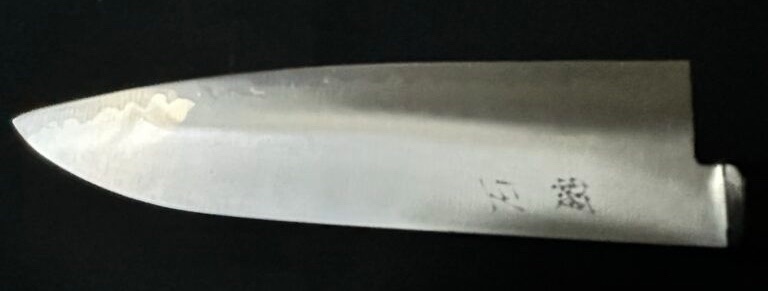
    Explore the collection at:

    https://www.asaoyayaichi.com.au

    From Tosa, Japan, to your kitchen.