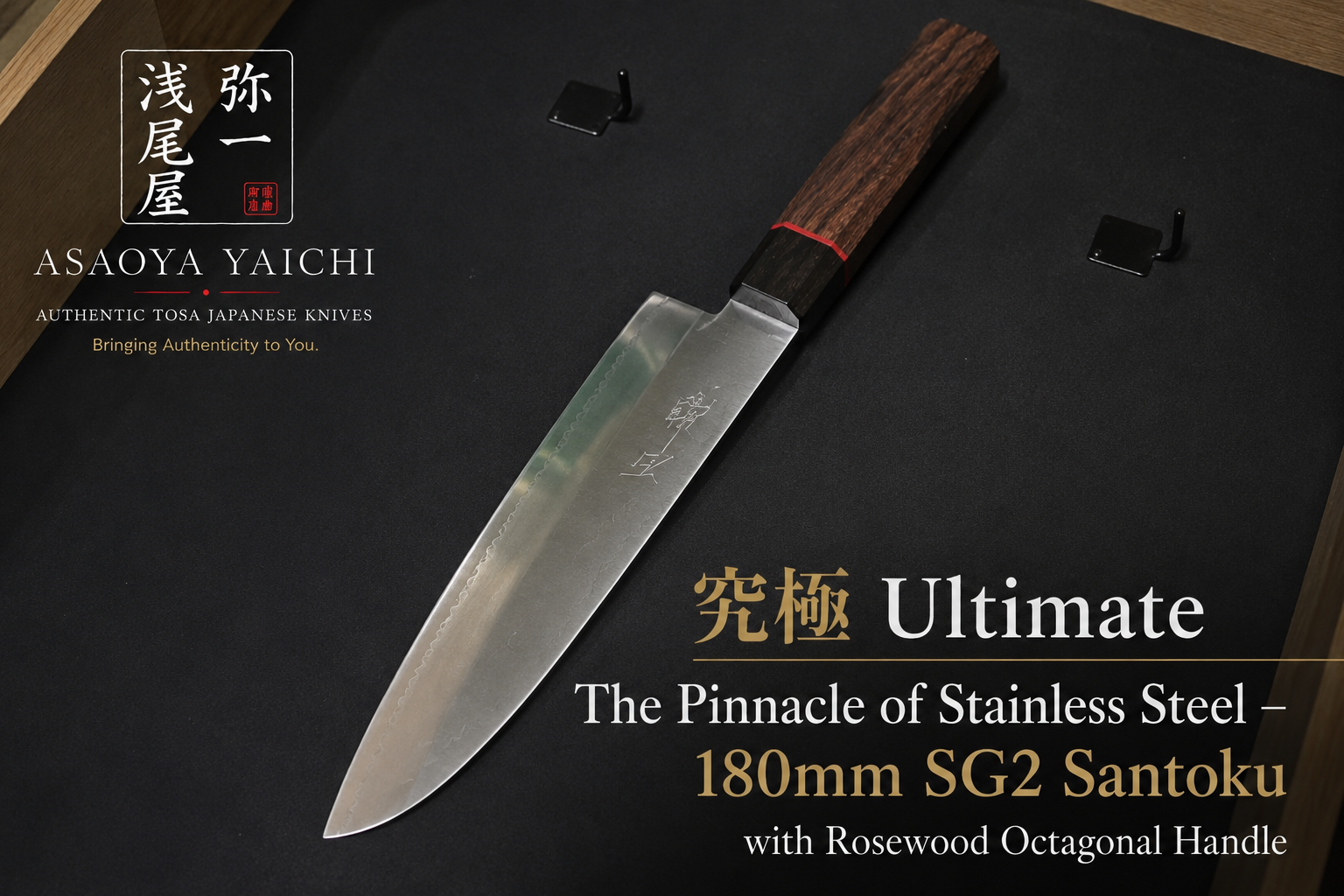
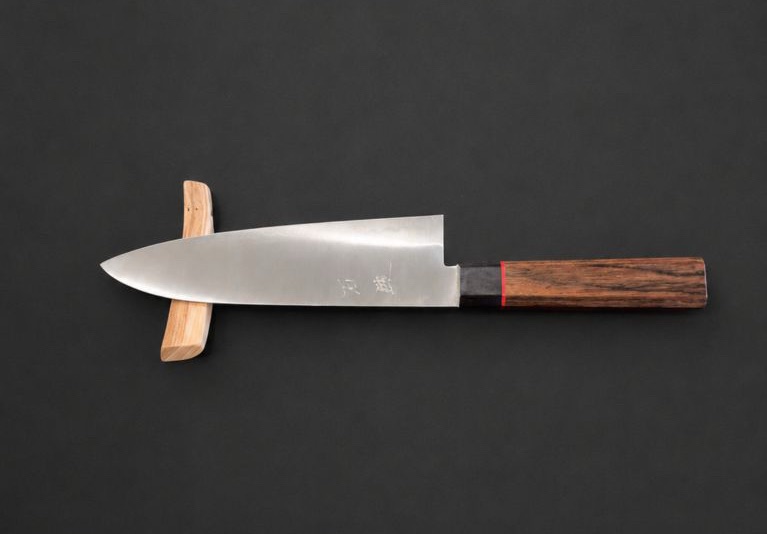
180mm Santoku SG2 Rosewood Octagonal Handle
A$550.00
If you’re looking for a premium Japanese kitchen knife that combines exceptional sharpness with easy maintenance, the 180mm SG2 Santoku deserves serious attention.
Among modern stainless steels, SG2 has earned a reputation as one of the finest choices available. It offers remarkable edge retention, excellent corrosion resistance and refined cutting performance, making it a favourite among professional chefs and passionate home cooks alike.
But no knife steel is perfect.
The 180mm SG2 Santoku also has a few disadvantages that every buyer should understand before making an investment. In this article, I’ll explain both the strengths and weaknesses honestly, based on my experience as a chef, so you can decide whether this knife is right for you.
➡ INTERNAL LINK: Read our Beginner’s Guide to Japanese Knives to discover which knife style suits your cooking best.
Why the 180mm SG2 Santoku Stands Out
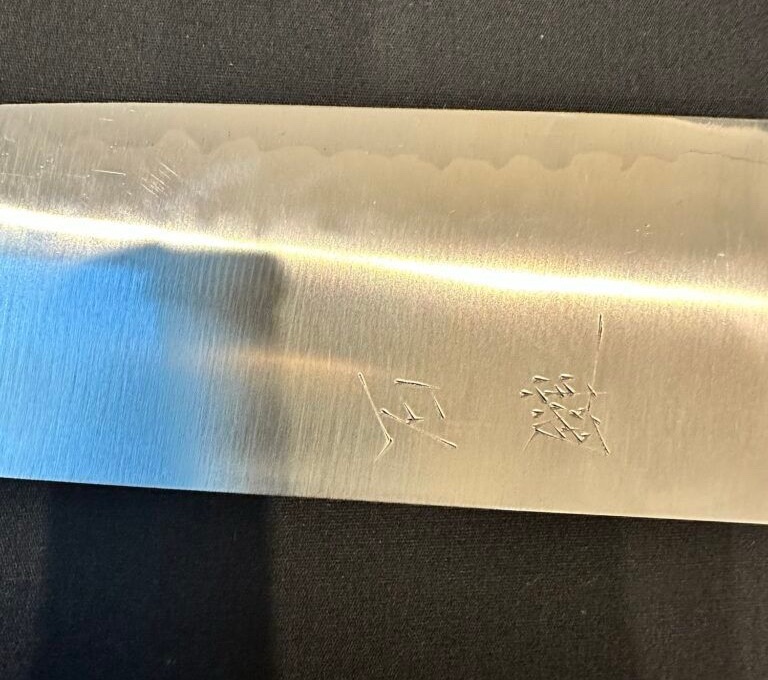
The 180mm SG2 Santoku combines premium powder metallurgy stainless steel with one of Japan’s most versatile knife shapes. At 180mm, it’s large enough for meat, fish and vegetables, yet compact enough to feel comfortable for everyday cooking.
Its rosewood octagonal handle adds traditional Japanese character while providing a secure and balanced grip.
Advantages of the 180mm SG2 Santoku
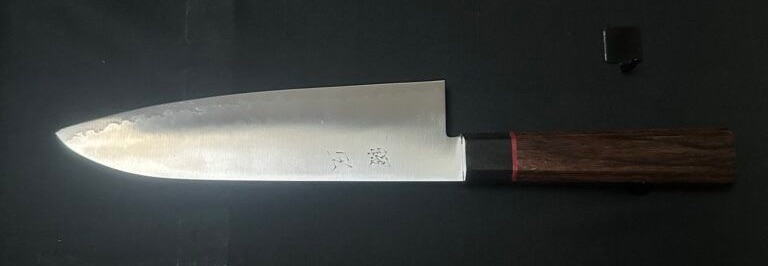
Knife Steel Nerds – VG10 and Super Gold 2 Steel Properties
Exceptional Edge Retention
One of the biggest advantages of the 180mm SG2 Santoku is its outstanding edge retention. SG2’s powder steel structure allows the blade to stay sharp much longer than many conventional stainless steels, reducing how often you need to sharpen it.
Excellent Corrosion Resistance
Unlike traditional carbon steels, SG2 offers excellent resistance to rust. You should still wash and dry the knife after use, but maintenance is far easier than with reactive carbon steel, making it an excellent choice for cooks who want premium performance without constant care.
Beautiful Balance Between Tradition and Technology
The combination of advanced SG2 steel and a handcrafted rosewood octagonal handle creates a knife that feels modern while preserving the beauty of traditional Japanese craftsmanship.
➡ INTERNAL LINK: Learn more in our Carbon Steel vs Stainless Steel comparison.
Disadvantages of the 180mm SG2 Santoku
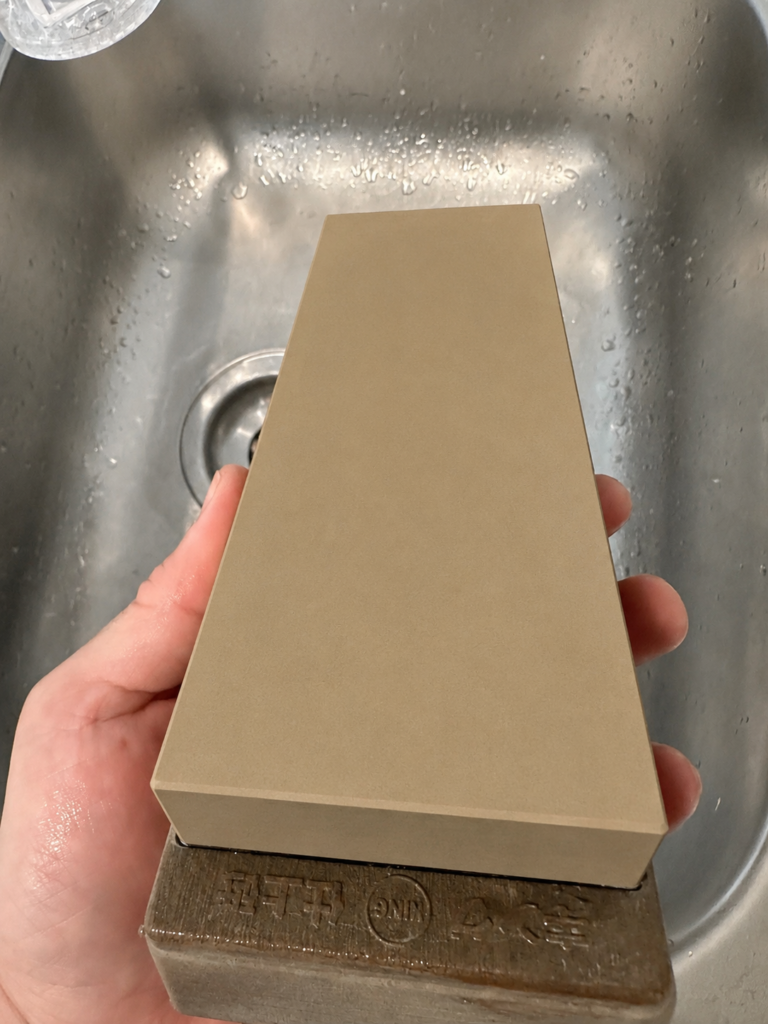
More Difficult to Sharpen
The same hardness that allows SG2 to keep its edge also makes it slower to sharpen. Beginners may need more patience and a quality whetstone to restore the edge properly.
Premium Price
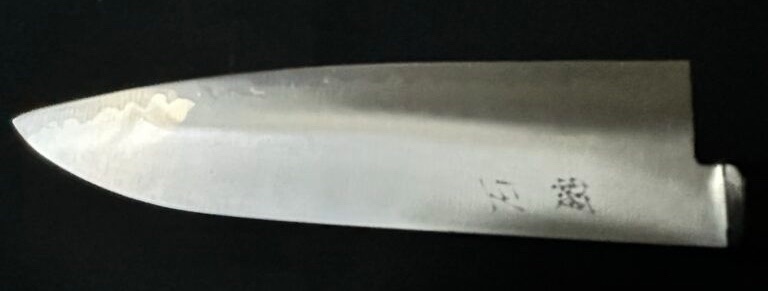
SG2 is considered one of the highest-grade stainless knife steels available, so it naturally costs more than many VG10 or Ginsan knives. While the performance often justifies the investment, it may not be necessary for every cook.
Requires Proper Technique
The 180mm SG2 Santoku is a precision cutting tool, not a heavy-duty cleaver. Avoid cutting frozen food, bones or twisting the blade during use, as the thin edge can chip if misused.
➡ INTERNAL LINK: Read Why Flattening Your Whetstone Matters before sharpening premium Japanese knives.
Is the 180mm SG2 Santoku Worth It?
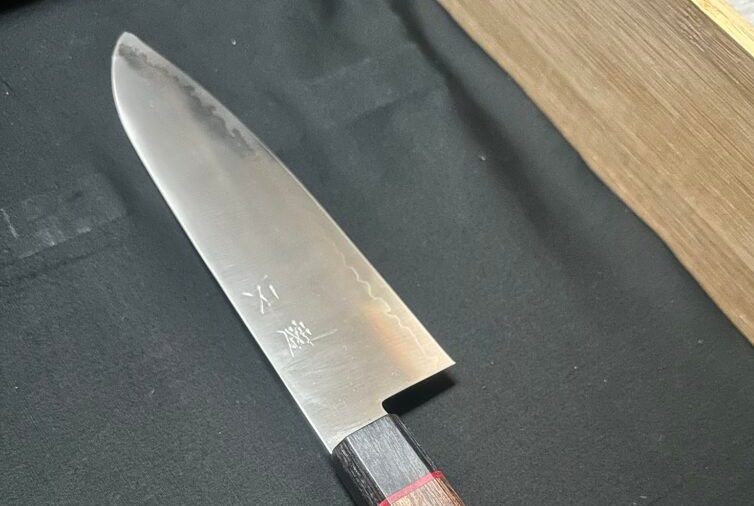
If you value long-lasting sharpness, premium stainless steel and traditional Japanese craftsmanship, the 180mm SG2 Santoku is one of the finest choices available.
It isn’t the cheapest knife, nor is it the easiest steel to sharpen. However, those trade-offs are exactly what allow SG2 to deliver such impressive cutting performance.
For cooks who appreciate quality over compromise, this knife represents an outstanding balance of beauty, durability and precision.
➡ INTERNAL LINK: Explore 5 Common Japanese Knife Mistakes to protect your investment.
➡ INTERNAL LINK: Discover more handcrafted Japanese knives at Asaoya Yaichi and find the perfect knife for your kitchen.
https://asaoyayaichi.com.au