タグ: SG2 Stainless Steel

  • SG2 Steel | Why Is This Japanese Knife Steel Made From Powder?

    SG2 Steel | Why Is This Japanese Knife Steel Made From Powder?


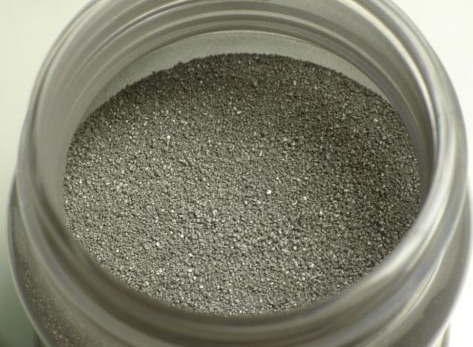
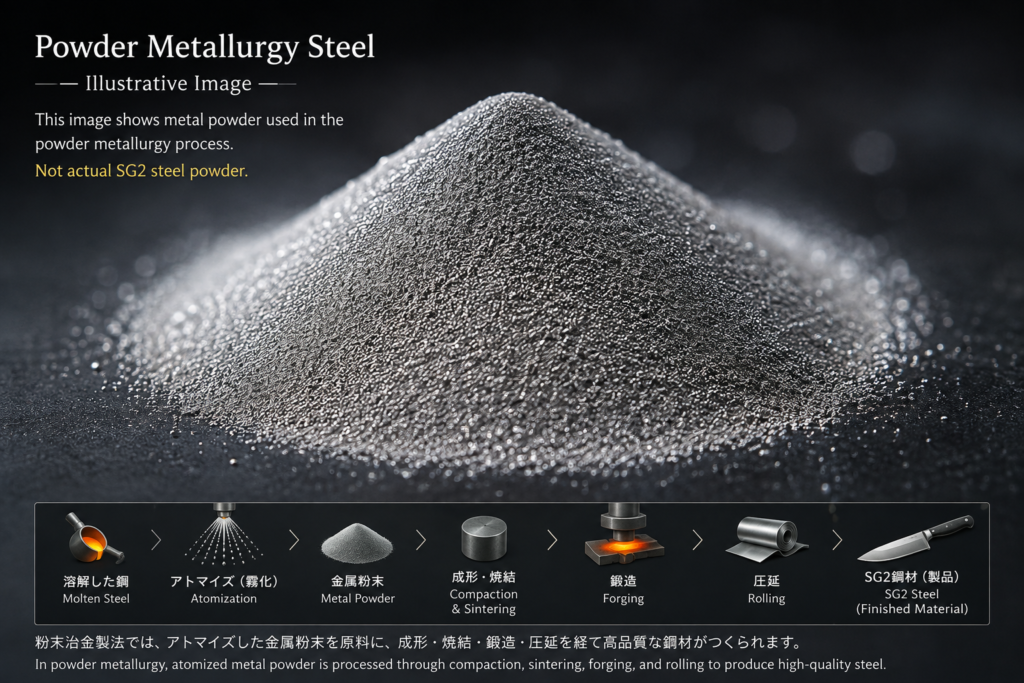
    Powder metallurgy steel — illustrative image. Not actual SG2 steel powder.

    I have worked as a professional chef for more than 25 years, but honestly, I cannot say with certainty whether I have ever used an SG2 steel knife.

    I may have used one without even knowing it.

    For most of my career, I did not choose knives by looking closely at the name of the steel. What mattered to me was much simpler: how the knife felt in my hand, how it cut, how it sharpened, and whether I could rely on it during service.

    Since becoming involved in Japanese knives from the selling side, however, I have started asking questions that I never really asked as a chef.

    SG2 steel was one of them.

    I knew the name and knew it had a reputation as a premium Japanese knife steel. But one description caught my attention more than anything else:

    Powder steel.

    Why would steel used for a kitchen knife be made from powder?

    That was the part I wanted to understand.

    What Is SG2 Steel?
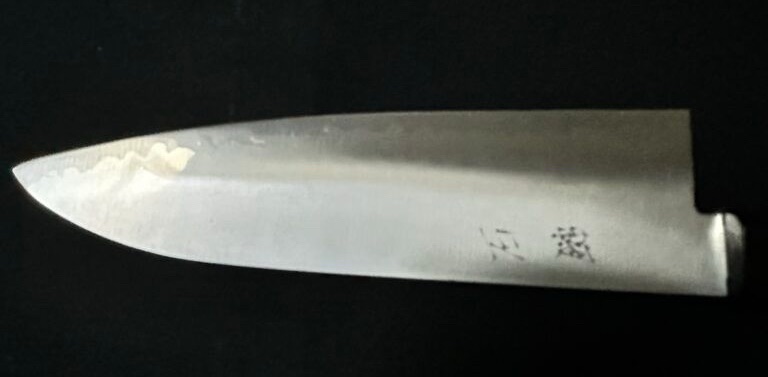

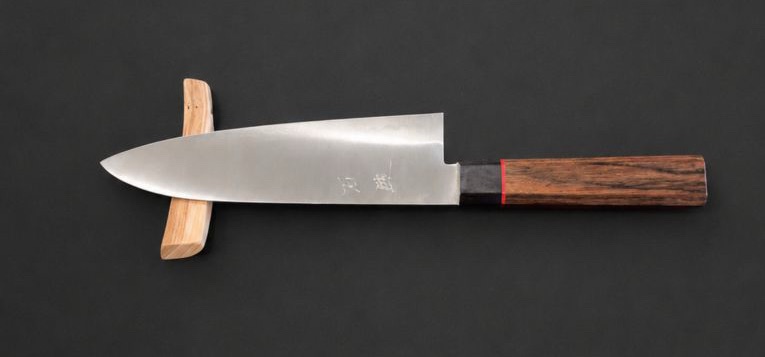
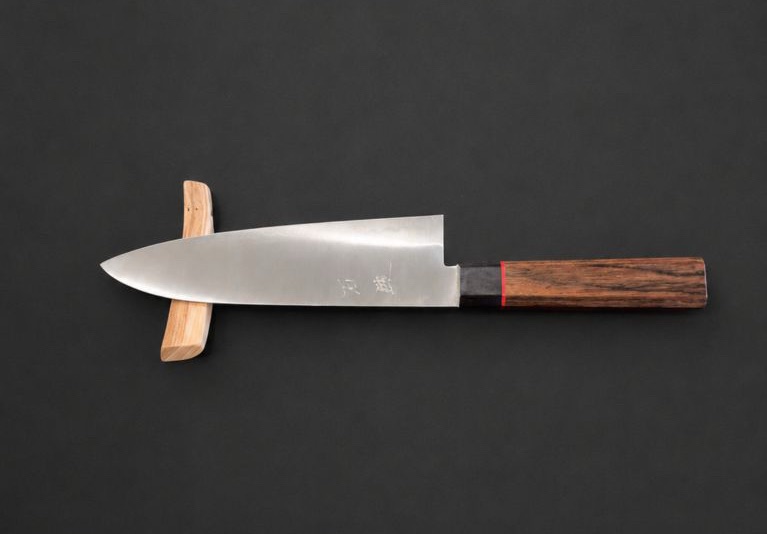
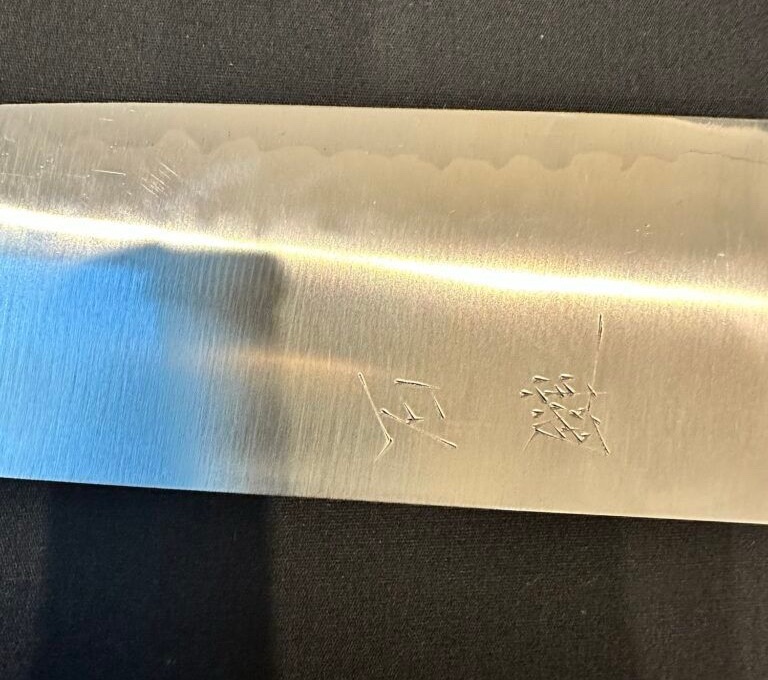
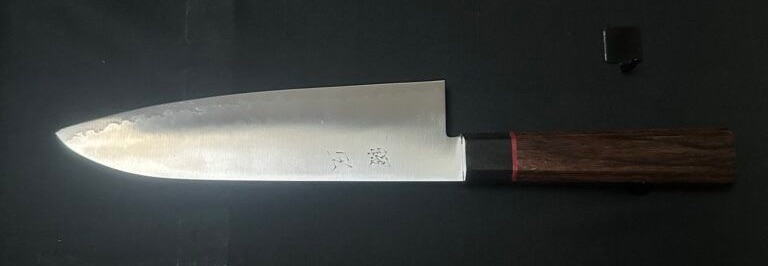
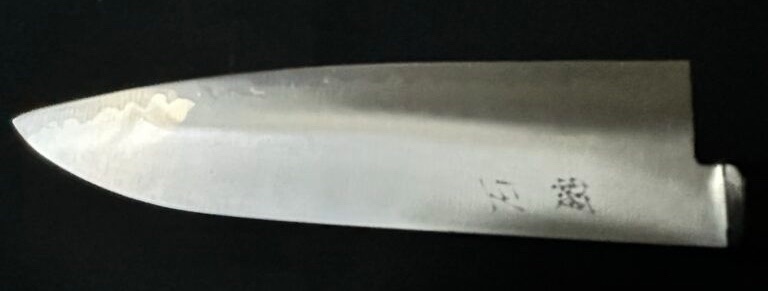
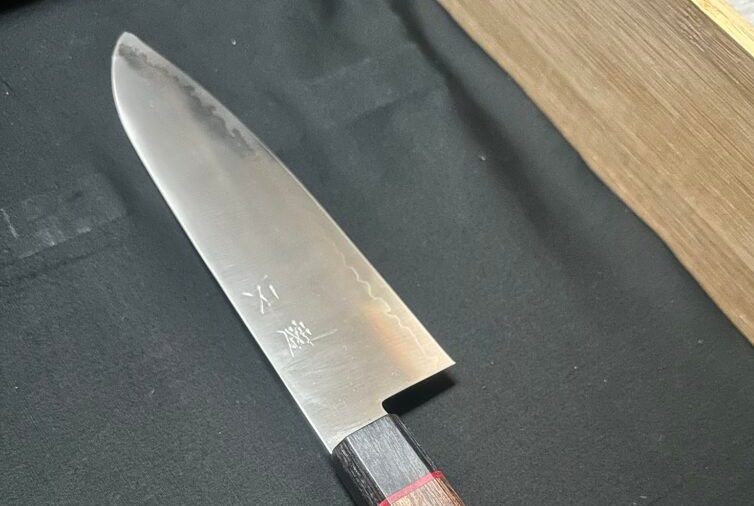
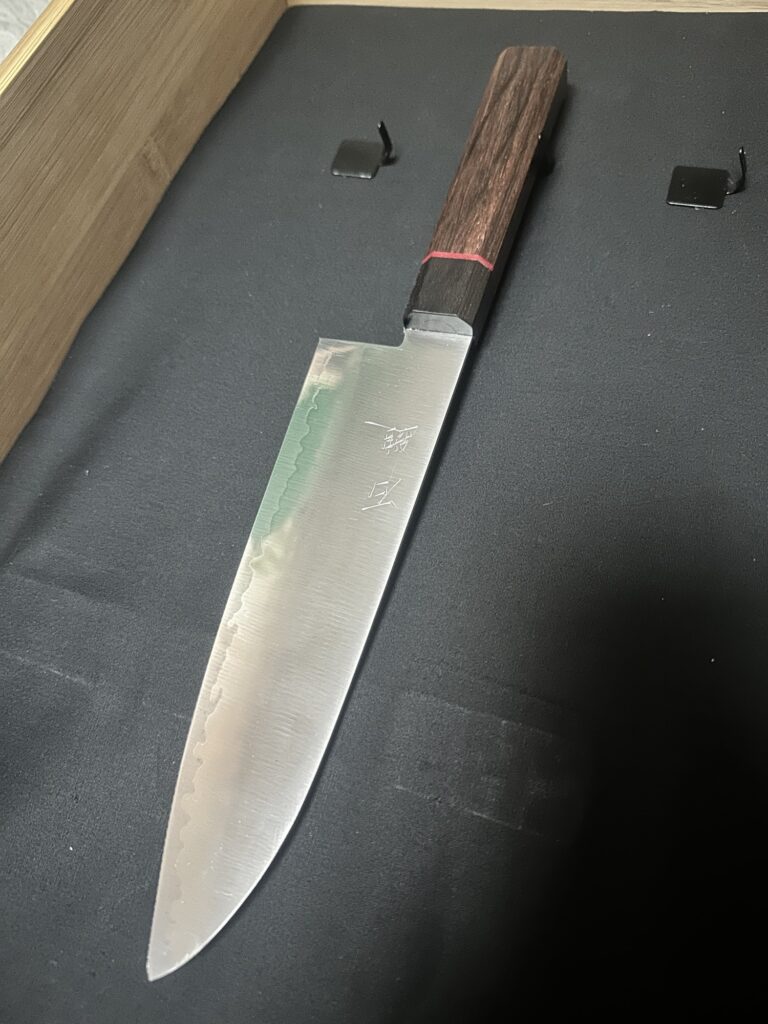
    180mm Santoku SG2 Rosewood Octagonal Handle

    SG2 steel, also known as Super Gold 2, is a Japanese powder metallurgy steel used in high-performance kitchen knives.

    Takefu Special Steel lists Super Gold 2, or SPG2®, as a powder steel. Interestingly, while the company publishes representative chemical compositions for steels such as VG10, the composition of SPG2® is currently listed as non-disclosed.

    That is worth mentioning because there are many exact SG2 chemical compositions repeated online. Rather than treating those figures as official specifications, I prefer to stick with what the manufacturer itself currently publishes.

    But what interested me most was not the exact percentages.

    It was how the steel is made.

    👉 INTERNAL LINK: 探究 Tankyū | What Does VG10 Actually Mean?

    Why Is SG2 Steel Called Powder Steel?
    Asaoya Yaichi

    The term “powder steel” can sound strange if, like me, you spent most of your career thinking about knives as finished tools rather than thinking about how their steel was produced.

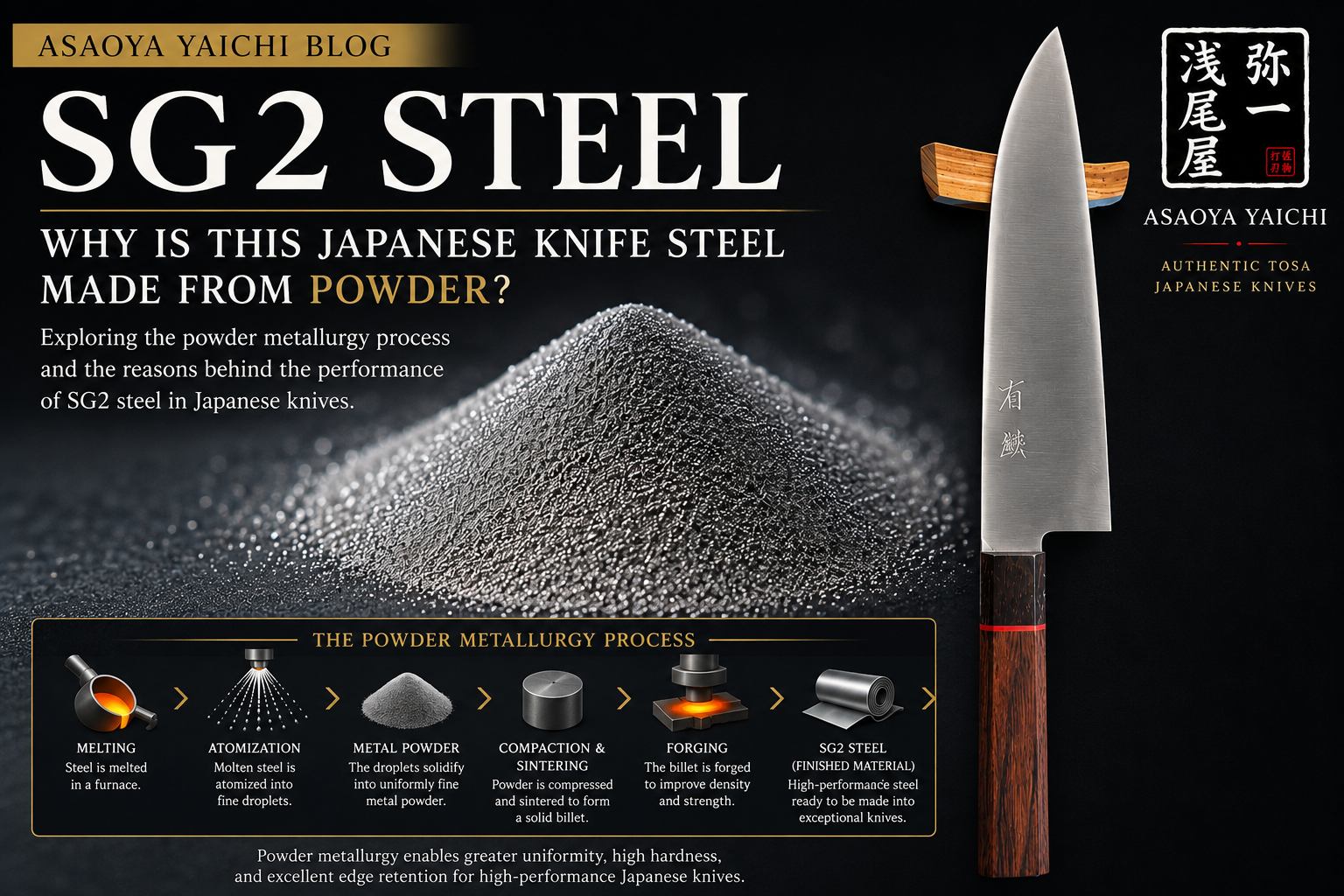
    Powder metallurgy uses a different manufacturing route from conventional steelmaking. Molten metal can be atomised into extremely small particles, creating metal powder that is subsequently consolidated and processed into usable material.

    One of the important advantages of this approach is greater control over the distribution of alloying elements and the structure of the resulting material.

    That was when powder steel started making more sense to me.

    It is not simply ordinary finished steel being ground into dust and somehow glued back together.

    The powder is part of a sophisticated metallurgical process designed to create a highly controlled material.

    For someone who spent years worrying about what happened to a knife after it arrived in the kitchen, it is fascinating to start looking at what happens long before a blacksmith begins making the blade.

    👉 INTERNAL LINK: 銀三 | Ginsan Japanese Knife : 7 Surprising Things I Learned About Silver #3 Steel

    What Does SG2 Steel Mean for a Kitchen Knife?
    Ishizuchi Kanamono Manufactory

    SG2 steel is commonly used in Japanese knives with relatively high hardness. Many SG2 knives on the market are specified around HRC 62–63, although the exact hardness depends on the maker and heat treatment.

    This can allow a well-made blade to take a very fine edge and maintain that edge for a long time.

    But this is also where I think steel discussions can become misleading.

    A high HRC number does not automatically make a great knife.

    Steel is only one part of the finished tool.

    Blade geometry, thickness behind the edge, heat treatment, sharpening, balance and the skill of the maker all influence how a knife actually performs.

    After working with knives for more than 25 years, I trust what happens on the cutting board more than a specification written on a product page.

    👉 INTERNAL LINK: Hardness 硬度 | 7 Powerful Truths About Japanese Knife HRC That Surprised Even a Chef

    SG2 Steel Does Not Automatically Mean Better Cutting
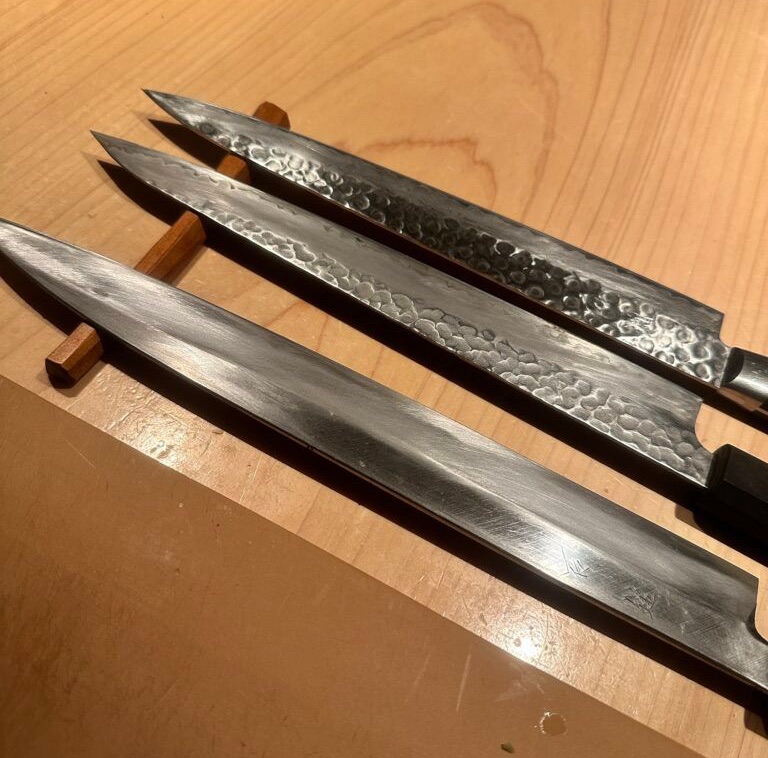
    This is particularly important when comparing SG2 steel with other Japanese knife steels.

    It is tempting to look at SG2, VG10, Ginsan, Aogami or Shirogami and try to put them into a simple ranking from best to worst.

    I do not think knives work that way.

    Two knives made from the same steel can feel completely different because their geometry, heat treatment, weight, balance and sharpening are different.

    And two chefs can use the same knife and prefer completely different things.

    For most of my career, I did not know the detailed composition of the steel in my knives. I knew whether I liked using them.

    That experience has not suddenly become meaningless just because I now know more steel names.

    If anything, learning about steel has made me realise how many different factors come together to create what we simply call “cutting feel.”

    👉 INTERNAL LINK: 切味 Kireaji | 7 Surprising Truths About What Makes a Japanese Knife Feel Sharp

    SG2 Steel vs VG10
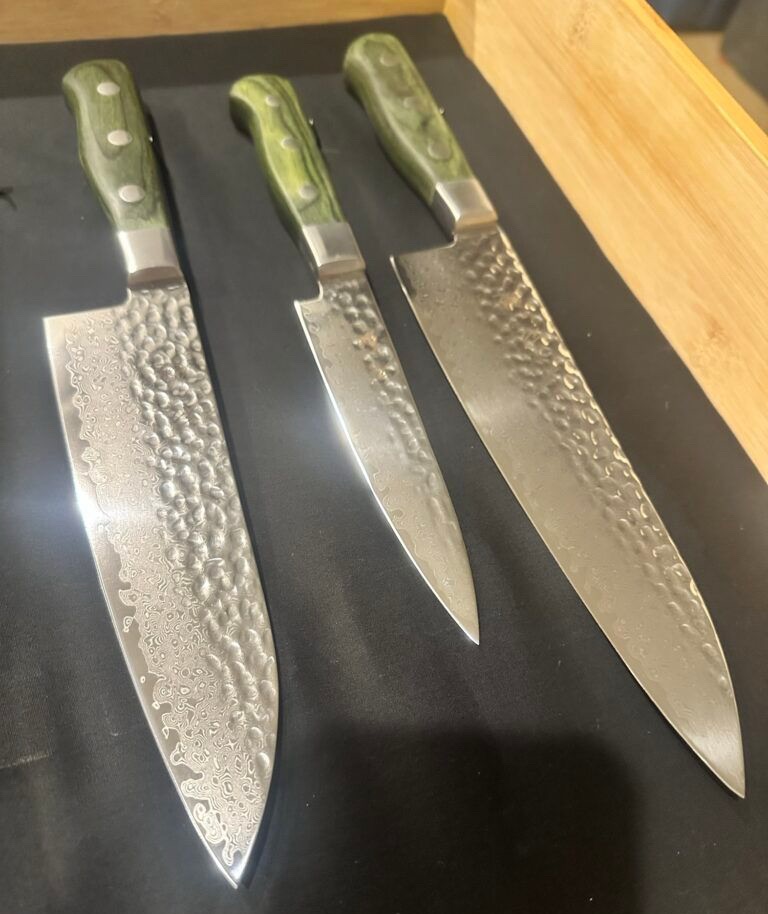

    VG10 Polished Hammered 67 Layer Damascus Green Handle

    SG2 steel is often positioned above VG10 in the Japanese knife market, particularly in premium knives.

    That does not necessarily mean someone using a VG10 knife should immediately replace it with SG2.

    I have used VG10 extensively, and I know from experience that a properly sharpened VG10 knife can perform extremely well.

    SG2 is different for me because I cannot honestly claim the same personal experience.

    Perhaps I have used it. Perhaps I have not.

    After more than 25 years in professional kitchens, there are plenty of knives I used without ever asking what steel was inside them.

    So rather than pretending I can give a definitive chef’s comparison between SG2 and VG10, I would rather say this:

    SG2 interests me enough that now I want to deliberately use one.

    Would I Notice SG2 Steel Now?
    This is probably the question that interests me most.

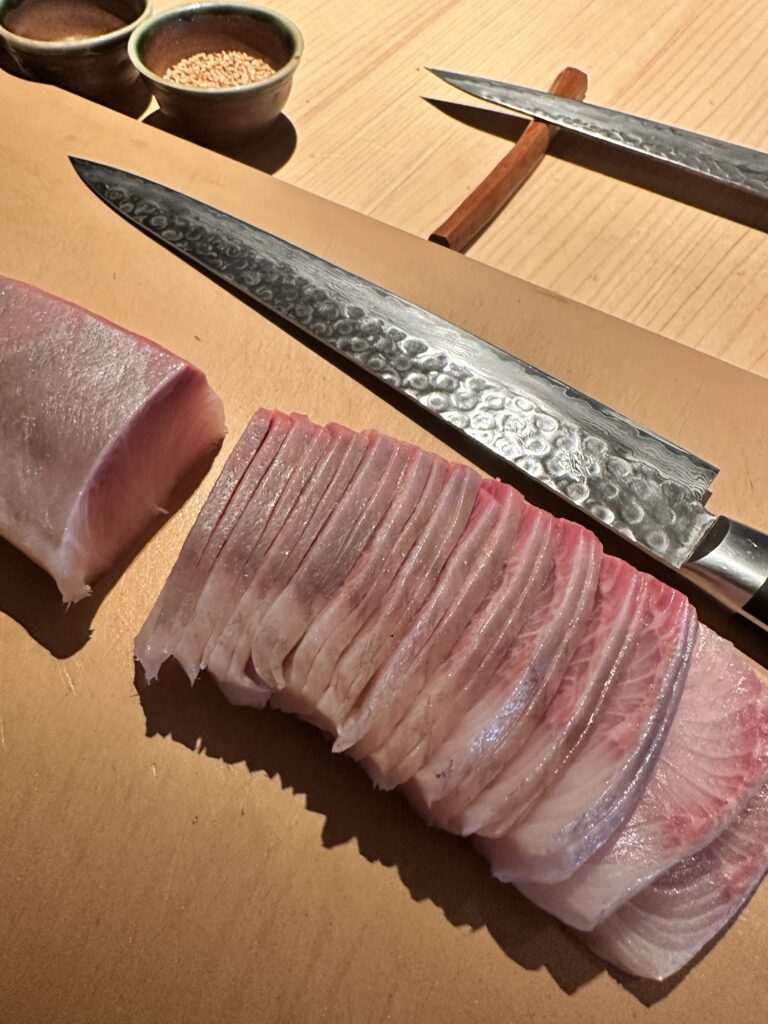
    If I unknowingly used an SG2 knife 15 or 20 years ago, would I have noticed?

    Maybe.

    But I probably would not have thought, “This must be powder metallurgy steel.”

    I would have thought about how it cut, how long the edge lasted and what happened when I put it on a whetstone.

    Today I would approach it differently.

    Now that I understand a little more about what SG2 steel is and why powder metallurgy exists, I would like to deliberately use an SG2 knife and see what I actually notice in real kitchen work.

    Maybe the edge retention will immediately stand out.

    Maybe sharpening will feel different.

    Or maybe blade geometry and sharpening will still influence my impression more than the name of the steel.

    I genuinely do not know yet.

    And that is exactly why I want to try one.

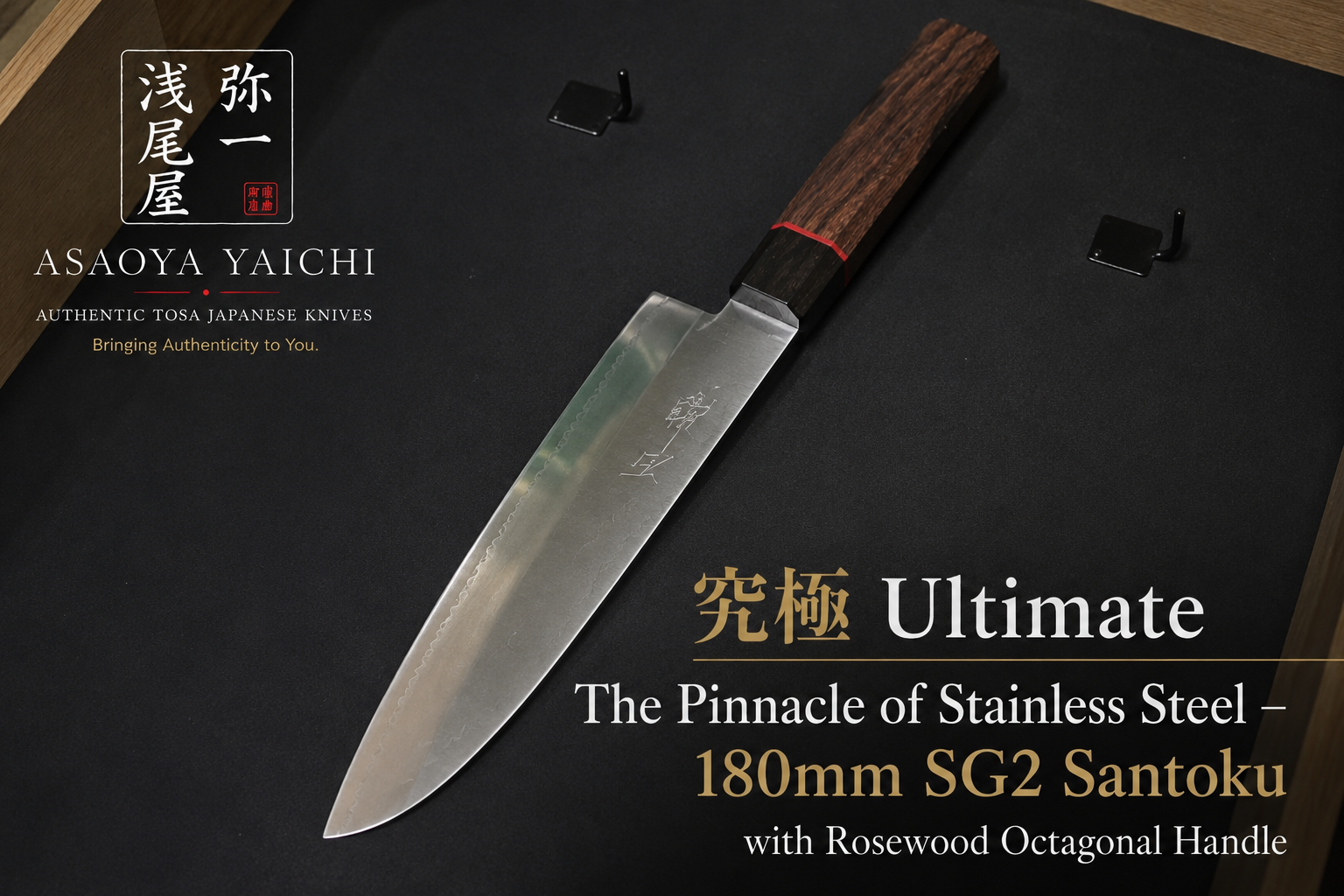
    👉 INTERNAL LINK: 究極 Ultimate | The Pinnacle of Stainless Steel – 180mm SG2 Santoku with Rosewood Octagonal Handle

    Learning About SG2 Steel After 25 Years as a Chef
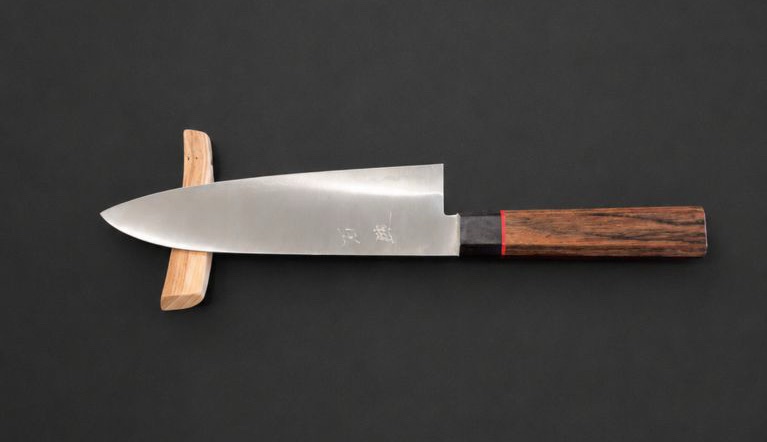

    180mm Santoku SG2 Rosewood Octagonal Handle

    Researching SG2 steel reminded me of something that has happened repeatedly since I started looking more deeply into Japanese knives.

    The more I learn, the more I realise how many things I simply never thought about as a chef.

    For years, a knife was a tool.

    If it cut well, sharpened well and survived professional kitchen work, I was happy.

    Now I find myself going backwards from the finished knife to the steel, the manufacturing process, heat treatment and the people who eventually turn that material into a blade.

    Does knowing all of this automatically make someone a better cook?

    Of course not.

    But it has definitely made me appreciate Japanese knives differently.

    And perhaps one day soon, I will knowingly use an SG2 knife for the first time.

    Or maybe it will only be the first time I actually know what I am using.

    👉 Explore more:
    https://blog.asaoyayaichi.com.au

    👉 Visit our online store:
    https://asaoyayaichi.com.au

    Thank you for reading, and I hope to see you again in the next story.
  • Hardness 硬度 | 7 Powerful Truths About Japanese Knife HRC That Surprised Even a Chef

    Hardness 硬度 | 7 Powerful Truths About Japanese Knife HRC That Surprised Even a Chef

    Ishizuchi Kanamono Manufactory

    For more than 25 years, I have worked as a professional chef using Japanese knives almost every day. Surprisingly, although I often saw numbers like HRC 60, HRC 61, or HRC 63, I never truly understood what they meant. I simply assumed that a higher number meant a better knife.

    As I began selling handcrafted Japanese knives through Asaoya Yaichi, customers started asking about Japanese knife hardness more often. Rather than pretending I knew every technical detail, I decided to research it properly.

    What I discovered changed the way I think about knives. More importantly, I realised that my experiences in professional kitchens over the last 25 years matched what the science says about knife hardness.

    If you’ve ever wondered what HRC really means, whether a harder knife is always better, or how hardness affects sharpening, this guide is for you.

    Internal Link: Beginner’s Guide to Japanese Kitchen Knives


    What Is Japanese Knife Hardness?


    240mm Thick Deba Aogami #2 Kurouchi Walnut Handle

    Japanese knife hardness is usually measured using the Rockwell Hardness C Scale (HRC). This test measures how resistant the steel is to indentation using a diamond-tipped tester.

    The higher the HRC number, the harder the steel.

    However, this does not automatically mean the knife is better.

    Hardness is only one characteristic of a knife. Heat treatment, steel quality, blade geometry, sharpening, and craftsmanship all play equally important roles.

    A knife with perfect balance will usually outperform a knife that simply has the highest hardness rating.

    Internal Link: Carbon Steel vs Stainless Steel | Which Should You Choose?


    Why Japanese Knife Hardness Matters


    165mm Usuba A8 Hammered Damascus Black & Red Octagonal Handle

    Japanese knife hardness affects several important characteristics.

    Better Edge Retention

    Harder steel usually keeps its edge much longer.

    That means you can prepare many more ingredients before the knife begins to lose its sharpness.

    This is one reason many Japanese knives are loved by professional chefs.

    More Difficult Sharpening

    The same hardness that keeps the edge sharp also makes the knife more difficult to sharpen.

    Removing steel takes longer, especially if the blade has become quite dull.

    Greater Risk of Chipping

    Very hard steel is less flexible.

    If used incorrectly on bones, frozen food, or by twisting the blade sideways, small chips can occur.

    That doesn’t mean the knife is weak—it simply means it should be used correctly.


    Japanese Knife Hardness in Real Kitchen Experience


    210mm Sujihiki Aogami #2 Kurouchi Magnolia Handle

    This was probably the biggest surprise for me.

    I realised that although I didn’t know the HRC numbers, I had already experienced the difference between softer and harder steels throughout my career.

    Years ago, I used a sujihiki made from relatively soft steel.

    It was so flexible that if I applied too much pressure while sharpening, I could actually feel the blade flex slightly on the whetstone.

    The edge didn’t last particularly long.

    However, when it became dull, I could restore an excellent edge very quickly.

    It sharpened easily and always performed well enough for daily professional work.


    240mm Sujihiki VG10 Hammered 17 Layer Damascus Mahogany

    Later, I switched to harder stainless steel knives.

    The difference was immediately obvious.

    When freshly sharpened, the cutting performance was incredible.

    The edge stayed sharp much longer than my previous knife.

    But there was another side to the story.

    Once the knife finally became dull, it was much harder to bring back.

    It took considerably longer to raise a burr, and if I accidentally changed the sharpening angle, correcting the edge required much more patience.

    After researching Japanese knife hardness, I finally understood why.

    Harder steel offers outstanding edge retention, but it also demands greater sharpening skill.

    Softer steel loses its edge sooner, yet it rewards the user by being forgiving and much easier to sharpen.

    Neither is objectively better.

    They simply suit different users and different situations.

    Internal Link: Why Flattening Your Whetstone Matters


    Common HRC Ranges for Japanese Knives


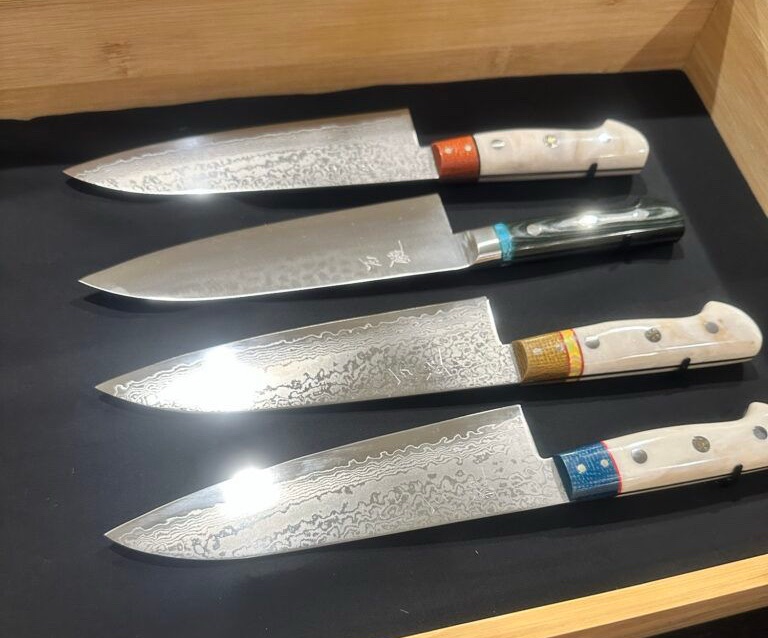
    180mm Santoku Aogami #2 Green Micarta Handle with Turquoise Spacer

    Although every manufacturer uses different heat treatments, these are general guidelines.

    HRC 55–58

    • Tough and flexible
    • Easy to sharpen
    • Loses its edge relatively quickly

    HRC 59–61

    • Excellent balance
    • Suitable for many home cooks
    • Common among quality Japanese knives

    HRC 61–64

    • Outstanding edge retention
    • Very sharp cutting performance
    • Requires proper technique and sharpening skills

    Above HRC 64

    • Extremely hard
    • Exceptional edge retention
    • Less forgiving and often intended for experienced users

    Remember, these are only general ranges.

    Steel composition and heat treatment are often more important than the HRC number alone.

    Internal Link: Professional Choice | Why I Still Use Carbon Steel for Sashimi After 25 Years


    Should You Buy the Hardest Japanese Knife?


    180mm Santoku SG2 Rosewood Octagonal Handle

    Many people assume that the highest HRC automatically means the best knife.

    After researching this subject, I don’t believe that’s true.

    A knife should match the way you cook.

    If you enjoy sharpening and want maximum edge retention, harder steel can be fantastic.

    If you prefer quick maintenance and easy sharpening, a slightly softer blade may actually make your cooking more enjoyable.

    The best knife isn’t the one with the highest number.

    It’s the one that suits your cooking style.


    Final Thoughts on Japanese Knife Hardness


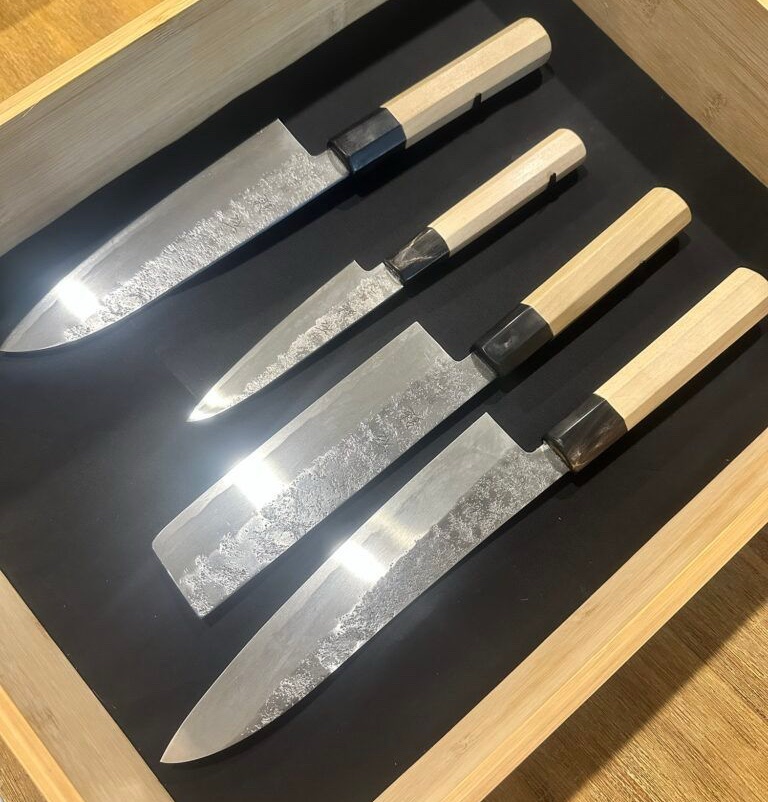
    Ginsan Nashiji Forged Magnolia Octagonal Handle Buffalo Horn Ferrule series

    Researching Japanese knife hardness taught me something I honestly didn’t know after more than 25 years in professional kitchens.

    I had always judged knives by how they performed.

    Only later did I realise that hardness helps explain why they perform that way.

    Today, I still don’t choose a knife based only on its HRC rating.

    I look at the steel, the heat treatment, the craftsmanship, the intended purpose, and how the knife feels in my hand.

    The HRC number is useful, but it’s only one piece of a much bigger picture.

    If this article helped you understand Japanese knife hardness a little better, I hope it also gives you more confidence when choosing your next knife.

    Internal Link: Handmade Japanese Knives | 7 Fascinating Reasons No Two Are Ever Exactly the Same


    👉 Explore more:
    https://blog.asaoyayaichi.com.au

    👉 Visit our online store:
    https://asaoyayaichi.com.au

    Thank you for reading, and I hope to see you again in the next story.
  • 究極 Ultimate | The Pinnacle of Stainless Steel – 180mm SG2 Santoku with Rosewood Octagonal Handle

    究極 Ultimate | The Pinnacle of Stainless Steel – 180mm SG2 Santoku with Rosewood Octagonal Handle


    180mm Santoku SG2 Rosewood Octagonal Handle
    A$550.00

    If you’re looking for a premium Japanese kitchen knife that combines exceptional sharpness with easy maintenance, the 180mm SG2 Santoku deserves serious attention.

    Among modern stainless steels, SG2 has earned a reputation as one of the finest choices available. It offers remarkable edge retention, excellent corrosion resistance and refined cutting performance, making it a favourite among professional chefs and passionate home cooks alike.

    But no knife steel is perfect.

    The 180mm SG2 Santoku also has a few disadvantages that every buyer should understand before making an investment. In this article, I’ll explain both the strengths and weaknesses honestly, based on my experience as a chef, so you can decide whether this knife is right for you.

    INTERNAL LINK: Read our Beginner’s Guide to Japanese Knives to discover which knife style suits your cooking best.

    Why the 180mm SG2 Santoku Stands Out

    Ishizuchi Kanamono Manufactory

    The 180mm SG2 Santoku combines premium powder metallurgy stainless steel with one of Japan’s most versatile knife shapes. At 180mm, it’s large enough for meat, fish and vegetables, yet compact enough to feel comfortable for everyday cooking.

    Its rosewood octagonal handle adds traditional Japanese character while providing a secure and balanced grip.

    Advantages of the 180mm SG2 Santoku


    Knife Steel Nerds – VG10 and Super Gold 2 Steel Properties

    Exceptional Edge Retention

    One of the biggest advantages of the 180mm SG2 Santoku is its outstanding edge retention. SG2’s powder steel structure allows the blade to stay sharp much longer than many conventional stainless steels, reducing how often you need to sharpen it.

    Excellent Corrosion Resistance

    Unlike traditional carbon steels, SG2 offers excellent resistance to rust. You should still wash and dry the knife after use, but maintenance is far easier than with reactive carbon steel, making it an excellent choice for cooks who want premium performance without constant care.

    Beautiful Balance Between Tradition and Technology

    The combination of advanced SG2 steel and a handcrafted rosewood octagonal handle creates a knife that feels modern while preserving the beauty of traditional Japanese craftsmanship.

    INTERNAL LINK: Learn more in our Carbon Steel vs Stainless Steel comparison.

    Disadvantages of the 180mm SG2 Santoku

    More Difficult to Sharpen

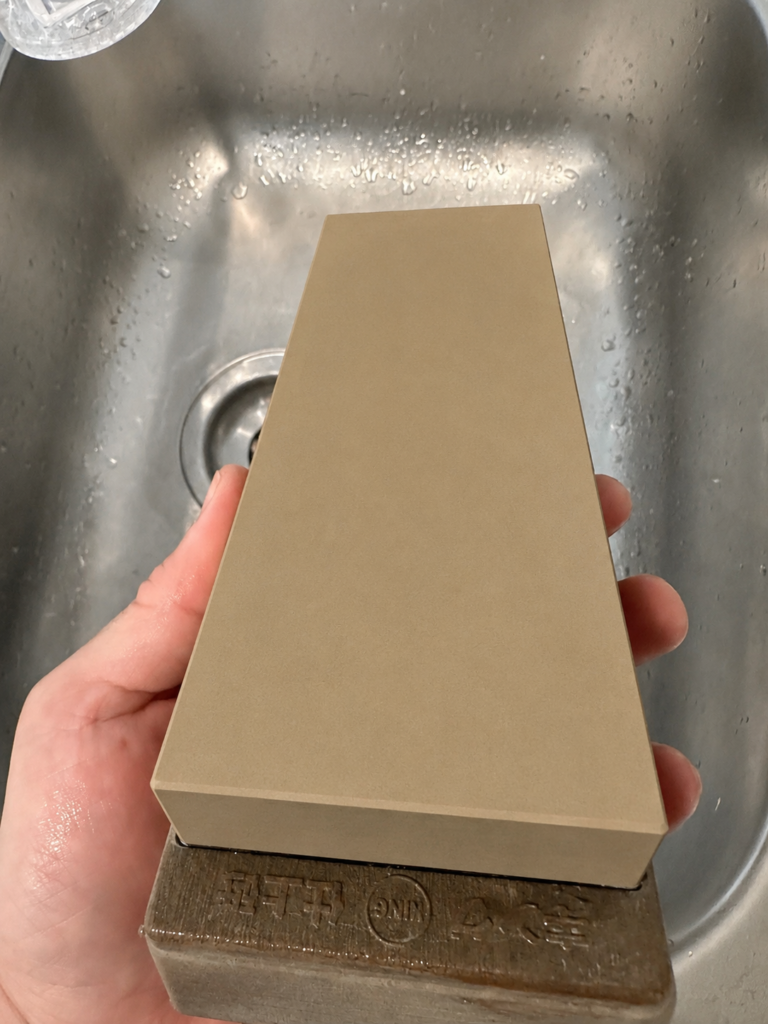
    The same hardness that allows SG2 to keep its edge also makes it slower to sharpen. Beginners may need more patience and a quality whetstone to restore the edge properly.

    Premium Price

    SG2 is considered one of the highest-grade stainless knife steels available, so it naturally costs more than many VG10 or Ginsan knives. While the performance often justifies the investment, it may not be necessary for every cook.

    Requires Proper Technique

    The 180mm SG2 Santoku is a precision cutting tool, not a heavy-duty cleaver. Avoid cutting frozen food, bones or twisting the blade during use, as the thin edge can chip if misused.

    INTERNAL LINK: Read Why Flattening Your Whetstone Matters before sharpening premium Japanese knives.

    Is the 180mm SG2 Santoku Worth It?

    Asaoya Yaichi

    If you value long-lasting sharpness, premium stainless steel and traditional Japanese craftsmanship, the 180mm SG2 Santoku is one of the finest choices available.

    It isn’t the cheapest knife, nor is it the easiest steel to sharpen. However, those trade-offs are exactly what allow SG2 to deliver such impressive cutting performance.

    For cooks who appreciate quality over compromise, this knife represents an outstanding balance of beauty, durability and precision.

    INTERNAL LINK: Explore 5 Common Japanese Knife Mistakes to protect your investment.

    INTERNAL LINK: Discover more handcrafted Japanese knives at Asaoya Yaichi and find the perfect knife for your kitchen.
    https://asaoyayaichi.com.au