Introduction
When I first saw this knife, one thought immediately came to mind.
“What an unexpected combination.”
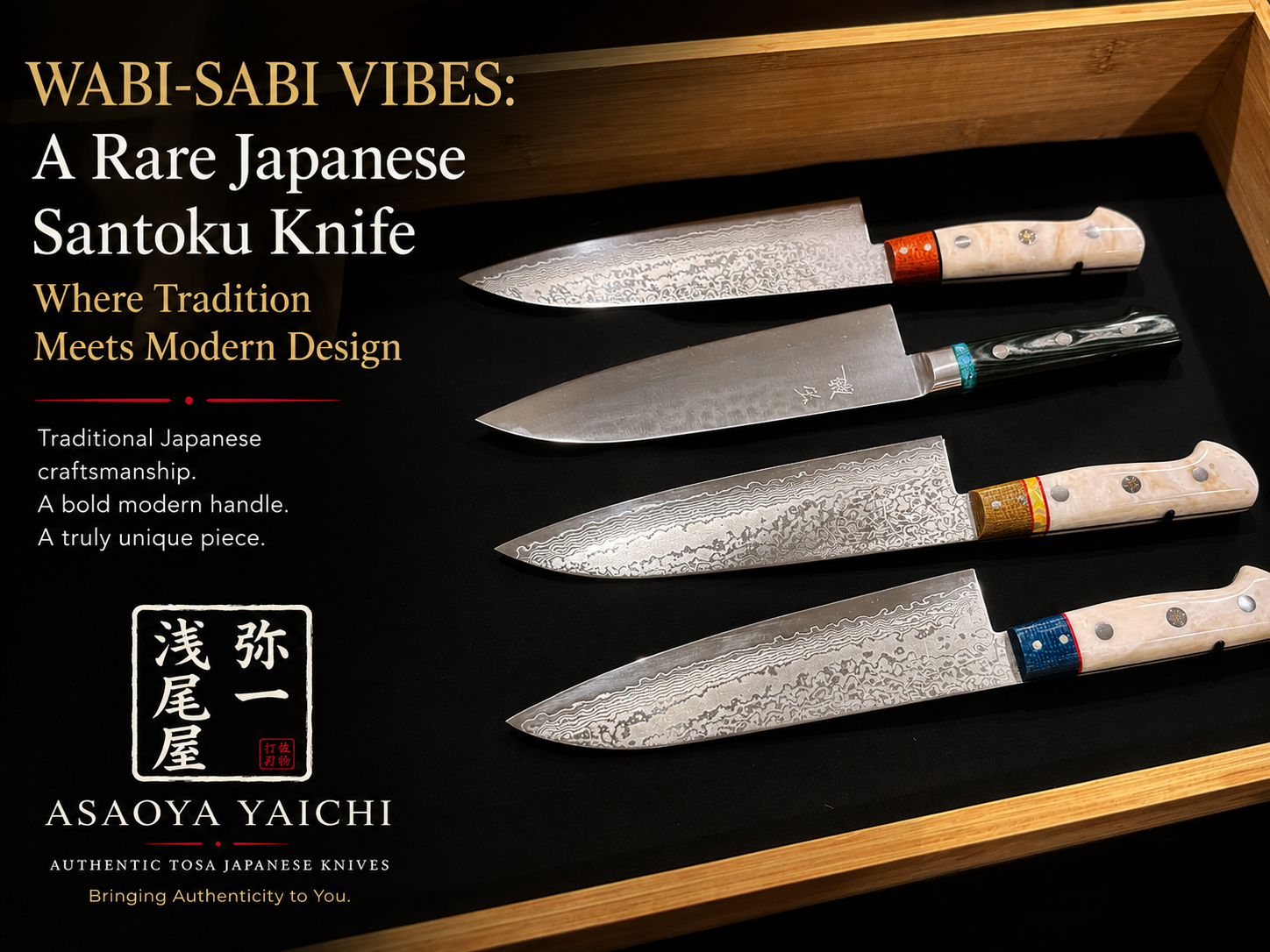
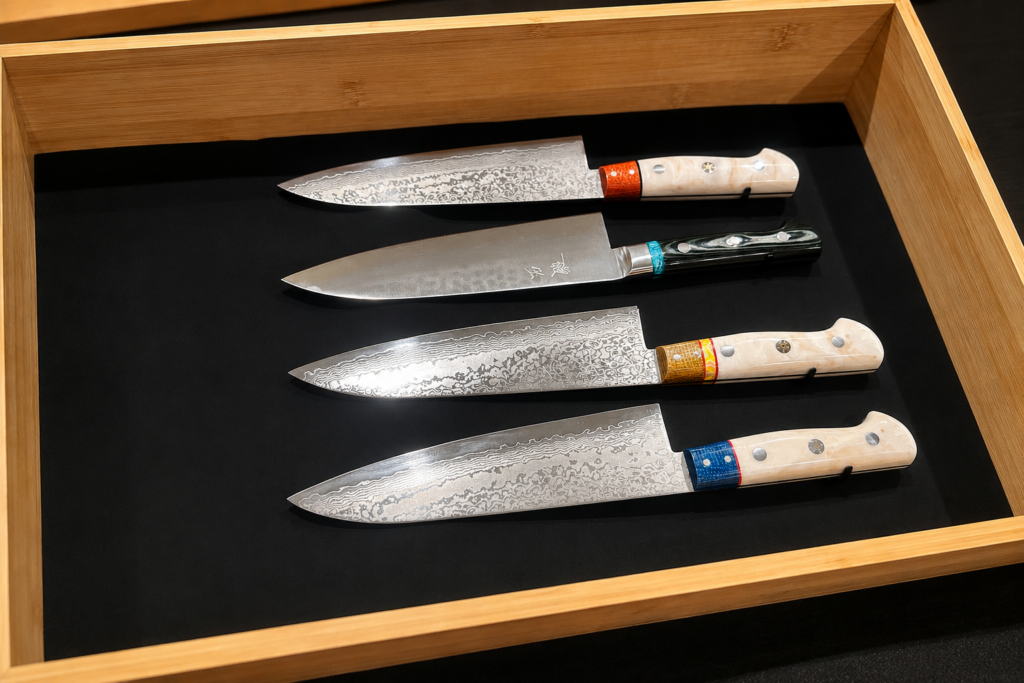
A beautifully traditional Japanese Damascus blade paired with a bold marble-style handle that feels almost like modern art.
At first, it shouldn’t work.
Yet somehow, it does.
The more I looked at it, the more one phrase stayed in my mind:
Wabi-Sabi Vibes.
What Does Wabi-Sabi Really Mean?
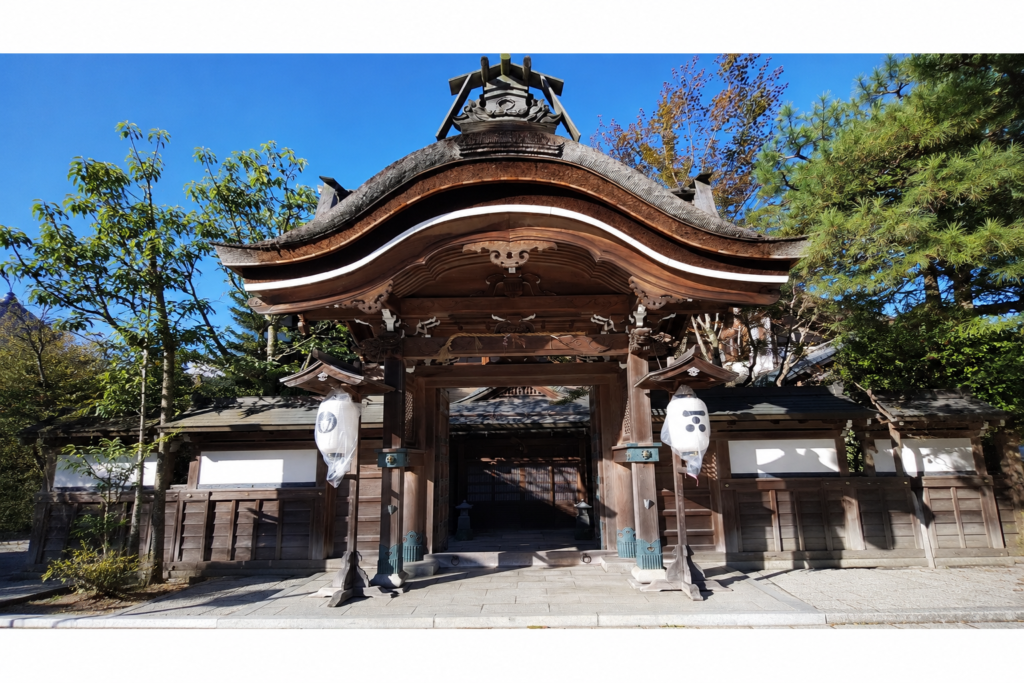
When people hear the words Wabi-Sabi, they often imagine old temples, quiet tea rooms, weathered wood, or handmade pottery shaped by time.
Those images certainly represent Wabi-Sabi.
But to me, Wabi-Sabi is something much deeper.
It is the appreciation of authenticity over perfection.
It is seeing beauty in individuality, craftsmanship, and the stories that objects carry.
Rather than resisting change, Wabi-Sabi embraces the passage of time while respecting tradition.
That philosophy is deeply connected to handcrafted Japanese knives.
Every authentic Japanese knife carries the experience of the blacksmith, generations of knowledge, and countless hours of craftsmanship.
It is far more than simply a kitchen tool.
A Santoku That Blends Tradition With Modern Design
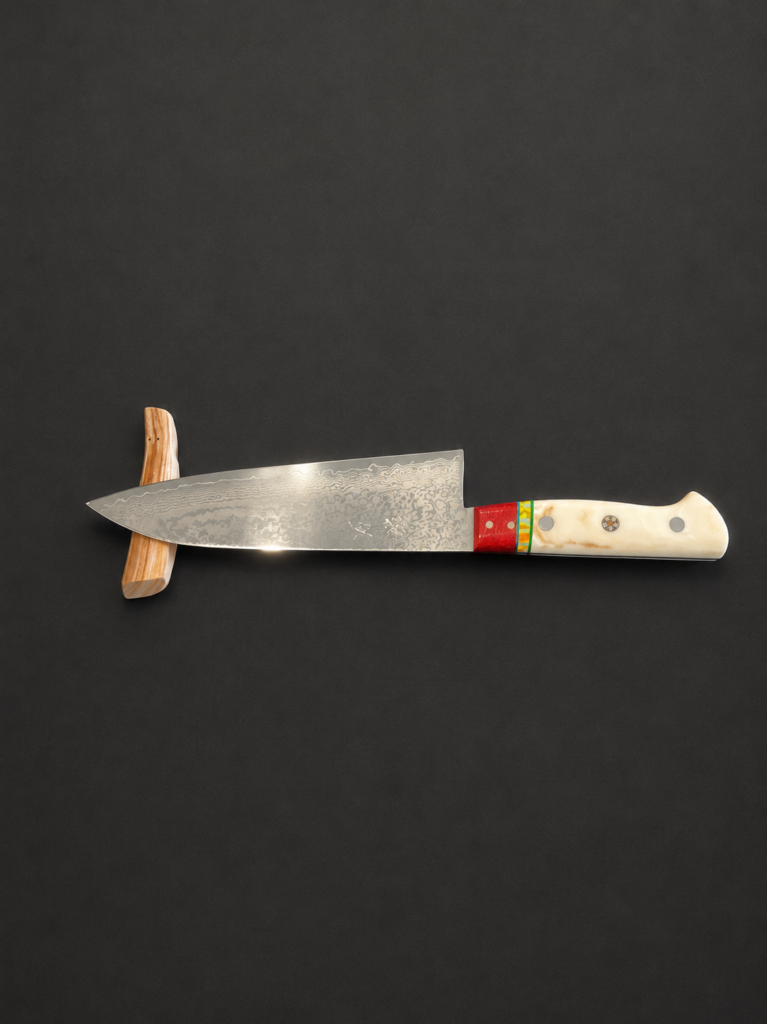
180mm Santoku VG10N 33 Layer Damascus Green Marble Handle Rainbow Spacer Red
The first thing that catches your eye is the blade.
Elegant Damascus layers.
A classic Santoku profile.
Traditional Japanese forging techniques.
Everything about the blade reflects generations of Japanese craftsmanship.
Then your attention moves to the handle.
Instead of walnut or magnolia wood, this knife features a striking marble-style handle with bold contemporary colours.
It feels modern.
Confident.
Almost futuristic.
Yet surprisingly, nothing feels out of place.
The traditional blade and contemporary handle complement one another beautifully.
That harmony between old and new is exactly what makes this knife unforgettable.
Tradition Doesn’t Mean Standing Still
Some people believe traditional craftsmanship should never change.
I respectfully disagree.
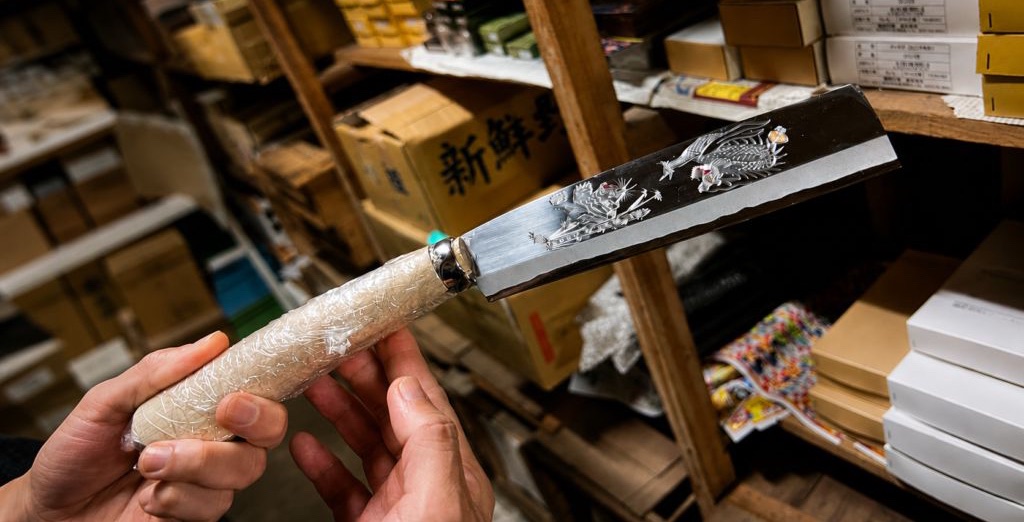
Japanese craftsmanship has survived for centuries because artisans have continued to preserve traditional techniques while embracing new ideas, new materials, and new artistic expressions.
Respecting tradition does not mean rejecting innovation.
When traditional forging meets contemporary design, something unique happens.
The soul remains unchanged.
The personality evolves.
For me, that is exactly what Wabi-Sabi Vibes represent.
A quiet balance between heritage and creativity.
A Knife That May Never Be Made Again
This Santoku is also special for another reason.
The blacksmith who creates this series has recently stepped back from regular production due to personal circumstances.
Because of this, we simply don’t know when—or even if—more of these knives will ever be produced.
Each knife therefore represents more than exceptional craftsmanship.
It captures a particular moment in a craftsman’s journey.
Once these are gone, there is no guarantee another batch will ever become available.
That rarity makes every piece even more meaningful.
More Than Just Sharpness
After more than 25 years working as a chef in both Japan and Australia, I’ve learned that great knives are remembered for more than how well they cut.
The finest knives have character.
They have personality.
They have stories.
This Santoku brings together a traditional Japanese Damascus blade, an unmistakably modern marble-style handle, and a level of rarity that cannot be manufactured.
It is not simply another kitchen knife.
It is a conversation piece.
A functional work of art.
A knife that represents both the past and the future of Japanese craftsmanship.
That is why I call it…
Wabi-Sabi Vibes.
Discover Authentic Tosa Japanese Knives
At Asaoya Yaichi, our goal is not simply to sell Japanese knives.
We want to introduce the stories behind authentic handcrafted Tosa knives and the remarkable artisans who continue to preserve this centuries-old tradition.
If you’re looking for a Japanese knife with true character, craftsmanship, and authenticity, we invite you to explore our collection.
Explore Our Collection
👉 Shop Authentic Tosa Japanese Knives
https://www.asaoyayaichi.com.au
Continue Reading
If you enjoyed this article, you may also like:
- Carbon Steel vs Stainless Steel: Which Japanese Knife Is Right for You?
- How to Choose Your First Japanese Knife
- Santoku vs Gyuto: Which Japanese Knife Should You Choose? |
- How to Care for Your Japanese Knife | Keep It Sharp for Years
- The Story でBehind Authentic Tosa Knives
Read more at:
👉 https://blog.asaoyayaichi.com.au
Thank you for supporting authentic Japanese craftsmanship and the artisans who continue to keep these traditional skills alive.
Bringing Authenticity to You.
— Asaoya Yaichi