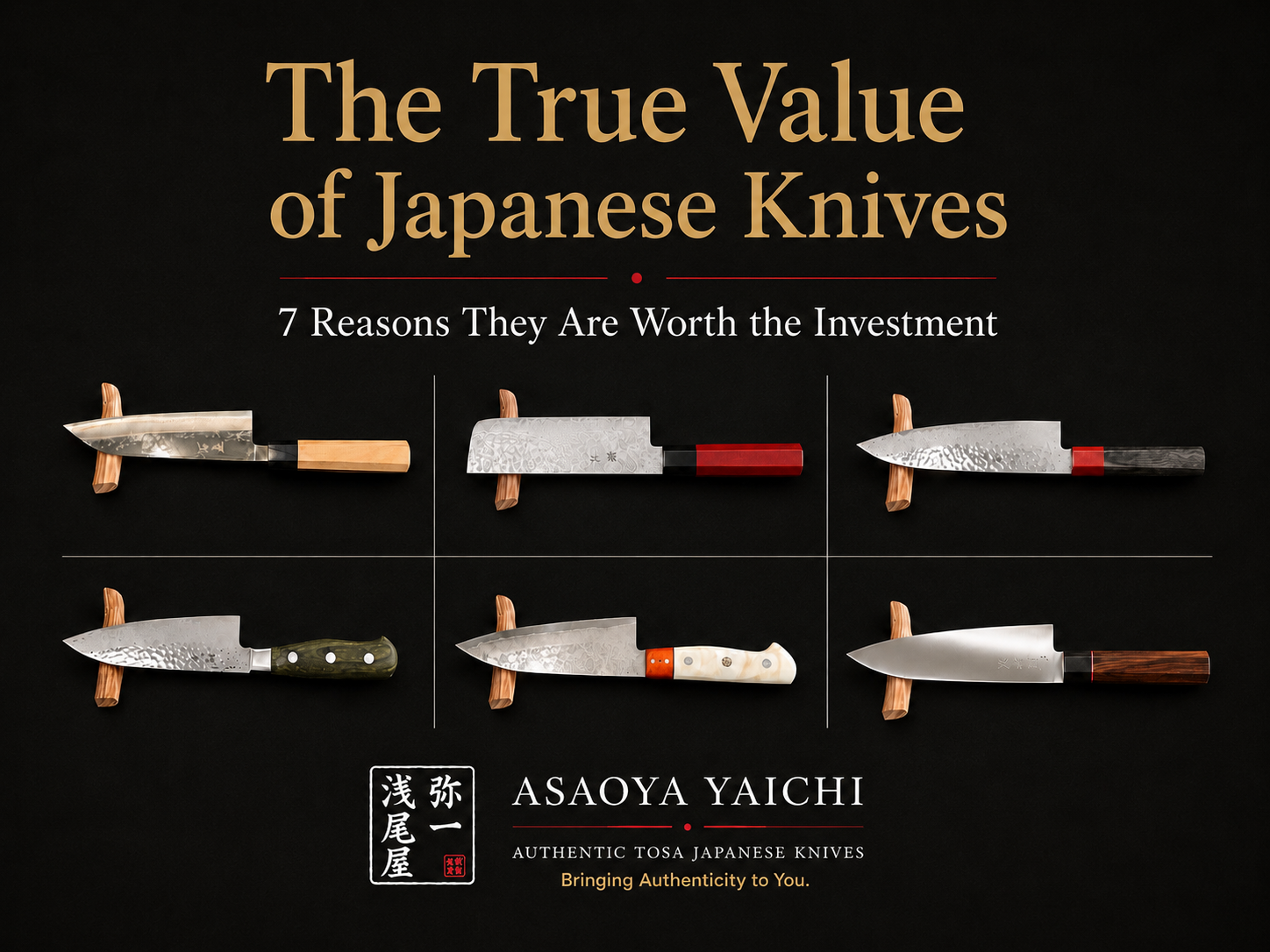
Why are Japanese knives so expensive?
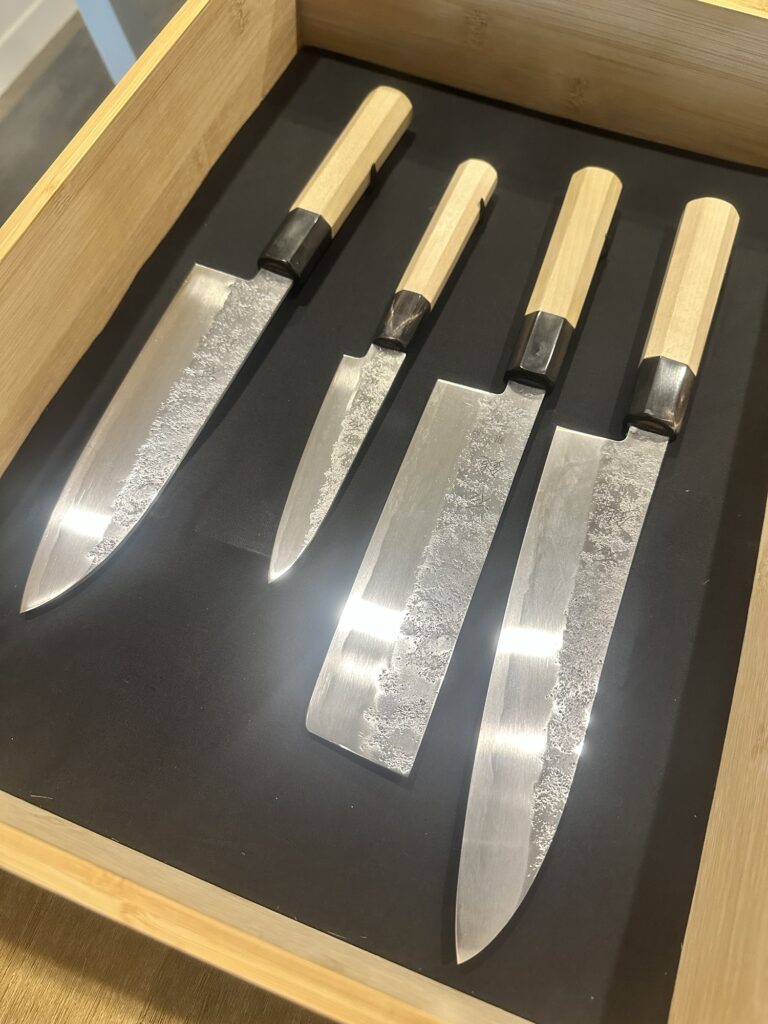
Ginsan Nashiji Forged Magnolia Octagonal Handle Buffalo Horn Ferrule
.
Why are Japanese knives so expensive?
It is one of the first questions many people ask when they begin looking for a high-quality Japanese kitchen knife. The answer is not simply branding or appearance. The price often reflects the quality of the steel, the skill of the craftsman, the time required to make the knife, and the performance it can provide over many years.
Some Japanese kitchen knives can be purchased for a relatively affordable price, while others may cost several hundred dollars or even more. Custom-made knives created by highly skilled craftsmen can reach prices that surprise people who are used to buying mass-produced kitchen knives.
However, the price of a Japanese knife is not simply based on appearance, branding, or popularity.
In many cases, the price reflects the quality of the steel, the skill of the craftsman, the time required to make the knife, and the performance it can provide over many years.
That does not mean everyone needs an expensive knife.
The real question is not whether a Japanese knife is expensive. The real question is whether the knife offers enough value for the person using it.
Why Are Japanese Knives So Expensive?
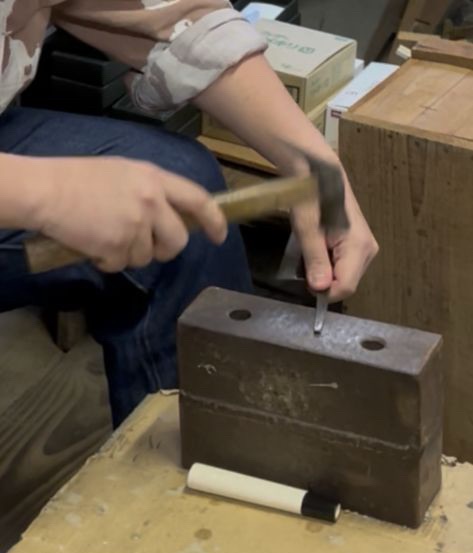
Japanese knives are often made very differently from standard factory-produced kitchen knives.
Many ordinary knives are manufactured in large factories using automated machinery. This allows thousands of similar knives to be produced quickly and sold at a lower price.
Handcrafted Japanese knives are commonly made in smaller workshops, sometimes by individual blacksmiths, sharpeners, handle makers, and finishers.
Each stage requires experience, time, and attention.
The price is therefore not only for the physical knife. It also reflects generations of accumulated knowledge and craftsmanship.
1. Japanese Knives Use High-Quality Steel
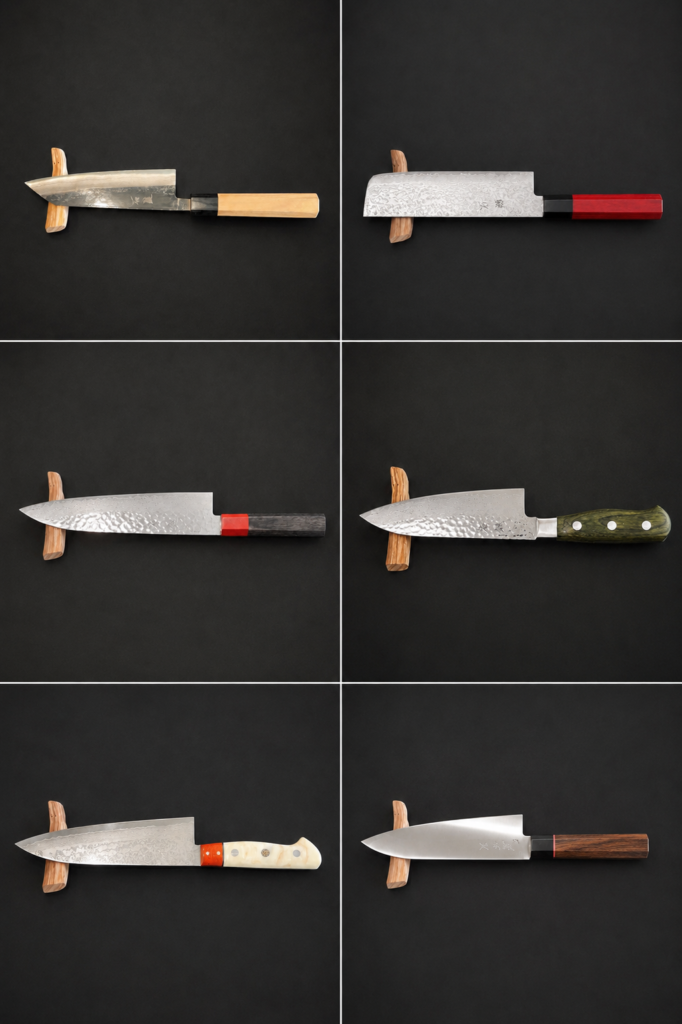
One major reason Japanese knives are expensive is the quality of the steel.
Japanese knife makers use steels such as Aogami, Shirogami, Ginsan, VG10, and SG2. Each steel has different characteristics, including sharpness, edge retention, ease of sharpening, corrosion resistance, and toughness.
Premium steel is more expensive to purchase and can also be more difficult to work with.
The steel must be heated, forged, shaped, hardened, tempered, ground, and sharpened correctly. A small mistake during heat treatment can reduce the performance of the finished blade.
A well-made knife is therefore not only about using good steel. It is about understanding how to bring out the best qualities of that steel.
➡️ Read more: Carbon Steel vs Stainless Steel – Which Japanese Knife Is Right for You?
2. Skilled Craftsmen Make Many Japanese Knives by Hand
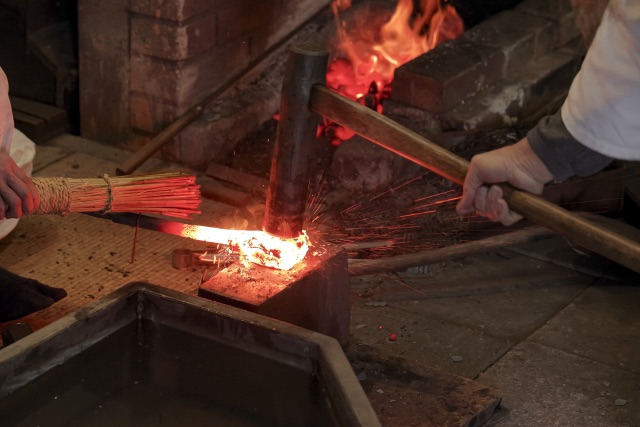
A handmade Japanese knife requires a level of skill that usually takes many years to develop.
Forging a blade, controlling its thickness, creating the correct profile, and producing a fine cutting edge cannot be mastered quickly.
Even two knives made from the same steel can perform differently depending on the skill of the maker.
An experienced craftsman understands how the steel responds to heat, pressure, grinding, and sharpening. Much of this knowledge is developed through years of practical experience rather than simply following written instructions.
When you purchase a handcrafted Japanese knife, part of the price supports the skill and time of the people who made it.
➡️Read more: Mass-Produced vs Hand-Forged Japanese Knives – What’s the Difference?
3. Japanese Knives Are Often Produced in Small Quantities
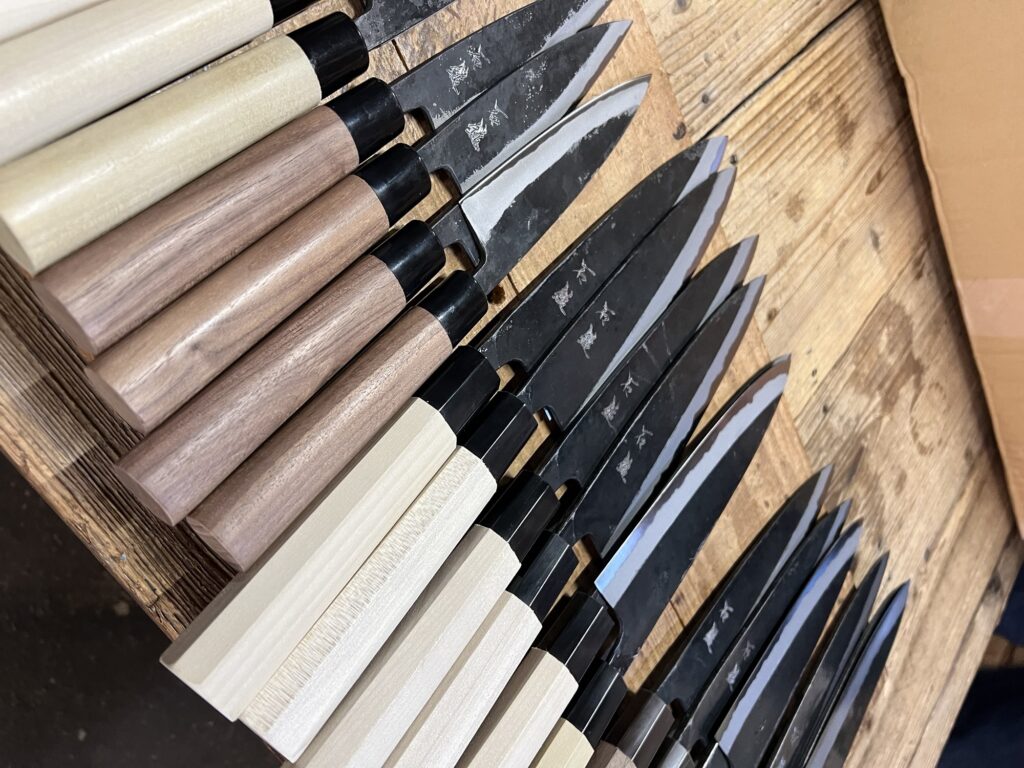
Many Japanese knife workshops do not produce huge quantities of knives.
Some workshops make only a limited number of blades each week or month. Others may produce a particular design only when the right steel, handle material, or craftsman is available.
Small-batch production makes it difficult to reduce costs in the same way as large-scale factories.
However, it also allows more attention to be given to each knife.
Small variations in the finish, hammer marks, blade shape, or handle are often part of the character of a handmade knife rather than signs of poor quality.
This individuality is one reason many people are attracted to traditional Japanese knives.
4. Heat Treatment Requires Time and Precision
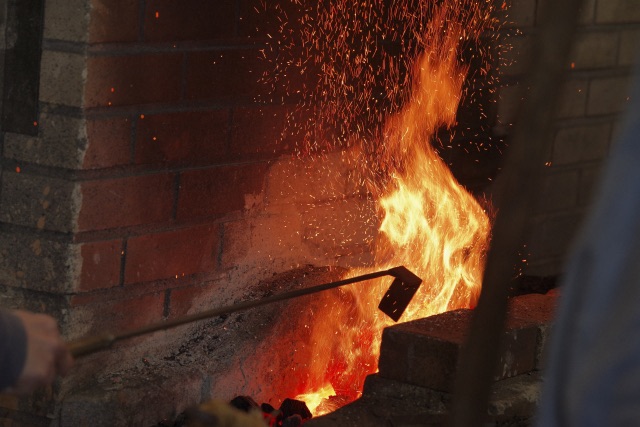
Heat treatment is one of the most important stages in knife making.
The blade must be heated to a carefully controlled temperature and then cooled correctly. It is later tempered to balance hardness with durability.
If a blade is too soft, it may lose its sharp edge quickly. If it is too hard, it may become more vulnerable to chipping.
High-performance Japanese knives are often hardened more than typical Western-style kitchen knives. This allows them to take a very fine edge and maintain sharpness for longer.
Achieving this balance requires experience and precision.
The customer may not be able to see the quality of the heat treatment, but it has a major effect on how the knife performs.
5. Sharpening and Finishing Require Considerable Labour
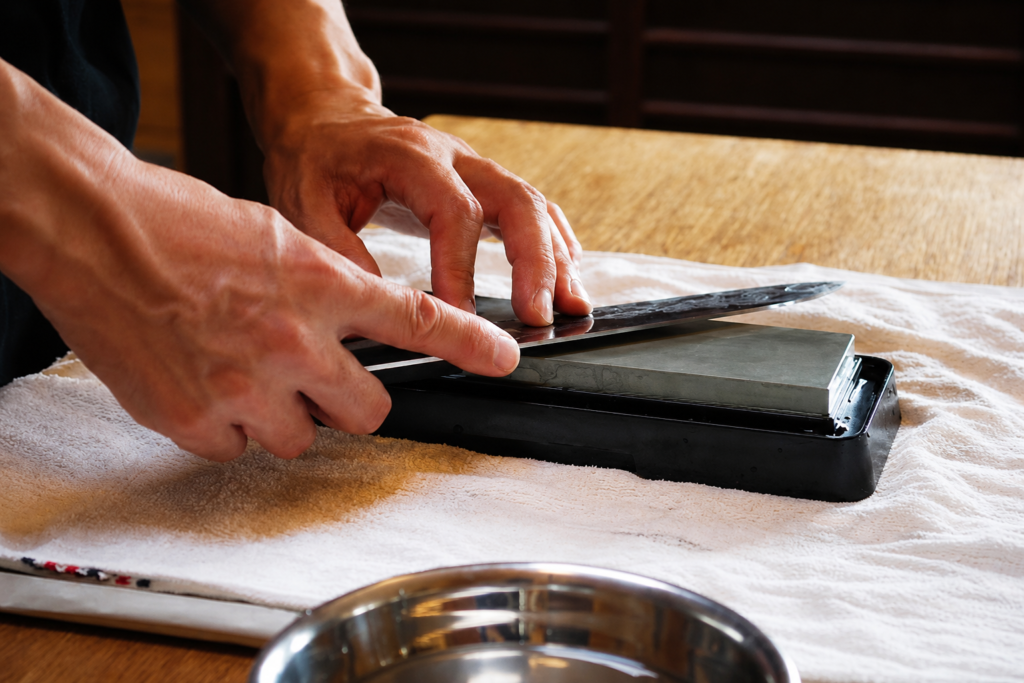
A Japanese knife may appear simple, but the final stages require a great deal of work.
The blade must be ground to the correct thickness, the bevels must be shaped, and the cutting edge must be sharpened evenly.
Some knives also receive additional finishes such as kurouchi, nashiji, tsuchime, Damascus patterns, mirror polishing, or hand engraving.
The handle must also be fitted correctly.
Traditional Japanese handles may use magnolia, walnut, rosewood, ebony, buffalo horn, micarta, or other materials. The quality of the handle, spacer, ferrule, and installation can all influence the final cost.
These details may not change the basic function of the knife, but they can improve comfort, balance, durability, and appearance.
6. A Good Japanese Knife Can Last for Many Years
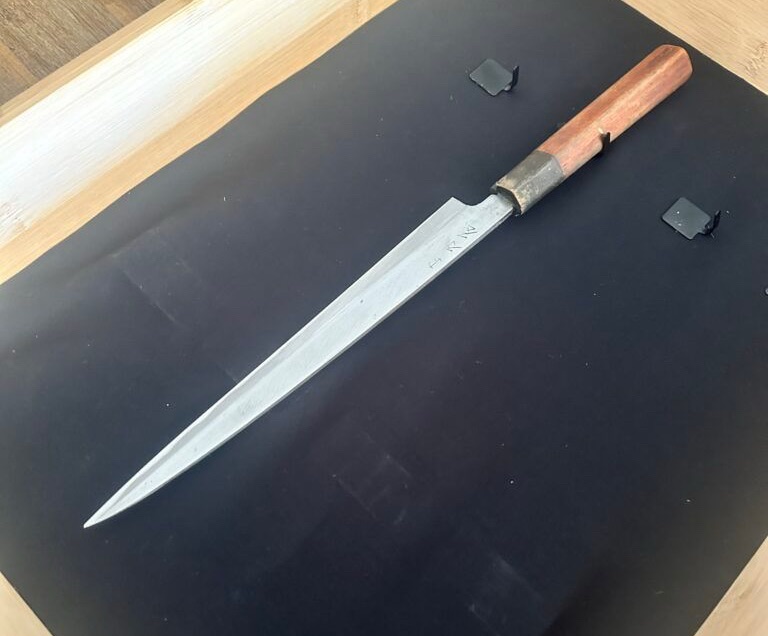
A Kiya Yanagiba Knife Passed Down from My Mother, Over 40 Years Old
A well-maintained Japanese knife is not a disposable product.
With proper sharpening, cleaning, drying, and storage, it can be used for many years. Some knives are passed from one generation to the next.
This changes the way the price should be considered.
A cheap knife that is replaced repeatedly may eventually cost more than one high-quality knife that is maintained correctly.
However, long life is not automatic.
Even an expensive Japanese knife can rust, chip, crack, or become damaged if it is used incorrectly. Carbon steel knives must be kept clean and dry, and thin blades should not be used to cut frozen food, hard bones, or other unsuitable materials.
The value of a good knife comes from both its construction and the care given by its owner.
➡️ Read more: Why Do Japanese Knives Rust So Easily? (And Why That’s Not a Bad Thing)
7. Japanese Knives Can Improve the Experience of Cooking
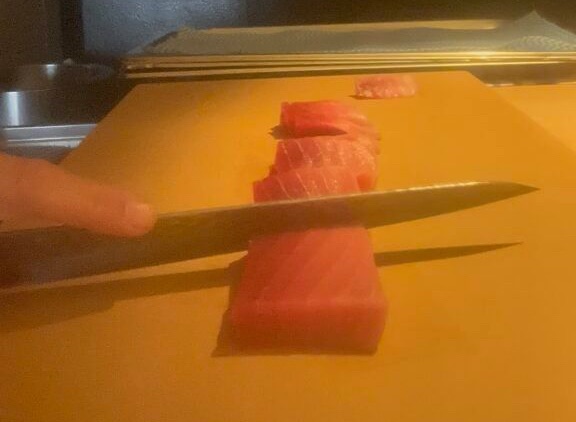
A high-quality knife does more than cut food.
It can improve control, precision, efficiency, and enjoyment.
A sharp knife requires less pressure, which can make delicate cutting easier. It can also help produce cleaner slices of fish, meat, vegetables, herbs, and fruit.
For professional chefs, these differences can be important because a knife is used for many hours every week.
For home cooks, the benefit may simply be that food preparation becomes more enjoyable.
This is difficult to measure with money, but it is one of the main reasons people are willing to invest in quality tools.
A Chef I Work with Ordered a ¥250,000 Knife
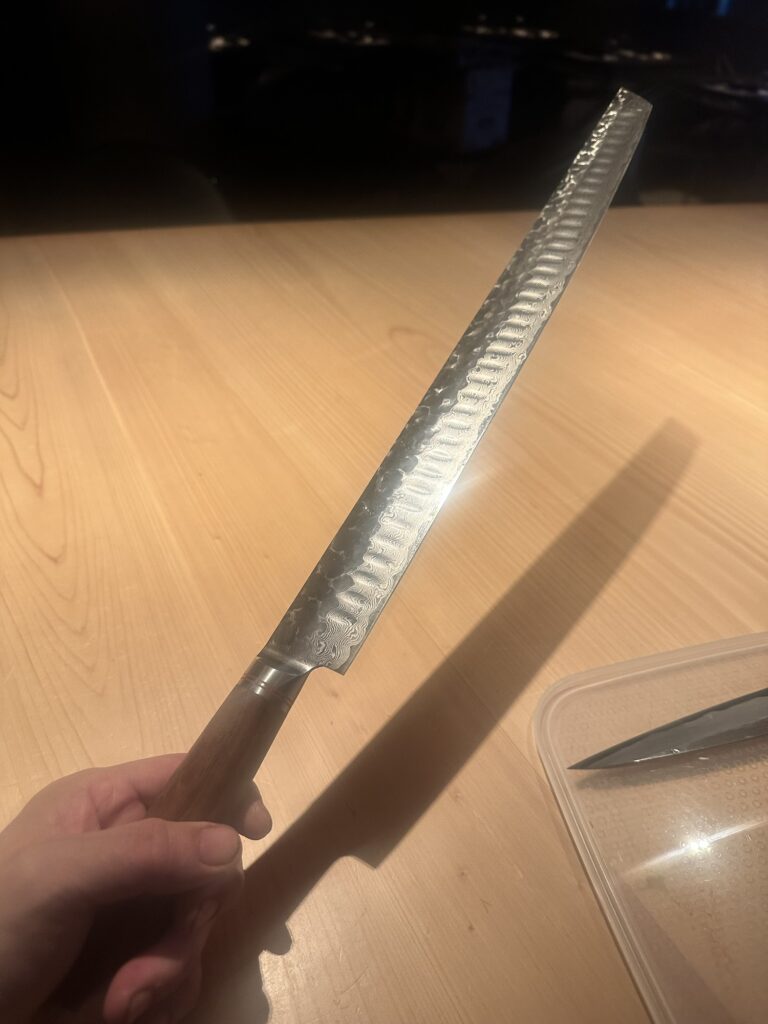
One of the chefs I work with ordered a custom-made knife when he returned to Japan.
The knife cost approximately ¥250,000.
To some people, that may sound far too expensive for a kitchen knife.
However, for him, the knife was worth the price.
It was not simply a decorative object or an expensive possession. It was a professional tool that he expected to use regularly. It reflected his preferences, his working style, and the kind of performance he wanted from his equipment.
He understood what he was buying and believed the knife would provide enough value to justify the cost.
That does not mean everyone should spend ¥250,000 on a knife.
Most people do not need to.
The important lesson is that value is personal.
One person may be completely satisfied with an affordable stainless steel knife. Another person may prefer to invest in a handmade carbon steel knife. A professional chef may be willing to pay much more for a custom blade that matches a particular cutting style.
None of these choices is automatically right or wrong.
Are Expensive Japanese Knives Always Better?
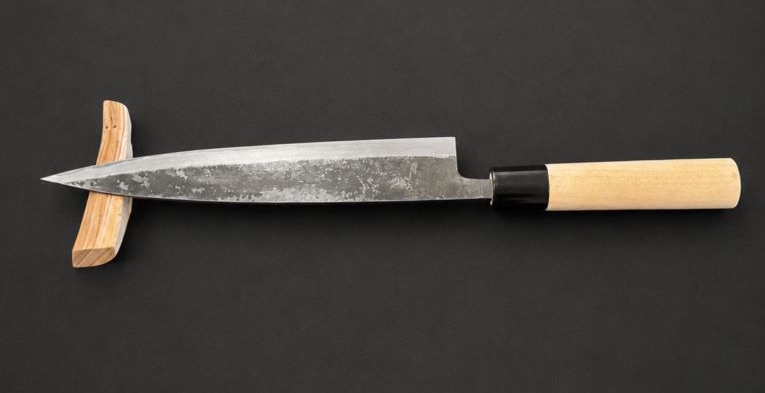
210mm Sujihiki Aogami #2 Kurouchi Magnolia Handle
A$270.00
No.
A higher price does not always guarantee that a knife is better for every user.
Some knives are expensive because of rare materials, complex polishing, decorative finishes, limited production, famous makers, or custom specifications.
These features may be valuable to collectors or experienced chefs, but they may not be necessary for a beginner.
The best knife depends on what you cook, how often you use it, how comfortable you are with maintenance, and how much you are willing to spend.
A person who does not want to worry about rust may be happier with Ginsan, VG10, or SG2 stainless steel.
A person who enjoys sharpening and values traditional character may prefer Aogami or Shirogami carbon steel.
The most expensive knife is not automatically the best choice.
How to Decide Whether a Japanese Knife Is Worth the Price
Before purchasing a Japanese knife, consider how you will use it.
➡️ New to Japanese knives? Read our: Beginner’s Guide to Japanese Kitchen Knives
Think about the type of food you prepare, the knife shape you need, the steel you can maintain, and the size that feels comfortable.
It is also important to buy from a seller who clearly explains the steel, blade construction, handle, maintenance requirements, and intended use.
A good knife should suit the user rather than simply impress them.
At Asaoya Yaichi, the goal is not to convince every customer to purchase the most expensive knife.
The goal is to help people understand what they are buying and choose a knife that offers genuine value for their needs.
Final Thoughts: Why Are Japanese Knives So Expensive?
Japanese knives can be expensive because they combine high-quality steel, skilled craftsmanship, careful heat treatment, detailed sharpening, small-batch production, and traditional knowledge.
These qualities require time and cannot always be reproduced cheaply.
However, price alone does not determine value.
For one person, an affordable knife may be the perfect choice. For another, a handcrafted knife may be worth several hundred dollars. For a professional chef, even a ¥250,000 custom knife may represent a reasonable investment.
The best knife is not necessarily the most expensive knife.
➡️Read more: Wabi-Sabi | Experience the Quiet Beauty of This Handcrafted Santoku Knife
It is the knife that suits your work, your cooking, your preferences, and your idea of value.
A good Japanese knife should not be purchased simply because it is expensive.
It should be purchased because, for the person using it, it is worth owning.
Ready to experience the true value of handcrafted Japanese knives?