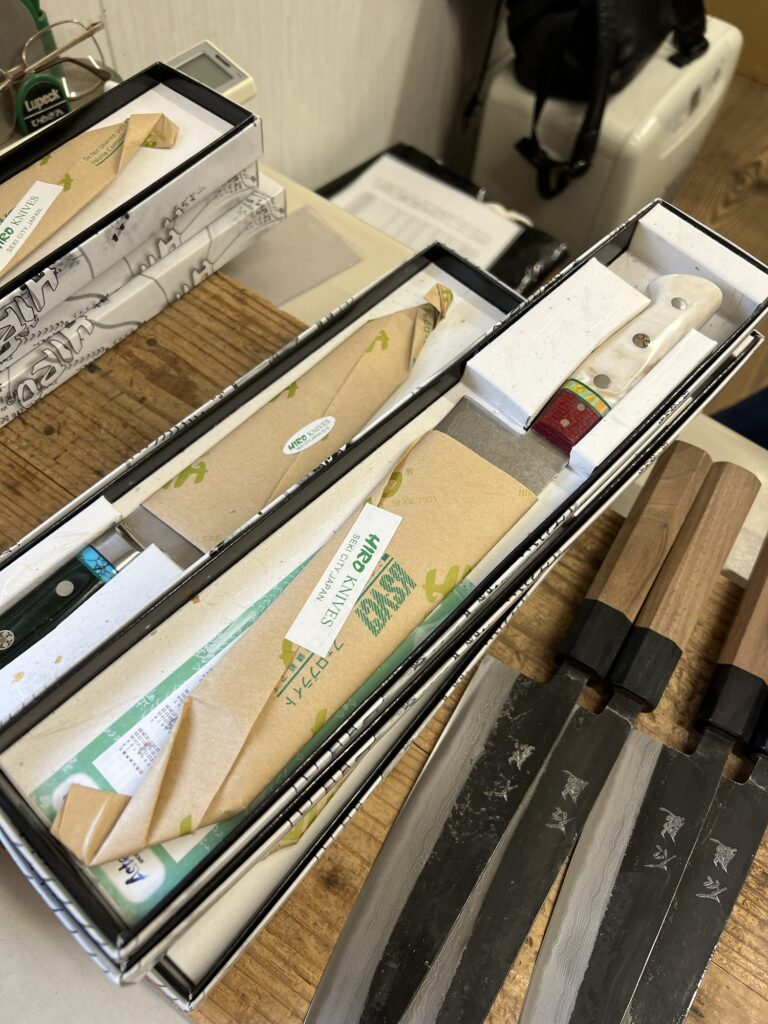
Ishizuchi Kanamono Manufactory
When people talk about Japanese knives, the region where a knife was made often becomes part of the conversation. Sakai, Echizen, Sanjo and Tosa all have long histories of blade making, and each region has developed its own identity.
But how much does the region really matter when choosing a knife?
I sell Tosa Knives, so naturally I have a strong connection with Tosa and its knife-making culture. But if I’m being truthful, for most of my more than 25 years working as a chef, I didn’t think very much about where my knives were made.
I chose knives because I needed them for a job.
And even today, after becoming a knife seller, I sometimes see a knife made somewhere other than Tosa and simply think, “That looks cool.”
Perhaps that is exactly what makes Japanese knives so interesting.
Tosa Knives and Japan’s Different Knife-Making Regions
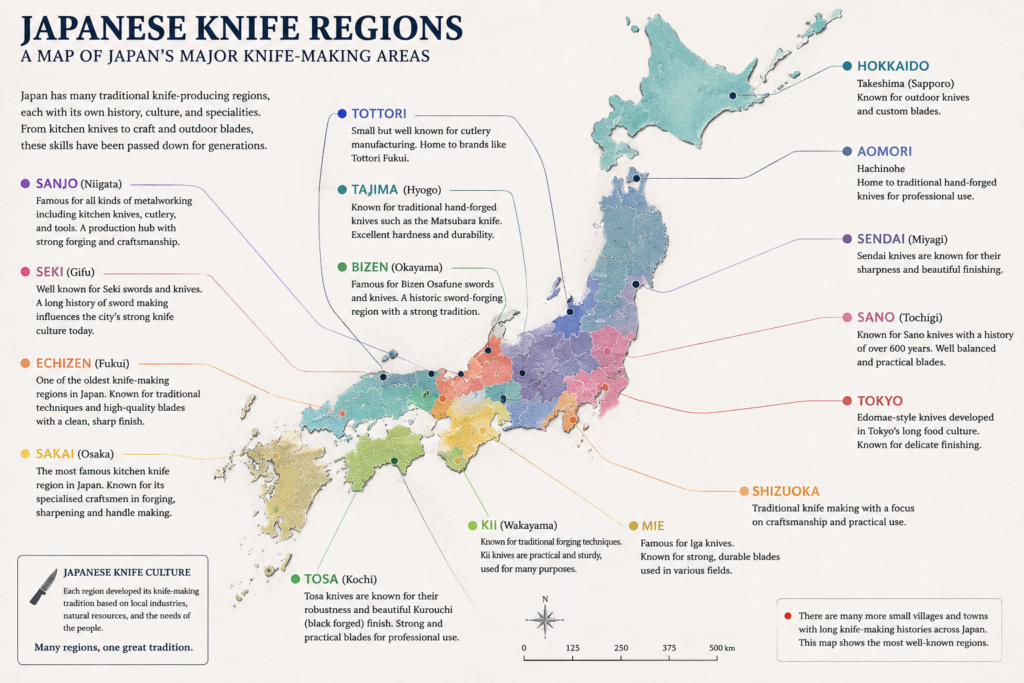
Japanese knives do not come from one single tradition. Different regions developed their blade-making industries through different histories, local industries and demands.
Sakai became particularly famous for traditional Japanese kitchen knives and its division of specialised work between forging, sharpening and handle fitting. Echizen developed its own distinctive blade-making tradition, while Sanjo became known for a broader culture of metalworking and forged tools.
Tosa also followed its own path.
Surrounded by mountains and historically connected to forestry, agriculture and practical tools, Tosa developed a strong culture of forged blades designed to work.
That background is one reason I find Tosa Knives fascinating. There is often something practical and straightforward about them. They can show the marks and character of handmade production rather than trying to hide every sign of the process.
👉 INTERNAL LINK: Read our story about the history of Tosa knives and how the tradition developed.
Does the Region Decide Which Japanese Knife Is Better?
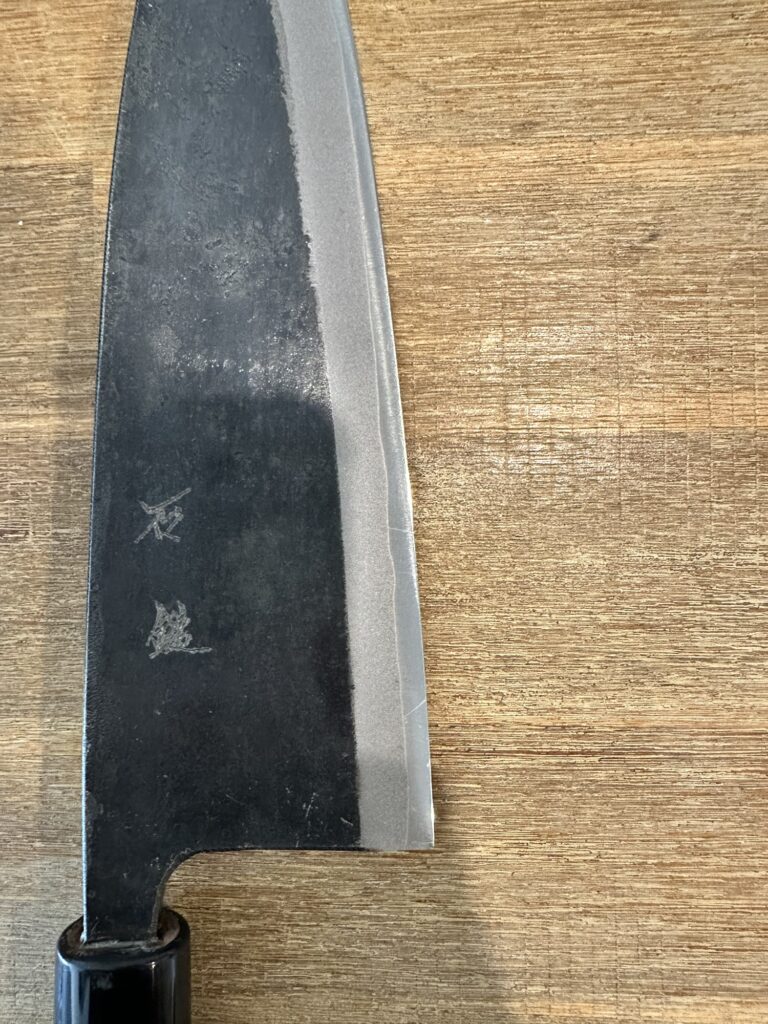
240mm Thick Deba Aogami #2 Kurouchi Walnut Handle
I don’t think it does.
There are people who care deeply about where their knives come from. Some may specifically want a knife from Sakai. Others may love Echizen knives, Sanjo craftsmanship or Tosa Knives.
There is nothing wrong with that.
Other people choose according to purpose. They may prefer one type of knife for sashimi, another for vegetables and something completely different for everyday preparation.
That is something I understand very well as a chef.
Steel also changes the experience. Carbon steels such as Aogami can feel completely different from stainless steels such as Ginsan, VG10 or powder metallurgy steels such as SG2.
👉 INTERNAL LINK: Learn more about Aogami and Shirogami Japanese knife steels.
👉 INTERNAL LINK: Read our deeper look at Ginsan steel and why chefs choose it.
👉 INTERNAL LINK: Discover the story and characteristics of VG10 Japanese knife steel.
The region matters, but it is only one part of the knife.
Selling Tosa Knives Has Changed How I See People Choosing Knives
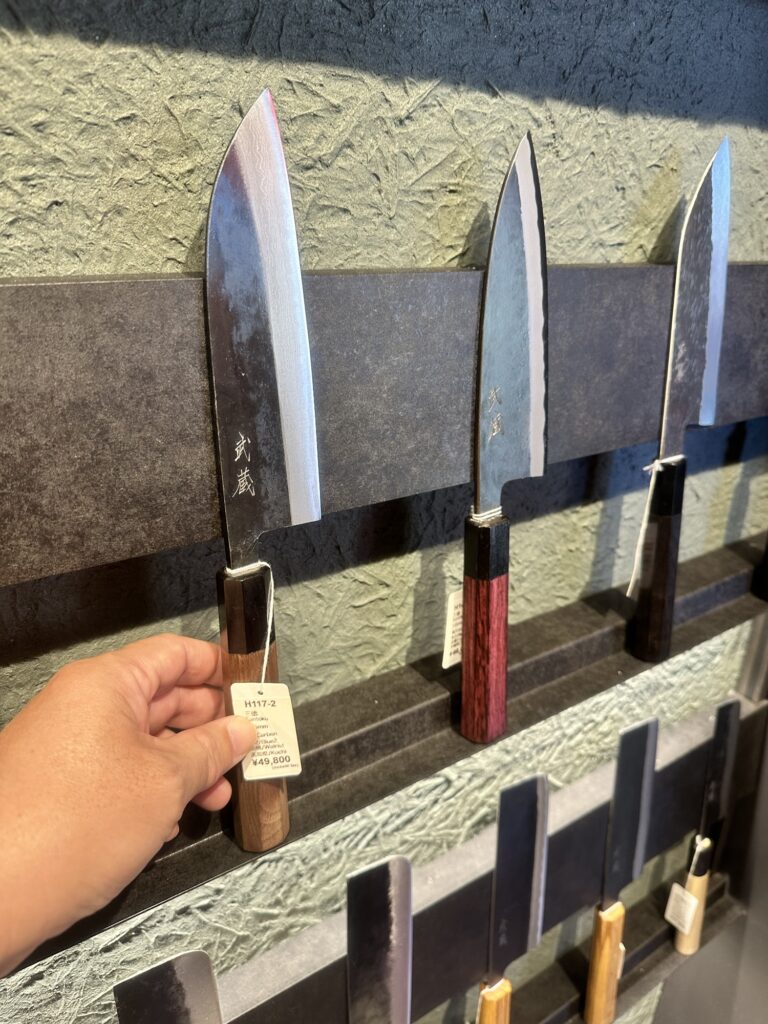
One of the most interesting things I have learned since I started selling Tosa Knives is how difficult it is to predict what someone will like.
When I visit people and show them knives, some show almost no interest in Tosa at all.
Others immediately become curious.
Sometimes I look at someone and think, “This is probably the knife they’re going to choose.”
Then they pick something completely different.
Maybe they like the handle. Maybe they prefer the blade shape. Maybe the weight feels right. Sometimes there probably isn’t even a logical explanation.
They simply like that knife.
👉 INTERNAL LINK: Read why no two handmade Japanese knives are exactly the same.
Tosa Knives Are My Business — But They Don’t Have to Be Everyone’s Favourite
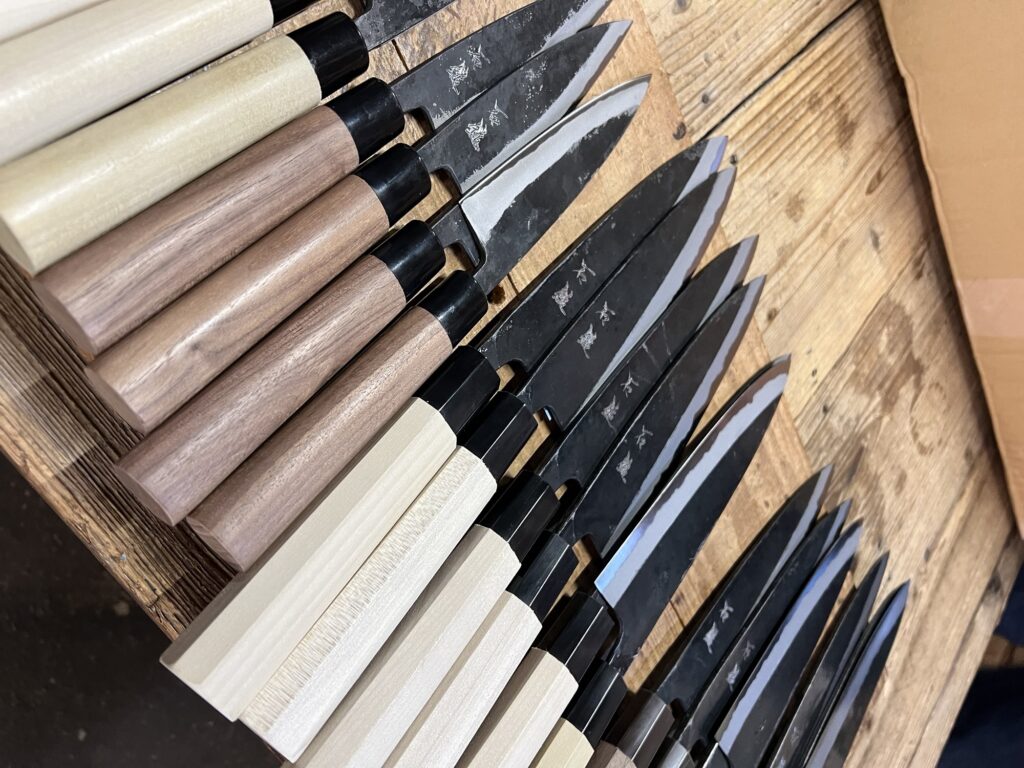
Of course, I want people to discover Tosa Knives.
I work directly with people in Tosa because I respect the craftsmanship, history and practical character behind these knives, and I want more people in Australia to know about them.
But I don’t believe I need to say that every Tosa knife is automatically better than every knife made somewhere else in Japan.
There are incredible knives being made across Japan.
And I still see knives from other regions and think they are beautiful.
For me, appreciating another knife doesn’t make Tosa any less special.
It makes Japanese knife culture more interesting.
Maybe the Most Important Choice Isn’t the Region
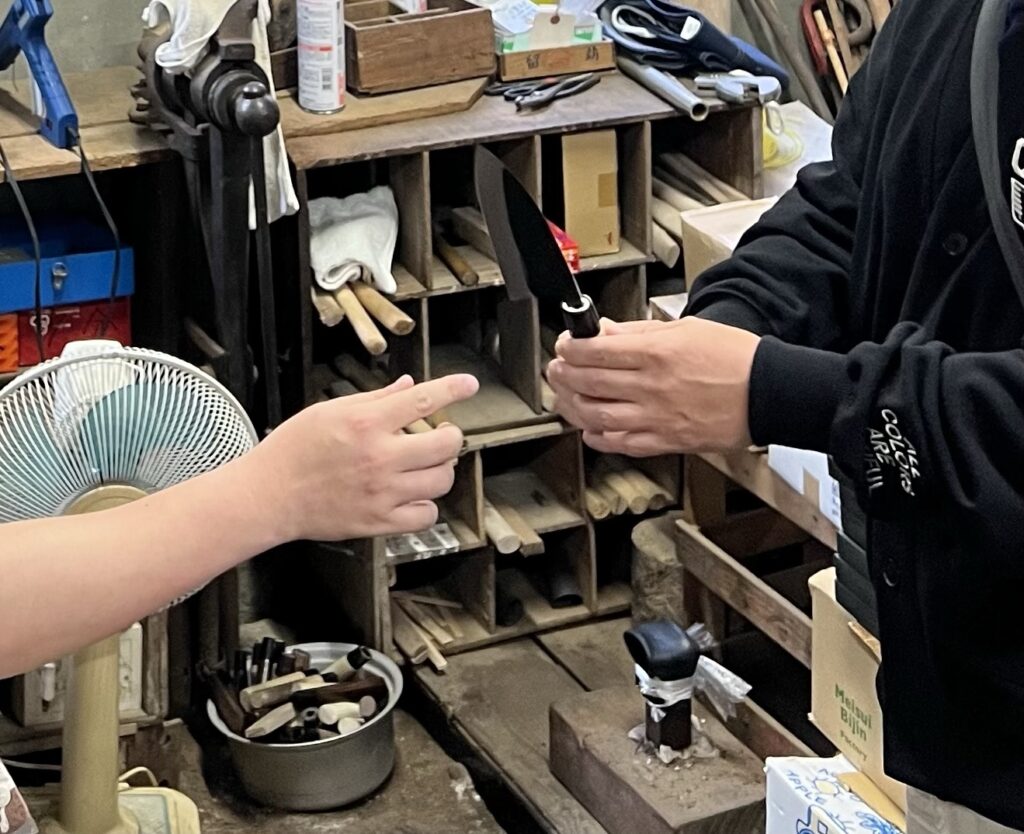
So, are Tosa Knives better than knives from Sakai, Echizen, Sanjo or somewhere else?
I don’t think that is the question I want to answer.
Choosing a knife is personal.
Since becoming a knife seller, that has become clearer to me every time someone chooses a knife I didn’t expect them to choose.
Maybe my job isn’t to convince everyone that Tosa is the best knife-making region in Japan.
If wonderful knives are being made all across Japan, then perhaps my challenge is something different.
I want to become the kind of person someone thinks:
“I want to buy my knife from him.”
I’m still a chef, and I’m still learning as a knife seller.
I sell Tosa Knives because I genuinely believe in them. I want to share their history, their craftsmanship and the people behind them with Australia.
But ultimately, I hope people choose the knife that makes them want to pick it up and cook.
And if one day that knife happens to be a Tosa knife from Asaoya Yaichi, I’ll be very happy.
👉 Explore more:
https://blog.asaoyayaichi.com.au
👉 Visit our online store:
https://asaoyayaichi.com.au
Thank you for reading, and I hope to see you again in the next story.