
I have worked as a professional chef for more than 25 years, including over 17 years in Australia.
Japanese knives have always been part of my everyday working life. I use them to prepare fish, slice sashimi and handle countless ingredients.
But recently, while running my Japanese knife business, Asaoya Yaichi, a question came to mind.
Why are Japanese knives so popular around the world?
I know how they perform. I know how they feel in my hands. But I realised I had never seriously investigated why they had become so highly regarded internationally.
So I decided to look into it.
If you are interested in experiencing Japanese craftsmanship yourself, now is a great time to explore our collection of Japanese knives in Australia.
With limited stock available, don’t miss this opportunity to discover authentic Japanese craftsmanship at exceptional value.
👉 Visit our online store and explore our Christmas Sale!
What I discovered was more interesting than simply saying Japanese knives are sharp.
1. Why Are Japanese Knives So Popular When Other Countries Make Excellent Knives?
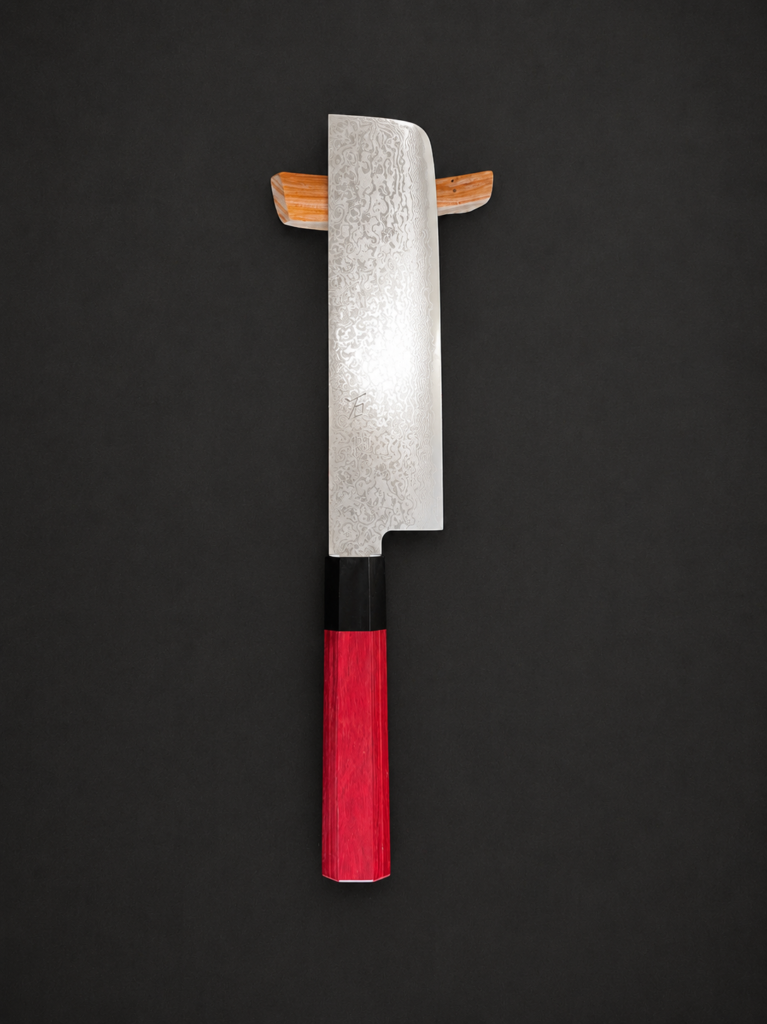
165mm Usuba A8 Hammered Damascus Black & Red Octagonal Handle
Before exploring Japan, I wanted to understand the competition.
Germany has Solingen, one of the world’s most famous centres of blade manufacturing. Brands such as Wüsthof and Zwilling have established international reputations for producing dependable kitchen knives.
France has Thiers, a historic centre of cutlery production. Switzerland is home to Victorinox, whose practical kitchen knives are widely used in professional and domestic kitchens.
These countries have centuries of manufacturing experience. Their knives are respected for good reasons.
Traditional German-style chef’s knives generally prioritise durability, versatility and ease of maintenance. Many Japanese knives place greater emphasis on fine cutting performance and specialised blade geometry.
Neither approach is automatically superior.
This made my original question even more interesting.
If excellent knives already existed around the world, what made Japanese knives stand out?
2. Japanese Knife Craftsmanship Has a Remarkable History

Japan’s reputation for blade making did not begin with modern kitchen knives.
Regions such as Seki and Sakai developed sophisticated metalworking traditions over centuries.
Seki became famous for sword production, while Sakai developed a particularly strong reputation for traditional kitchen knives.
As Japanese society changed and demand for swords declined, blade-making skills continued through the production of practical cutting tools.
However, Japanese kitchen knives are not simply miniature Japanese swords. Their development also reflects regional industries, cooking traditions and specialised manufacturing techniques.
What impressed me most was how these skills survived generations of technological and cultural change.
Even today, traditional craftsmanship remains an important part of Japan’s knife-making identity.
👉 INTERNAL LINK ①: Hand-Forged vs Machine-Made Japanese Knives — Read Our Story
3. Japanese Cuisine Helped Introduce Japanese Knives to the World
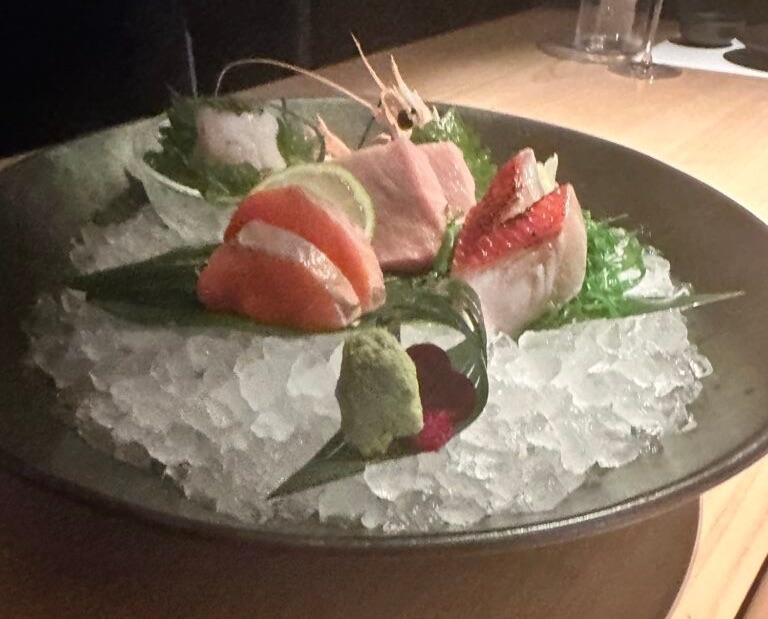
Another important discovery was the relationship between Japanese food and Japanese knives.
As sushi and Japanese cuisine spread internationally, more people became familiar with Japanese cooking techniques.
Traditional Japanese knives were designed around particular tasks.
A Yanagiba creates long, clean slices of sashimi. A Deba is designed for preparing fish. An Usuba supports precise vegetable preparation.
These designs reflect the importance of presentation, texture and precision in Japanese cooking.
In 2013, UNESCO recognised washoku, traditional Japanese dietary cultures, as Intangible Cultural Heritage.
That recognition did not create the international popularity of Japanese cuisine, but it demonstrated how significant Japanese food culture had become.
I believe the global growth of Japanese restaurants helped introduce many overseas chefs to Japanese cutting techniques and the knives associated with them.
👉 INTERNAL LINK ②: Sashimi and Sharpness — Why Cutting Technique Matters
4. Japanese Knives Offer a Different Cutting Experience
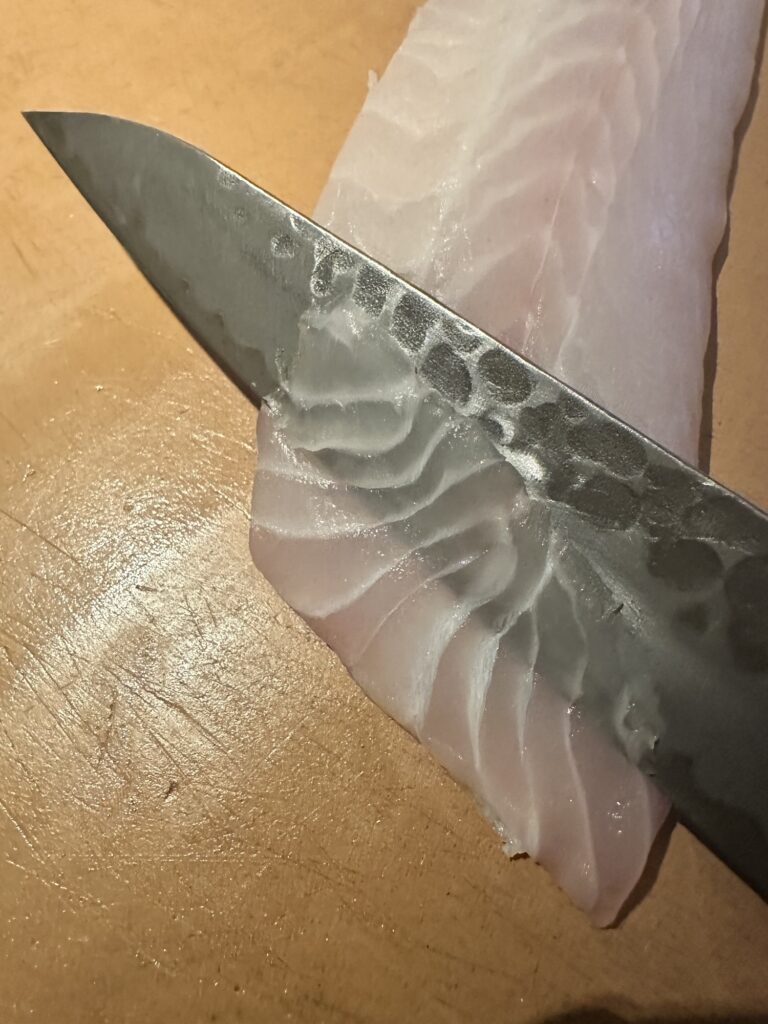
After researching the history, I returned to something I understand personally: cutting performance.
Many Japanese knives use relatively hard steels and thin blade geometries, allowing them to take fine cutting edges.
This can produce an exceptionally smooth cutting experience, particularly when preparing delicate ingredients.
However, harder steel does not automatically mean a better knife.
Blade geometry, heat treatment, sharpening and maintenance all influence performance.
A poorly maintained expensive Japanese knife can perform worse than a properly sharpened, affordable Western knife.
I have experienced this throughout my career.
For sashimi, I personally enjoy the cutting feel of carbon steel. Yet I regularly use stainless steel knives professionally because they offer practical advantages during busy service.
The best knife is not necessarily the hardest or most expensive.
It is the knife that performs the job you need it to do.
👉 INTERNAL LINK ③: Japanese Knife Steel — Understanding the Differences
5. Japanese Knives Combine Tradition With Innovation

180mm Santoku Aogami #2 Green Micarta Handle with Turquoise Spacer
One discovery I particularly enjoyed was that Japanese knife culture has also been influenced by the West.
👉 INTERNAL LINK ④: Nakiri vs Santoku — Choosing the Right Kitchen Knife
The Gyuto developed as Western-style cooking and meat consumption became more established in Japan.
The Santoku later became popular as a versatile kitchen knife suited to changing domestic cooking habits.
Japan did not simply preserve traditional designs. Japanese makers adapted to new ingredients, cooking methods and customer needs.
Today, Japanese knives range from traditional carbon steel blades to modern stainless and powder metallurgy steels.
Their finishes, handle materials and blade shapes also offer enormous variety.
This ability to combine tradition with innovation is one of the strongest reasons Japanese knives continue attracting attention.
Why Are Japanese Knives So Popular? My Conclusion After 25 Years
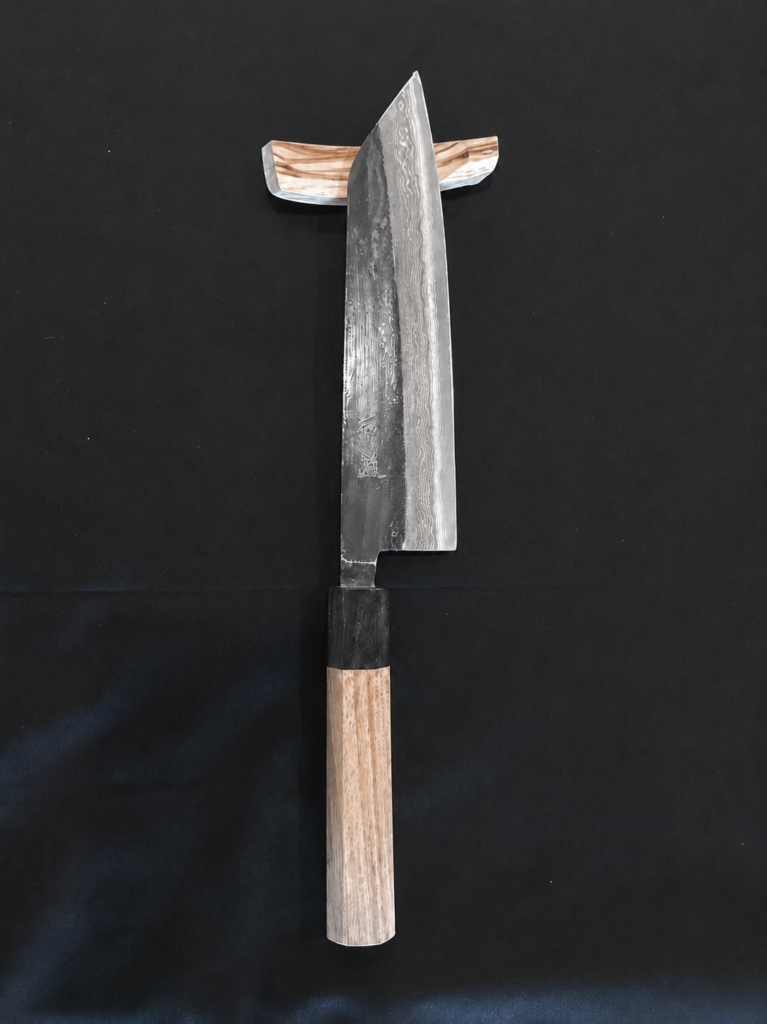
180mm Kiritsuke Aogami #2 Kurouchi Walnut Octagonal Handle
After researching the subject, I no longer believe there is one simple explanation.
Japanese knives became internationally recognised through a combination of traditional craftsmanship, distinctive cutting performance, specialised cooking techniques and the worldwide growth of Japanese cuisine.
Their ability to adapt to modern kitchens has helped maintain that appeal.
But I also believe something else matters.
A well-made Japanese knife can make everyday preparation genuinely enjoyable.
After more than 25 years in professional kitchens, that feeling still matters to me.
I would never claim every Japanese knife is better than every German, French or Swiss knife.
However, I understand why so many cooks become fascinated with Japanese knives once they experience a well-made example.
That combination of performance, craftsmanship and character is what makes Japanese knives special to me.
For anyone exploring Japanese knives in Australia, there is an increasing range of options, from traditional carbon steel to modern stainless steel designs.
At Asaoya Yaichi, we introduce carefully selected Japanese knives, including blades produced in Tosa, Japan.
👉 INTERNAL LINK ⑤: Tosa Knives and Kurouchi — Discover Traditional Japanese Craftsmanship
And perhaps that is the most interesting conclusion of all.
Japanese knives became popular worldwide not because other countries failed to make excellent knives, but because Japan developed its own distinctive approach to cutting.
That difference is worth discovering.
👉 Explore more:
https://blog.asaoyayaichi.com.au
👉 Visit our online store:
https://asaoyayaichi.com.au
Thank you for reading, and I hope to see you again in the next story.
—————————————————
Where to See and Buy Our Knives
Our Partner Stores
Chanoyu — Nerang, Gold Coast

Visit Chanoyu and See Our Japanese Knives
If you are on the Gold Coast, we would love you to visit Chanoyu, a Japanese café in Nerang where you can see and purchase a selection of Asaoya Yaichi knives in person.
Chanoyu is a lovely place to slow down and enjoy Japanese-inspired food, excellent matcha, coffee and handmade desserts. Its warm, peaceful atmosphere makes it a pleasure to visit, whether you are stopping in for breakfast, lunch or something sweet. We are delighted that our knives have a place there.

Visit Chanoyu: Shop 6A, 54–58 Nerang Street, Nerang QLD 4211
Opening hours: Monday to Saturday, 7:00 am–2:00 pm; closed Sunday
Website: https://www.chanoyucafe.com/
Instagram: https://www.instagram.com/chanoyugc/
The selection of knives on display may change. If you are interested in a particular Asaoya Yaichi knife, please contact us through https://asaoyayaichi.com.au before visiting, and we will help you check whether it is available at Chanoyu.