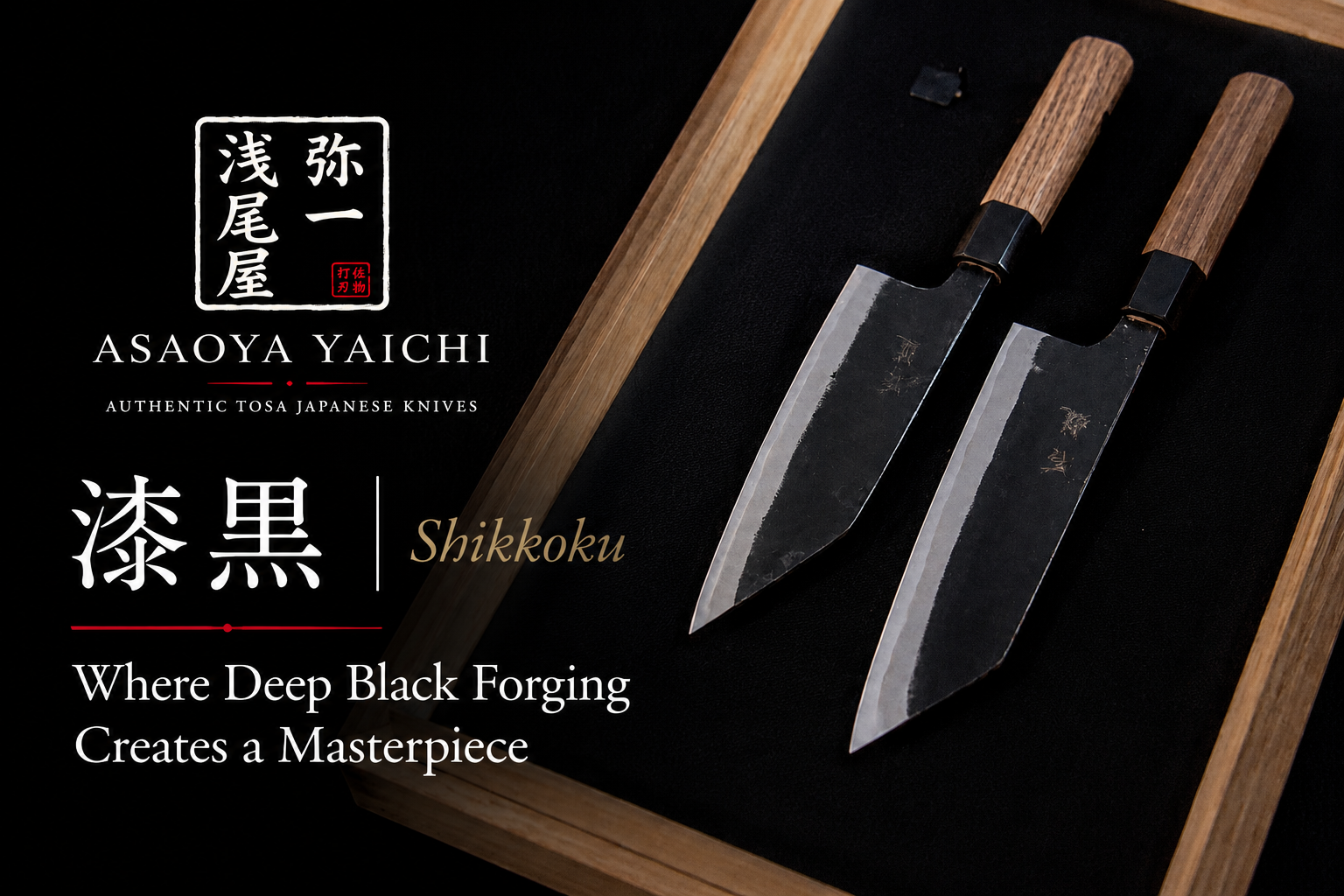
Kiritsuke Knife | 7 Powerful Reasons to Choose a 180mm Aogami #2 Kurouchi Kiritsuke Knife
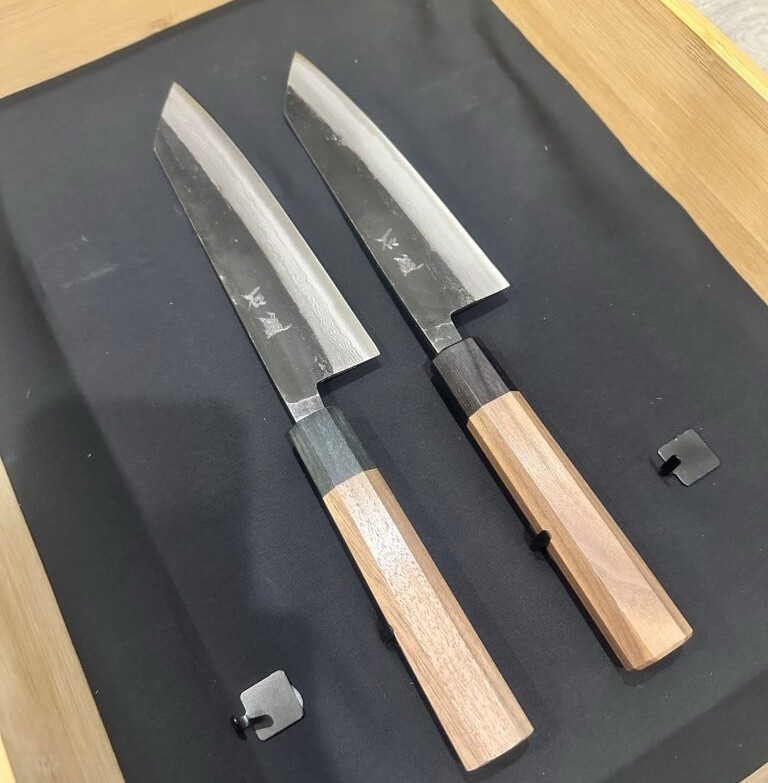
180mm Kiritsuke Aogami #2 Kurouchi Walnut Octagonal Handle
A$560.00
If you’re searching for a handcrafted Kiritsuke Knife, few blades capture the spirit of traditional Japanese craftsmanship better than this 165mm Aogami #2 Kurouchi Kiritsuke Knife with a Walnut Octagonal Handle.
Its deep black Kurouchi finish, handcrafted Aogami #2 steel, and beautifully balanced walnut octagonal handle create far more than an attractive kitchen knife. Together, they produce a tool designed for cooks who appreciate precision, durability, and authentic craftsmanship.
This knife is also available in 180mm, giving users the option to choose the size that best suits their cooking style.
For me, after more than 25 years working as a professional chef, this style of Kiritsuke Knife stands out not because it looks impressive, but because it performs exceptionally well every day.
Why This Kiritsuke Knife Is Different
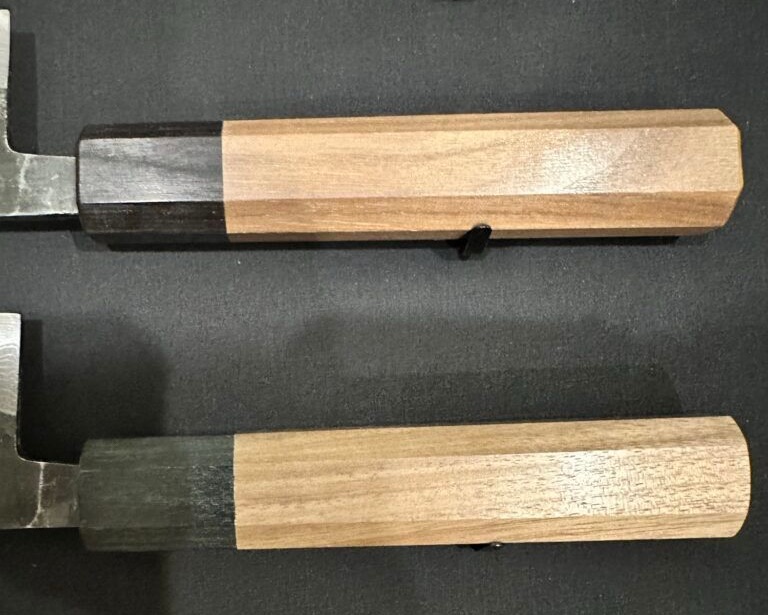
Many people first notice the striking Kurouchi finish.
The deep black surface immediately gives the knife a traditional appearance, but the Kurouchi finish is much more than decoration. It is a natural result of the forging process that Japanese blacksmiths have preserved for generations.
Because each blade is hand forged, every knife develops its own individual character. No two Kurouchi finishes are exactly alike.
Combined with handcrafted Aogami #2 steel, this Kiritsuke Knife offers exceptional edge retention, impressive sharpness, and a cutting feel that many professional chefs still prefer over modern alternatives.
The walnut octagonal handle completes the knife beautifully. It feels warm in the hand, offers excellent control, and remains comfortable even during extended preparation.
Why I Prefer the Pointed Tip of a Kiritsuke Knife
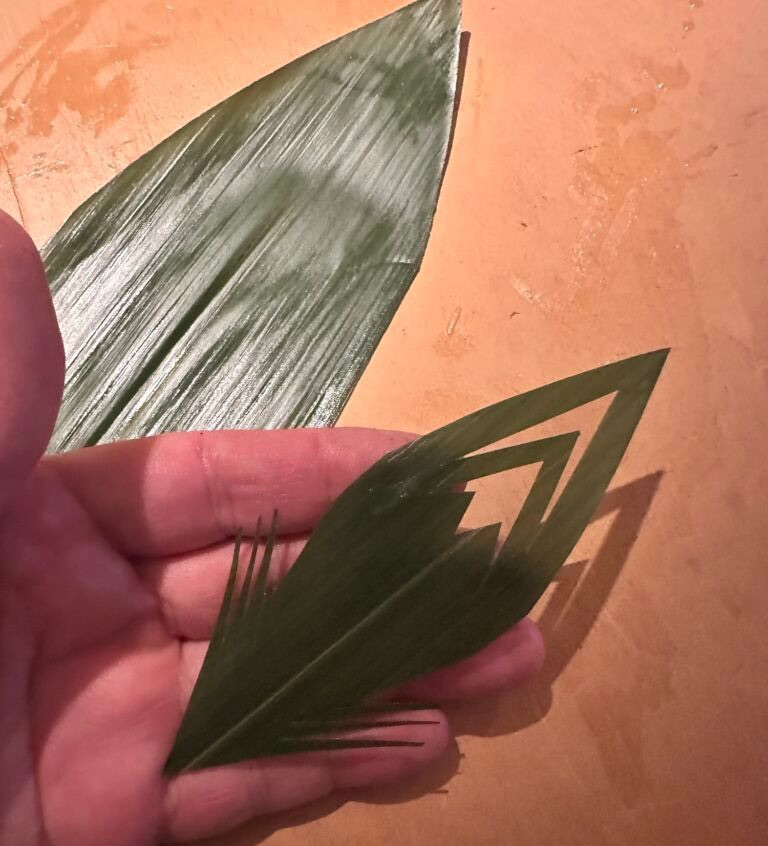
One of the biggest advantages of a Kiritsuke Knife is something many people overlook—the pointed tip.
Some people assume the angled tip exists purely for appearance, but after years of using kiritsuke-style knives professionally, I’ve found the opposite.
The pointed tip makes detailed work much easier.
I regularly use it for decorative vegetable carving, trimming delicate ingredients, making decorative cuts in bamboo leaves for plating, opening precise starting cuts, and carefully working around small areas where a rounded blade simply cannot reach as comfortably.
The additional control may seem like a small difference, but over the course of an entire service, those small advantages become significant.
Once you become comfortable using a kiritsuke profile, returning to a rounded blade often feels limiting.
For cooks who value precision, versatility, and control, this is one of the strongest reasons to choose a Kiritsuke Knife.
Aogami #2 Steel Delivers Outstanding Performance
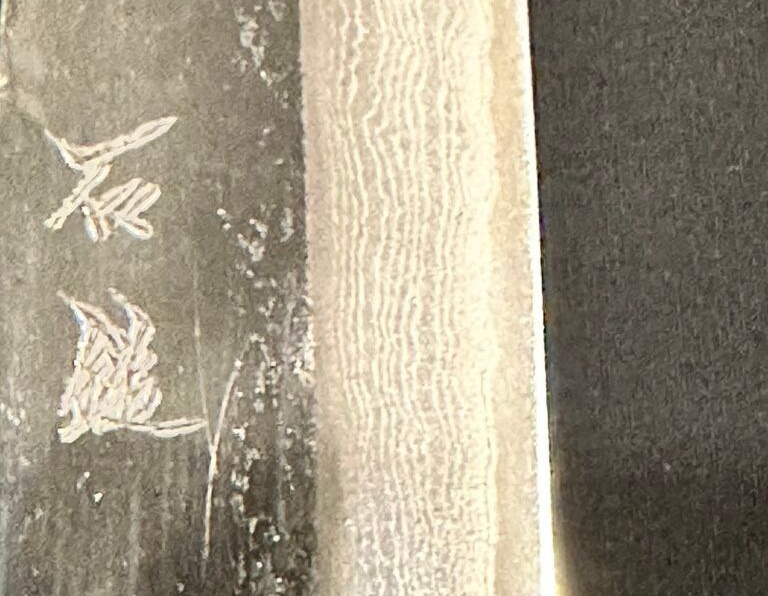
At the heart of this handcrafted Kiritsuke Knife is Aogami #2 steel.
Among traditional Japanese carbon steels, Aogami #2 has earned an outstanding reputation for combining incredible sharpness with excellent edge retention.
With proper care, it develops a natural patina that reflects years of use rather than diminishing the knife’s beauty.
Unlike many stainless steels, Aogami #2 is also highly rewarding to sharpen, allowing experienced users to achieve an exceptionally refined edge.
For cooks who enjoy maintaining their own knives, this is one of its greatest strengths.
Choosing Between the 165mm and 180mm Kiritsuke Knife
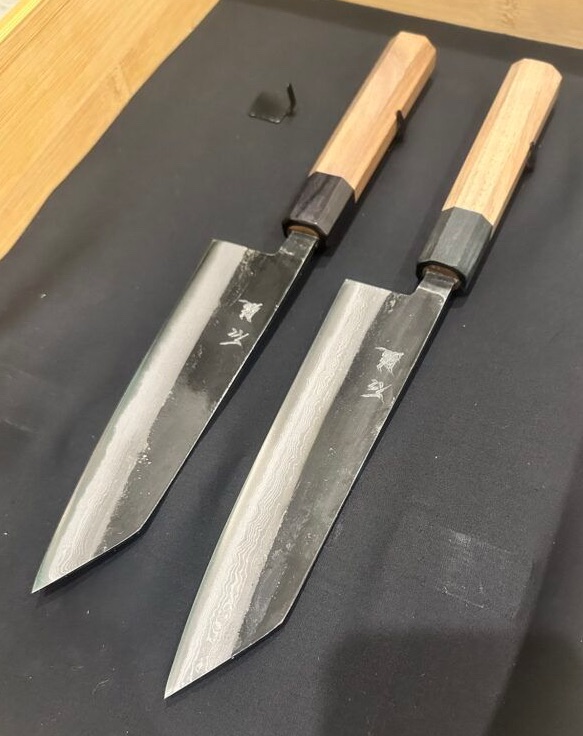
165mm Kiritsuke Aogami #2 Kurouchi Walnut Octagonal Handle
A$520.00
This model is available in both 165mm and 180mm.
The 165mm is an excellent all-round size. It feels agile, offers precise control, and is ideal for everyday preparation, vegetables, smaller fish, and general kitchen work.
The 180mm provides additional blade length, making it more comfortable for larger ingredients and users who simply prefer a longer cutting stroke.
Neither size is better than the other.
The right choice depends on your cooking style, workspace, and personal preference.
Whichever size you select, you’ll enjoy the same handcrafted construction, Aogami #2 steel, Kurouchi finish, and walnut octagonal handle.
Shikkoku — The Beauty of Deep Black
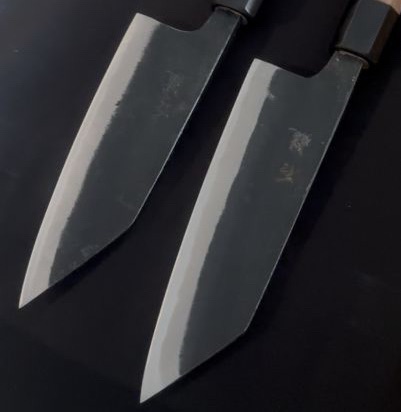
The Japanese word Shikkoku (漆黒) refers to a rich, profound black.
It perfectly captures the appearance and character of this handcrafted Kiritsuke Knife.
Rather than relying on polished surfaces or decorative patterns, the Kurouchi finish celebrates the forging process itself.
Every hammer strike leaves behind subtle individuality, giving each blade a personality that cannot be mass produced.
This quiet beauty reflects the philosophy of Japanese craftsmanship, where function and simplicity often create the strongest impression.
Final Thoughts
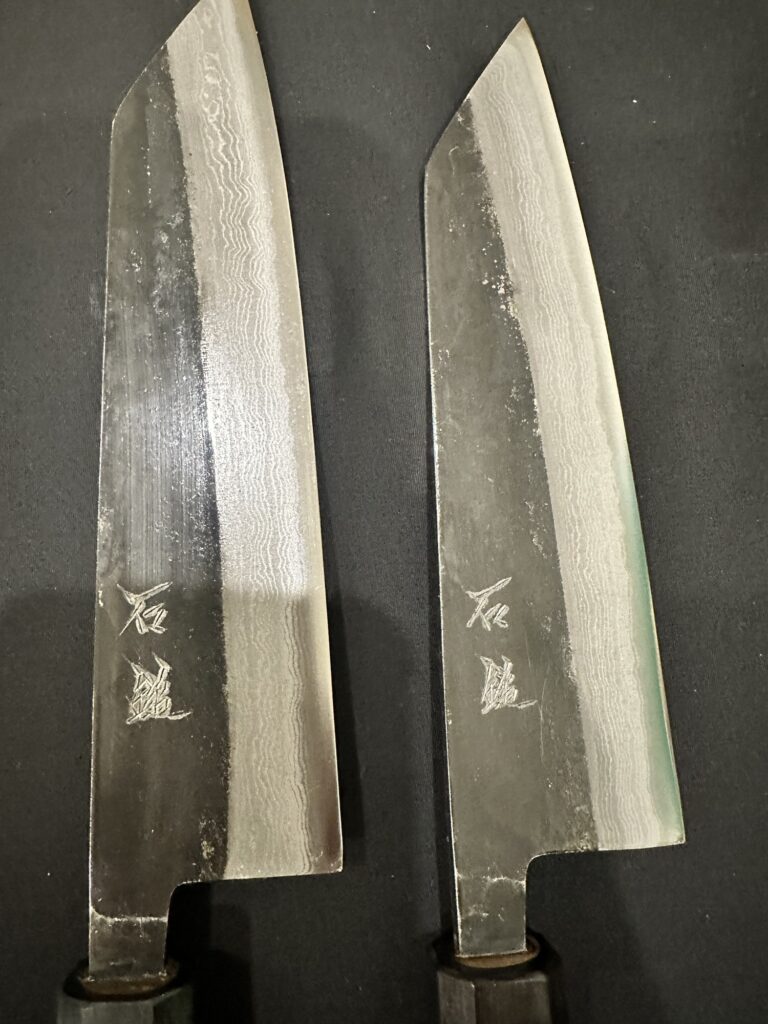
A great Kiritsuke Knife should do more than cut well.
It should inspire confidence every time you pick it up.
After more than 25 years working as a chef, I’ve learned that the best knives are the ones you naturally reach for every day.
This handcrafted 165mm & 180mm Aogami #2 Kurouchi Kiritsuke Knife has exactly that quality.
Its exceptional steel, practical kiritsuke profile, comfortable walnut octagonal handle, and traditional Kurouchi finish come together to create a knife that is both beautiful and highly functional.
If you’re looking for an authentic handcrafted Japanese knife that reflects the tradition of Tosa blacksmithing while offering practical performance in everyday cooking, this Kiritsuke Knife is one you’ll appreciate for many years.
Looking for Your Next Kiritsuke Knife?
If you’d like to experience the craftsmanship and cutting performance of this handcrafted Aogami #2 Kurouchi Kiritsuke Knife, I invite you to explore the collection at Asaoya Yaichi.
Every knife is carefully selected from skilled craftsmen in Tosa, Japan, with a focus on traditional craftsmanship, outstanding performance, and long-lasting quality.
Whether you choose the 165mm or 180mm model, I hope you’ll find a knife that becomes a trusted companion in your kitchen for years to come.
Explore the collection here:
https://asaoyayaichi.com.au
➡ Read our Beginner’s Guide to Japanese Kitchen Knives
➡ Learn the Difference Between Carbon Steel and Stainless Steel
➡ Discover Why Kurouchi Knives Earned My Respect
➡Read: Monozukuri | Where Japanese Craftsmanship Meets Quiet Beauty
➡ Forged Legacy | The 165mm Kiritsuke Thick Deba That Carries 400 Years of Tosa Craftsmanship