Are Japanese knives in Australia really worth buying?
As a professional chef with over 25 years of experience in Japan and Australia, I believe they absolutely are. However, I also believe that exceptional Japanese craftsmanship should not always come with an exceptionally high price.
At Asaoya Yaichi, our mission is simple. We want more Australians to discover the quality of authentic Japanese knives without paying unnecessarily high prices.
If you are considering purchasing your first Japanese knife, I invite you to explore our collection at Asaoya Yaichi.
This Christmas, we are making that opportunity even more accessible.
1. Japanese Knives in Australia Offer More Than Sharpness
Thank you for reading, and I hope to see you again in the next story.
—————————————————
Where to See and Buy Our Knives
Our Partner Stores
Chanoyu — Nerang, Gold Coast
Visit Chanoyu and See Our Japanese Knives
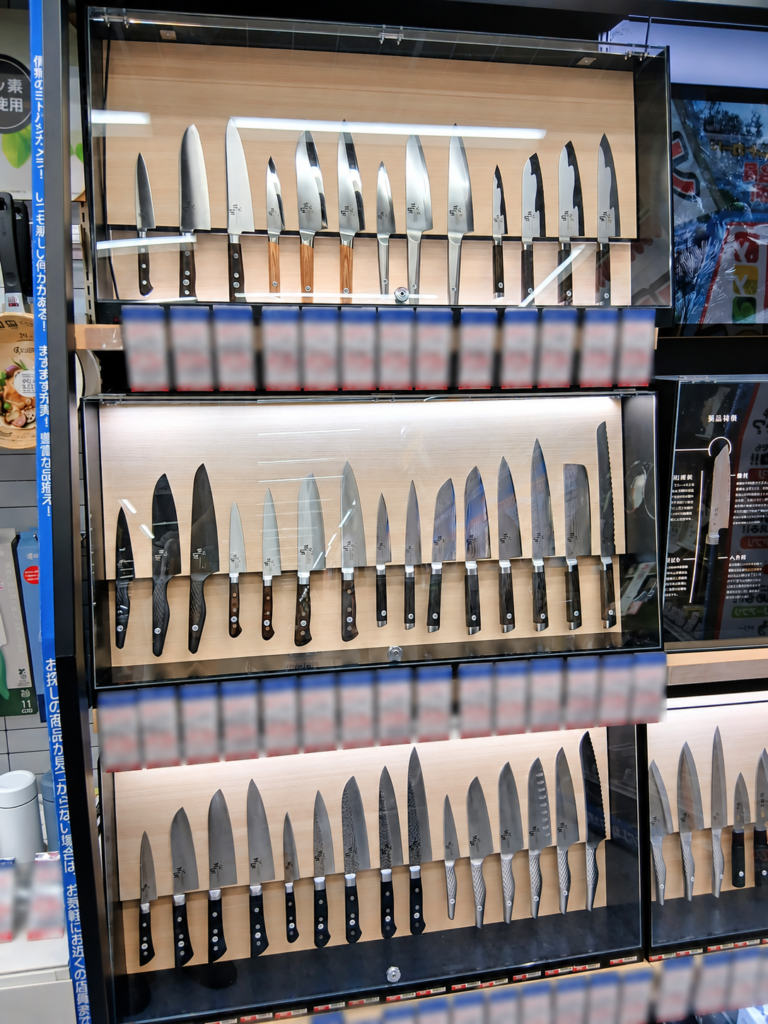
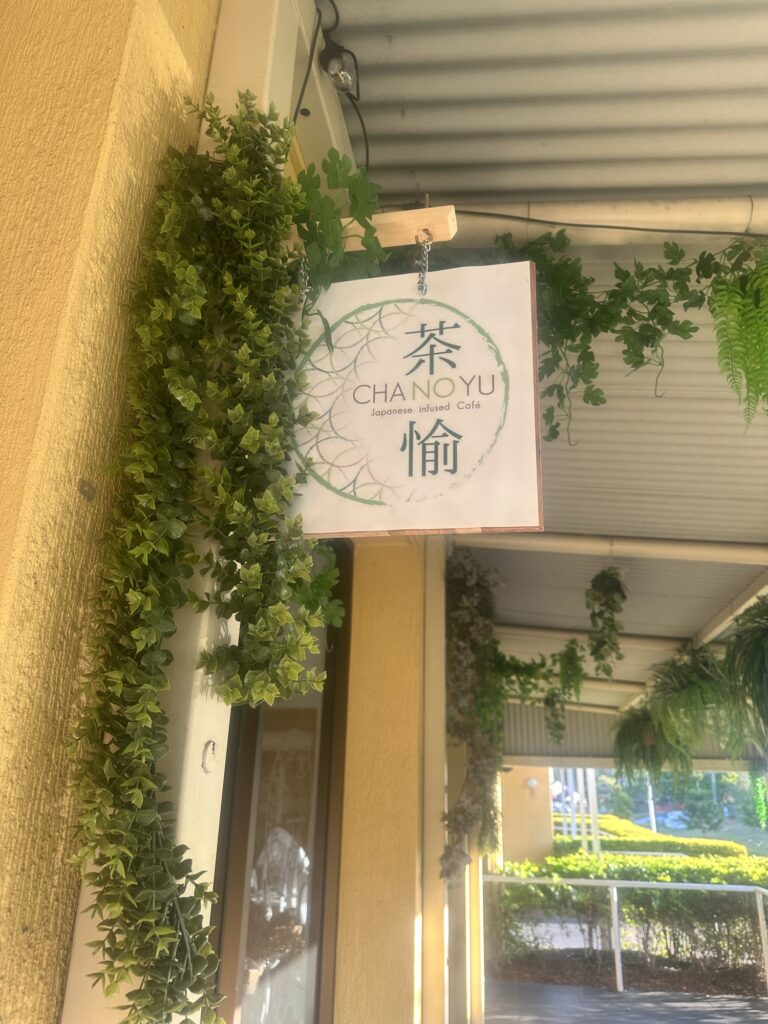
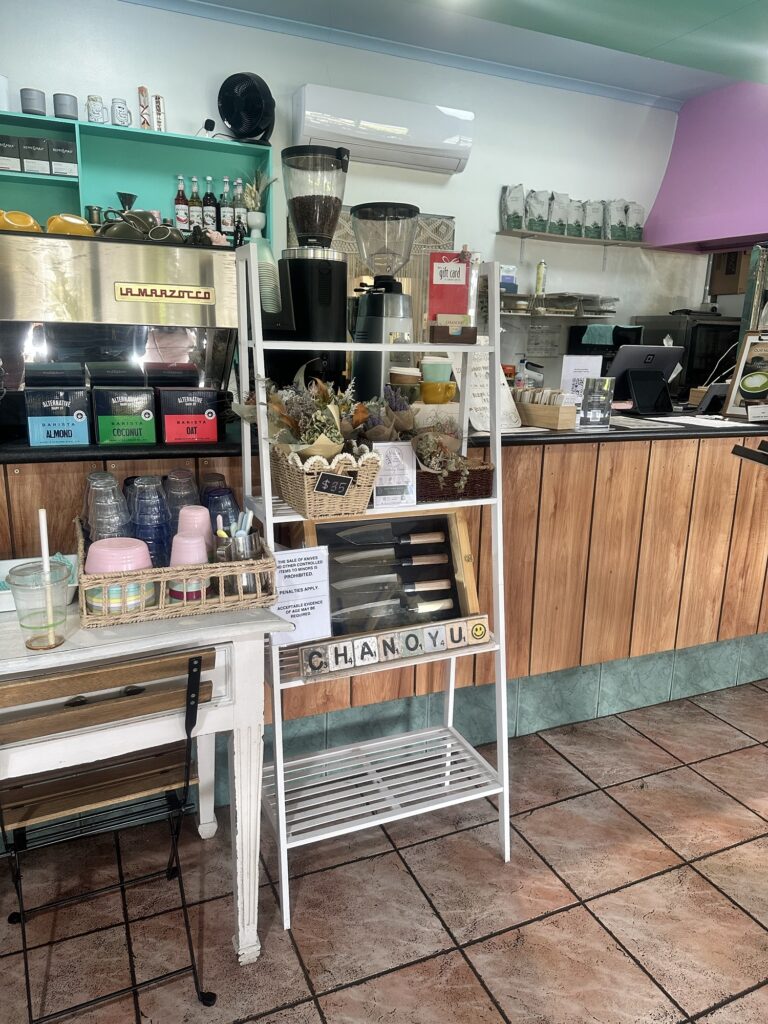
If you are on the Gold Coast, we would love you to visit Chanoyu, a Japanese café in Nerang where you can see and purchase a selection of Asaoya Yaichi knives in person.
Chanoyu is a lovely place to slow down and enjoy Japanese-inspired food, excellent matcha, coffee and handmade desserts. Its warm, peaceful atmosphere makes it a pleasure to visit, whether you are stopping in for breakfast, lunch or something sweet. We are delighted that our knives have a place there.
The selection of knives on display may change. If you are interested in a particular Asaoya Yaichi knife, please contact us through https://asaoyayaichi.com.au before visiting, and we will help you check whether it is available at Chanoyu.
Christmas is approaching, and finding the perfect gift for someone special is not always easy.
A Japanese knife can make a wonderful Christmas present. It is not simply a kitchen tool, but something that can be used, appreciated, and treasured for many years.
After more than 25 years working as a professional chef, I have used many different Japanese knives. Some have impressed me with their cutting performance, others with their craftsmanship, and some simply because they are beautiful to look at.
Today, I would like to introduce five Japanese knives from Asaoya Yaichi that I personally recommend as Christmas gifts.
These are not necessarily the five most expensive knives in our collection. They are five choices I genuinely believe would make wonderful presents.
Of course, choosing a knife for someone else is not always straightforward. Everyone has different cooking habits, preferences, and levels of experience.
That is why I have considered not only appearance but also practicality, maintenance, and the type of person who might enjoy each knife.
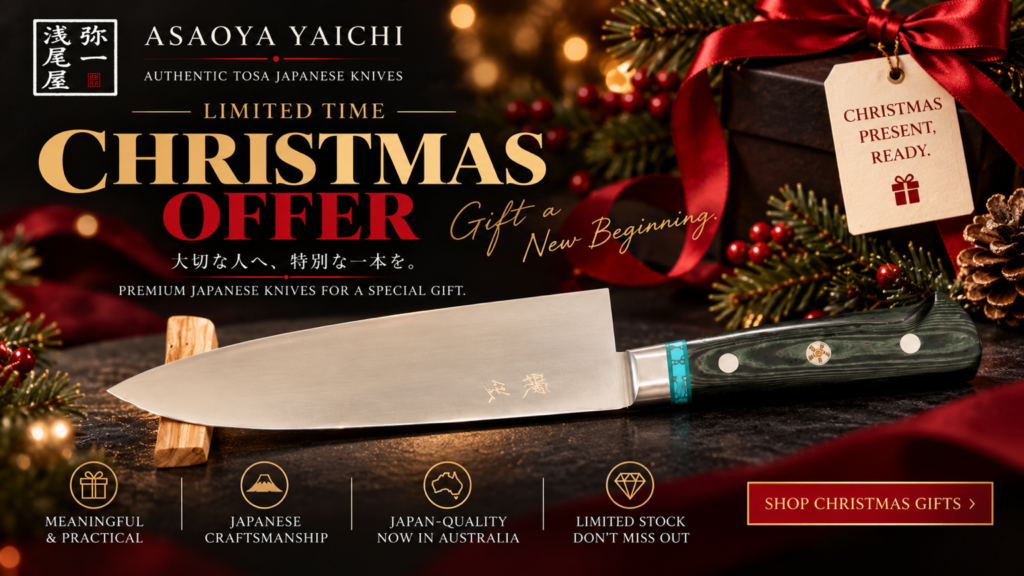
Our limited-time Christmas Sale begins on Wednesday, 14 October 2026, at 12:00 AM (Queensland time), so this is also a good opportunity to introduce some of the knives available at Asaoya Yaichi.
My first recommendation is one of the most beautiful knives in our collection.
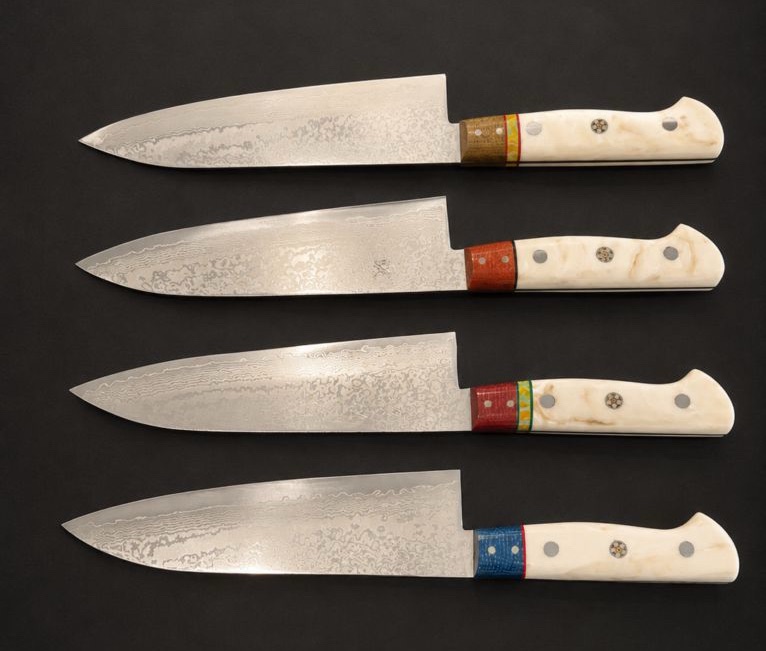
The 180mm Santoku VG10N 33 Layer Damascus features an elegant Damascus blade and a distinctive green marble-style handle decorated with a colourful spacer.
What makes this series particularly special is its limited availability.
Our supplier, Ishizuchi Kanamono Seisakusho, receives only small quantities from the blacksmith responsible for producing these knives.
At Asaoya Yaichi, we currently have four different variations available, featuring red, orange, yellow, and blue spacers.
We have only one knife available in each colour.
The 180mm Santoku is also a practical choice for everyday cooking.
Personally, I believe 180mm is a very comfortable size for home kitchens. It is long enough for most everyday preparation while remaining manageable for people who may find a larger Gyuto slightly intimidating.
Vegetables, meat, and fish can all be prepared comfortably with this type of knife.
Another advantage is the VG10N stainless steel blade. Compared with traditional carbon steel, it is relatively easy to maintain because of its corrosion resistance.
Of course, even stainless steel knives should always be cleaned and dried properly.
For someone who enjoys cooking and appreciates beautiful kitchen tools, I believe this would make an exceptional Christmas present.
Personally, I find the combination of the Damascus blade and colourful handle particularly attractive.
It is certainly one of my favourites.
Japanese Knife Christmas Gift No. 2 — 180mm Santoku Aogami #2 Green Micarta Handle with Turquoise Spacer
My second recommendation has a completely different character.
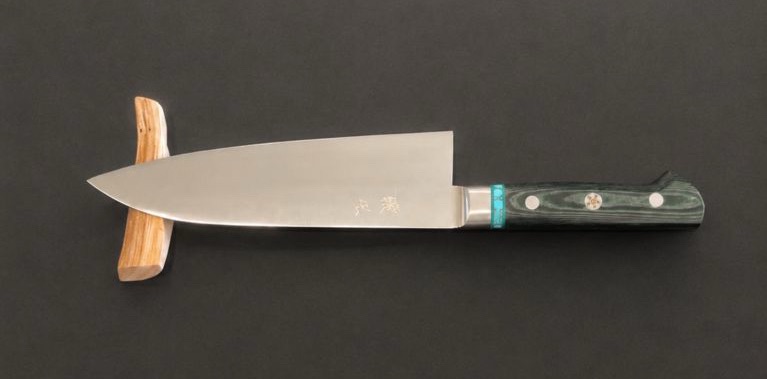
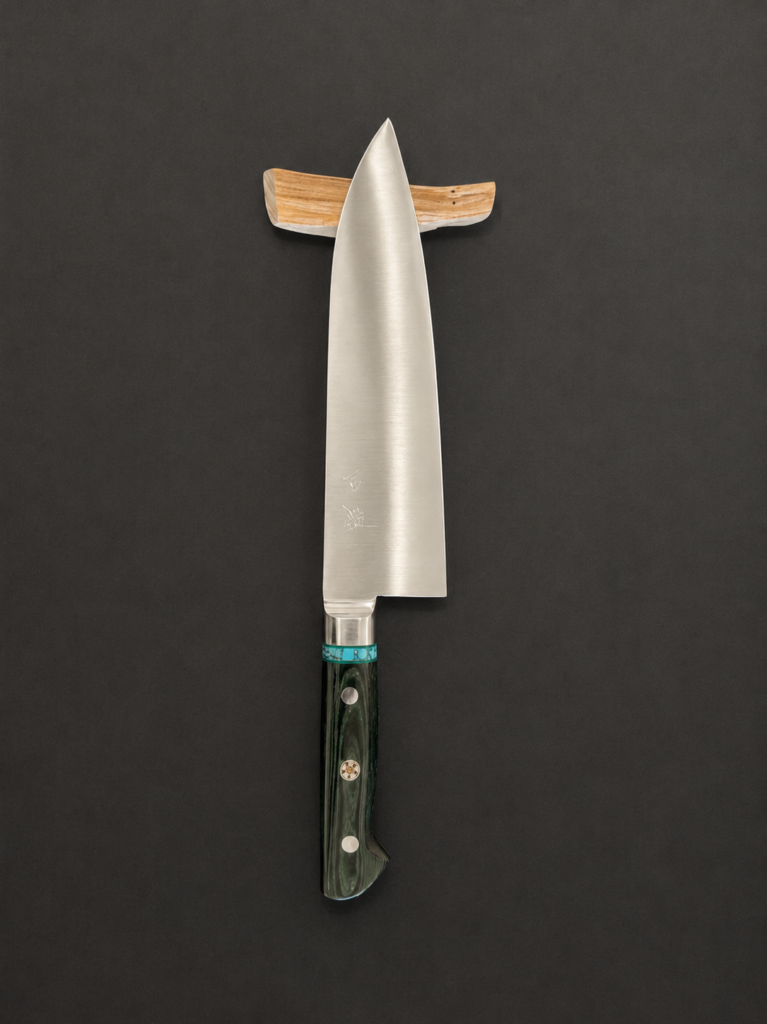
This 180mm Santoku features Aogami #2 carbon steel, a beautiful green Micarta handle, and a striking turquoise spacer.
Like my first recommendation, this knife comes from a blacksmith whose work is available only in limited quantities through our supplier.
Personally, I find the combination of the deep green handle and turquoise spacer particularly beautiful.
There is something about its appearance that reminds me of the Japanese aesthetic of wabi-sabi, an appreciation of simplicity, character, and understated beauty.
However, the real attraction of this knife is not just its appearance.
Aogami #2 is a traditional Japanese carbon steel appreciated for its cutting performance and sharpening characteristics.
Over the years, I have used several different carbon steel knives in professional kitchens, and I still enjoy the feeling of a well-maintained carbon steel edge.
There is something satisfying about using a knife that requires a little care but rewards that attention with excellent cutting performance.
However, carbon steel is not necessarily the best choice for everyone.
Unlike stainless steel, Aogami #2 can develop patina and rust if it is left wet or poorly maintained.
For that reason, I would recommend this knife to someone who already understands basic knife maintenance or genuinely enjoys looking after their kitchen tools.
If you are interested in learning more about the differences between Japanese knife steels, I have discussed this subject in my article about Japanese Knife Steel.
For the right person, this knife offers a wonderful combination of traditional Japanese steel and contemporary design.
Japanese Knife Christmas Gift No. 3 — VG10 Polished Hammered 67 Layer Damascus Green Handle Series
My third recommendation is particularly interesting because it offers the opportunity to create a matching knife set.
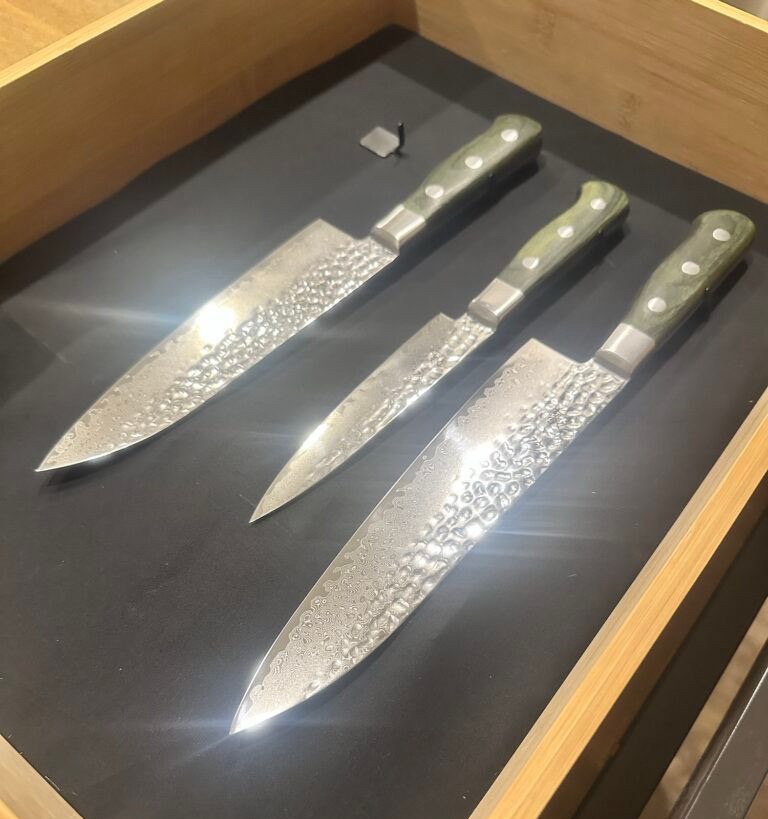
This beautiful VG10 series features a polished hammered finish, 67-layer Damascus construction, and elegant green handles.
At Asaoya Yaichi, we offer three different knives from this collection: a 180mm Santoku, a 210mm Gyuto, and a 135mm Petty.
All three are attractive knives individually, but I think they become even more interesting when considered as Christmas gifts.
For example, combining a Santoku with a Petty would make a beautiful and practical present for someone who enjoys cooking at home.
The Santoku can handle most everyday food preparation, while the smaller Petty is useful for more delicate work.
Alternatively, a 210mm Gyuto and 135mm Petty would be an excellent combination for someone who prefers a slightly longer main knife.
Personally, I do not think most home cooks need both a Santoku and a Gyuto from the same series.
Their uses overlap considerably, and I would rather recommend two knives that complement each other.
After working in professional kitchens for more than 25 years, I have come to appreciate the importance of choosing knives according to the work they actually need to perform.
A larger collection is not necessarily a better collection.
In fact, two carefully selected knives can be more useful than several knives that perform almost identical tasks.
My fourth recommendation is for someone who appreciates the traditional appearance of Japanese knives.
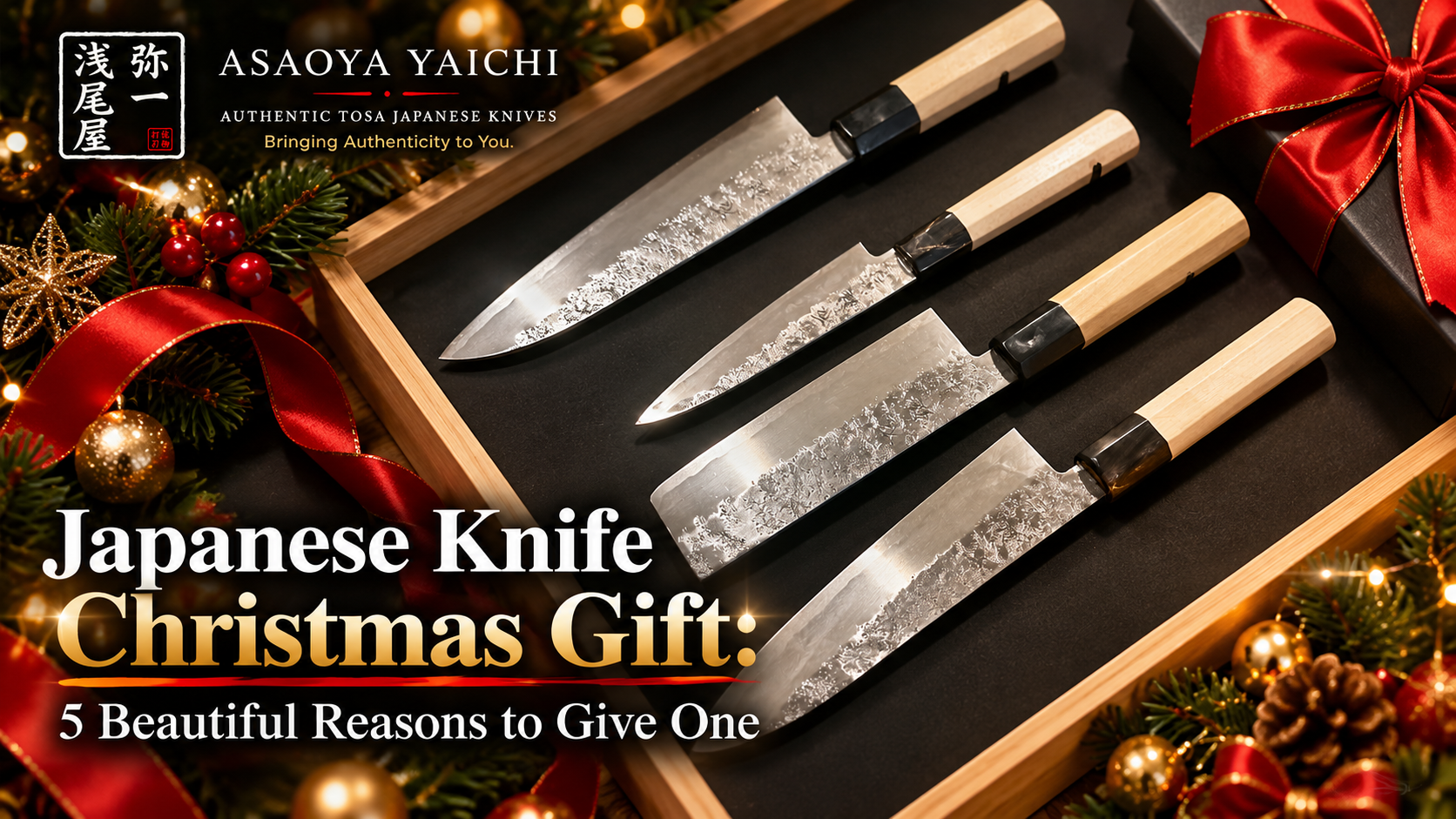
This series features Ginsan stainless steel, a Nashiji blade finish, and a traditional octagonal magnolia wood handle with a buffalo horn ferrule.
The appearance is unmistakably Japanese.
Personally, I find the simplicity of this design particularly appealing.
Unlike the colourful handles of my earlier recommendations, this series has a more traditional character.
There is no need for elaborate decoration. The forged blade, textured finish, and natural wooden handle already give the knife a beautiful presence.
At Asaoya Yaichi, we offer four different knives from this collection: a 210mm Gyuto, 180mm Santoku, 165mm Nakiri, and 120mm Petty.
Once again, combining two complementary knives could make a wonderful Christmas present.
For example, a Santoku and Petty would provide a versatile combination for everyday home cooking.
A Gyuto and Petty would also be an excellent choice for someone who prefers a longer main knife.
Alternatively, someone who enjoys preparing vegetables might appreciate the traditional appearance and specialised shape of the Nakiri.
Ginsan is an interesting steel because it combines good corrosion resistance with cutting and sharpening characteristics appreciated by many Japanese knife enthusiasts.
For someone who likes traditional Japanese knives but does not want the additional maintenance associated with carbon steel, I think Ginsan is well worth considering.
I have previously written about this steel in my article about Ginsan Steel.
The Nashiji finish is another distinctive feature of this series.
Nashiji literally refers to a pear-skin-like texture, and it gives the blade a traditional, understated appearance.
If you would like to learn more about this finish, you can also read What Does Nashiji Mean on a Japanese Knife?
If the person receiving your gift appreciates traditional Japanese craftsmanship, this series would certainly be worth considering.
Japanese Knife Christmas Gift No. 5 — 180mm Kiritsuke Aogami #2 Kurouchi Walnut Octagonal Handle
For an experienced cook or professional chef, I believe this would be a particularly memorable Christmas gift.
Which Japanese Knife Christmas Gift Would I Personally Choose?
After introducing these five recommendations, you might be wondering which one I would personally choose.
The answer depends entirely on the person receiving the gift.
If I were choosing a knife for someone who had never owned a Japanese knife before, I would probably start with the VG10N Damascus Santoku or the VG10 hammered Damascus series.
Both offer beautiful designs, practical blade shapes, and relatively straightforward maintenance.
For someone who appreciates traditional Japanese craftsmanship, I would strongly consider the Ginsan Nashiji series.
Its appearance is beautifully Japanese, and its stainless steel blade makes it a practical choice for everyday use.
For an experienced cook who enjoys traditional carbon steel, the Aogami #2 Santoku or Kurouchi Kiritsuke would be particularly appealing.
Personally, I have always believed that choosing a knife should begin with understanding how it will be used.
A professional chef and someone who cooks occasionally at home may have completely different requirements.
Even two professional chefs can have very different preferences.
That is why I do not believe there is one perfect knife for everyone.
The best Japanese Knife Christmas Gift is not necessarily the most expensive knife or the one with the most elaborate design.
It is the knife that suits the person receiving it.
After more than 25 years working in professional kitchens, that is still one of the most important lessons I would share.
Christmas Sale Begins Wednesday, 14 October 2026!
Our limited-time Christmas Sale officially begins at 12:00 AM on Wednesday, 14 October 2026 (Queensland time).
This is a wonderful opportunity to discover our carefully selected range of authentic Japanese knives.
Some of the knives featured in today’s article are available in very limited quantities.
In particular, our VG10N 33 Layer Damascus Rainbow Spacer series currently has only one knife available in each colour.
Once these knives are sold, we cannot guarantee when the same models will become available again.
If you are considering a Japanese knife as a Christmas present this year, I encourage you to explore our collection before the sale begins.
At Asaoya Yaichi, we carefully select Japanese knives that we believe offer genuine quality, beautiful craftsmanship, and lasting value.
Whether you are purchasing your first Japanese knife, choosing a present for someone special, or adding another knife to your own collection, I hope you find something that brings enjoyment to your kitchen.
A carefully chosen Japanese knife can become much more than a Christmas present.
It can become a trusted kitchen companion for many years to come.
Thank you for reading, and I hope to see you again in the next story.
—————————————————
Where to See and Buy Our Knives
Our Partner Stores
Chanoyu — Nerang, Gold Coast
Visit Chanoyu and See Our Japanese Knives
If you are on the Gold Coast, we would love you to visit Chanoyu, a Japanese café in Nerang where you can see and purchase a selection of Asaoya Yaichi knives in person.
Chanoyu is a lovely place to slow down and enjoy Japanese-inspired food, excellent matcha, coffee and handmade desserts. Its warm, peaceful atmosphere makes it a pleasure to visit, whether you are stopping in for breakfast, lunch or something sweet. We are delighted that our knives have a place there.
The selection of knives on display may change. If you are interested in a particular Asaoya Yaichi knife, please contact us through https://asaoyayaichi.com.au before visiting, and we will help you check whether it is available at Chanoyu.
In Japan, giving a knife can have a meaning that surprises people unfamiliar with Japanese culture.
Although knives are sometimes associated with cutting relationships, they can also symbolise cutting away misfortune, overcoming difficulties, and opening a new path in life.
A knife can therefore represent a fresh beginning.
For someone moving into a new home, starting a new career, getting married, or beginning another chapter of life, this symbolism can make a thoughtful gift.
Of course, traditions and personal beliefs vary, but I find this positive interpretation particularly beautiful.
A Japanese Knife Christmas Gift can express your hope that someone will enjoy a wonderful future.
2. A Japanese Knife Christmas Gift Can Last for Many Years
Many Christmas presents are exciting when first opened but gradually lose their appeal.
A well-made Japanese knife is different.
With proper care and occasional sharpening, a quality knife can remain useful for many years.
I have personal experience with this.
My mother has owned a Japanese Yanagiba knife for approximately 40 years. I used that same knife for around 20 years before it became part of her kitchen again.
That experience taught me something important.
The value of a knife is not necessarily determined by how expensive it is when purchased, but by how long it continues to serve its owner.
A knife that accompanies someone through years of cooking can eventually become something surprisingly personal.
3. Japanese Craftsmanship Makes the Gift Special
Japanese knives are admired around the world for their craftsmanship, materials, and attention to detail.
However, I believe their greatest appeal lies in the people behind them.
Many Japanese knife-making traditions have developed over generations, with craftspeople continuing to refine techniques that require considerable experience and dedication.
At Asaoya Yaichi, we particularly value knives produced in Tosa, Japan.
Tosa has a long history of blade-making, and its traditional blacksmithing culture remains an important part of Japanese craftsmanship.
If you are interested in understanding these traditions, please read:
The most important thing is not choosing the most expensive knife.
It is choosing something that suits the recipient’s cooking habits and experience.
That is what makes selecting a Japanese knife as a Christmas gift such a personal experience.
5. Discovering Japanese Knives in Australia Has Never Been Easier
Our Partner Store, Chanoyu
Finding authentic Japanese knives in Australia has become easier, but choosing the right knife can still feel overwhelming.
Different steels, blade shapes, handles, and price ranges can make the decision surprisingly complicated.
That is one reason I started Asaoya Yaichi.
After spending more than 25 years in professional kitchens, I wanted to share my experiences and introduce carefully selected Japanese knives to Australian customers.
If you are exploring Japanese knives for the first time, our dedicated page is a useful place to begin:
Today, I have shared why I believe a Japanese knife can make such a meaningful Christmas present.
But which knife would I actually choose?
Tomorrow, I will introduce five Japanese knife series from Asaoya Yaichi that I personally recommend as Christmas gifts, based on my experience of more than 25 years working as a professional chef.
From beautiful Damascus patterns and colourful handles to traditional Japanese carbon steel knives, each recommendation has its own character.
Some are ideal for home cooks, while others may appeal more to professional chefs or people who appreciate traditional Japanese craftsmanship.
I will also explain which knives I would recommend as matching pairs.
If you are considering a Japanese Knife Christmas Gift this year, I hope tomorrow’s article will help you find something truly special.
Thank you for reading, and I hope to see you again in the next story.
—————————————————
Where to See and Buy Our Knives
Our Partner Stores
Chanoyu — Nerang, Gold Coast
Visit Chanoyu and See Our Japanese Knives
If you are on the Gold Coast, we would love you to visit Chanoyu, a Japanese café in Nerang where you can see and purchase a selection of Asaoya Yaichi knives in person.
Chanoyu is a lovely place to slow down and enjoy Japanese-inspired food, excellent matcha, coffee and handmade desserts. Its warm, peaceful atmosphere makes it a pleasure to visit, whether you are stopping in for breakfast, lunch or something sweet. We are delighted that our knives have a place there.
The selection of knives on display may change. If you are interested in a particular Asaoya Yaichi knife, please contact us through https://asaoyayaichi.com.au before visiting, and we will help you check whether it is available at Chanoyu.