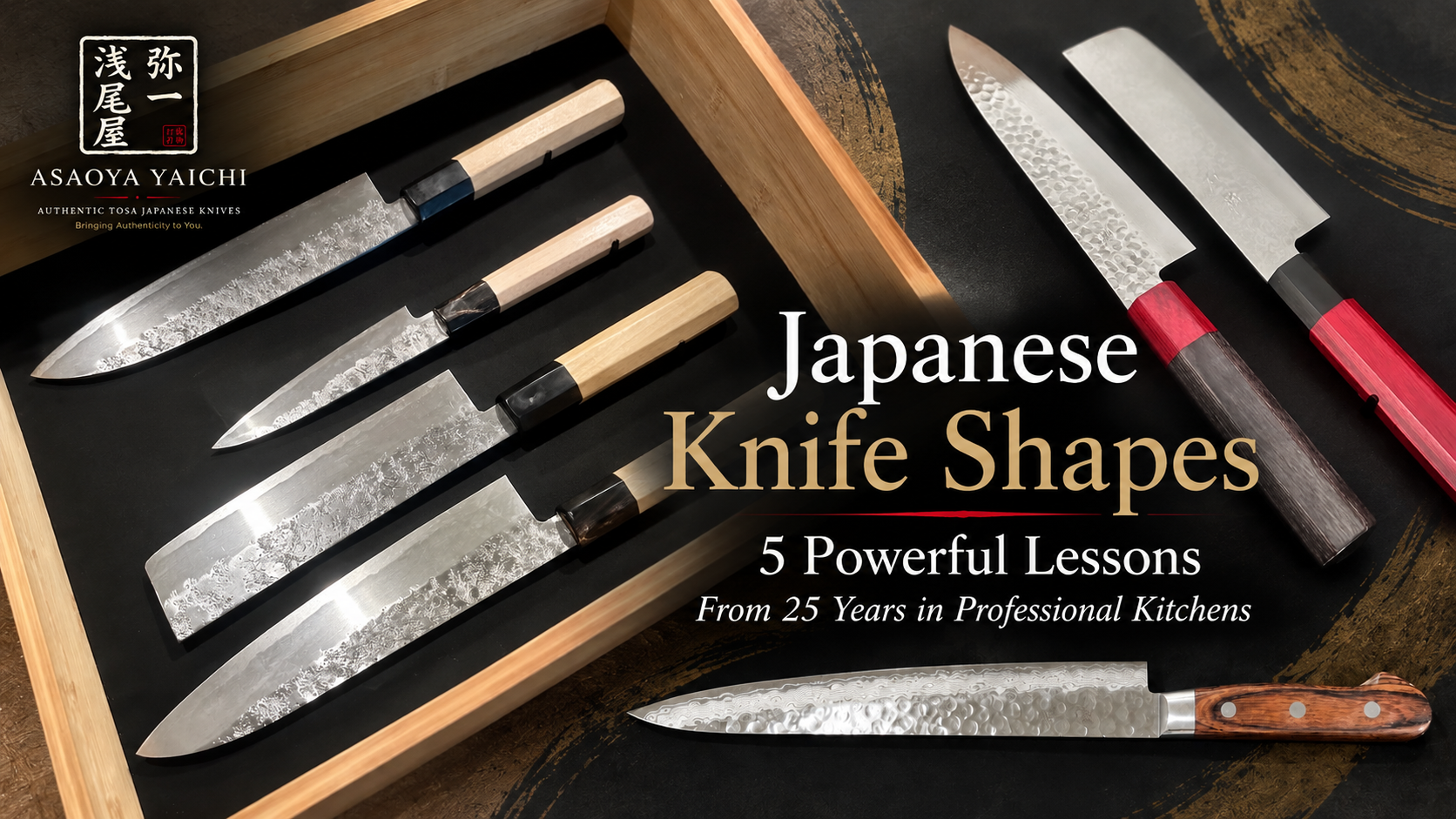

Japanese knife shapes can be confusing when you first start looking at Japanese knives. Gyuto, Santoku, Nakiri, Kiritsuke, Sujihiki — there are many different designs, and each one developed for a reason.
After more than 25 years working as a professional chef in Japan and Australia, however, I have learned that knowing every knife shape does not mean you need to own every one of them.
Some knives I have used constantly at work. Others, despite being extremely popular, I have rarely used professionally.
If you are looking for authentic Japanese knives in Australia, you can also see our current selection here:
👉 Visit our online store:
https://asaoyayaichi.com.au
Why Are There So Many Japanese Knife Shapes?

One of the fascinating things about Japanese knives is how specialised they can be. Japanese cooking developed around very different jobs: preparing fish, slicing sashimi, cutting vegetables, breaking down meat and performing delicate preparation.
Naturally, different Japanese knife shapes developed around those different tasks.
But I think there is an important distinction between understanding why a knife exists and believing that you personally need one.
My own knife choices have always depended on the kitchen I was working in and the job I needed to do.
For more background on how Japanese knife-making developed, see:
👉 INTERNAL LINK: Tosa Knife History — From Samurai-Era Craft to the Modern Kitchen
Japanese Knife Shapes I Have Rarely Used: Santoku and Nakiri
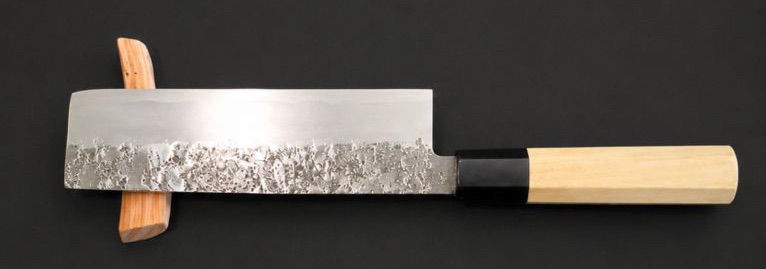
165mm Nakiri Ginsan Nashiji Forged Magnolia Octagonal Handle Buffalo Horn Ferrule
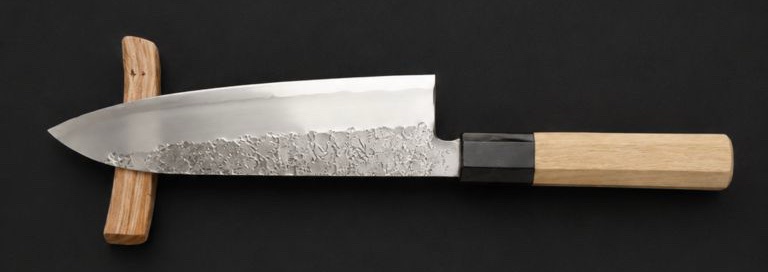
180mm Santoku Ginsan Nashiji Forged Magnolia Octagonal Handle Buffalo
Santoku is probably one of the best-known Japanese knife shapes, particularly for home cooks. Nakiri is also popular because its straight edge and rectangular profile make it very comfortable for vegetable preparation.
But professionally, I honestly have not used either of them very much.
That does not mean they are bad knives. In fact, for many home kitchens, their relatively compact size can make them extremely practical.
I recently compared these two styles in more detail here:
👉 INTERNAL LINK: Nakiri vs Santoku: 3 Essential Lessons from My Kitchen
My experience simply shows why I do not believe there is one universal answer when someone asks, “What is the best Japanese knife?”
Your kitchen matters.
Your ingredients matter.
And most importantly, the way you actually cook matters.
Why I Consider the Kiritsuke an Extremely Versatile Knife

The Kiritsuke is different.
Of the Japanese knife shapes I have used, I consider a Kiritsuke-style knife to be extremely versatile. The long cutting edge combined with its distinctive pointed tip allows me to perform many different jobs without constantly changing knives.
It can handle vegetables, meat preparation and detailed tip work, and I can even use it for certain fish preparation.
That versatility is why I previously wrote:
👉 INTERNAL LINK: 切付 | The Knife I Would Choose If I Could Own Only One
For someone who enjoys a longer blade and wants one knife capable of doing many jobs, the Kiritsuke makes a lot of sense to me.
Sujihiki at the Sushi Counter
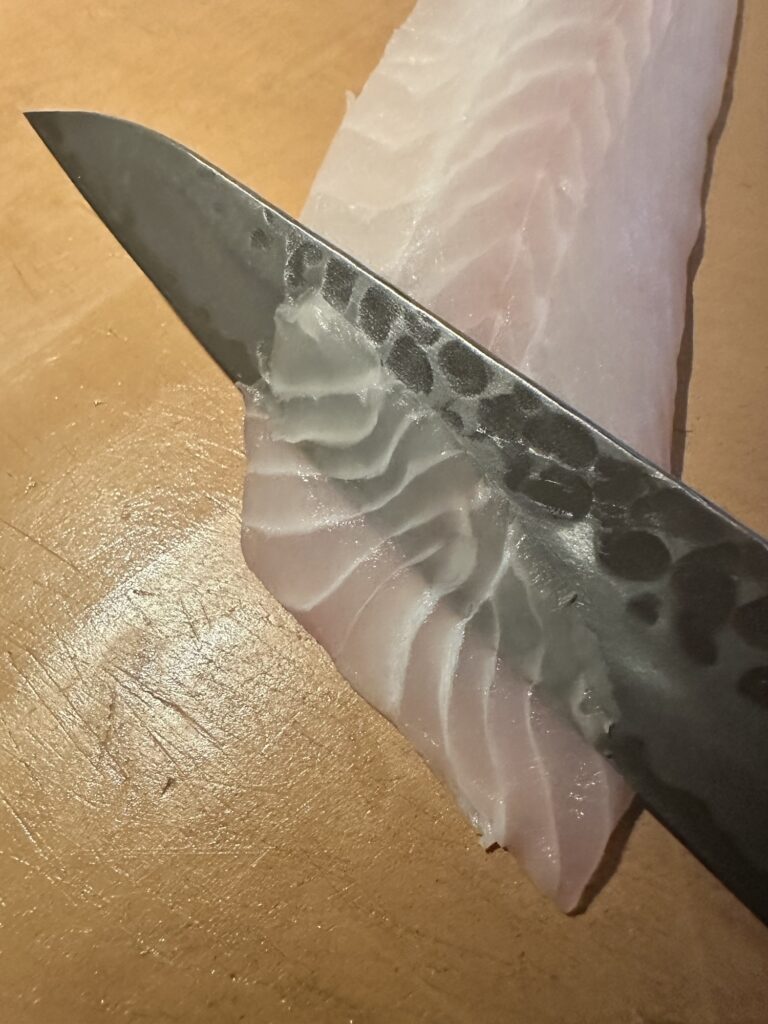
240mm Sujihiki VG10 Hammered 17 Layer Damascus Mahogany
My answer changes completely when I think about working behind a sushi counter.
There, the Sujihiki may be the knife I use most.
Its long, narrow blade works beautifully for slicing fish and making clean cuts with fewer unnecessary movements. After years of preparing fish professionally, I appreciate how useful that length can be.
My preference for different steels when preparing sashimi is also something I have discussed before:
👉 INTERNAL LINK: Sashimi & Sharpness
But would I recommend a Sujihiki as the first knife for every home cook?
Probably not.
Unless you regularly prepare larger pieces of meat or fish, that long specialised blade may spend much more time sitting in the knife rack than it would in a professional kitchen.
This is one reason choosing Japanese knives should be based on how you actually cook rather than simply buying the knife that looks most impressive.
Of All Japanese Knife Shapes, I Still Come Back to the Gyuto
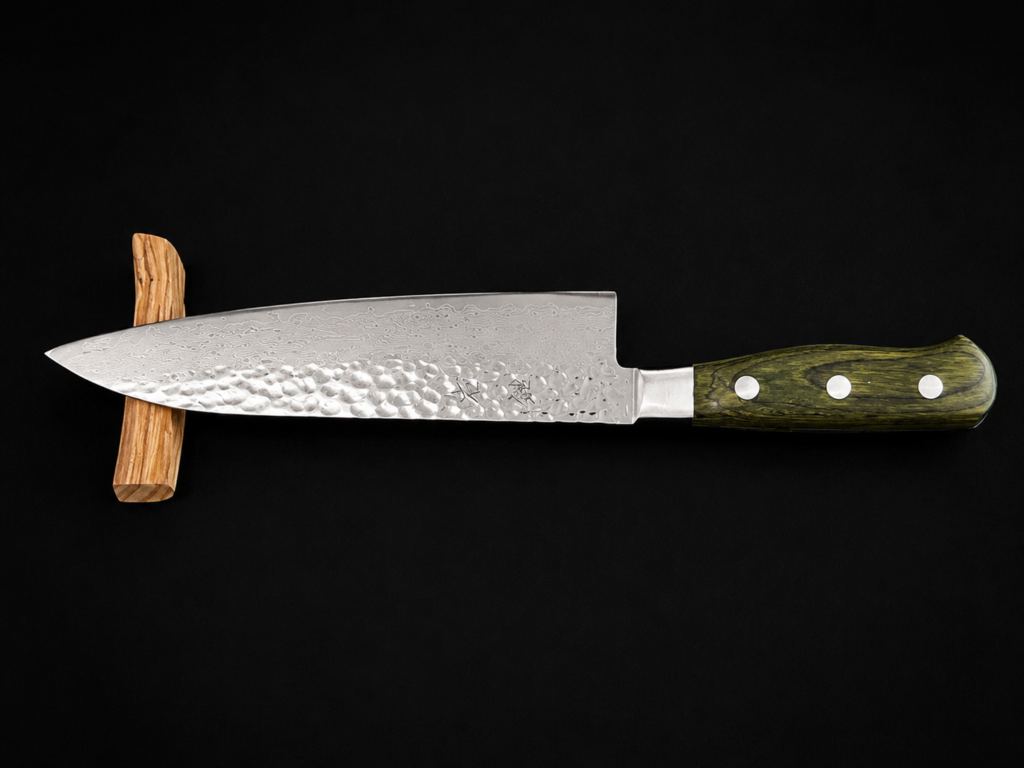
210mm Gyuto VG10 Polished Hammered 67 Layer Damascus Green Handle
After everything I have used over the years, somehow I keep coming back to the Gyuto.
For me, it is probably the easiest all-round knife to live and work with.
Meat, fish, vegetables and everyday preparation — a good Gyuto can comfortably handle an enormous range of jobs without feeling overly specialised.
This becomes especially important for people discovering Japanese Knives Australia for the first time. With so many steels, finishes, sizes and Japanese knife shapes available, it is easy to think that you need several knives immediately.
You probably do not.
Understanding the steel is just as important as understanding the shape:
👉 INTERNAL LINK: Japanese Knife Steel: 5 Powerful Lessons After 25 Years in Professional Kitchens
And if you are trying to decide where to begin, I have also written about the knives I would personally consider in Australia:
👉 INTERNAL LINK: Japanese Knives Australia: 5 Powerful Choices I Would Make After 25 Years as a Professional Chef
The Best Japanese Knife Shape Depends on You

Ginsan Nashiji Forged Magnolia Octagonal Handle Buffalo Horn
After 25 years in professional kitchens, I do not choose a knife simply because a particular style is popular.
I think about what I am actually going to cut.
Santoku and Nakiri are popular, but I have rarely needed them professionally. A Kiritsuke feels extremely versatile to me. At a sushi counter, I may reach for a Sujihiki more than anything else. But when I want one dependable knife that can handle almost everything, I still find myself coming back to the Gyuto.
That is perhaps the most important lesson behind all these Japanese knife shapes.
The variety exists because different knives were designed to do different jobs.
You do not need to own them all.
You need the knife that makes sense for the way you cook.
👉 Explore more:
https://blog.asaoyayaichi.com.au
👉 Visit our online store:
https://asaoyayaichi.com.au
Thank you for reading, and I hope to see you again in the next story.
—————————————————
Where to See and Buy Our Knives
Our Partner Stores
Chanoyu — Nerang, Gold Coast
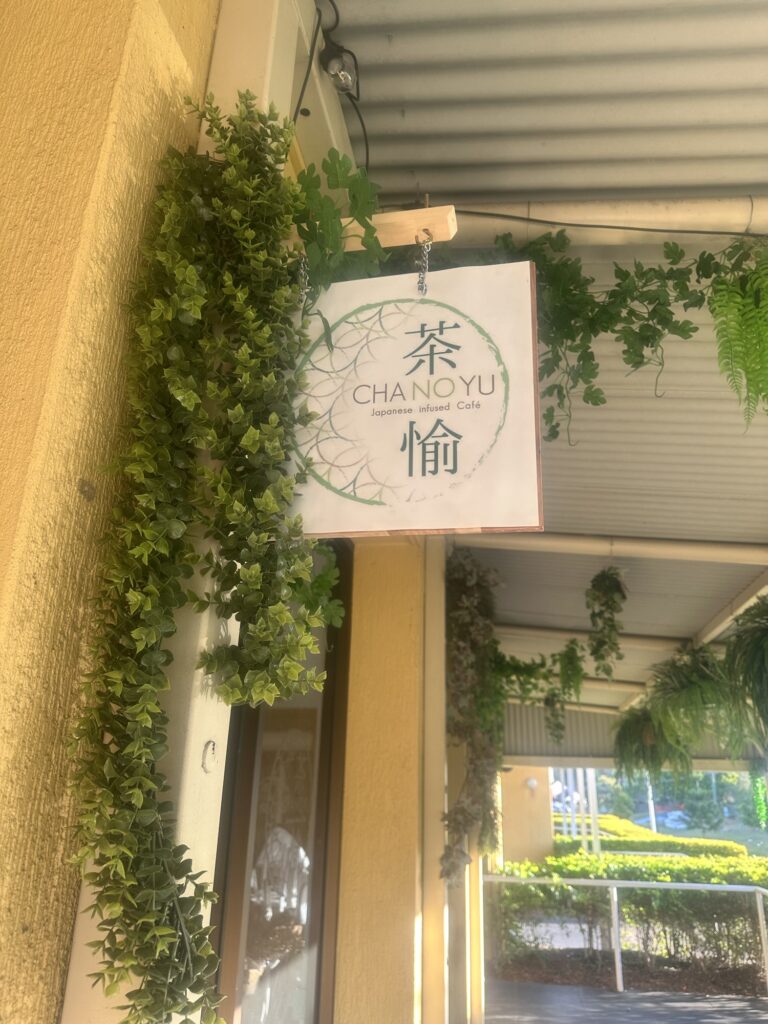
Visit Chanoyu and See Our Japanese Knives
If you are on the Gold Coast, we would love you to visit Chanoyu, a Japanese café in Nerang where you can see and purchase a selection of Asaoya Yaichi knives in person.
Chanoyu is a lovely place to slow down and enjoy Japanese-inspired food, excellent matcha, coffee and handmade desserts. Its warm, peaceful atmosphere makes it a pleasure to visit, whether you are stopping in for breakfast, lunch or something sweet. We are delighted that our knives have a place there.

Visit Chanoyu: Shop 6A, 54–58 Nerang Street, Nerang QLD 4211
Opening hours: Monday to Saturday, 7:00 am–2:00 pm; closed Sunday
Website: https://www.chanoyucafe.com/
Instagram: https://www.instagram.com/chanoyugc/
The selection of knives on display may change. If you are interested in a particular Asaoya Yaichi knife, please contact us through https://asaoyayaichi.com.au before visiting, and we will help you check whether it is available at Chanoyu.