When you work with something every day, sometimes you forget to ask where it actually came from.
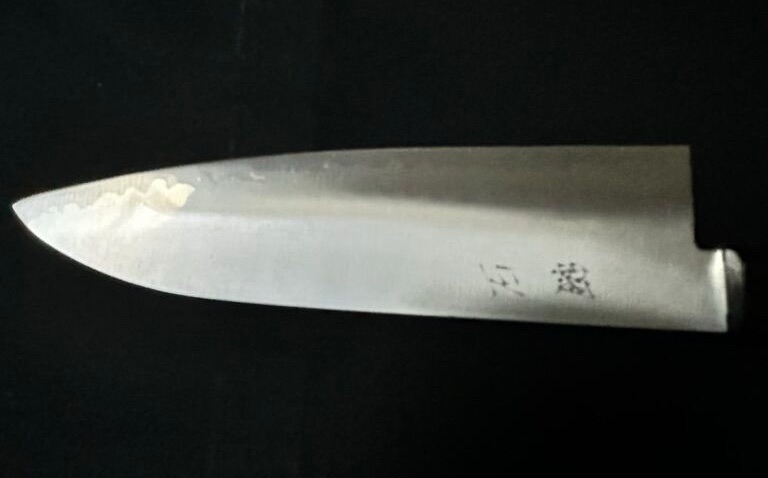
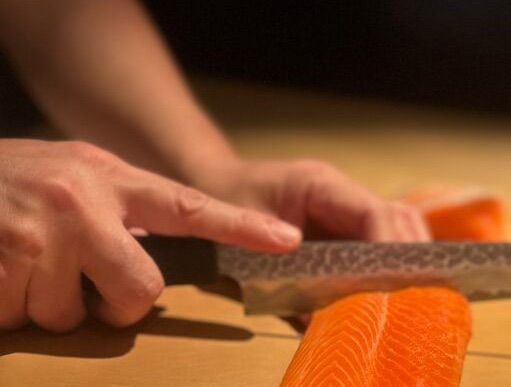
I sell Tosa knives in Australia, sourcing handcrafted Japanese knives directly from Shikoku, Japan. I have also spent more than 25 years working as a chef in Japan and Australia. I know how these knives feel in the hand, how they sharpen, and how they perform in a professional kitchen.
But recently, I realised there was something I wanted to understand better.
How did Tosa knives actually begin?
I knew that Tosa had a long history of blacksmithing, but I wanted to look deeper into why this particular part of Japan became known for forged blades. What I found made me appreciate the history behind these knives even more.
The History of Tosa Knives Goes Back Centuries
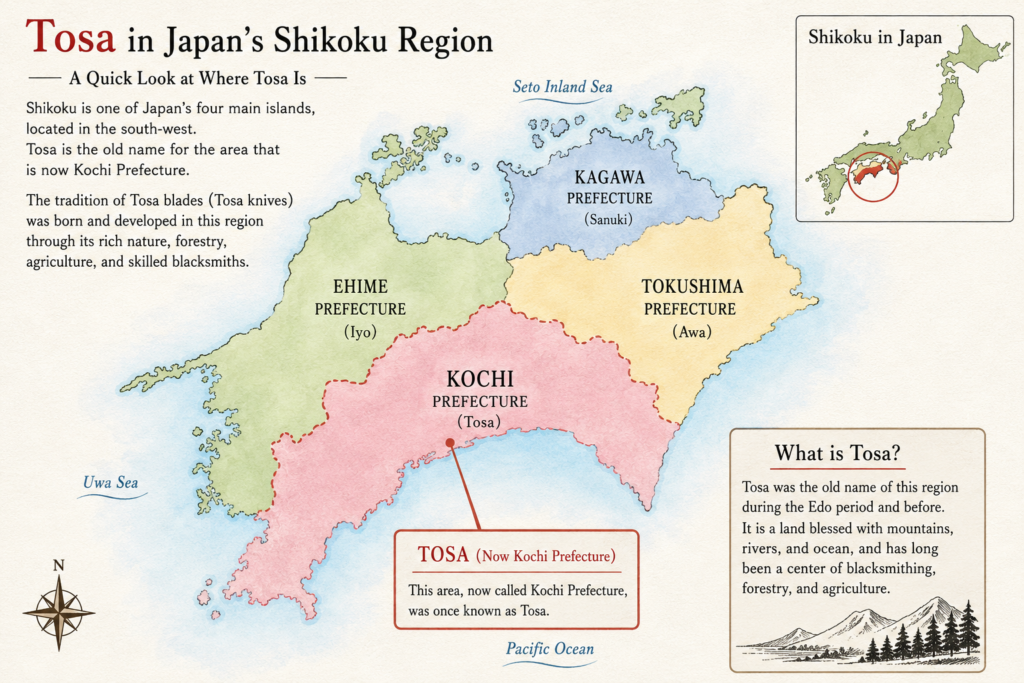
The story of Tosa knives is closely connected to the geography and working life of Kochi Prefecture, historically known as Tosa Province.
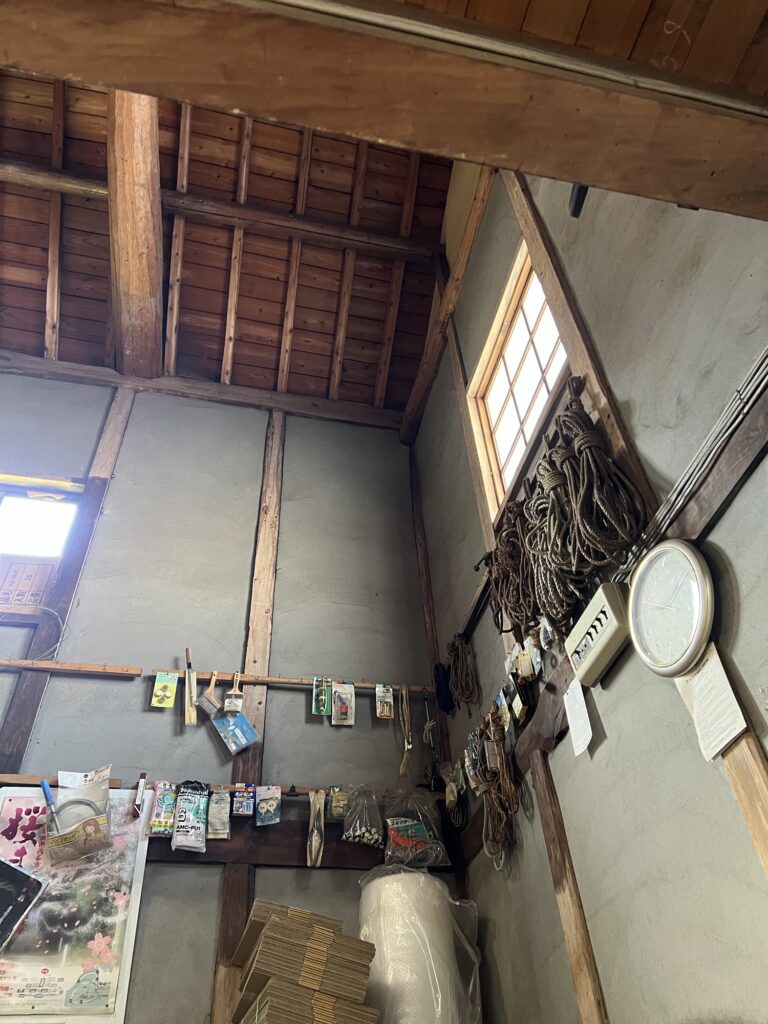
Kochi is a mountainous region with extensive forests. For generations, forestry was an important part of life there, and people needed strong, dependable tools for cutting trees, clearing land and working in the mountains.
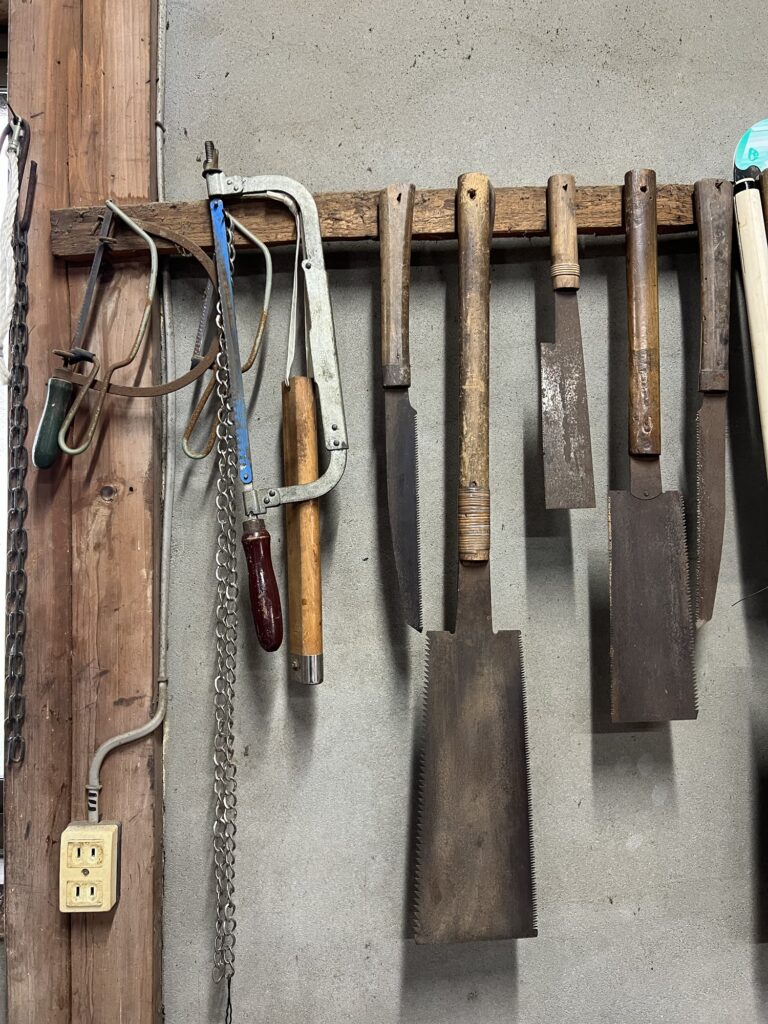
That naturally created demand for forged tools such as axes, hatchets, sickles and saws.
The history, however, goes back even further.
Sword-making techniques are said to have reached Tosa during the Kamakura period. By 1590, the Chōsokabe Land Survey Records documented 399 blacksmiths in Tosa Province.
That number surprised me.
It shows that blacksmithing was already deeply established in the region more than 400 years ago.
How Tosa Knives Grew With Forestry and Agriculture
From Agricultural Tools to Tosa Knives
The major development of Tosa forged blades came during the early Edo period.
In 1621, reforms by the Tosa Domain encouraged the development of forestry and new agricultural land. As forestry and farming expanded, so did the need for reliable cutting tools.
Blacksmiths responded to that demand.
Over time, production increased and techniques improved. What began as tools essential for daily work gradually developed into what we now recognise as the tradition of Tosa Uchihamono, or Tosa forged blades.
This is one thing I find particularly interesting about Tosa.
The tradition was not created simply to make beautiful objects.
These were working tools.
They had to cut. They had to survive hard use. And they had to be practical enough for people who depended on them for their livelihood.
👉 INTERNAL LINK: Read more about why handmade Japanese knives are never exactly the same
Tosa Knives and the Tradition of Free Forging
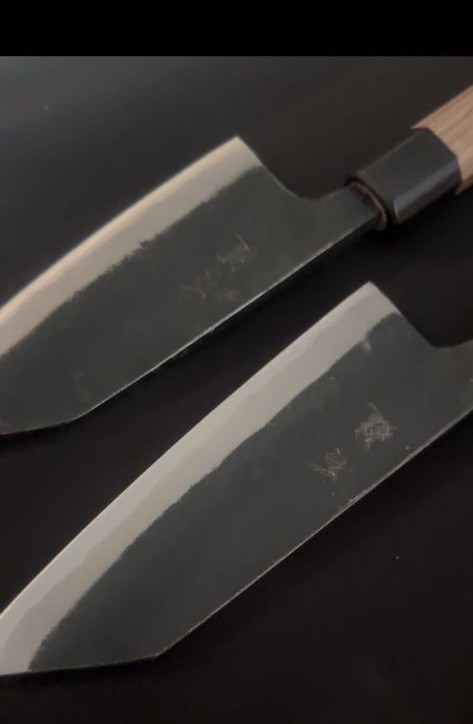
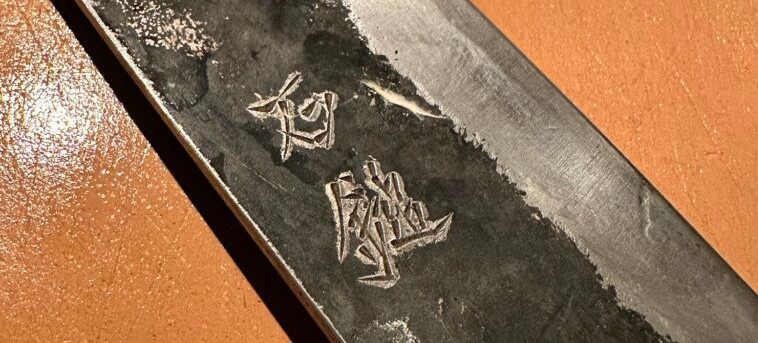
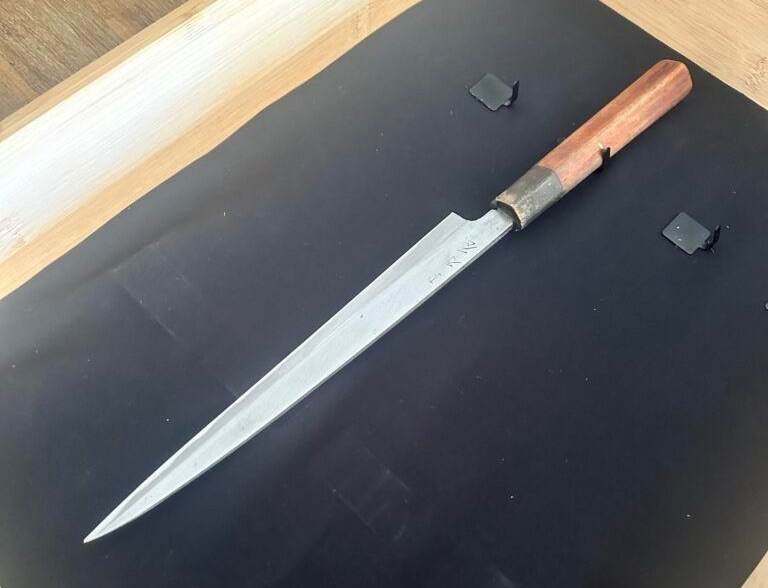
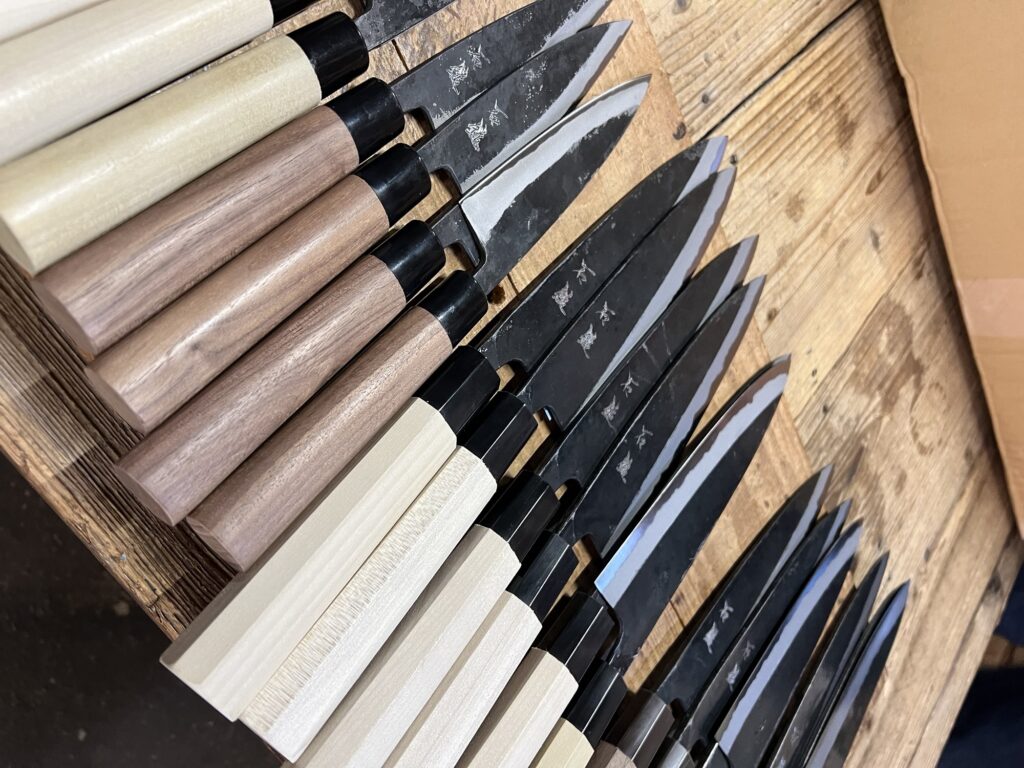
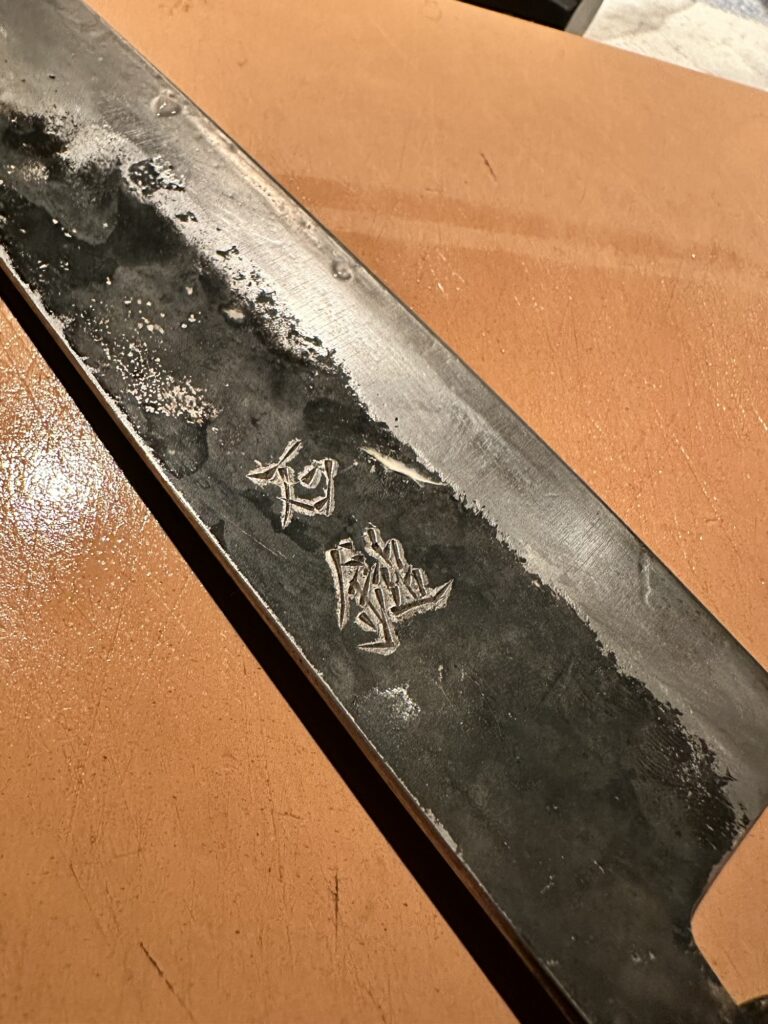
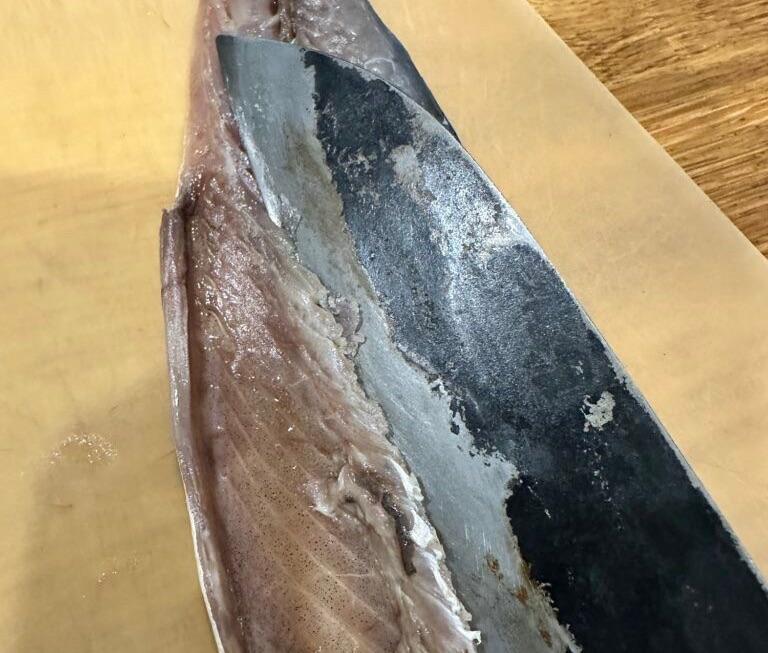
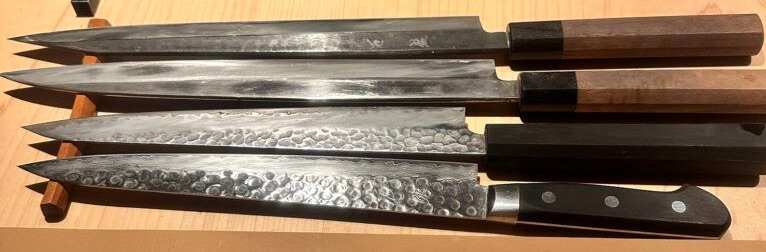
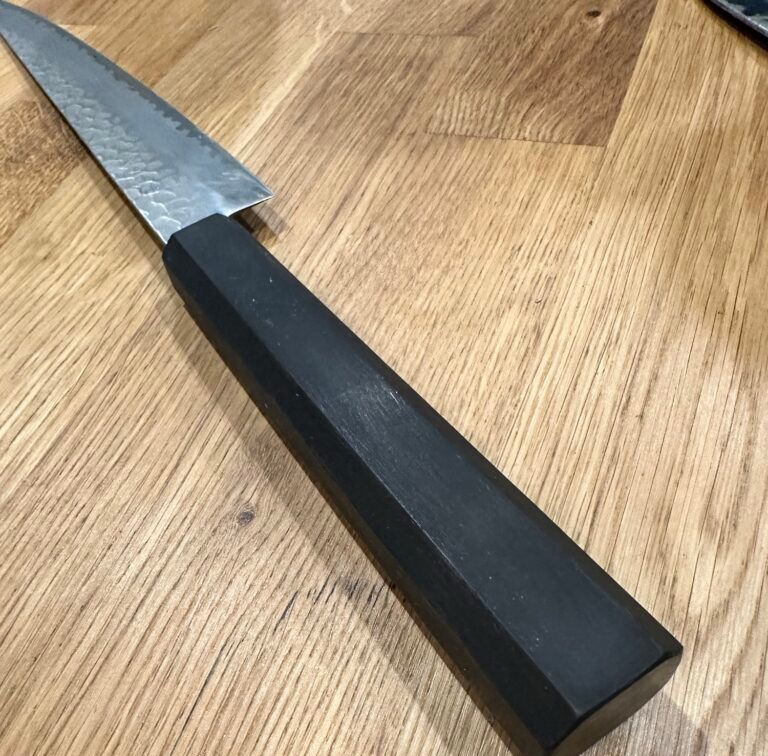
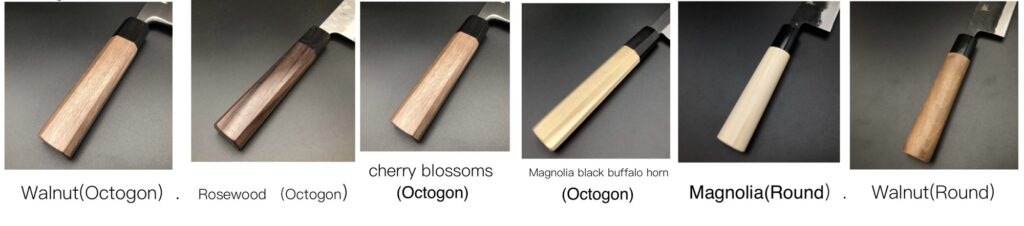
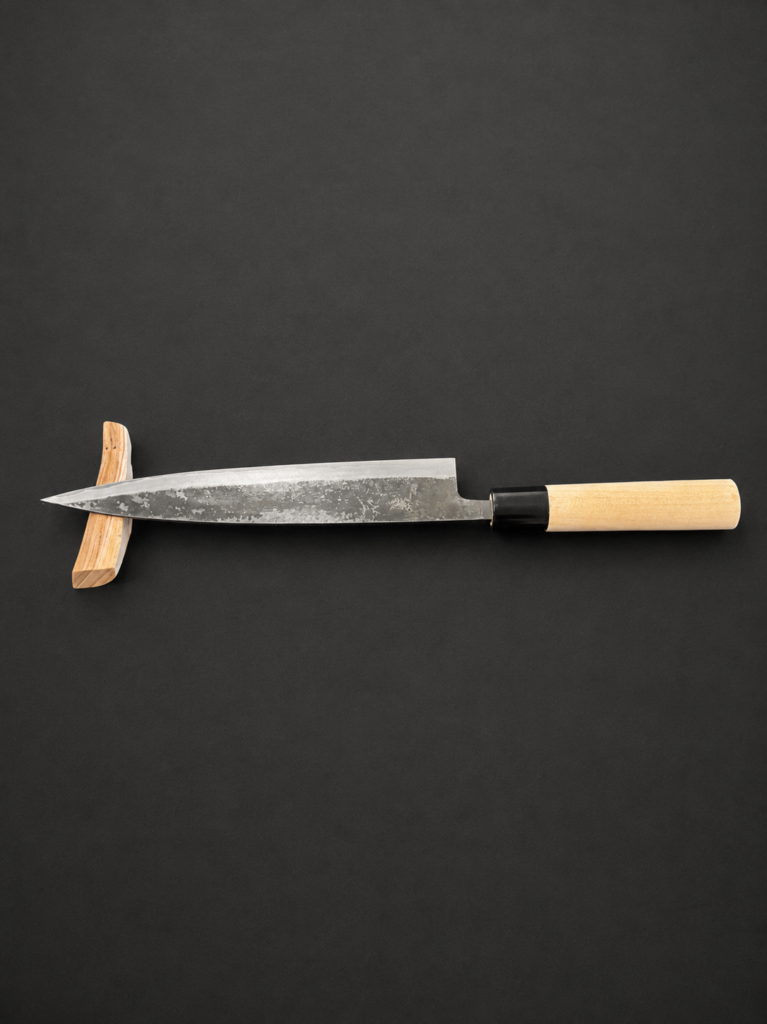
Kiritsuke Aogami #2 Kurouchi Walnut Octagonal Handle
Another characteristic that caught my attention while researching Tosa knives was something known as jiyū tanzō, or “free forging.”
Rather than relying entirely on fixed moulds, Tosa blacksmiths traditionally forged different shapes and sizes according to their intended purpose.
That flexibility made sense in a region where people needed many different kinds of blades for forestry, agriculture and everyday life.
Even today, you can see something of that character in handcrafted Japanese knives.
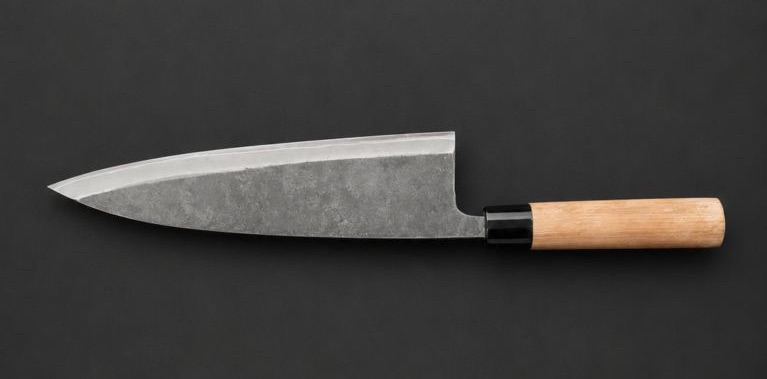
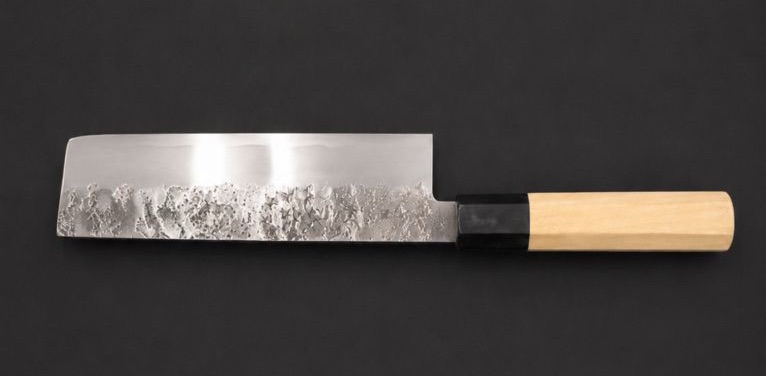
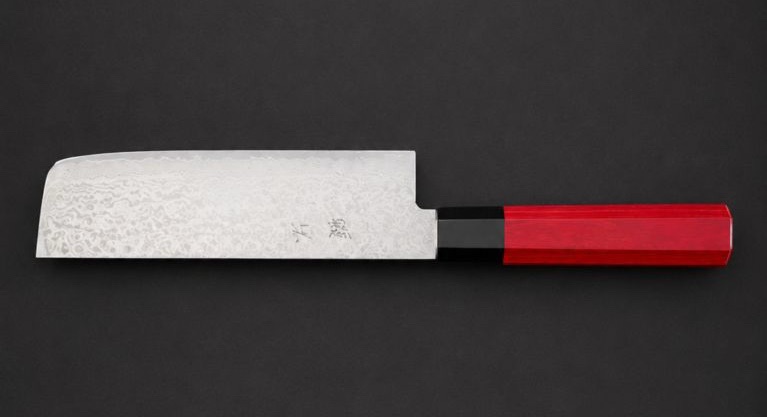
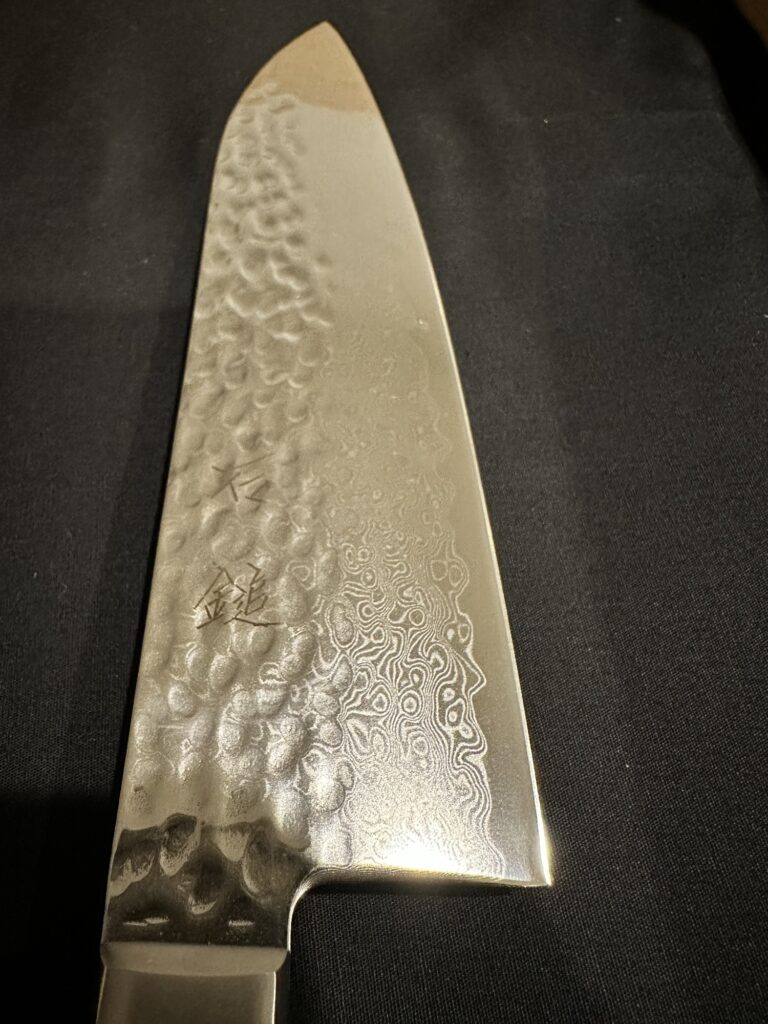
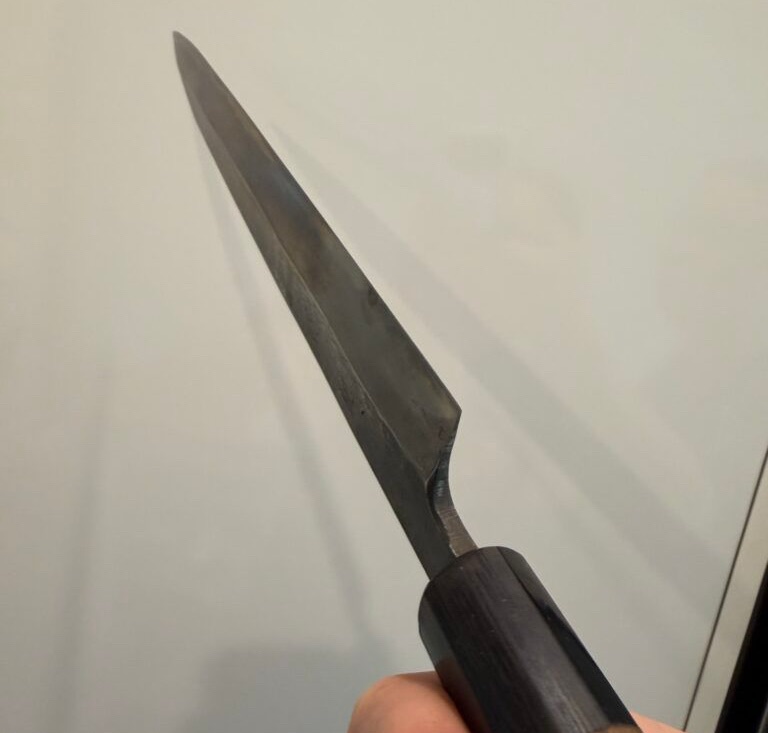
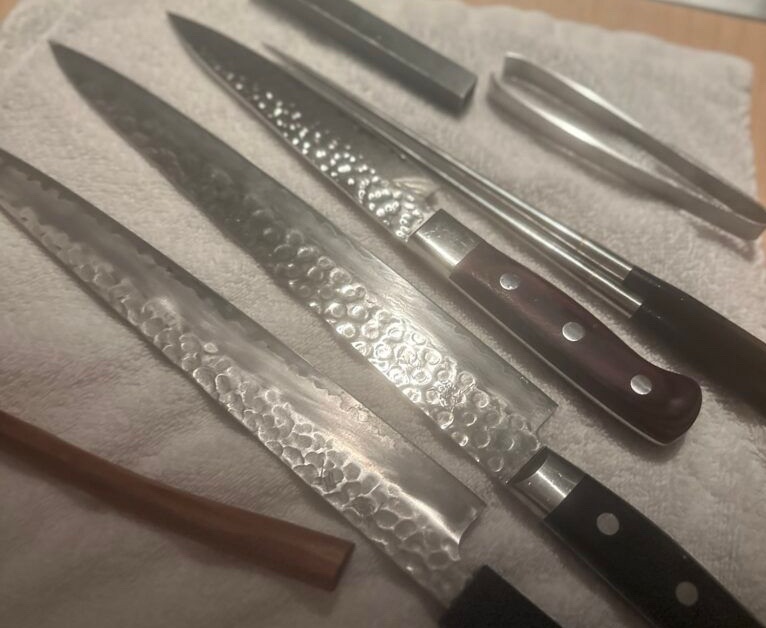
Small differences in hammer marks, blade shape and finish are not necessarily imperfections. To me, they are reminders that a knife was made by human hands rather than simply coming from an automated production line.
👉 INTERNAL LINK: Read more about Japanese knife finishes and what they really mean
👉 INTERNAL LINK: Read more about Kurouchi Japanese knives and the traditional black finish
From Traditional Tosa Blades to Modern Kitchen Knives
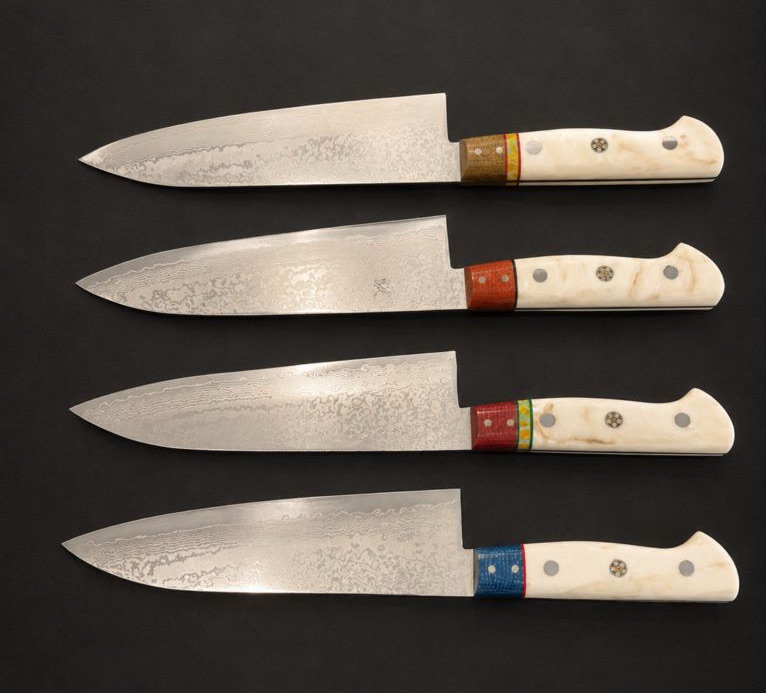
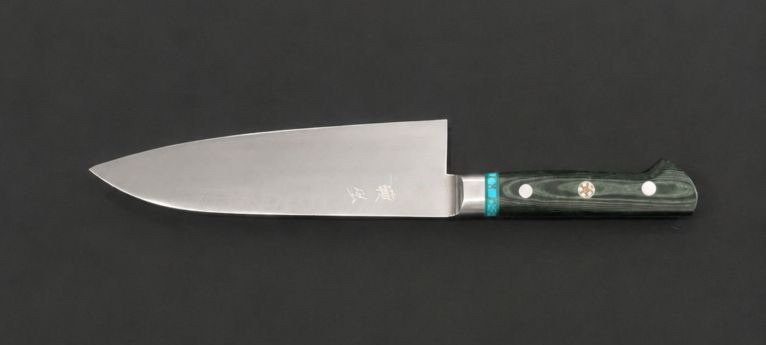
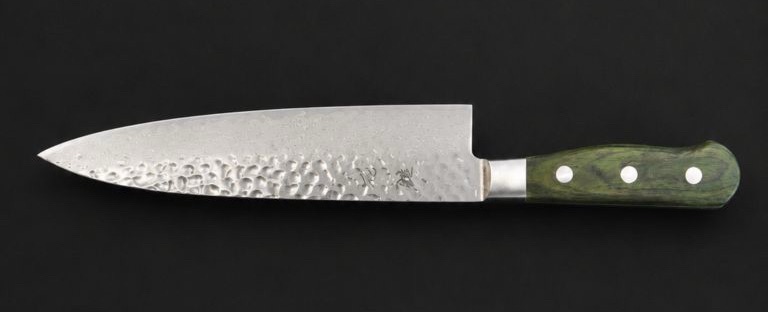
180mm Santoku VG10N 33 Layer Damascus Green Marble Handle Rainbow Spacer
Today, Tosa knives are known far beyond Kochi.
In 1998, Tosa Uchihamono was officially designated as a Traditional Craft of Japan. The tradition includes not only kitchen knives but also axes, sickles, hatchets, saws and other working blades.
Modern Japanese kitchen knives have naturally evolved as well.
Today we can find traditional carbon steels such as Aogami alongside stainless steels and modern powder metallurgy steels. Handles, finishes and blade styles have changed to suit contemporary cooks, but the connection between Japanese knife making and traditional forging remains.
👉 INTERNAL LINK: Learn more about Aogami and Shirogami steels
👉 INTERNAL LINK: Read my guide to Ginsan steel and why I like it for kitchen knives
For me, that combination is what makes the history of Tosa so interesting.
It is not simply a tradition frozen in the past.
It has continued to evolve.
Why the History of Tosa Knives Matters to Me
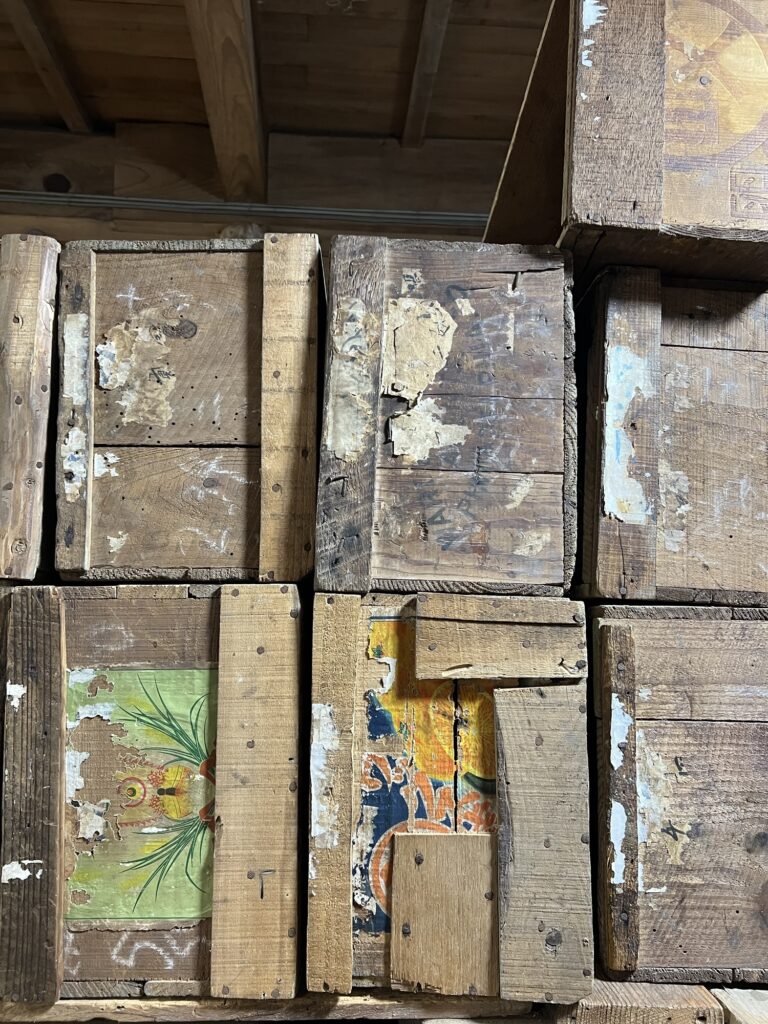
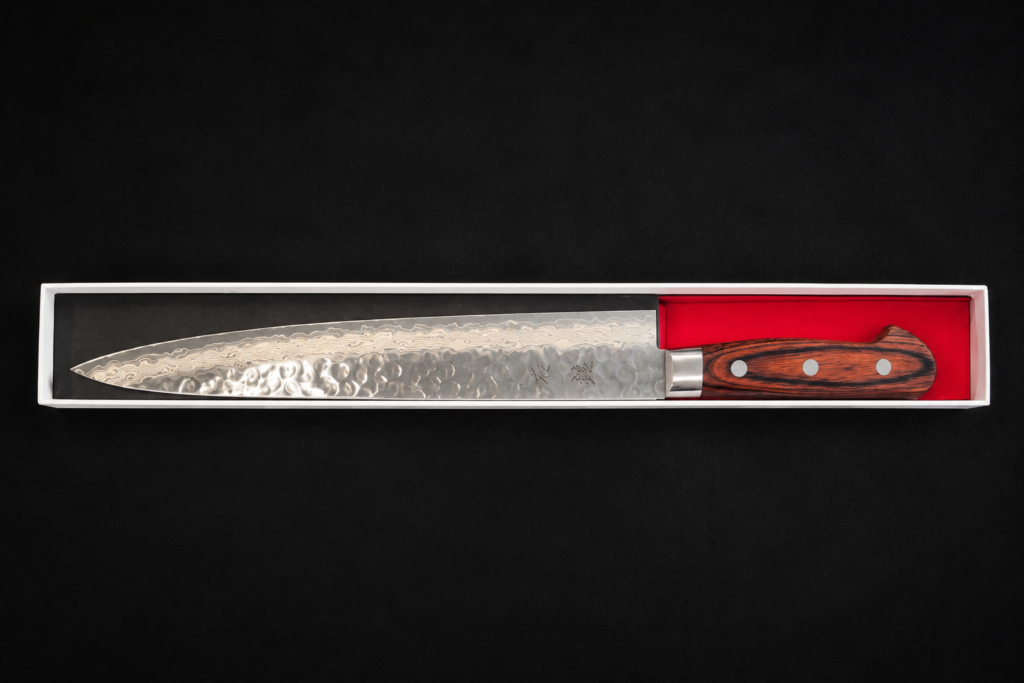
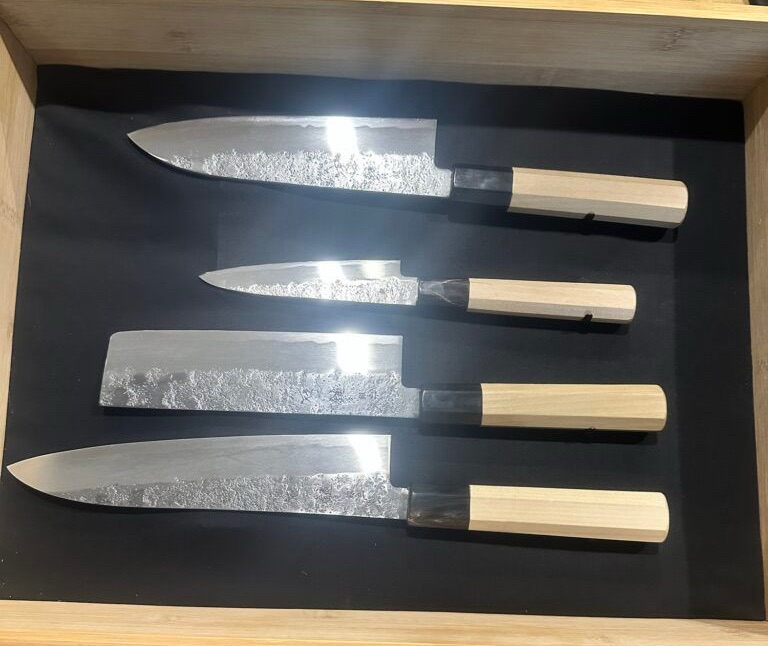
Wooden Box for Traditional Knives
After looking into this history, I see the knives I work with a little differently.
I started Asaoya Yaichi because I wanted to bring genuine handcrafted Japanese knives from Shikoku to Australia. As a chef, my first concern will always be practical: does the knife actually work well in a kitchen?
But there is another side to it.
Learning about Tosa knives reminded me that Japanese blades did not develop only as kitchen tools. Their history is connected to forestry, agriculture, sword-making knowledge and generations of blacksmiths adapting their skills to what people actually needed.
That history does not automatically make every knife perfect.
But I think understanding where these traditions came from gives us a better appreciation of why Japanese forged knives are the way they are today.
Perhaps that is what I like most about the history of Tosa.
These blades were never meant to exist only behind glass.
They were made to be used.
And more than 400 years later, that practical spirit can still be found in the Japanese forging traditions that continue across Shikoku today.
👉 Explore more:
https://blog.asaoyayaichi.com.au
👉 Visit our online store:
https://asaoyayaichi.com.au
Thank you for reading, and I hope to see you again in the next story.