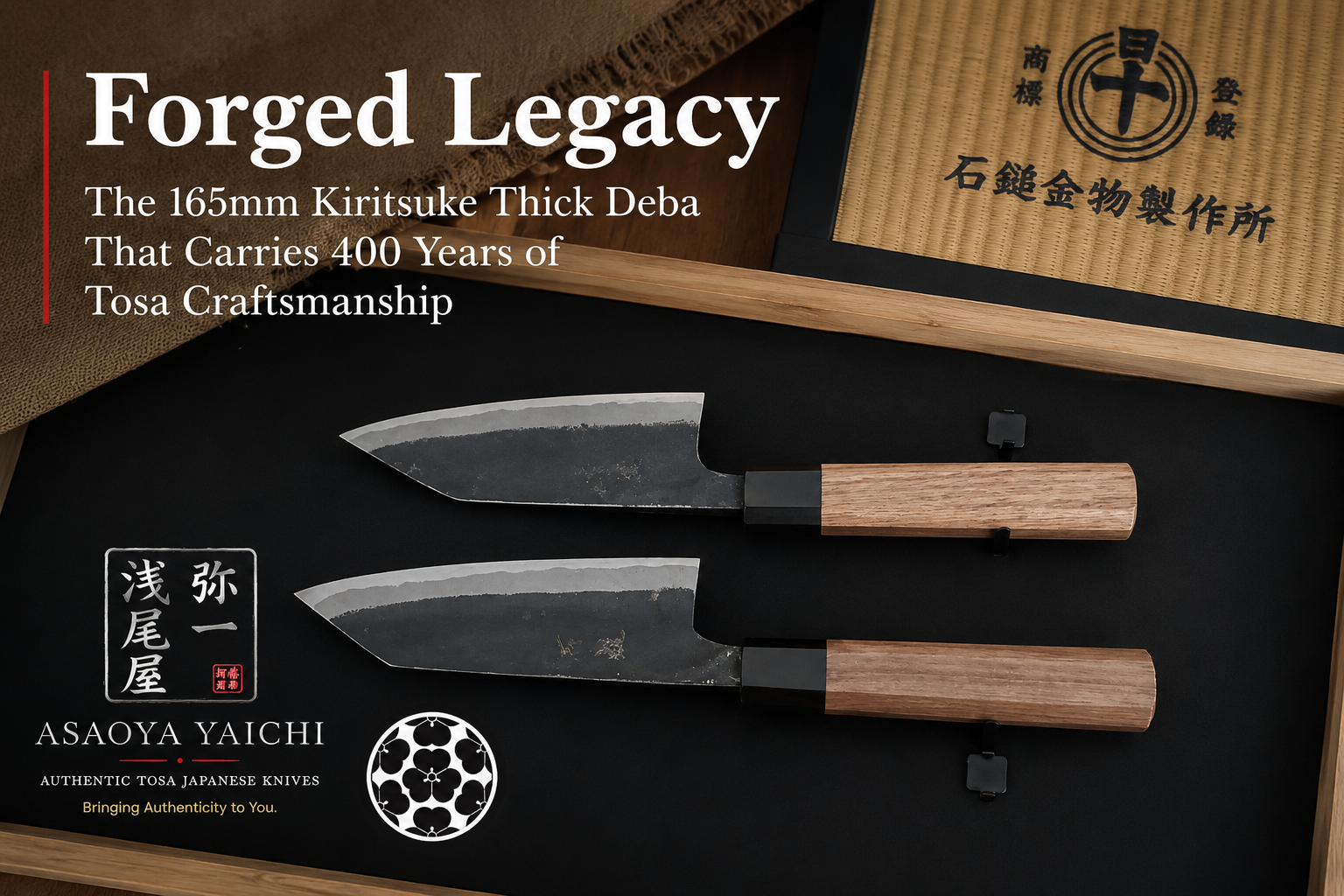
Some knives are designed to impress.
Others are designed to work.
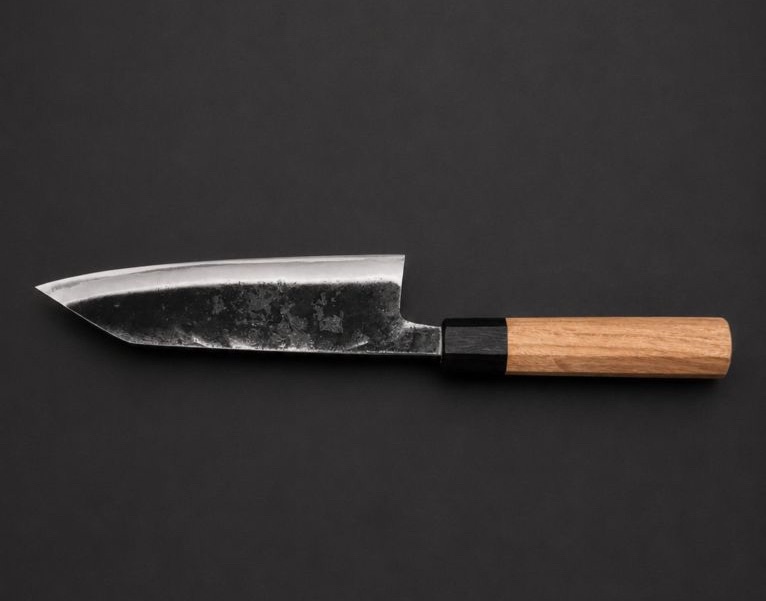
165mm Kiritsuke Thick Deba Aogami #2 Kurouchi Walnut Octagonal Handle
A$480.00
The 165mm Kiritsuke Thick Deba Aogami #2 Kurouchi Walnut Octagonal Handle belongs firmly in the second category.
At first glance, its black Kurouchi finish may seem simple compared to polished Damascus blades. But beneath that traditional appearance lies one of the finest examples of Tosa craftsmanship, a style of knife making that has been refined for more than 400 years.
This isn’t a knife created to follow trends.
It’s a knife created to continue a legacy.
What Makes a Tosa Thick Deba Different?
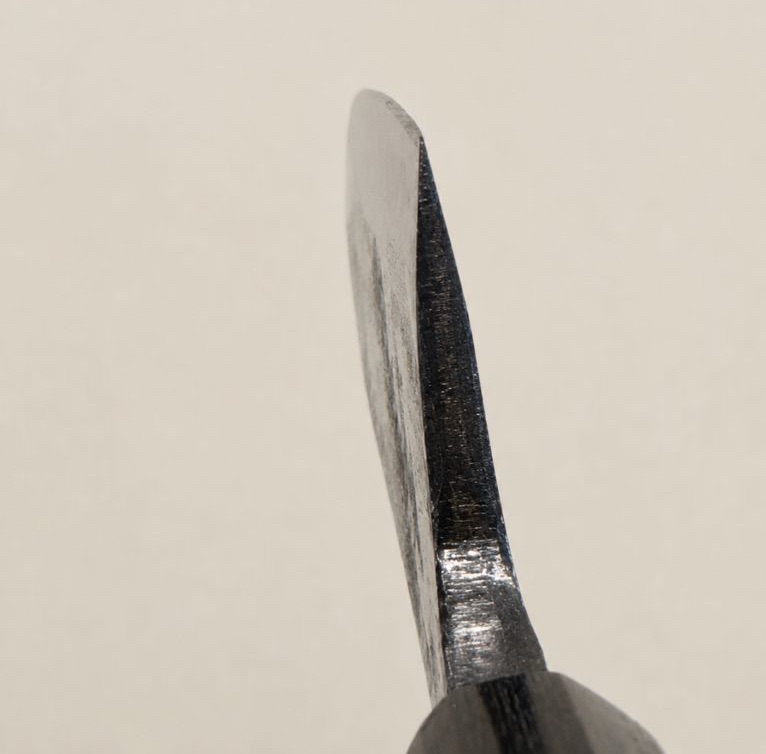
When many people hear the word Deba, they imagine a heavy, single-bevel knife used only by professional Japanese chefs.
A Kiritsuke Thick Deba from Tosa is different.
This knife combines the strength of a traditional thick deba with the practicality of a double-bevel edge, making it far easier for both professional chefs and passionate home cooks to use.
Whether you’re breaking down a whole fish, trimming large cuts of meat, or tackling tougher ingredients, the extra blade thickness provides confidence and durability that lighter knives simply cannot match.
For Australian cooks who enjoy preparing salmon, kingfish, tuna, snapper, grouper, or other large reef fish, this style of knife offers versatility that surprises many people.
Choosing the Right Size
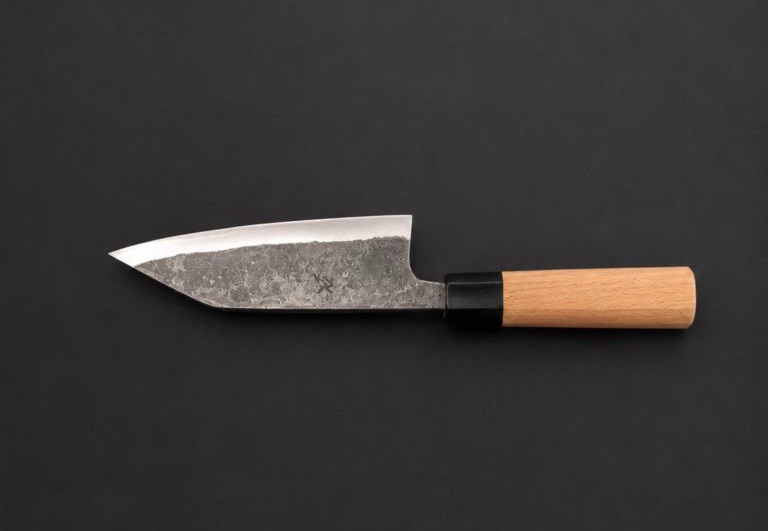
150mm Kiritsuke Thick Deba Aogami #2 Kurouchi Walnut Octagonal Handle
A$450.00
The 165mm Kiritsuke Thick Deba is the size I recommend for most people.
It offers plenty of power for breaking down larger fish such as salmon and kingfish, while still being comfortable enough for everyday use.
For those who regularly prepare slightly smaller fish, there’s also a 150mm Kiritsuke Thick Deba Aogami #2 Kurouchi with a Walnut Octagonal Handle available.
The shorter blade feels a little more agile when working with fish like snapper, grouper, and other medium-sized species where a more compact knife offers greater control.
To be honest, I don’t think most people need to own both sizes.
For the vast majority of cooks, the 165mm is the more versatile option.
The 150mm simply provides another excellent choice if you mainly prepare smaller fish and prefer a slightly more compact knife.
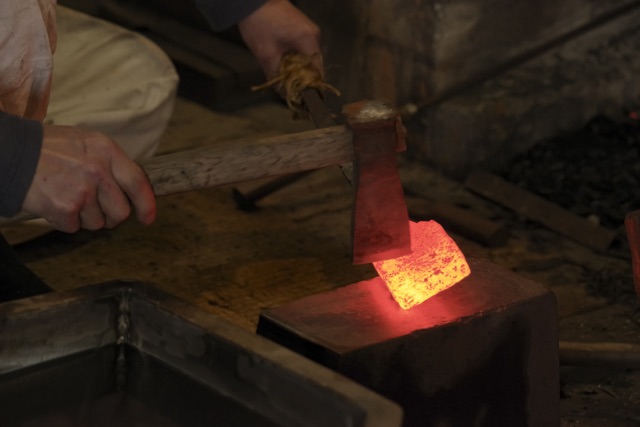
Forged from Aogami #2 Steel
Carbon Steel vs Stainless Steel
One of the greatest strengths of this knife is its Aogami #2 (Blue Steel #2) core.
Among Japanese knife enthusiasts, Aogami #2 is respected for offering an outstanding balance of:
- Exceptional sharpness
- Excellent edge retention
- Outstanding toughness
- Easier sharpening than many modern powder steels
Unlike stainless steel, Aogami #2 develops character over time.
As you sharpen it, maintain it, and continue using it, the blade gradually tells the story of its owner.
That relationship between knife and user is something many handcrafted Japanese knives share—but Tosa blacksmiths have preserved it for generations.
The Beauty of Kurouchi
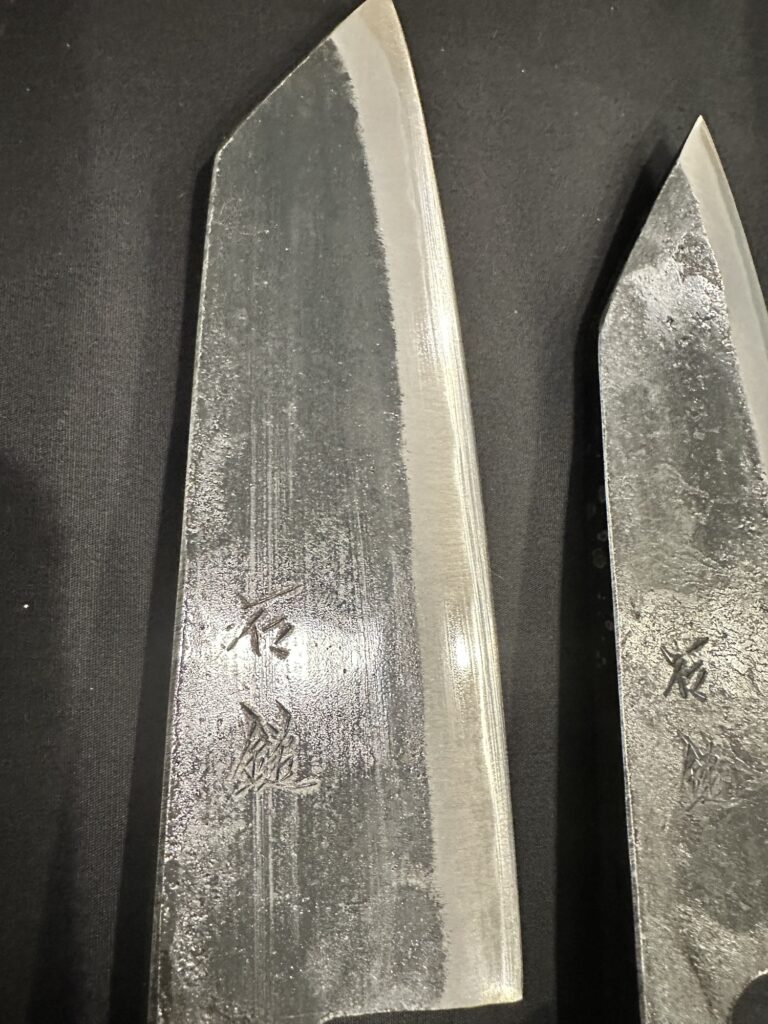
Many people first notice the black finish.
Some even wonder why it isn’t polished.
The answer lies in tradition.
The Kurouchi finish is created by leaving part of the protective scale formed during forging on the blade. Rather than polishing everything away, Tosa blacksmiths preserve part of the knife’s history.
The result is a knife that feels honest.
Nothing unnecessary.
Nothing decorative for decoration’s sake.
Just practical craftsmanship built for daily work.
Over time, the Kurouchi finish develops its own character, making every knife unique to its owner.
A Walnut Octagonal Handle Built for Control
Why the Handle Matters More Than You Think
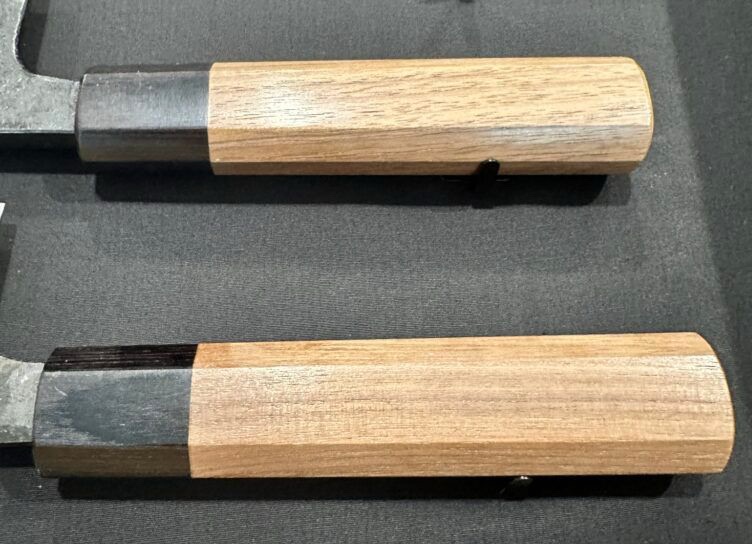
The walnut octagonal handle perfectly complements the blade.
Walnut provides a warm, natural feel in the hand while remaining durable enough for everyday kitchen use.
The octagonal shape allows comfortable control from multiple grip positions, whether you’re filleting fish, portioning meat, or performing detailed knife work.
Combined with the balance of the thick deba blade, the knife feels remarkably secure despite its strength.
Like the blade itself, the handle isn’t designed to attract attention—it is designed to feel natural after hours of use.
More Than 400 Years of Tosa Craftsmanship

Knife making in Tosa traces its roots back more than four centuries to the era of the Chōsokabe Clan
Originally producing tools for forestry, farming, and daily life, Tosa’s blacksmiths built a reputation for practical, dependable blades that could withstand demanding work.
That philosophy remains unchanged today.
This knife isn’t trying to be flashy.
It’s trying to perform.
Every hammer strike, every grind, and every final sharpening reflects a tradition passed down through generations of craftsmen who value function above fashion.
When you hold this knife, you’re holding far more than steel.
You’re holding over 400 years of Tosa craftsmanship.
Why This Knife Represents the Spirit of Tosa
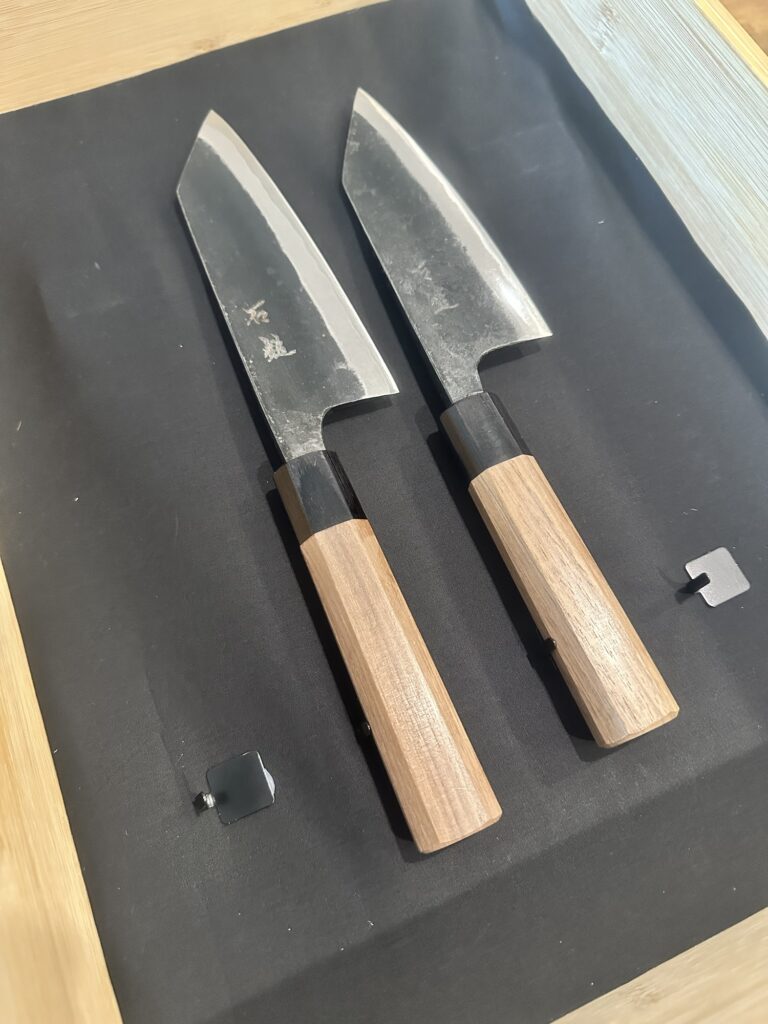
If someone asked me to choose a single knife that represents traditional Tosa craftsmanship, this would be one of the first I’d recommend.
Its Kurouchi finish, durable Aogami #2 steel, practical double-bevel design, and handcrafted walnut octagonal handle embody everything I admire about Tosa knives.
After more than 25 years working as a chef, I’ve learned that the best knives aren’t always the most decorative.
They’re the ones you instinctively reach for every day because you trust them.
That’s exactly how I feel about this Kiritsuke Thick Deba.
It was built to work.
It was built to last.
And above all, it was built to carry forward a legacy that has endured for more than four centuries.
Discover Authentic Tosa Knives
At Asaoya Yaichi , our goal is to introduce authentic handcrafted Tosa knives to Australia while supporting the skilled craftsmen who continue this remarkable tradition.
Every knife is carefully selected because I genuinely believe in its quality—not because it follows a trend, but because it represents the craftsmanship, reliability, and history that have defined Tosa knife making for generations.
If you’re looking for a knife with genuine history, outstanding performance, and timeless craftsmanship, I invite you to explore our collection of handcrafted Tosa knives.