I have worked with Japanese knives for more than 25 years, but recently I found myself thinking about a surprisingly simple question.
What does “hand-forged” actually mean?
Of course, I knew the word “forged.” I had seen FORGED written on golf clubs many times. But when we talk about hand-forged Japanese knives, I realised that I had never really stopped to think about exactly what the term meant.
Does hand-forged mean that a craftsman makes the entire knife using only fire, an anvil and a hand-held hammer?
When I started looking more closely at traditional Japanese knife making, particularly the tradition of Tosa cutlery, I discovered that the answer was more interesting than I expected.
👉 INTERNAL LINK: Tosa Knife History — From Samurai-Era Craft to the Modern Kitchen
What Does Forged Mean for Hand-Forged Japanese Knives?
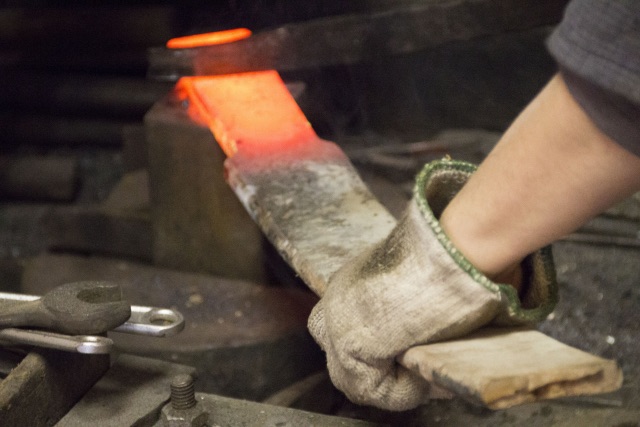
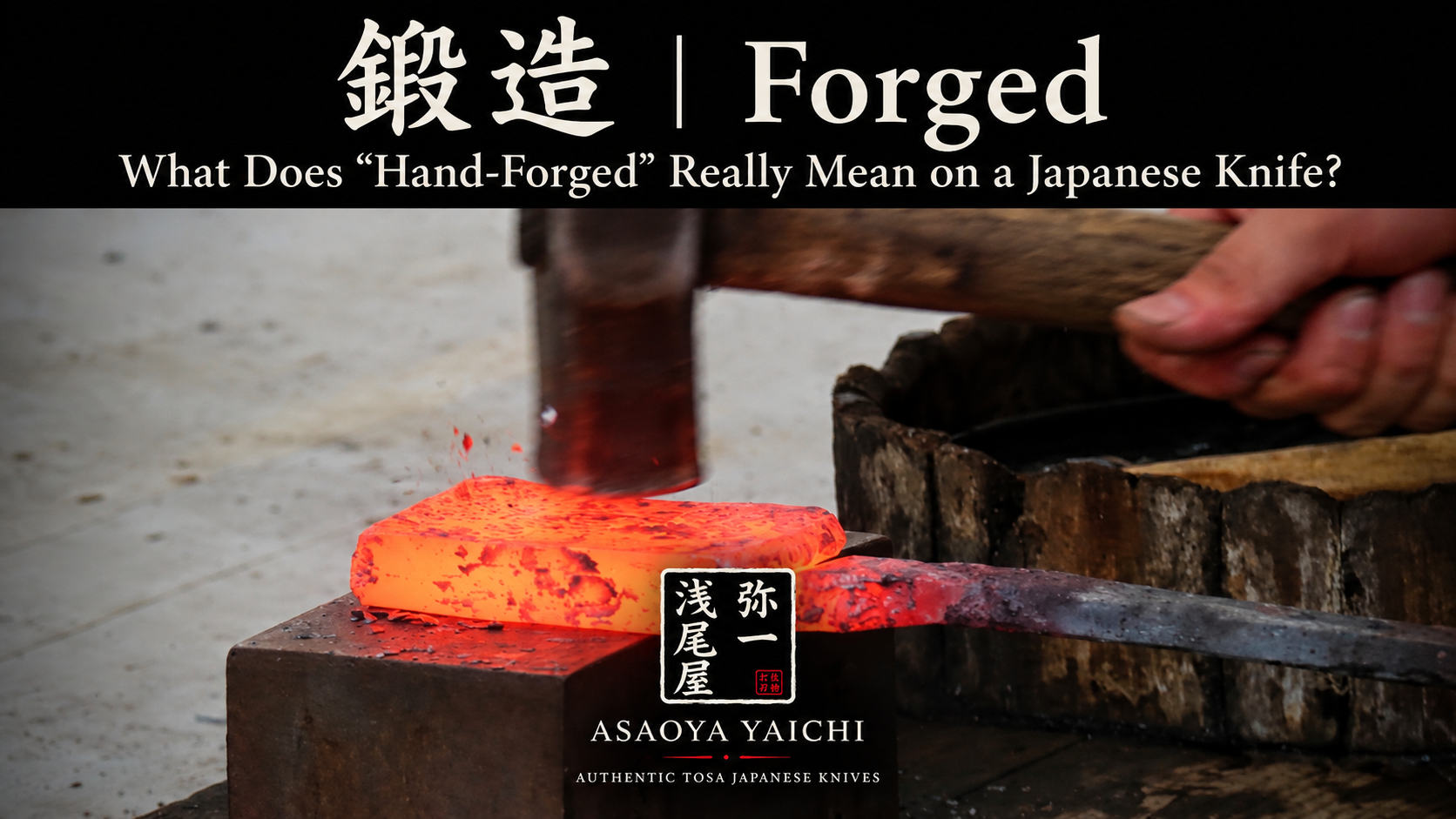
Forging, or 鍛造 (tanzo) in Japanese, is essentially the process of shaping metal by applying force to it.
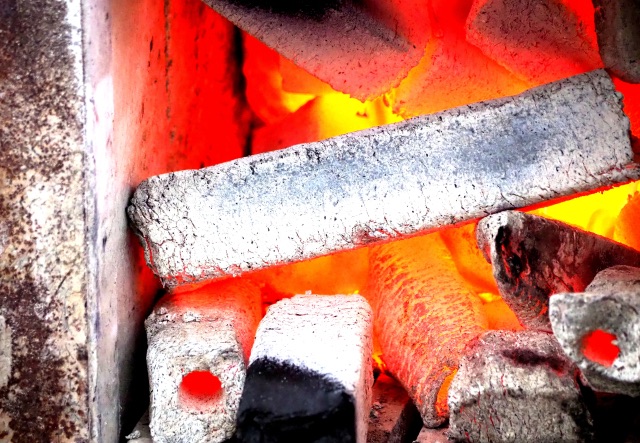
In traditional Japanese blade making, the material is heated and then hammered and shaped. But there is an important point that I had not fully understood before researching this subject.
Forged does not necessarily mean made entirely with a hand-held hammer.
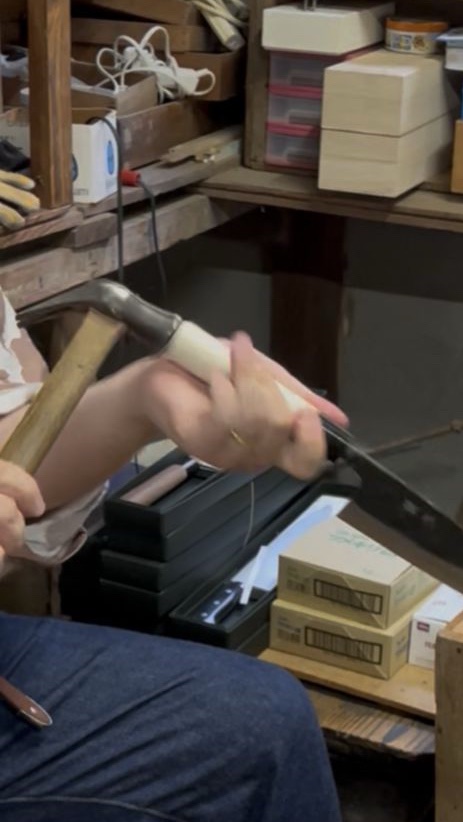
Traditional craftsmen today can use power hammers, presses, grinders and other machinery during the production process.
At first, that might sound contradictory. If a machine is involved, can we really call the knife hand-forged?
The important distinction is that the machine can still be a tool controlled by the craftsman. A power hammer provides far more force than a small hand hammer, but the craftsman still decides how the heated steel is positioned, where the force is applied and how the blade develops its shape.
The machine provides the power. The craftsman provides the judgement.
Hand-Forged Japanese Knives and Tosa Free Forging

This becomes particularly interesting when looking at Tosa Uchihamono — Tosa forged blades.
One of the characteristics associated with traditional Tosa blade making is 自由鍛造 (Jiyu Tanzo), or free forging.
Rather than relying entirely on a fixed mould to determine the final shape, the craftsman works the heated material into the required form. This flexibility helped Tosa craftsmen produce an enormous variety of edged tools for different purposes.
Historically, Tosa was not only a region of kitchen knife production. Its blacksmiths also produced agricultural and forestry tools, adapting blade shapes to the needs of the people using them.
👉 INTERNAL LINK: Tosa Knives and Kurouchi — Why This Traditional Finish Is So Common
That history helps explain why free forging became such an important characteristic of Tosa craftsmanship.
And here is something that surprised me.
Traditional Tosa production does not mean rejecting machinery.
Mechanical hammers and other equipment can be used during the forging and shaping process. Yet the knowledge required to control the steel — judging its heat, movement, thickness and shape — remains with the craftsman.
Hand-Forged Japanese Knives Do Not Have to Be Machine-Free
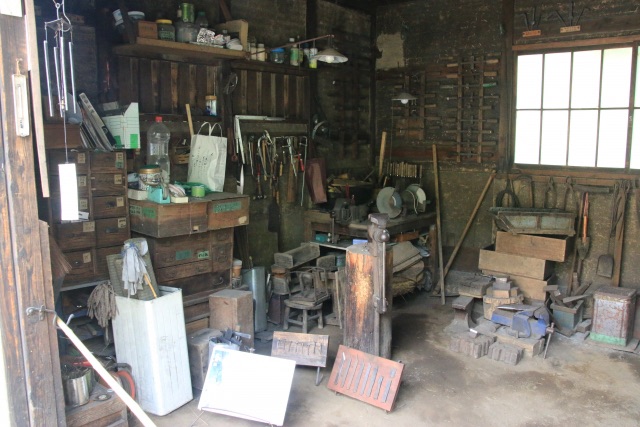
I think this is where the image many of us have of a “handmade Japanese knife” can become a little misleading.
We often imagine a blacksmith standing in front of a fire, striking a piece of glowing steel with a small hammer from beginning to end.
That image certainly represents part of traditional blacksmithing, but modern craftsmanship can also combine traditional knowledge with modern equipment.
Using a power hammer does not automatically make a knife a mass-produced product.
The question is not simply whether a machine was used.
The more interesting question is who is controlling the process.
👉 INTERNAL LINK: Handmade Japanese Knives — 7 Reasons No Two Are the Same
A skilled craftsman can use machinery as an extension of his hands. The equipment supplies speed or force, while experience determines what happens to the steel.
That changed the way I personally understood the words hand-forged Japanese knives.
Does Hand-Forged Automatically Mean Better?
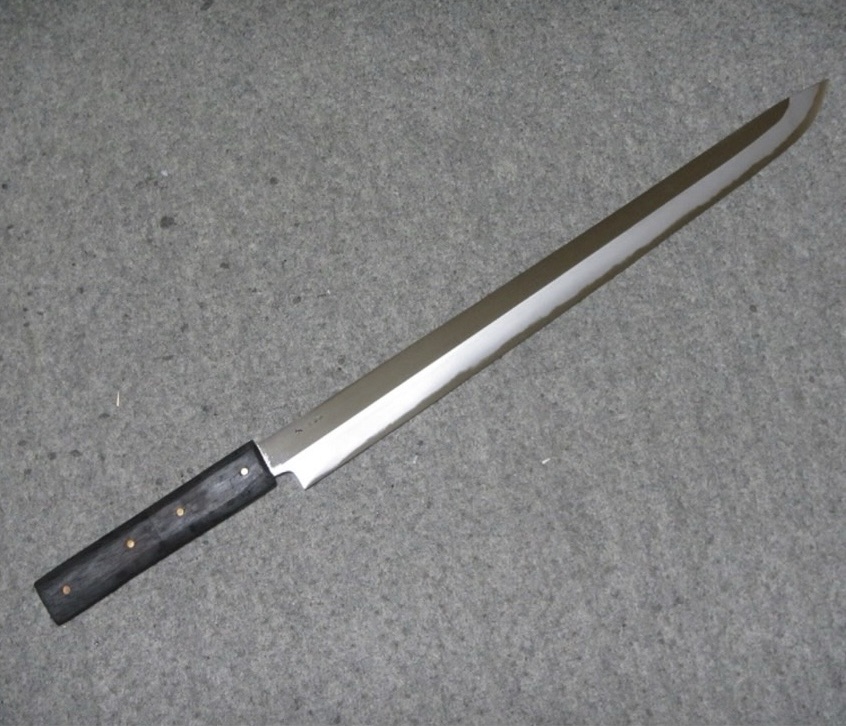
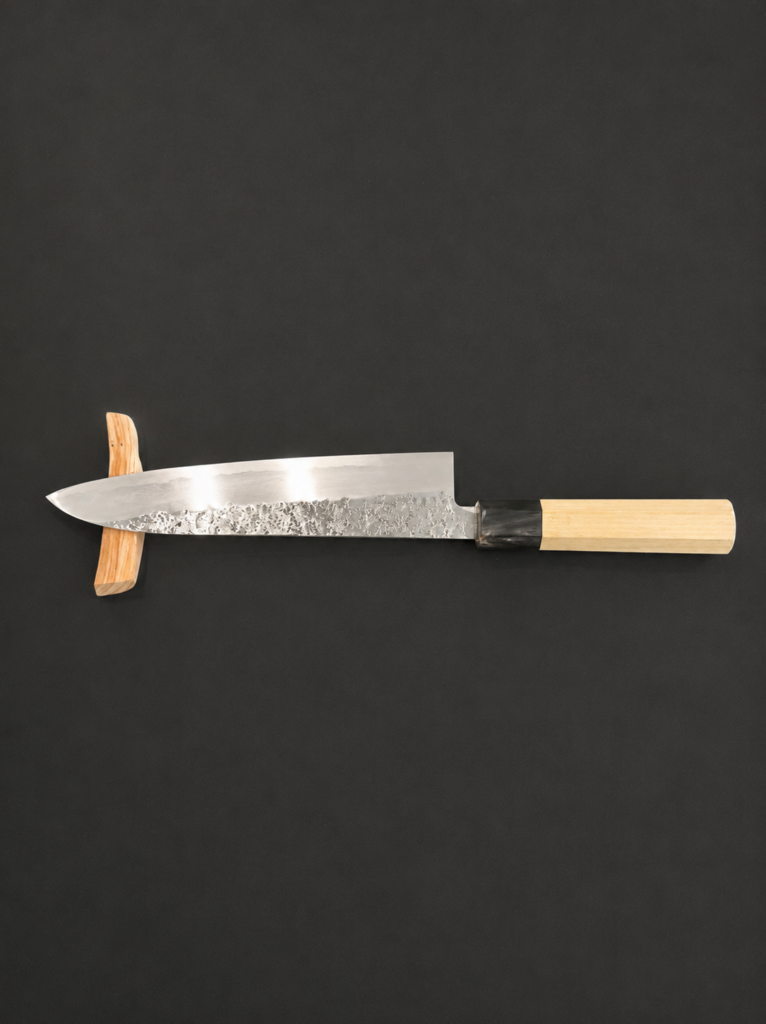
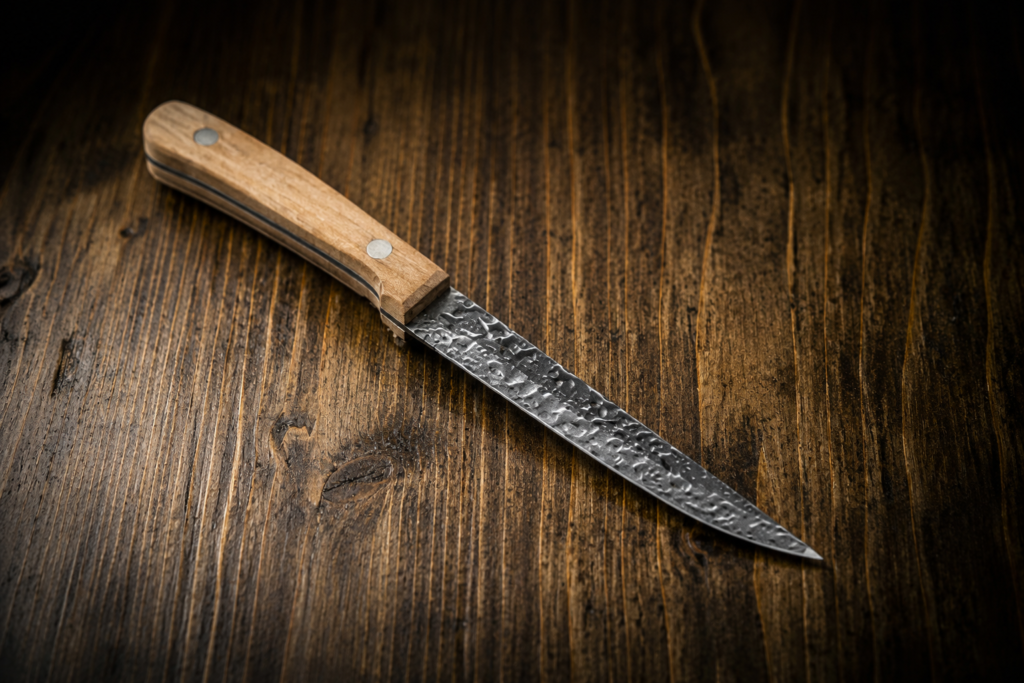
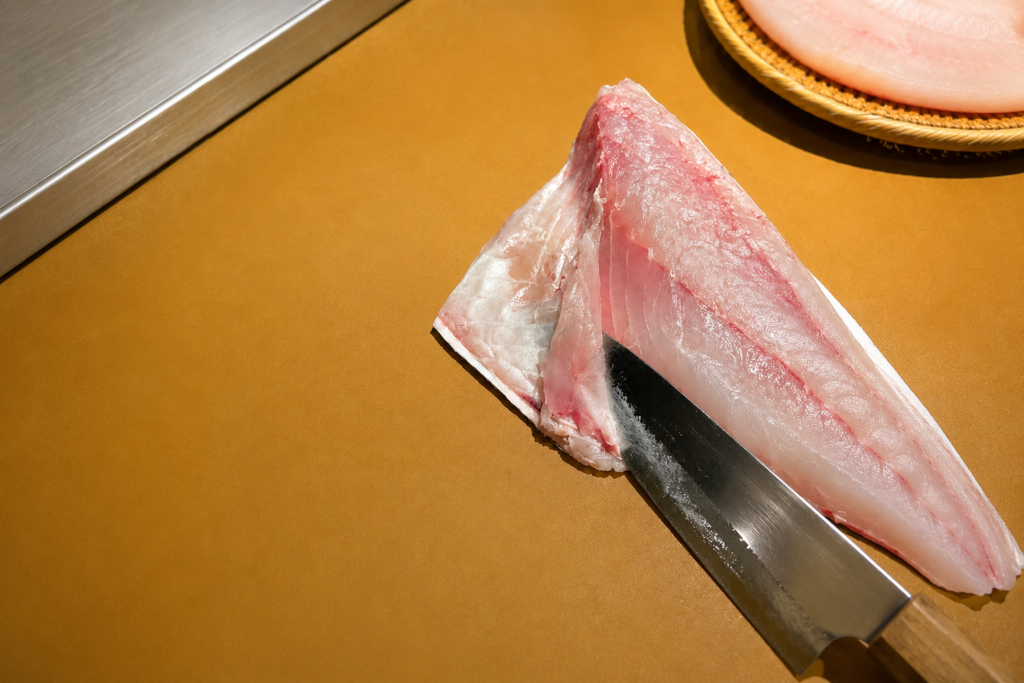
A one-of-a-kind, hand-forged tuna knife
There is another important point.
“Hand-forged” sounds impressive, especially when we are looking at Japanese knives online. But forging is only one stage in the creation of a finished knife.
Heat treatment matters. Grinding matters. Blade geometry matters. Straightening, sharpening and finishing all matter.
👉 INTERNAL LINK: Hardness 硬度 — 7 Truths About HRC in Japanese Knives
The steel itself is only part of the story too.
Two knives made from the same steel can behave differently depending on how they have been heat-treated, ground and finished. Aogami #2, Ginsan, VG10 and SG2 all have their own characteristics, but the name of the steel alone cannot tell you everything about the finished knife.
👉 INTERNAL LINK: Aogami vs Shirogami — Understanding Traditional Japanese Carbon Steels
After more than 25 years working with knives professionally, that part makes complete sense to me.
As a chef, I ultimately judge a knife when it reaches the cutting board. How does it move through the ingredient? How does the edge feel? How does it balance in my hand? How does it respond when I sharpen it?
Those things cannot be explained by the word “forged” alone.
What Hand-Forged Japanese Knives Mean to Me Now
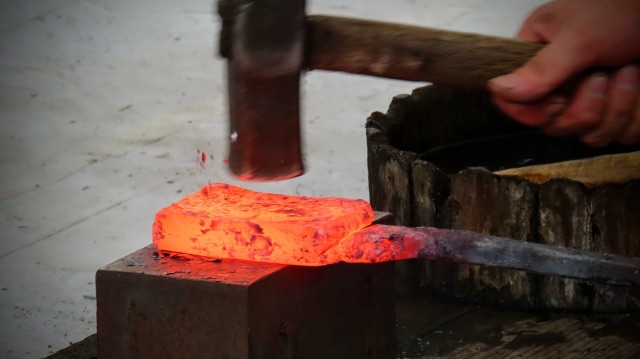
Before looking into this subject properly, I think I unconsciously imagined “hand-forged” as meaning a knife made almost entirely without machinery.
Now I see it differently.
Traditional forging does not necessarily mean rejecting machines. In places such as Tosa, traditional knowledge and modern tools can exist together.
For me, the fascinating part of hand-forged Japanese knives is no longer whether a machine touched the blade.
It is the human knowledge behind the process.
Knowing when the steel is ready. Understanding how it moves under force. Knowing what shape is required for the intended tool. Correcting small variations as the blade develops.
Perhaps that is a better way to understand Japanese forging.
Not simply as metal being hit with a hammer, but as generations of knowledge being used to control fire, steel and force.
After more than 25 years of using Japanese knives, I am still discovering things about them.
And perhaps that is one of the reasons I still find them so fascinating.
👉 Explore more:
https://blog.asaoyayaichi.com.au
👉 Visit our online store:
https://asaoyayaichi.com.au
Thank you for reading, and I hope to see you again in the next story.