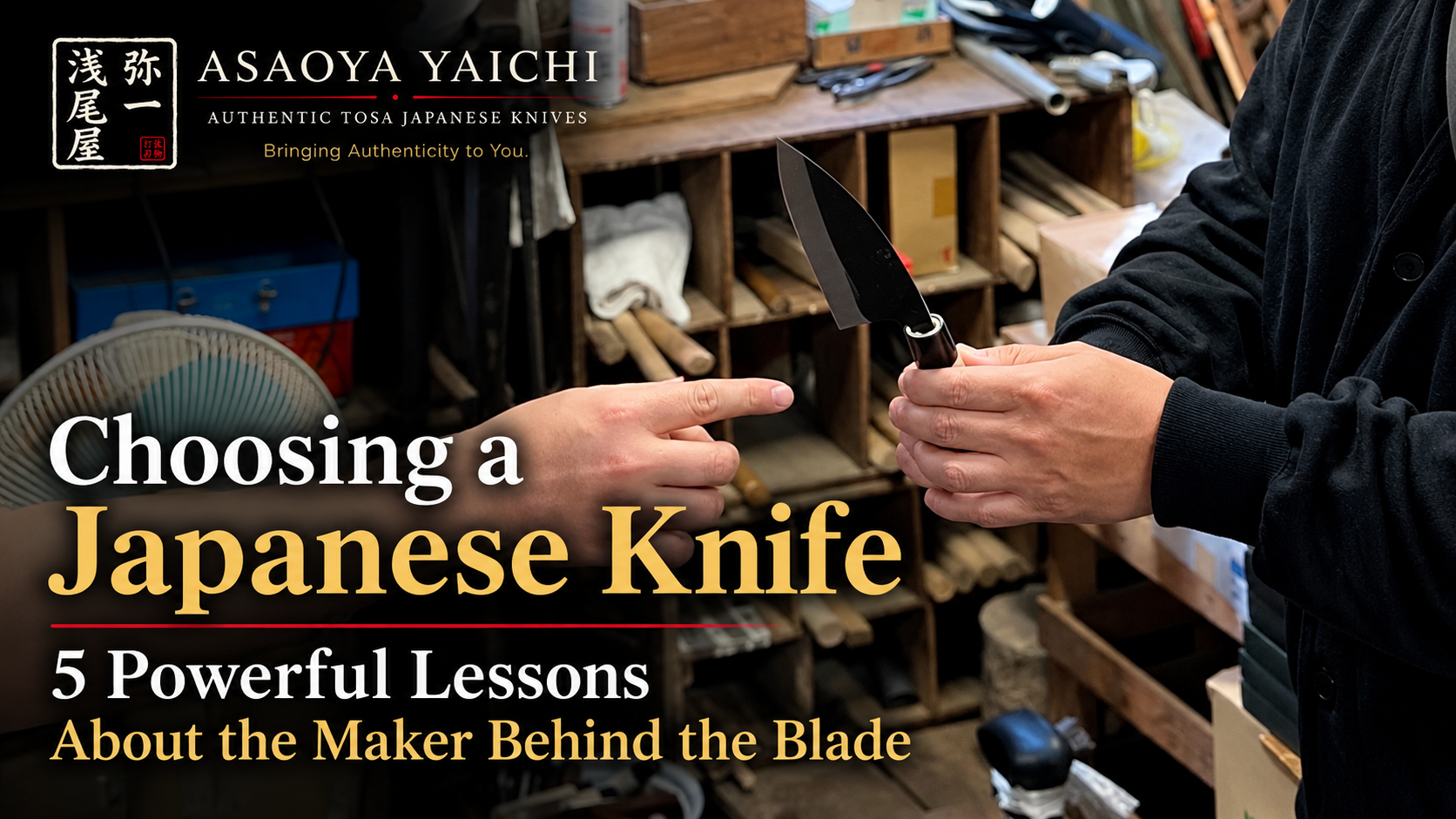

Choosing a Japanese Knife is about much more than comparing steel, price, blade length or appearance. For people exploring Japanese Knives Australia, there are now more makers, steels and styles to choose from than ever before. After more than 25 years working as a professional chef, I have learned that the person behind the knife matters too.
Japanese blacksmiths spend years developing skills that cannot simply be replaced by a machine or a famous brand label. Their experience, techniques and knowledge are part of the value of every knife they produce.
At Asaoya Yaichi, I want more people in Australia to know the names of the Japanese craftsmen behind their knives. Their names should have value because their skills, experience and years of work have value.
But at the same time, I do not want a blacksmith’s name to become just another luxury label.
When Choosing a Japanese Knife, I believe we should understand not only who made it, but why their work matters.
👉 Explore our Japanese knives in Australia:
https://asaoyayaichi.com.au
Choosing a Japanese Knife Means Knowing Who Made It

For many years, Japanese kitchen knives were often sold overseas simply as “Japanese knives.”
The steel might be listed. The blade length might be listed. The words “hand-forged” might appear in the description.
But who actually made the knife?
I believe that question deserves more attention.
A blacksmith is not simply part of the manufacturing process. The decisions they make about forging, heat treatment, construction and finishing all contribute to the character of the finished blade.
This is one reason I have become increasingly interested in telling the stories behind Japanese knives rather than simply selling them as products.
👉 INTERNAL LINK: [Tosa Knife History — From Samurai-Era Craft to the Modern Kitchen]
Understanding where a knife comes from gives us a much deeper appreciation of what we are holding in our hands.
The Maker’s Name Should Have Real Value

180mm Kiritsuke Aogami #2 Kurouchi Walnut Octagonal Handle
I have written before about something that concerns me: the future of Japanese blacksmiths and the value placed on their work.
If retailers compete only on price, eventually somebody in the chain has to absorb that pressure. I do not believe constantly making Japanese knives cheaper is necessarily good for the future of the industry.
Traditional skills take years to develop.
That should have value.
When a blacksmith produces excellent knives for decades, I want their name to become better known. If that reputation eventually allows their work to command a higher price, I do not see that as a bad thing.
In fact, I believe knife retailers can play a role in helping that happen.
👉 INTERNAL LINK: [Hand-Forged vs Machine-Made Japanese Knives]
But there is an important distinction.
I want the maker’s name to represent craftsmanship, experience and quality — not simply status.
Choosing a Japanese Knife Is Still About the Knife
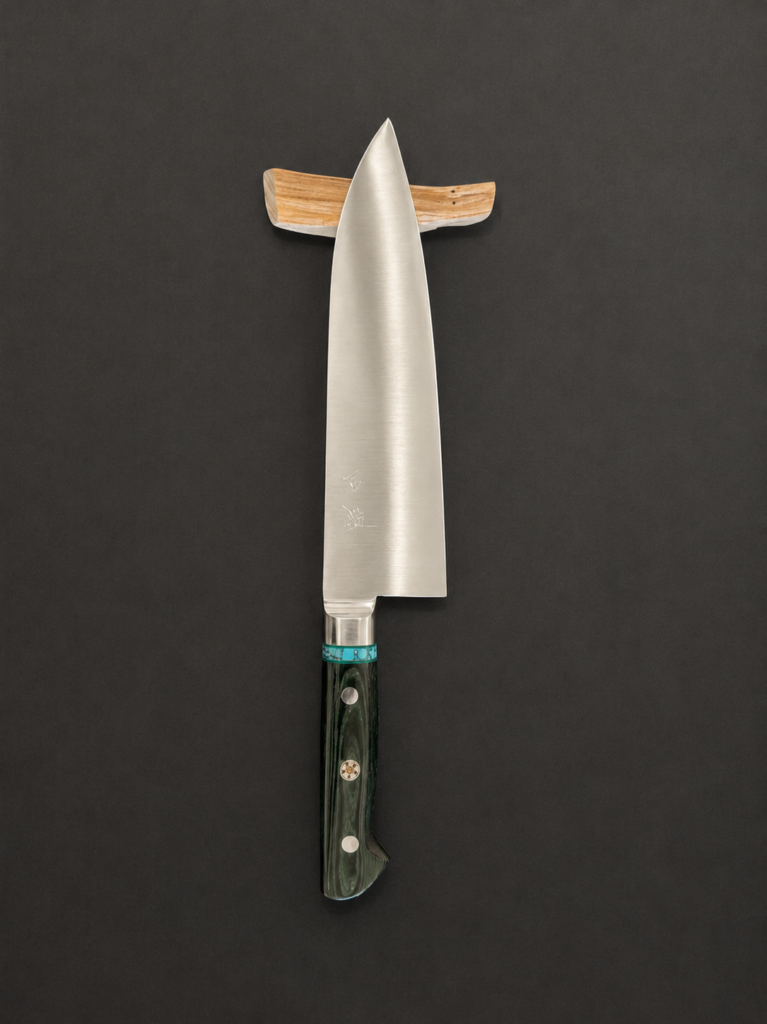
180mm Santoku Aogami #2 Green Micarta Handle with Turquoise Spacer
Knowing the maker is important, but when Choosing a Japanese Knife, the knife still needs to make sense for the person using it.
I have spent more than 25 years working with knives in professional kitchens. From that experience, I know that a famous name cannot change whether a particular blade shape, steel or size suits the job in front of me.
A beautiful carbon-steel knife may be wonderful for one cook, while someone else may be much happier with the easier maintenance of VG10, Ginsan or SG2.
👉 INTERNAL LINK: [Japanese Knife Steel: 5 Powerful Lessons After 25 Years in Professional Kitchens]
The same applies to knife shape. A Gyuto, Santoku, Nakiri, Sujihiki or Kiritsuke has its own purpose and character.
The maker gives the knife its craftsmanship.
The user gives the knife its purpose.
A Famous Name Should Tell a Story
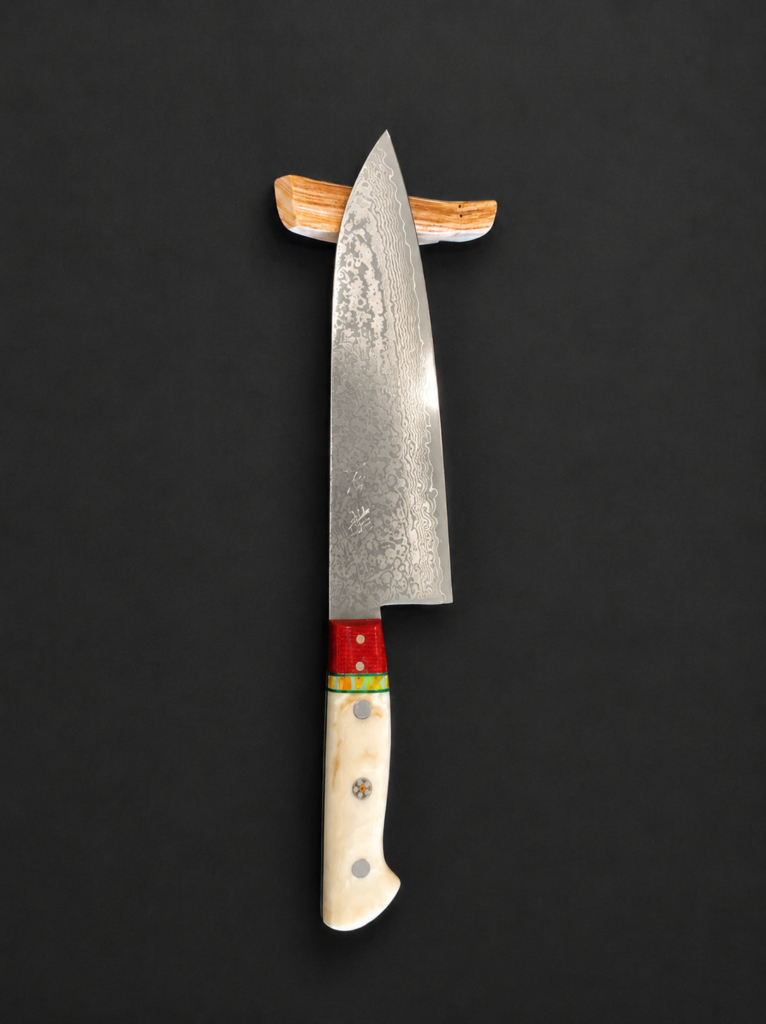
180mm Santoku VG10N 33 Layer Damascus Green Marble Handle Rainbow Spacer Red
This is perhaps the most important point for me.
I do not want Japanese blacksmiths to become anonymous workers behind expensive knives.
But I also do not want their names printed on a blade simply because a famous name makes the knife easier to sell.
If we introduce a craftsman’s name, we should also explain their work.
Where do they work? What traditions do they come from? What kind of knives do they make? Why is their craftsmanship worth preserving?
That story is part of the knife.
This is especially important with traditional knife-making regions such as Tosa.
👉 INTERNAL LINK: [Kurouchi Japanese Knives: Traditional Black-Forged Blades Explained]
A Kurouchi finish, for example, is not simply a fashionable black surface. It is connected to a traditional way of producing practical forged blades.
Understanding that changes how we see the knife.
Japanese Knives Australia Should Be About More Than Price

As Japanese knives become increasingly available in Australia, I hope the market continues to grow.
But I also hope that growth does not become only a competition over who can sell Japanese knives for the lowest price.
There should be room for different steels, different regions, different craftsmen and different philosophies of knife making.
That is why I believe Japanese Knives Australia should become a market where customers can learn about the people behind the blades as well as the products themselves.
👉 INTERNAL LINK: [Japanese Knives Australia: 5 Powerful Choices I Would Make After 25 Years as a Professional Chef]
For me, Choosing a Japanese Knife should bring these two ideas together.
We should respect the maker.
We should understand the craftsmanship.
And then we should choose a knife that genuinely suits the person who will use it.
The Name Behind the Knife Deserves to Be Remembered
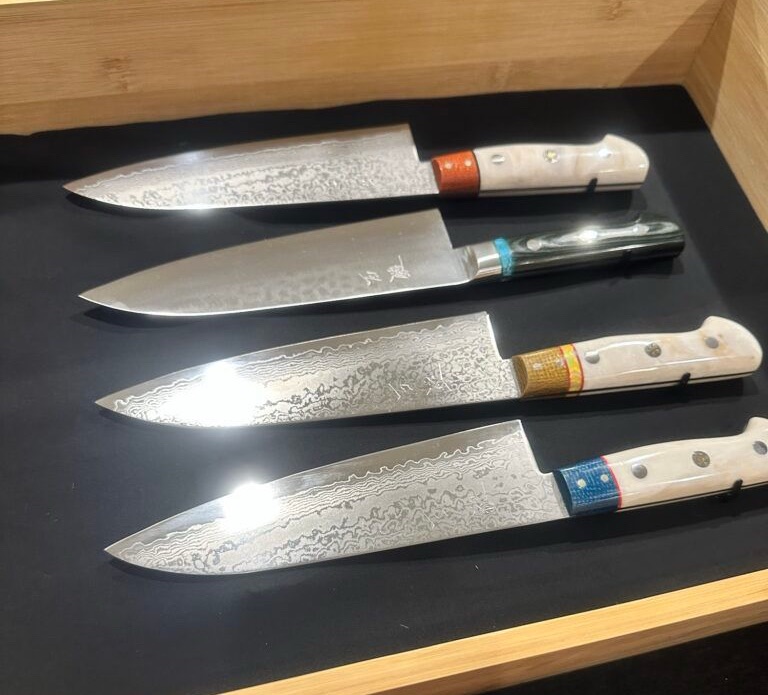
At Asaoya Yaichi, I want to continue introducing Japanese knives through my own experience as a professional chef, while also giving greater recognition to the craftsmen who make them.
I want customers in Australia to remember their names.
Not because a name automatically makes a knife better.
But because when excellent craftsmanship exists behind that name, the person responsible for it deserves recognition.
If Japanese knife retailers can help increase the value of those names while explaining the craftsmanship behind them, I believe we can do more than simply sell knives.
We can help carry Japanese knife-making traditions into the future.
And that, for me, is an important part of Choosing a Japanese Knife.
👉 Explore more:
https://blog.asaoyayaichi.com.au
👉 Visit our online store:
https://asaoyayaichi.com.au
Thank you for reading, and I hope to see you again in the next story.
—————————————————
Where to See and Buy Our Knives
Our Partner Stores
Chanoyu — Nerang, Gold Coast
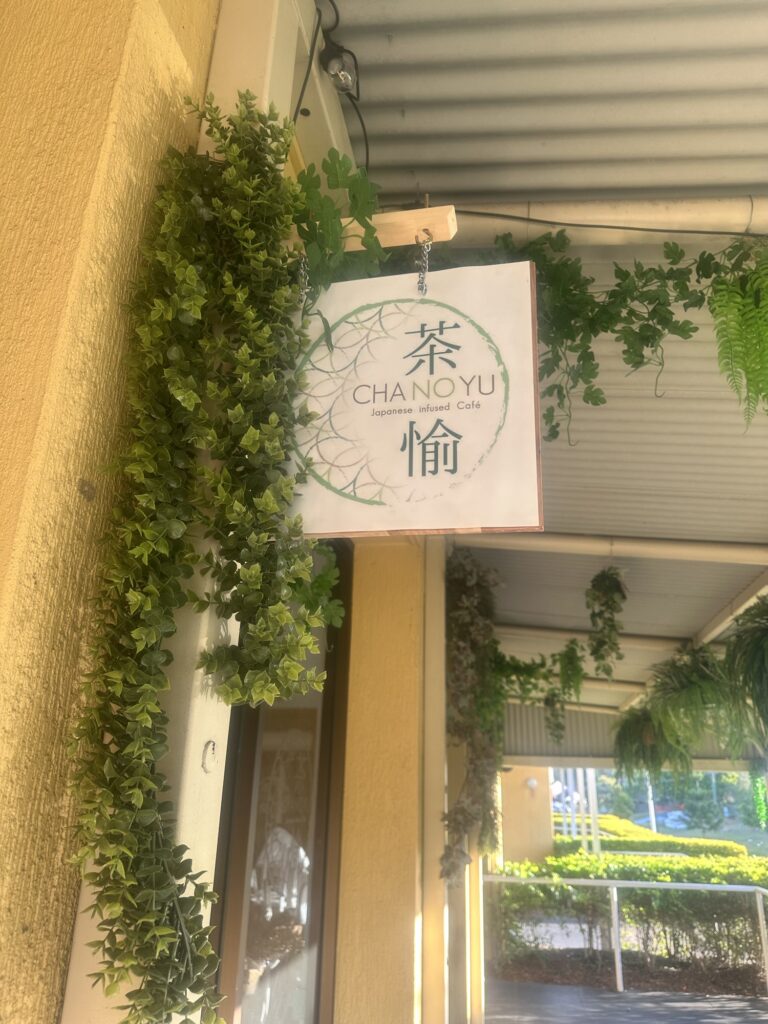
Visit Chanoyu and See Our Japanese Knives
If you are on the Gold Coast, we would love you to visit Chanoyu, a Japanese café in Nerang where you can see and purchase a selection of Asaoya Yaichi knives in person.
Chanoyu is a lovely place to slow down and enjoy Japanese-inspired food, excellent matcha, coffee and handmade desserts. Its warm, peaceful atmosphere makes it a pleasure to visit, whether you are stopping in for breakfast, lunch or something sweet. We are delighted that our knives have a place there.
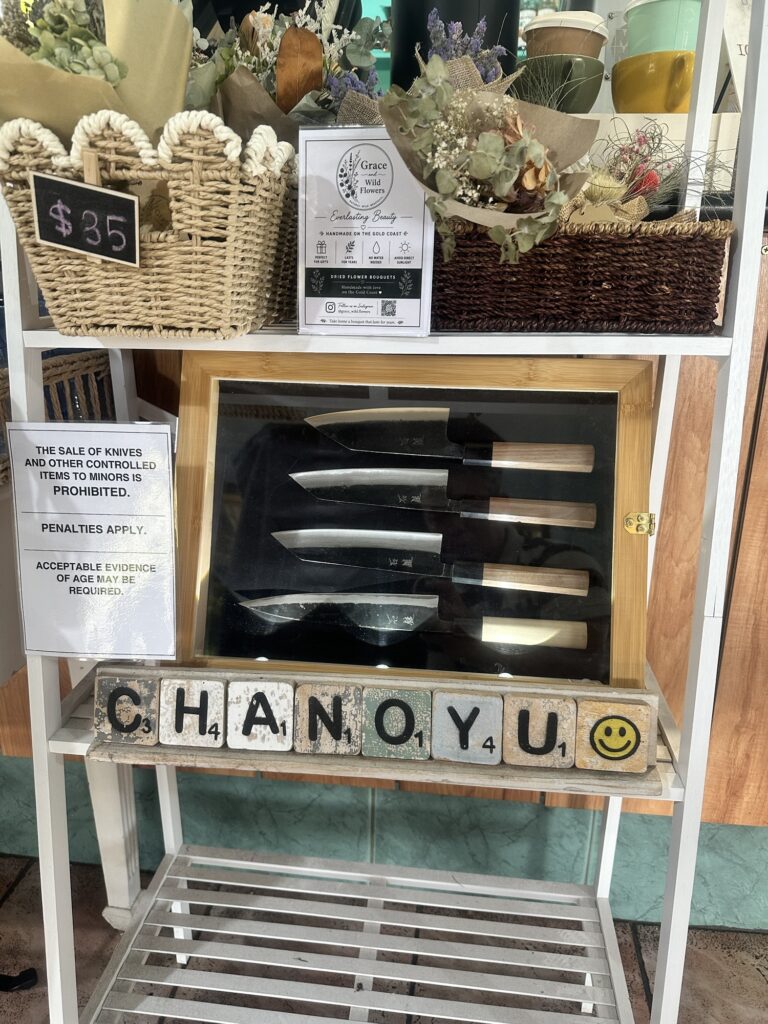
Visit Chanoyu: Shop 6A, 54–58 Nerang Street, Nerang QLD 4211
Opening hours: Monday to Saturday, 7:00 am–2:00 pm; closed Sunday
Website: https://www.chanoyucafe.com/
Instagram: https://www.instagram.com/chanoyugc/
The selection of knives on display may change. If you are interested in a particular Asaoya Yaichi knife, please contact us through https://asaoyayaichi.com.au before visiting, and we will help you check whether it is available at Chanoyu.