カテゴリー: Steel Guide

Learn about the different steels used in handcrafted Japanese knives, including VG10, Ginsan, Aogami, SG2, and more. Compare their sharpness, edge retention, toughness, and maintenance to choose the best steel for your needs.

  • Professional Choice | Why I Still Use Carbon Steel for Sashimi After 25 Years

    Professional Choice | Why I Still Use Carbon Steel for Sashimi After 25 Years

    Ishizuchi Kanamono Manufactory

    If you asked me what knife I still reach for after more than 25 years as a professional chef, my answer might surprise you.

    Despite owning and using modern stainless steel knives such as VG10, Ginsan, and SG2, I still find myself reaching for a carbon steel sashimi knife whenever I’m preparing sashimi.

    Does that mean carbon steel is always better?

    Not at all.

    After using both carbon steel and stainless steel knives in busy professional kitchens, I’ve learned that every knife has its place. Choosing the right knife isn’t about following trends—it’s about understanding what works best for the job.


    Why I Still Choose a Carbon Steel Sashimi Knife
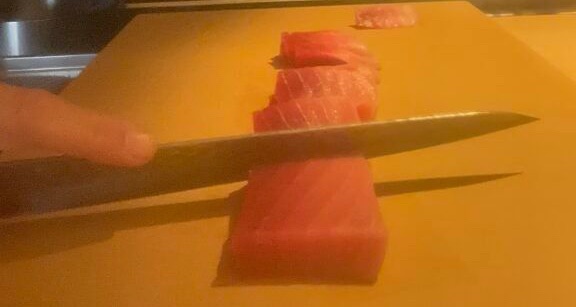

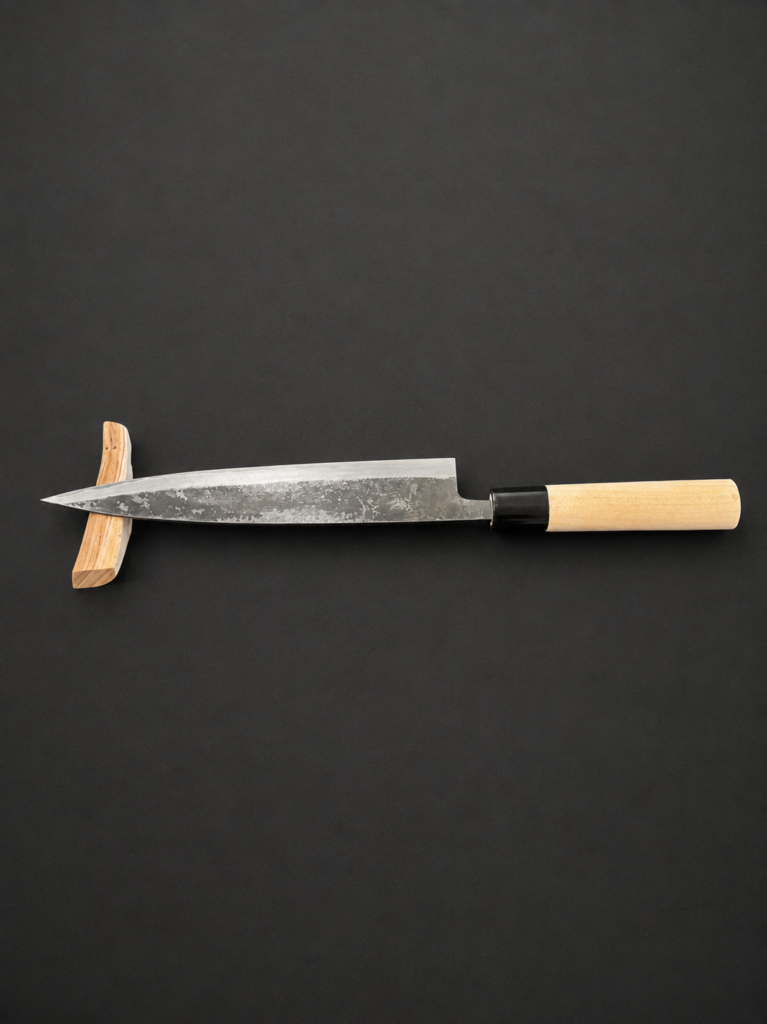
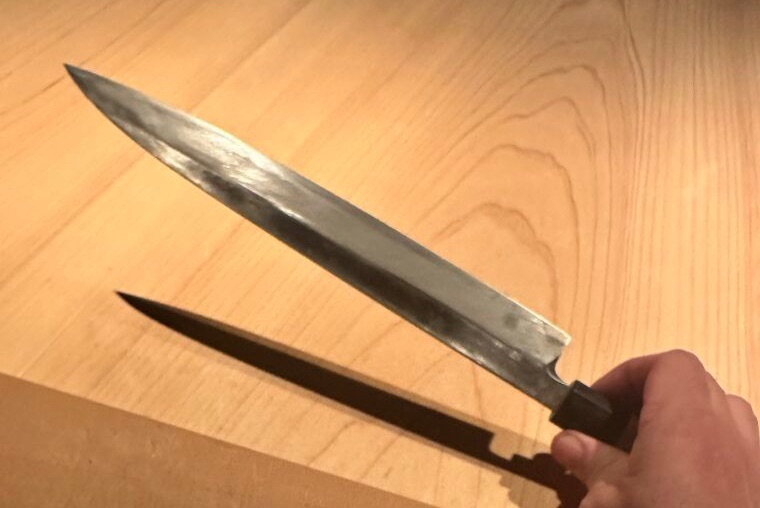
    210mm Sujihiki Aogami #2 Kurouchi Magnolia Handle

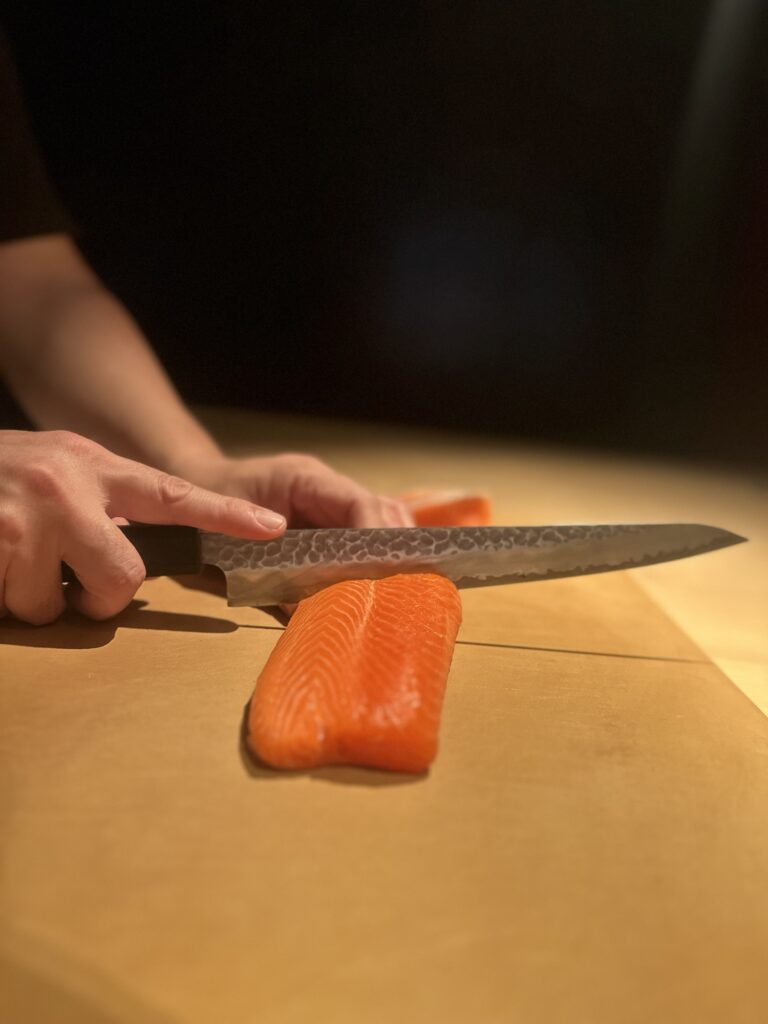
    When slicing sashimi, I enjoy using my Aogami carbon steel knife.

    The first thing I notice is how effortlessly it moves through the fish. The edge feels incredibly refined, allowing long, smooth slices with very little resistance.

    Some chefs believe carbon steel produces cleaner cuts and may even reduce unwanted fish aroma, particularly when slicing tuna or bonito. Whether that’s caused by the steel itself or simply by its exceptional edge is still open to debate.

    Personally, I don’t choose carbon steel because I believe it performs miracles.

    I choose it because I enjoy the feeling every time I use it.

    Internal Link: 👉 Beginner’s Guide to Japanese Kitchen Knives


    Stainless Steel Is Better Than Many People Think
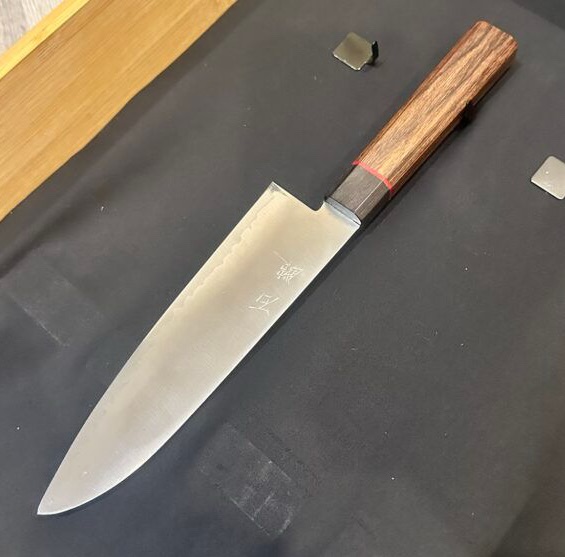

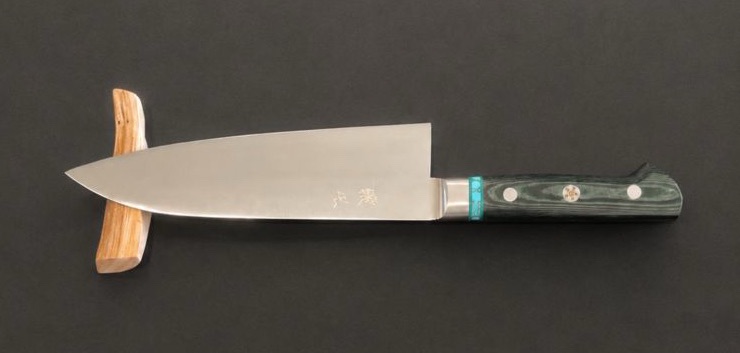
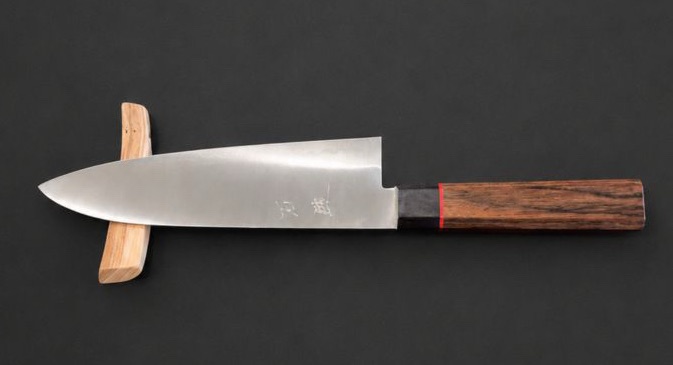
    180mm Santoku SG2 Rosewood Octagonal Handl

    Modern stainless steels have improved dramatically.

    A properly sharpened VG10 sujihiki can produce beautiful sashimi with excellent edge retention and outstanding corrosion resistance.

    If my VG10 sujihiki and my carbon steel knife are both sharpened to the same level, I honestly don’t think most customers would notice any difference once the sashimi reaches the plate.

    This is why I always tell people not to become obsessed with steel names.

    The sharpness of the edge is far more important.

    Internal Link: 👉 Ultimate | The Pinnacle of Stainless Steel – 180mm SG2 Santoku with Rosewood Octagonal Handle


    Why I Use Stainless Steel for Onions and Tomatoes
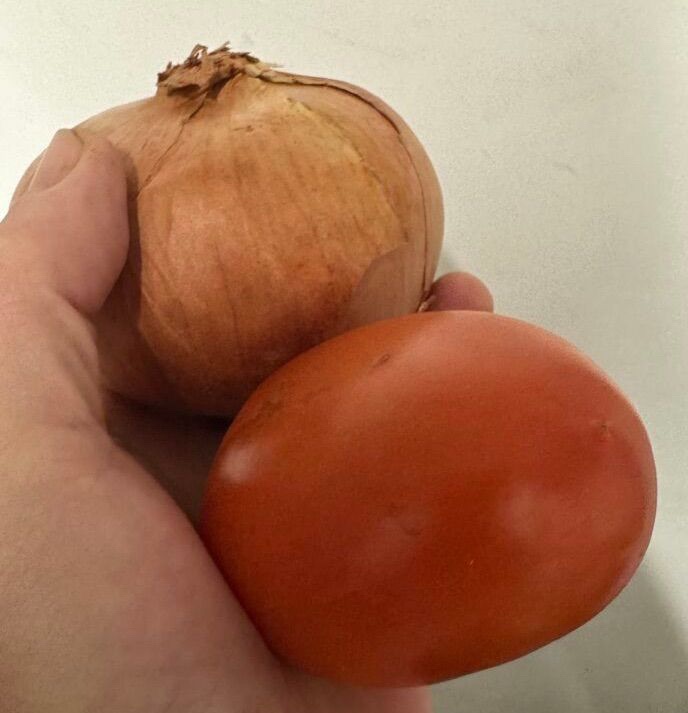
    Kitchen knife

    My knife choice changes completely when preparing vegetables.

    For onions, tomatoes, citrus fruits, and many everyday ingredients, I usually grab my stainless steel gyuto.

    It’s not because carbon steel cannot cut them.

    It’s because stainless steel lets me work without constantly thinking about maintenance.

    Acidic ingredients can react with carbon steel, so I know I’ll need to clean and dry the knife quickly. During a busy shift, stainless steel simply makes life easier.

    Convenience matters in a professional kitchen.

    Internal Link: 👉 Why Do Japanese Knives Rust So Easily?


    Sharpness Is More Important Than Steel
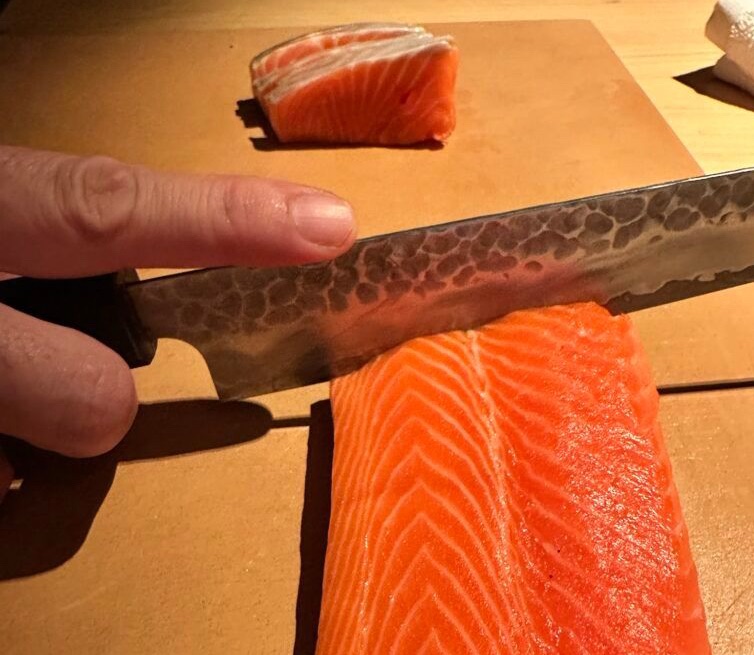

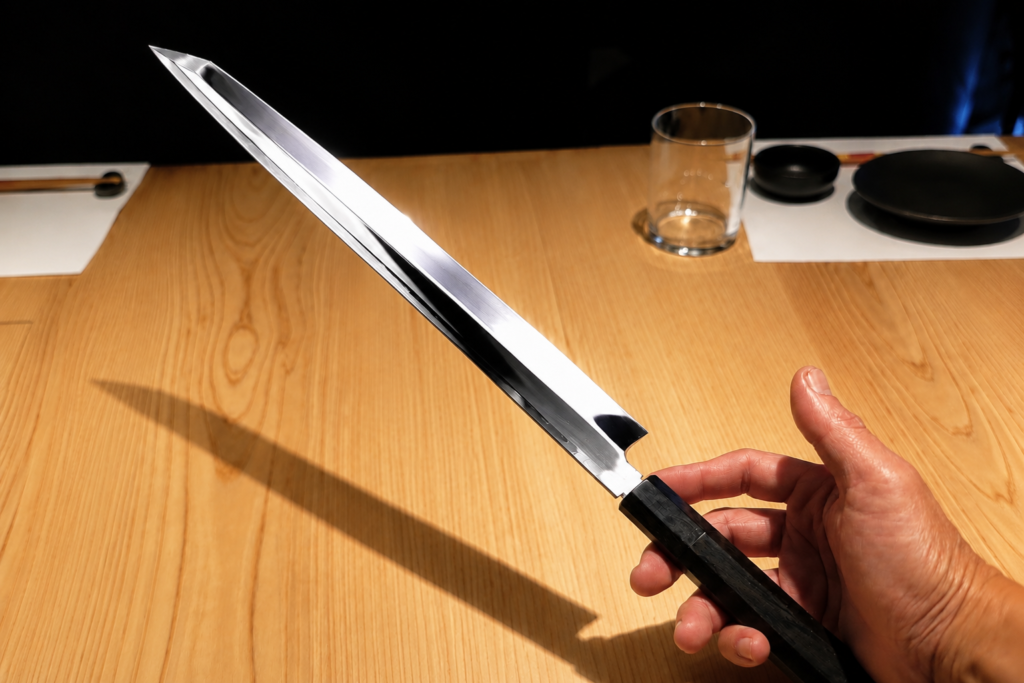
    240mm Sujihiki VG10 Hammered 17 Layer Damascus Mahogany

    After more than two decades in professional kitchens, I’ve learned one simple truth.

    A perfectly sharpened VG10 knife is far better than a dull carbon steel knife.

    Many people focus entirely on steel—Aogami, Shirogami, VG10, SG2, or Ginsan.

    But steel only gives a knife its potential.

    Sharpening determines how much of that potential you actually experience.

    Learning how to sharpen properly will improve your cooking far more than changing from one steel to another.

    Internal Link: 👉 Why Flattening Your Whetstone Matters


    My Advice After 25 Years
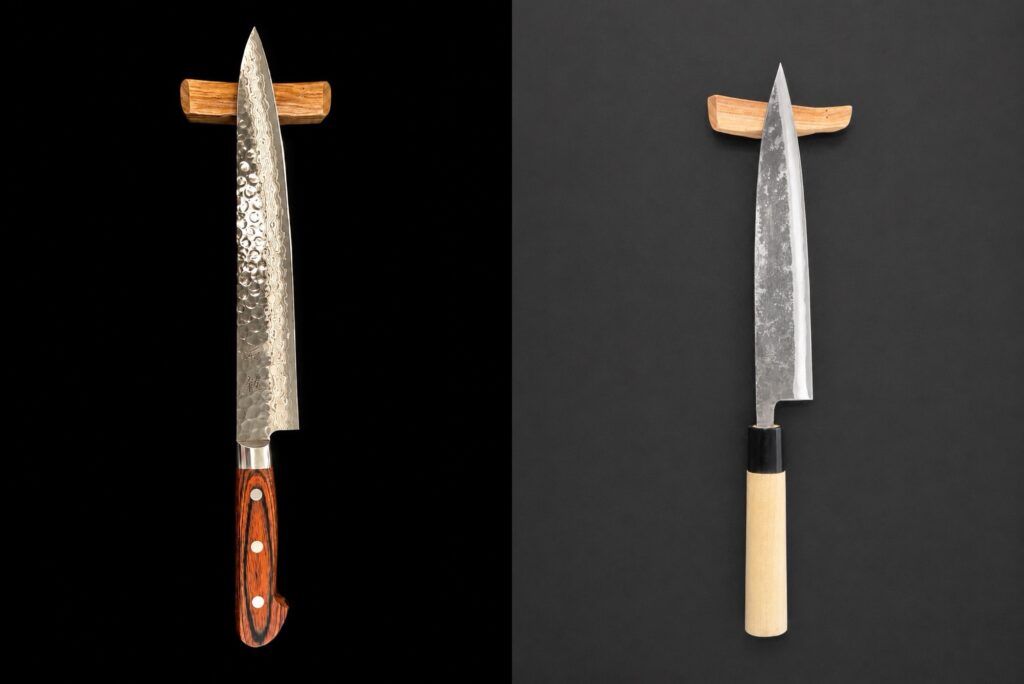
    VG10 & Aogami #2

    People often ask me which knife they should buy.

    My answer is always the same.

    If you enjoy traditional Japanese craftsmanship and don’t mind a little extra care, a carbon steel knife is incredibly satisfying to own.

    If you want outstanding performance with less maintenance, high-quality stainless steel is an excellent choice.

    Neither is wrong.

    In my own kitchen, I still use both.

    Carbon steel for sashimi.

    Stainless steel for much of my everyday preparation.

    Not because one is superior, but because each knife suits a different purpose.

    That, in my opinion, is what professional cooking is all about.

    Internal Link: 👉 The True Value of Japanese Knives | 7 Reasons They Are Worth the Investment


    Final Thoughts
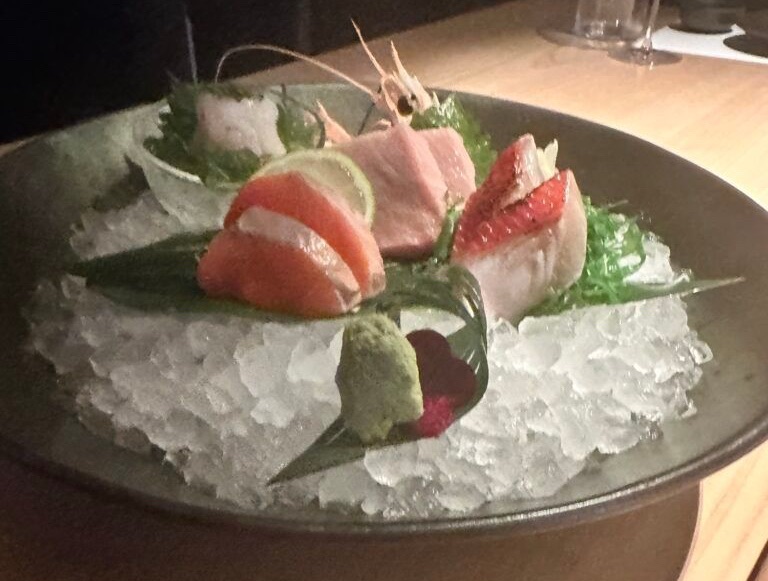
    After more than 25 years as a chef, I’ve stopped asking which steel is “better.”

    Instead, I ask which knife is better for today’s job.

    For me, that often means reaching for a carbon steel knife when preparing sashimi and a stainless steel knife for everyday kitchen work.

    If there’s one lesson I’ve learned throughout my career, it’s this:

    The best knife isn’t determined by its steel alone. It’s determined by how well it’s sharpened, maintained, and matched to the task at hand.

    Whether you choose carbon steel or stainless steel, investing in a quality Japanese knife and learning how to care for it will reward you for years to come.


    👉 Explore more:
    https://blog.asaoyayaichi.com.au

    👉 Visit our online store:
    https://asaoyayaichi.com.au

    Thank you for reading, and I hope to see you again in the next story.
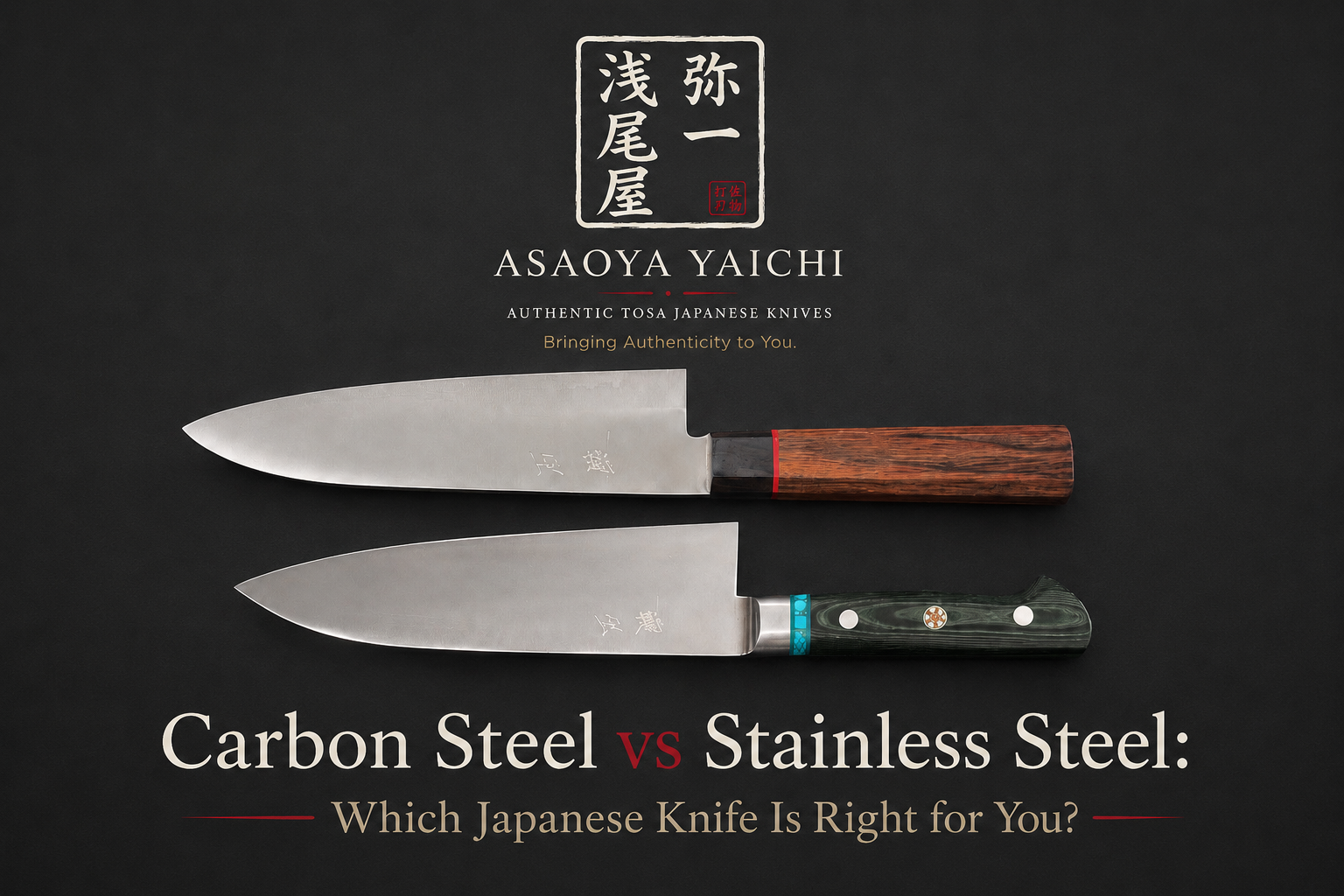
  • Carbon Steel vs Stainless Steel: Which Japanese Knife Is Right for You?

    Carbon Steel vs Stainless Steel: Which Japanese Knife Is Right for You?

    Introduction

    Carbon Steel vs Stainless Steel is one of the biggest decisions when choosing a Japanese knife.

    If you’ve started looking for a Japanese knife, you’ve probably come across one of the most common questions:

    Should I choose carbon steel or stainless steel?

    It’s a question I get asked regularly, and the truth is simple:

    There isn’t one “best” choice.

    Both carbon steel and stainless steel have their own strengths, and the right knife depends on your cooking style, how much maintenance you’re happy to do, and what you expect from your knife.

    After working as a chef in Japan and Australia for more than 25 years, I’ve used both throughout my career. Rather than believing one is better than the other, I’ve learned that each has its place in the kitchen.


    Carbon Steel Knives

    For generations, carbon steel has been the preferred choice of many professional chefs and traditional Japanese blacksmiths.

    Why?

    Because few materials can match its cutting performance.

    Carbon steel takes an incredibly sharp edge, is easy to sharpen, and provides a cutting feel that many chefs simply love.

    Advantages of Carbon Steel

    • Exceptional sharpness
    • Excellent edge retention
    • Easy to sharpen
    • Traditional choice among professional chefs
    • Ideal for mirror polishing and traditional Japanese finishes

    Things to Consider

    Carbon steel does require care.

    If left wet after use, it can rust. Drying the blade immediately and performing occasional maintenance are simply part of owning a carbon steel knife.

    Many chefs don’t see this as a disadvantage—they see it as part of the relationship between the knife and its owner.


    Stainless Steel Knives

    Modern stainless steels have come a long way.

    Premium steels such as VG10, Ginsan (Silver 3), and SG2 deliver outstanding performance while requiring much less maintenance than carbon steel.

    For many home cooks, stainless steel offers the perfect balance between sharpness, durability, and convenience.

    Advantages of Stainless Steel

    • Highly resistant to rust
    • Easy to maintain
    • Perfect for everyday cooking
    • Ideal for beginners
    • Available in many premium Japanese steels

    Things to Consider

    Although today’s stainless steels perform exceptionally well, many chefs still prefer the sharpening characteristics and cutting feel of traditional carbon steel.


    Mirror Polish – One of Carbon Steel’s Hidden Beauties

    Another reason many knife enthusiasts love carbon steel is how beautifully it can be polished.

    Carbon steel responds extremely well to polishing, making it easier to achieve a deep mirror finish.

    Traditional Japanese finishes, including mirror polish and kasumi finishes, are often created on carbon steel blades because of the way the steel responds during polishing.

    Stainless steel can certainly be polished to a mirror finish too—especially premium steels like VG10 and SG2—but because these steels are harder and more wear resistant, achieving the same finish usually takes more time and effort.

    If you appreciate beautiful handcrafted knives, carbon steel offers something truly special.


    Another Unique Beauty of Carbon Steel – The Traditional Kurouchi Finish

    Another unique beauty of carbon steel knives is the kurouchi finish, a traditional feature commonly found on handcrafted Tosa knives.

    Kurouchi refers to the dark, rustic surface left on the blade during the forging process. Rather than polishing it away, the black oxide layer is intentionally preserved, giving each knife a distinctive handcrafted appearance and a character that reflects traditional Japanese craftsmanship.

    Beyond its unique appearance, the kurouchi finish also offers a practical benefit. The black oxide layer can provide some protection against rust on the upper part of the blade compared with a fully polished carbon steel blade.

    However, it’s important to remember that a kurouchi knife is still a carbon steel knife. The exposed cutting edge and any polished areas can still rust if left wet, so proper care and drying after use are still essential.

    For many knife enthusiasts, this combination is part of the appeal—a blade that offers exceptional cutting performance, traditional beauty, and practical functionality all in one.

    One of the reasons I personally enjoy kurouchi knives is that they develop their own character over time. Every scratch, every sharpening session, and every meal prepared tells part of the knife’s story, making it feel even more personal with years of use.


    My Personal Perspective After More Than 25 Years as a Chef

    People are sometimes surprised by my answer when they ask which steel I prefer.

    To be honest, I’m not particularly good at keeping up with knife maintenance.

    Because of that, I often reach for stainless steel knives during preparation work.

    When I’m busy with prep, practicality matters. Stainless steel is reliable, easy to maintain, and lets me focus on cooking rather than worrying about wiping the blade every few minutes.

    But my choice changes when I’m working in front of guests.

    When I’m behind the counter, preparing food where customers can watch every movement, sharpness becomes even more important—but so does presentation.

    On those occasions, I often choose a high-quality carbon steel knife that I’ve polished to a mirror finish.

    The incredibly sharp edge, the elegant appearance, and the craftsmanship of a beautifully polished blade all become part of the dining experience.

    To me, using a handcrafted carbon steel knife in front of guests isn’t simply about performance.

    It’s a way of showing respect—for the ingredients, for traditional Japanese craftsmanship, and for the people I’m cooking for.

    That’s why I don’t believe carbon steel is better than stainless steel, or vice versa.

    I simply believe in using the right knife for the right situation.


    Which One Should You Choose?

    Choose Carbon Steel if you:

    • Love exceptional sharpness
    • Enjoy sharpening your own knives
    • Appreciate traditional Japanese craftsmanship
    • Don’t mind spending a little extra time on maintenance
    • Want a blade that develops character over time

    Choose Stainless Steel if you:

    • Prefer low-maintenance cooking
    • Want excellent rust resistance
    • Are buying your first Japanese knife
    • Need a dependable knife for everyday use
    • Want outstanding performance with minimal upkeep

    Final Thoughts

    The best Japanese knife isn’t necessarily the most expensive one or the one made from the hardest steel.

    It’s the knife that suits your cooking style, your experience, and the way you enjoy preparing food.

    At Asaoya Yaichi, we carefully source authentic handcrafted Japanese knives directly from Tosa, Japan, working with skilled blacksmiths and trusted manufacturers who continue generations of traditional craftsmanship.

    Whether you’re looking for a beautifully handcrafted carbon steel knife or a premium stainless steel blade, our goal is simple:

    To help you find a knife you’ll genuinely enjoy using for many years to come.


    Explore Our Collection

    If you’re interested in authentic Japanese knives forged in Tosa, we’d love to help you find the perfect one.

    Browse our collection:

    👉 https://www.asaoyayaichi.com.au

    You may also enjoy these guides:

    Each article is written from my own experience as a chef with more than 25 years of working in professional kitchens across Japan and Australia.

    Thank you for reading, and I hope this guide helps you choose the Japanese knife that’s right for you.

    Bringing Authenticity to You.