タグ: Nakiri

  • 刃 Japanese Knife Bevels | Single Bevel vs Double Bevel Explained

    刃 Japanese Knife Bevels | Single Bevel vs Double Bevel Explained

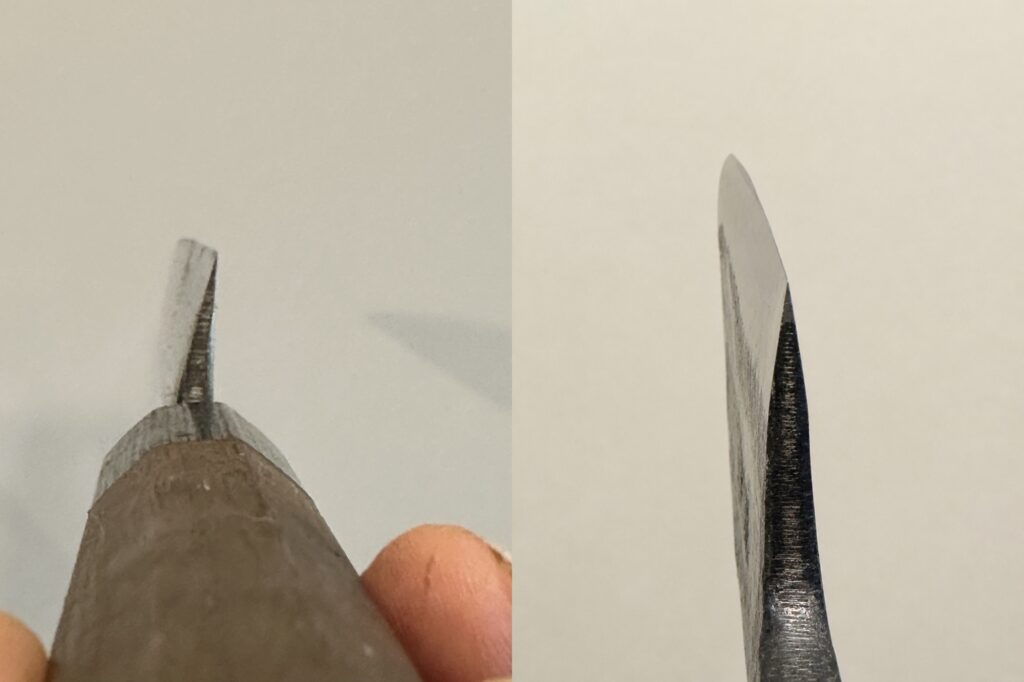
    Single bevel Double bevel

    Choosing a Japanese knife can feel overwhelming, especially when you first encounter the debate between Single Bevel vs Double Bevel. Understanding Single Bevel vs Double Bevel is one of the most important steps when selecting a knife that matches your cooking style.

    After working as a professional chef for more than 25 years, I’ve learned that the best knife isn’t simply determined by whether it is single bevel or double bevel. Steel, balance, craftsmanship, and comfort all matter. However, understanding Single Bevel vs Double Bevel will help you make a much more informed decision before investing in a quality Japanese knife.


    What Is Single Bevel vs Double Bevel?
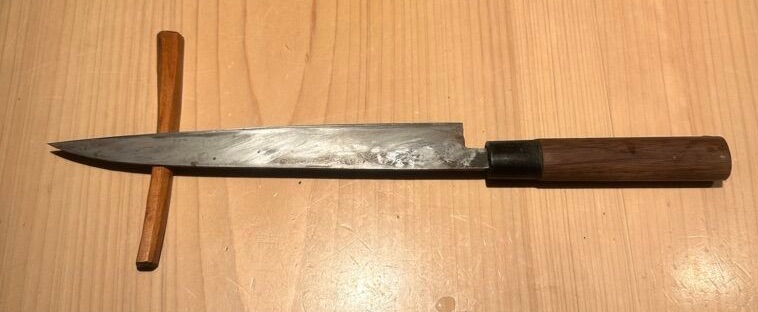
    Single Bevel

    The phrase Single Bevel vs Double Bevel simply refers to how the cutting edge of a knife is ground.

    A single bevel knife has an edge ground on only one side of the blade. The opposite side is mostly flat and usually contains a slight concave surface called an ura. This traditional design is common on knives made specifically for Japanese cuisine.
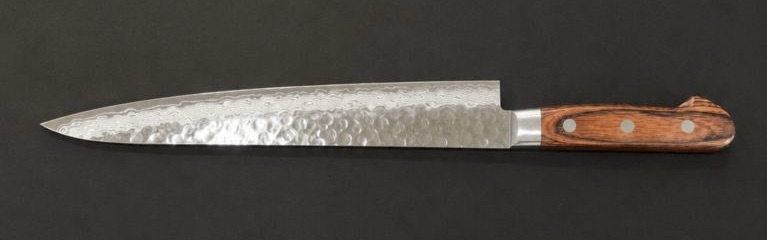
    double bevel

    A double bevel knife has cutting edges on both sides of the blade. Even if one side is sharpened slightly more than the other, it is still classified as a double bevel knife.

    Understanding this basic difference makes it much easier to choose the right knife for your kitchen.


    Why Single Bevel vs Double Bevel Matters
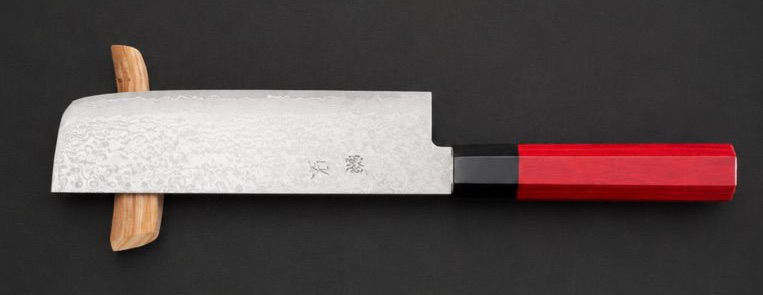

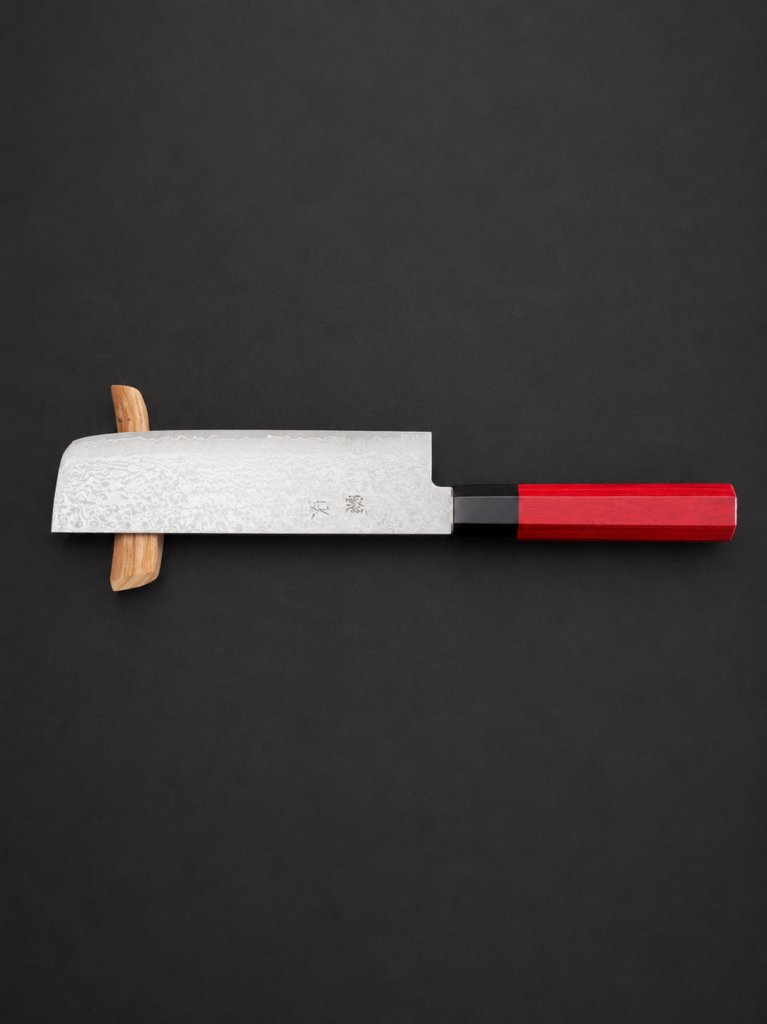
    165mm Usuba A8 Hammered Damascus Black & Red Octagonal Handle

    Many first-time buyers believe that every Japanese knife is single bevel.

    In reality, that’s not true.

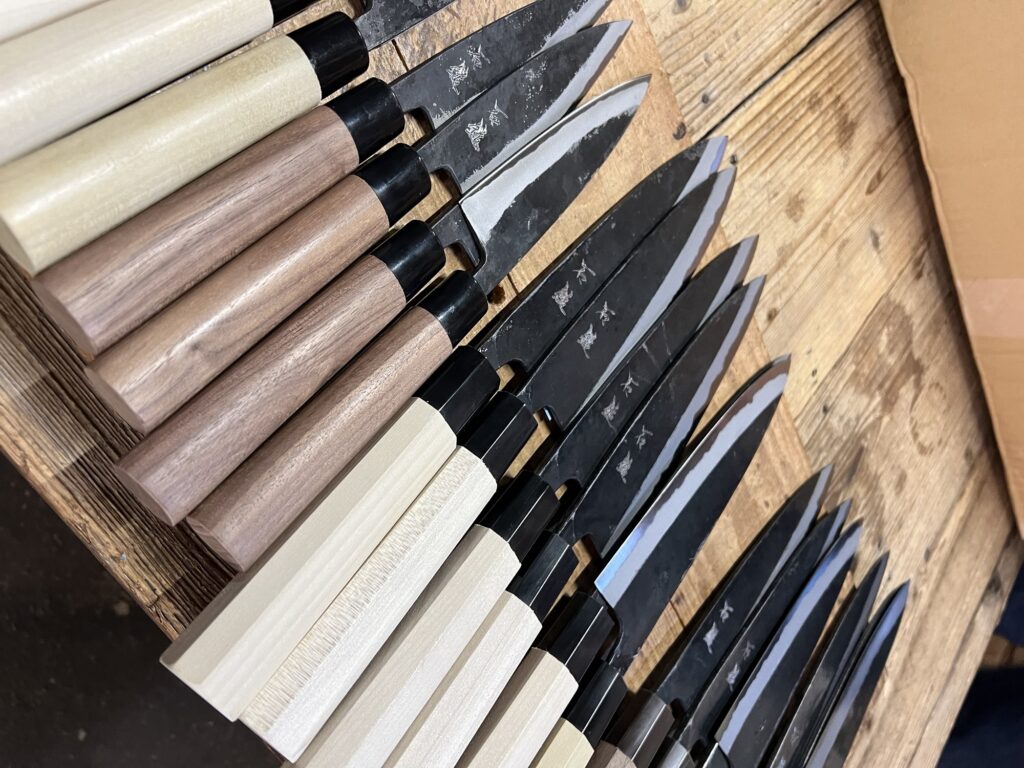
    Traditional knives such as Yanagiba, Deba, and Usuba are commonly made as single bevel knives, while modern Japanese kitchen knives such as Gyuto, Santoku, and most Sujihiki are generally double bevel.

    Each style has been developed for different purposes rather than one being “better” than the other.


    Single Bevel vs Double Bevel for Traditional Japanese Knives
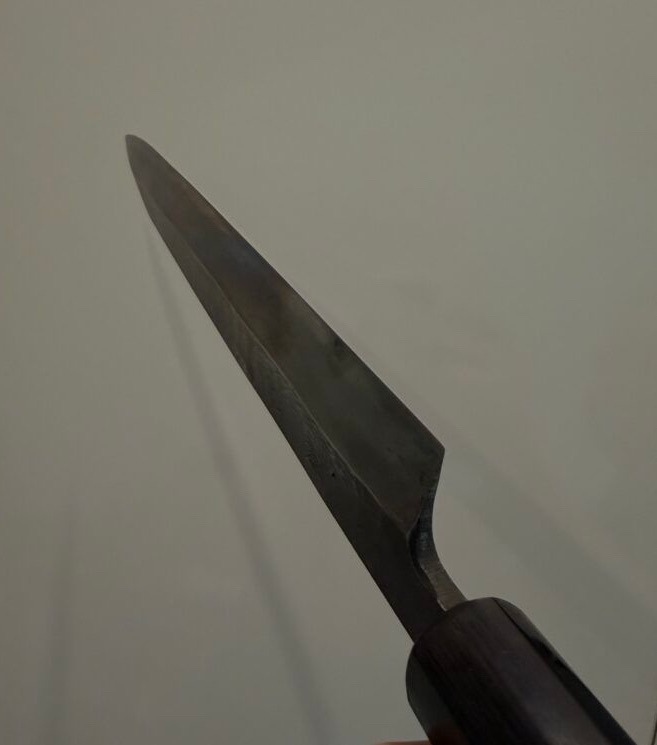
    Yanagiba

    Single bevel knives are designed for precision.

    Typical examples include:

    • Yanagiba
    • Deba
    • Usuba

    These knives allow incredibly clean cuts when preparing sashimi, sushi, and traditional Japanese vegetable techniques.

    Because the edge is designed specifically for either right-handed or left-handed users, choosing the correct version is important.

    For chefs specialising in Japanese cuisine, single bevel knives remain an essential tool.


    Single Bevel vs Double Bevel for Everyday Cooking
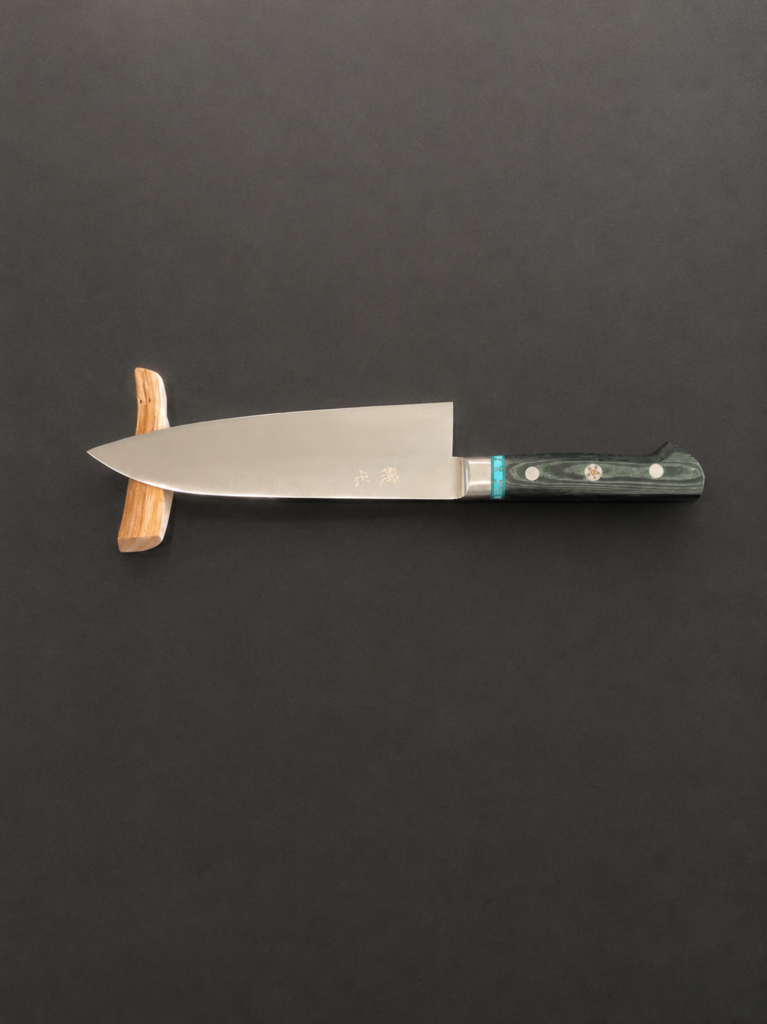
    Double bevel knives are much more versatile.

    Popular examples include:

    • Gyuto
    • Santoku
    • Petty
    • Most Sujihiki
    • Most Nakiri

    These knives are suitable for meat, fish, vegetables, and everyday food preparation.

    Whether you’re a professional chef or a home cook, double bevel knives are generally easier to use and maintain.


    Single Bevel vs Double Bevel Comparison

    When comparing Single Bevel vs Double Bevel, there is no universal winner. Both designs have their own strengths, and the right choice depends on how you plan to use your knife.

    A single bevel knife is designed for maximum precision. It excels at traditional Japanese techniques such as slicing sashimi and creating clean, accurate cuts. However, it requires more skill to master and is usually made specifically for either right-handed or left-handed users.

    A double bevel knife offers outstanding versatility. It is easier for most people to use, works well for a wide variety of ingredients, and is generally the best choice for everyday cooking. This is why knives such as the Gyuto and Santoku have become so popular among both professional chefs and home cooks.

    Rather than asking which is better, it’s more useful to ask which knife best suits your cooking style. A well-made Japanese knife, whether single bevel or double bevel, can provide exceptional performance when matched to the right task.


    My Experience with Single Bevel vs Double Bevel


    Kiritsuke Thick Deba Aogami #2 Kurouchi Double Bevel Walnut Octagonal Handle

    After more than 25 years as a chef, I honestly never spent much time thinking about whether the knife in my hand was single bevel or double bevel.

    What mattered most was how confidently it performed during service.

    I still remember buying my first Gyuto in Tokyo’s famous Kappabashi kitchen district. The knife shop recommended a double bevel Gyuto without hesitation, and it became a knife I trusted for years.

    One thing I do understand is how important handedness becomes with traditional single bevel knives. If I imagine using a left-handed single bevel knife in my right hand, it would feel awkward and unnatural.

    Interestingly, we also offer a double bevel thick Deba at Asaoya Yaichi. While many people associate Deba knives exclusively with single bevel construction, double bevel versions offer excellent versatility while retaining the strength needed for fish preparation.

    This is a great reminder that Japanese knife making continues to evolve while respecting centuries of craftsmanship.


    Which Is Better: Single Bevel vs Double Bevel?
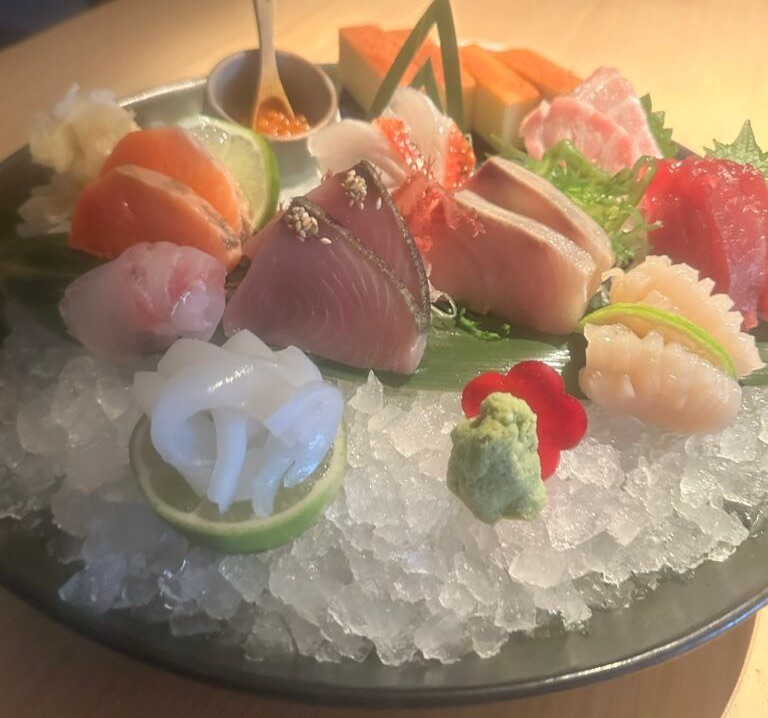
    Choose a single bevel knife if you:

    • Frequently prepare sashimi or sushi.
    • Want maximum precision.
    • Enjoy traditional Japanese sharpening techniques.
    • Prefer authentic Japanese culinary methods
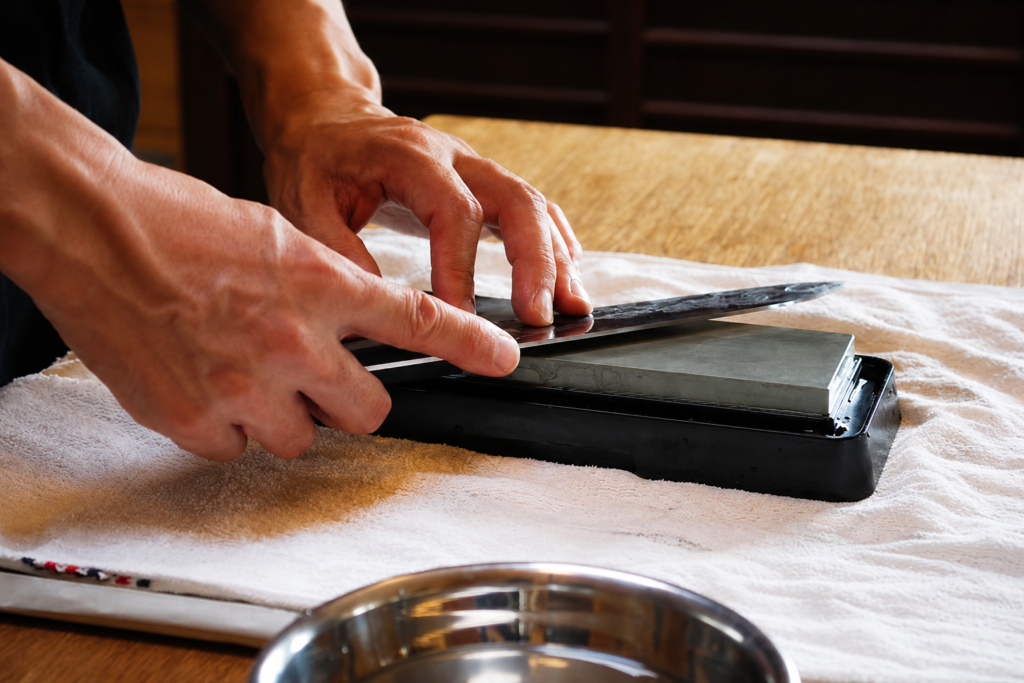
    Choose a double bevel knife if you:

    • Are buying your first Japanese knife.
    • Cook a wide variety of ingredients.
    • Want easier sharpening and maintenance.
    • Share your knives with family members.

    For most people, a quality Gyuto or Santoku is the perfect introduction to Japanese knives.


    Final Thoughts on Single Bevel vs Double Bevel
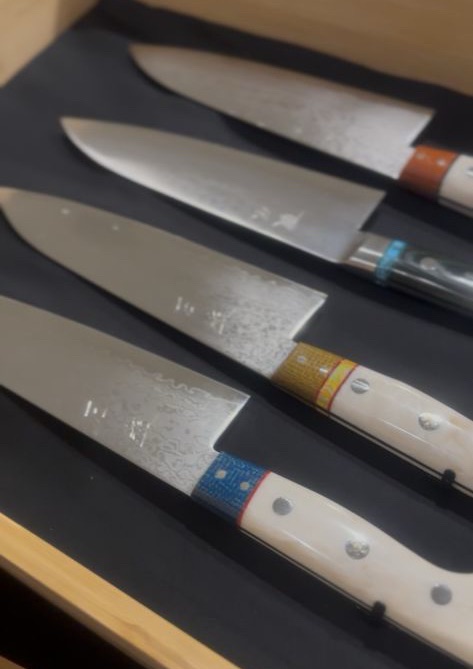
    The discussion around Single Bevel vs Double Bevel is not about deciding which knife is superior.

    Instead, it’s about understanding which design best suits your cooking.

    Traditional single bevel knives continue to represent the highest level of Japanese craftsmanship for specialised techniques, while double bevel knives provide exceptional versatility for daily use.

    From my experience after more than 25 years as a chef, I’ve learned that bevel design is only one part of choosing the right knife. Steel quality, heat treatment, balance, handle comfort, and craftsmanship are equally important.

    A well-made Japanese knife should feel like a natural extension of your hand, regardless of whether it is single bevel or double bevel.


    ➡️ Internal Link: Beginner’s Guide to Japanese Kitchen Knives

    ➡️ Internal Link: Japanese Knife Handles | 7 Powerful Reasons the Right Handle Matters

    ➡️ Internal Link: Professional Choice | Why I Still Use Carbon Steel for Sashimi After 25 Years

    ➡️ Internal Link: Handmade Japanese Knives | 7 Fascinating Reasons No Two Are Ever Exactly the Same

    ➡️ Internal Link: The True Value of Japanese Knives | 7 Reasons They Are Worth the Investment


    👉 Explore more:
    https://blog.asaoyayaichi.com.au

    👉 Visit our online store:
    https://asaoyayaichi.com.au

    Thank you for reading, and I hope to see you again in the next story.
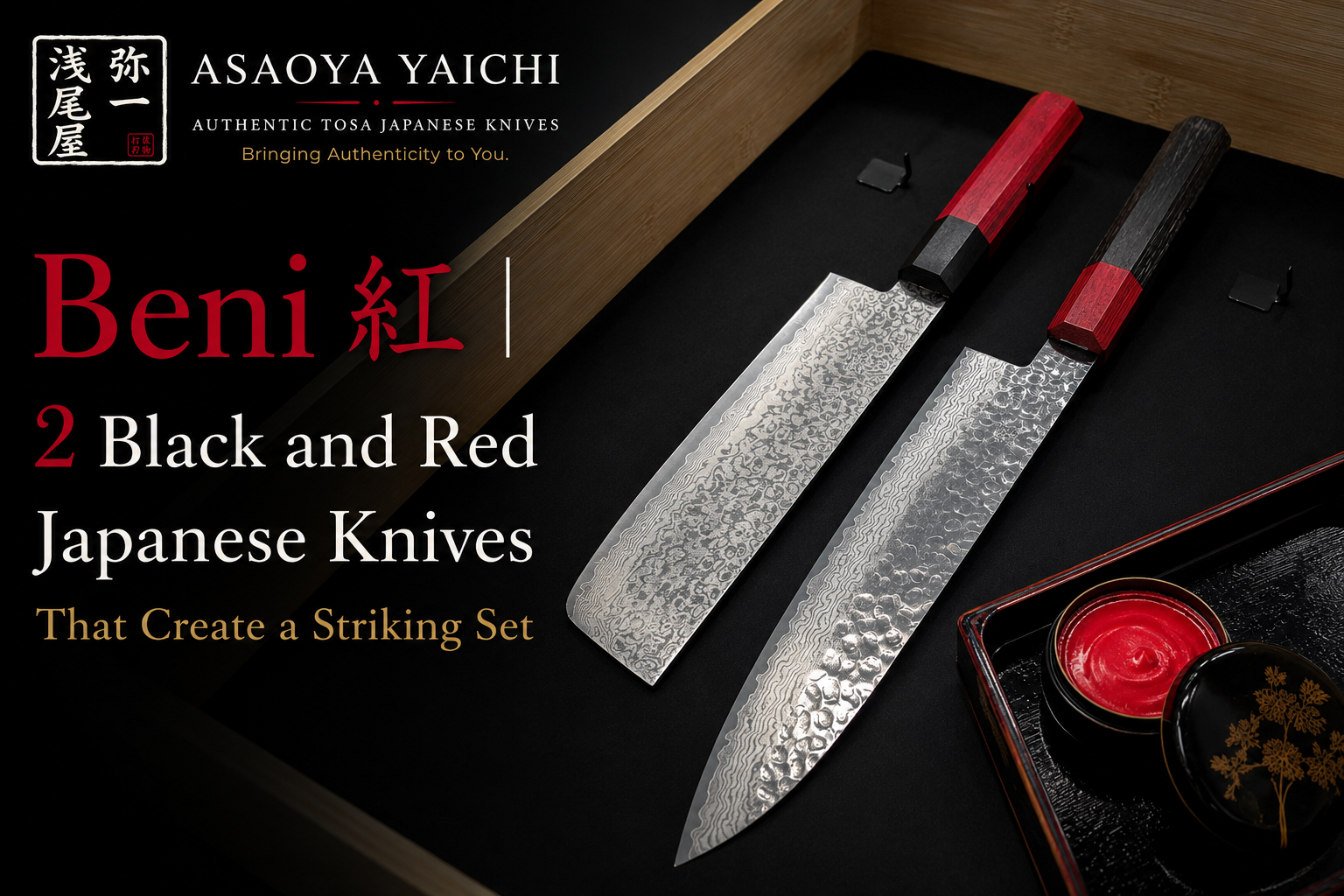
  • Beni 紅 | 2 Black and Red Japanese Knives That Create a Striking Set

    Beni 紅 | 2 Black and Red Japanese Knives That Create a Striking Set


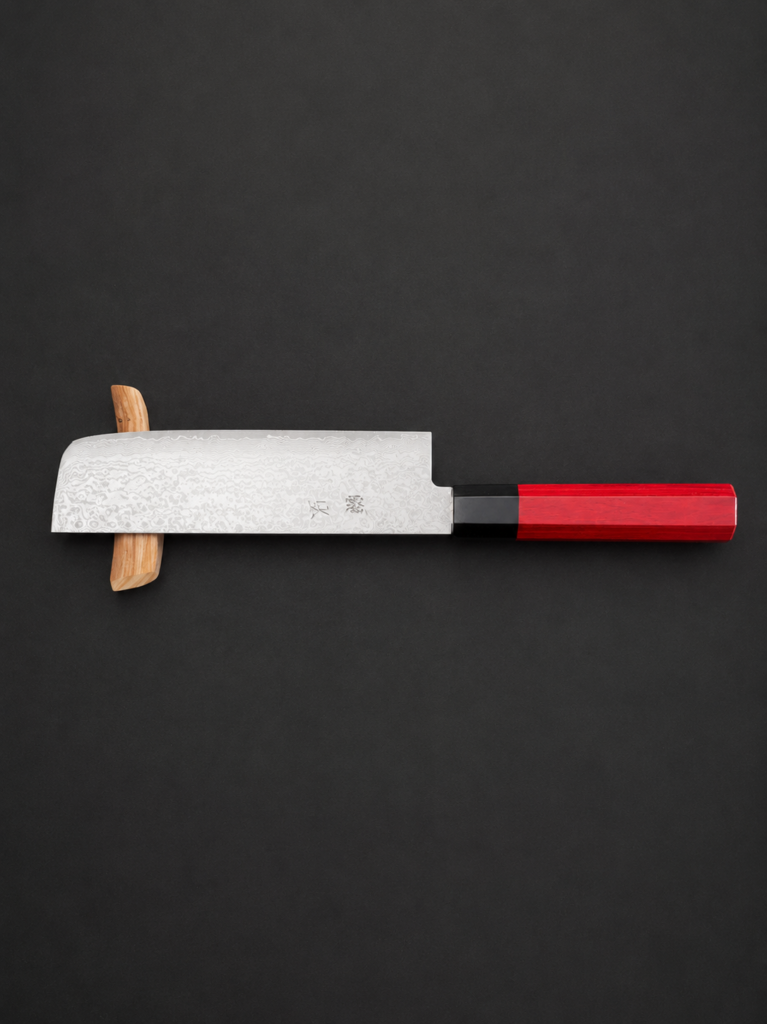
    165mm Usuba A8 Hammered Damascus Black & Red Octagonal Handle
    A$430.00

    When people think of beautiful Japanese knives, they often picture polished Damascus blades or traditional wooden handles. While those features certainly have their charm, sometimes it is the combination of colours that leaves the strongest impression.

    That is exactly what makes these Black and Red Japanese Knives so memorable.

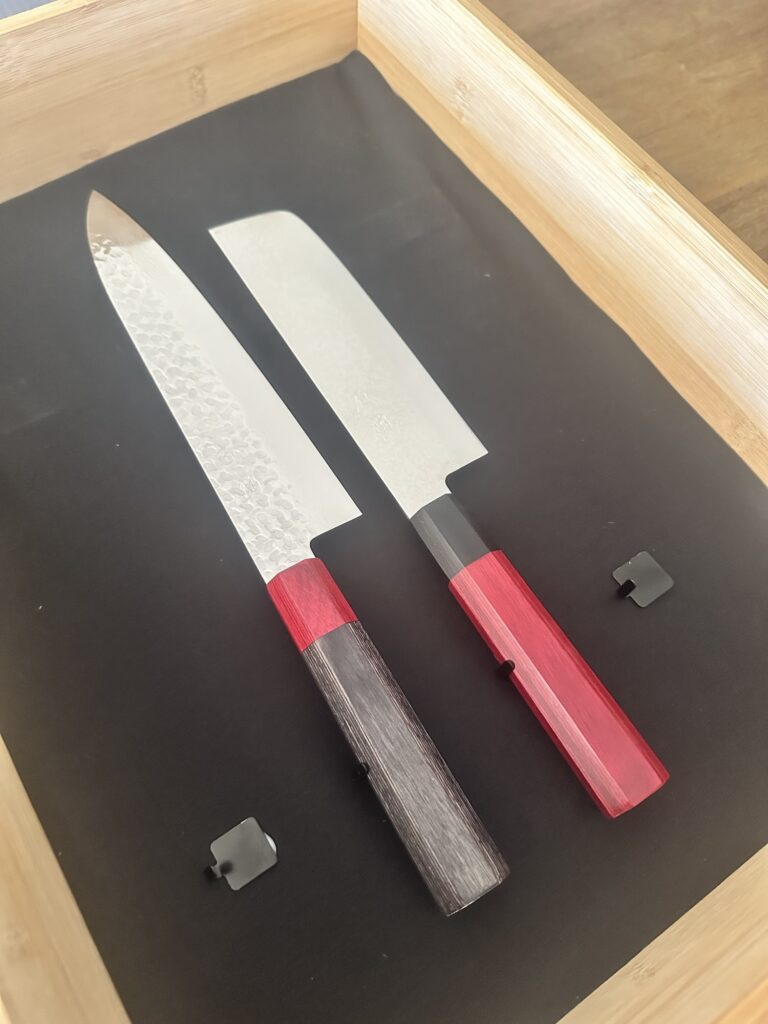
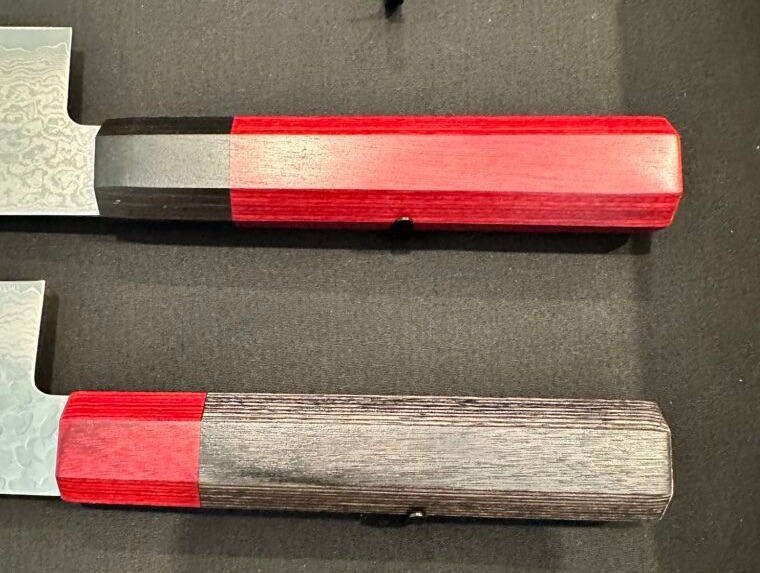
    The deep black and vibrant red octagonal handles create a striking contrast that reflects both elegance and strength. Inspired by traditional Japanese aesthetics, these handcrafted knives are designed not only to perform exceptionally in the kitchen but also to become pieces you are proud to display.

    Whether you’re a professional chef or a passionate home cook, these knives offer something special every time you pick them up.

    If you’re looking for authentic handcrafted Japanese knives in Australia, you’ll find our carefully selected collection at Asaoya Yaichi


    Why Black and Red Japanese Knives Stand Out

    Wabi-Sabi

    Japanese craftsmanship has always balanced beauty with practicality.

    Black has long represented sophistication, stability and quiet confidence, while red symbolises passion, celebration and energy. Together they create a timeless contrast that immediately attracts attention without appearing overly flashy.

    These Black and Red Japanese Knives perfectly capture that balance.

    Each knife features a beautiful Damascus blade paired with a carefully finished octagonal handle combining rich black and vibrant red. The result is a knife that looks equally at home in a professional sushi bar, an open restaurant kitchen or a modern family home.

    Unlike mass-produced knives, handcrafted Japanese knives develop a personal connection with their owner. Every scratch tells a story, and every meal prepared becomes part of that journey.

    Read our Beginner’s Guide to Japanese Knives


    Two Black and Red Japanese Knives with Different Personalities

    Ishizuchi Kanamono Manufactory

    Although these knives share the same elegant design language, each serves a different purpose in the kitchen.

    165mm Usuba A8 Hammered Damascus

    The 165mm Usuba is designed primarily for vegetables.

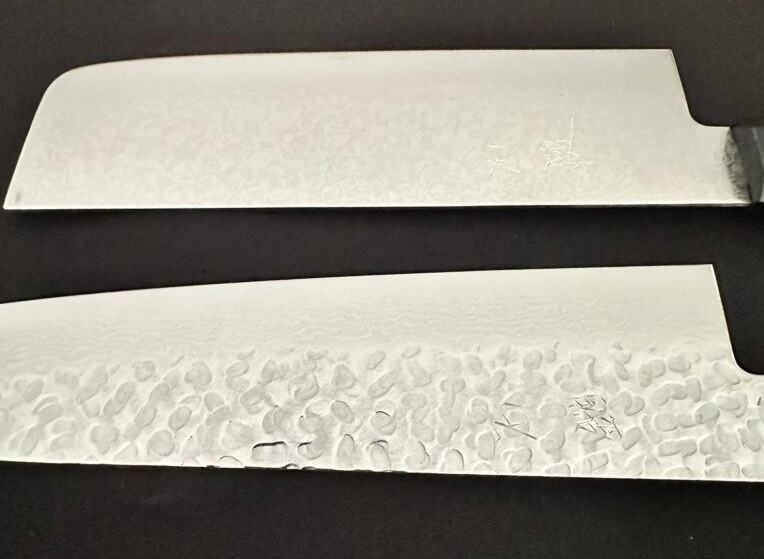
    Made from A8 stainless steel, it offers excellent corrosion resistance, toughness and easy maintenance. The hammered Damascus finish not only adds visual depth but also helps reduce food sticking to the blade.

    Whether you’re preparing fine julienne vegetables, decorative garnishes or paper-thin slices, the Usuba provides impressive precision while remaining forgiving for everyday use.

    Its lightweight balance also makes long preparation sessions far more comfortable.


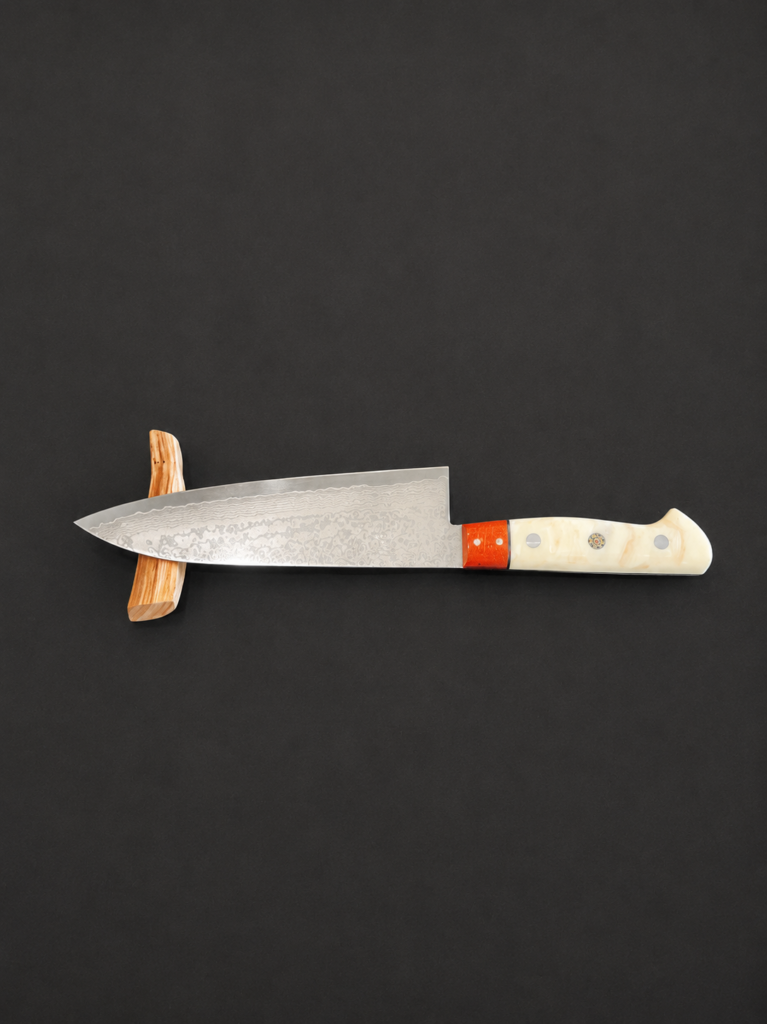
    165mm Santoku A10 Damascus

    The matching 165mm Santoku features A10 stainless steel.

    With its higher carbon content, A10 achieves greater hardness and longer edge retention than A8 while still offering excellent corrosion resistance.

    As an all-purpose Japanese kitchen knife, the Santoku handles vegetables, meat and fish with remarkable ease.

    For many home cooks, this will quickly become the knife they reach for every day.

    Learn more about Carbon Steel vs Stainless Steel


    Why They Create the Perfect Japanese Knife Set

    Damascus blade

    Each knife is beautiful individually.

    Together, however, they become something truly special.

    The matching black and red handles create a visual harmony rarely found when purchasing knives separately.

    Displayed side by side on a magnetic knife rack, they immediately become a focal point in the kitchen.

    Many customers have recently chosen to purchase both knives together rather than individually.

    It’s easy to understand why.

    The combination creates a complete Japanese knife set that feels intentional, elegant and perfectly balanced.

    The Usuba handles vegetables with incredible precision.

    The Santoku takes care of almost everything else.

    Together they cover most daily kitchen tasks while maintaining a consistent appearance that reflects traditional Japanese craftsmanship.

    Rather than mixing different handle colours and styles, this matching pair creates a professional, coordinated look that many chefs appreciate.

    Discover Our Knife Care Guid


    Japanese Craftsmanship You Can Enjoy Every Day

    Fucha ryori Bon

    Beautiful knives should never be reserved only for special occasions.

    These Black and Red Japanese Knives were made to be used.

    Every blade is handcrafted using techniques that have been refined over generations while incorporating modern stainless steel for practical everyday performance.

    The octagonal handles provide a comfortable grip for both left- and right-handed users, while the Damascus pattern ensures every knife has its own unique appearance.

    They’re not simply decorative pieces.

    They’re tools designed to prepare countless family meals, dinner parties and special celebrations for many years.

    Explore the Story Behind Tosa Knife Craftsmanship


    More Than Just a Beautiful Knife

    Black and Red Japanese Knives Handle

    As someone who has worked as a professional chef for over 25 years, I’ve learned that the best knife is the one you genuinely enjoy using.

    Performance is essential.

    Comfort matters.

    But so does the feeling you get every time you reach for it.

    That’s one reason I appreciate matching knife collections.

    When your knives share the same design language, your kitchen feels organised, professional and enjoyable to work in.

    These Black and Red Japanese Knives deliver exactly that experience.


    Final Thoughts on Black and Red Japanese Knives

    Authentic Japanese knives are an investment that can be enjoyed for many years.

    These two handcrafted knives combine traditional Japanese beauty with practical everyday performance.

    Purchased individually, each knife offers outstanding quality.

    Purchased together, they create a striking Japanese knife set whose black and red contrast makes an unforgettable impression.

    Whether you’re upgrading your own kitchen or searching for a meaningful gift, this matching pair offers beauty, craftsmanship and functionality in equal measure.

    If you’d like to explore these knives in more detail or discover more handcrafted Japanese knives from Tosa, visit https://asaoyayaichi.com.au.

    Every knife in our collection has been carefully selected because we believe exceptional craftsmanship deserves to be used, appreciated and passed on.

    Read Why Handcrafted Japanese Knives Are Different

    Explore Our Complete Japanese Knife Collection at https://asaoyayaichi.com.au

  • Ginsan Stainless | Why Ginsan Nashiji Japanese Knives Are One of the Best Values in Australia

    Ginsan Stainless | Why Ginsan Nashiji Japanese Knives Are One of the Best Values in Australia

    Ishizuchi Kanamono Manufactory

    When most people think of Japanese knives, they imagine beautiful handcrafted blades made from carbon steel.

    There’s no doubt carbon steel has its own charm. But for many people, one question always comes first.

    “Will it rust if I don’t take perfect care of it?”

    If you love the traditional appearance of Japanese knives but want something that’s easier to use every day, there’s one combination that deserves far more attention.

    Ginsan stainless steel with a traditional Nashiji finish.


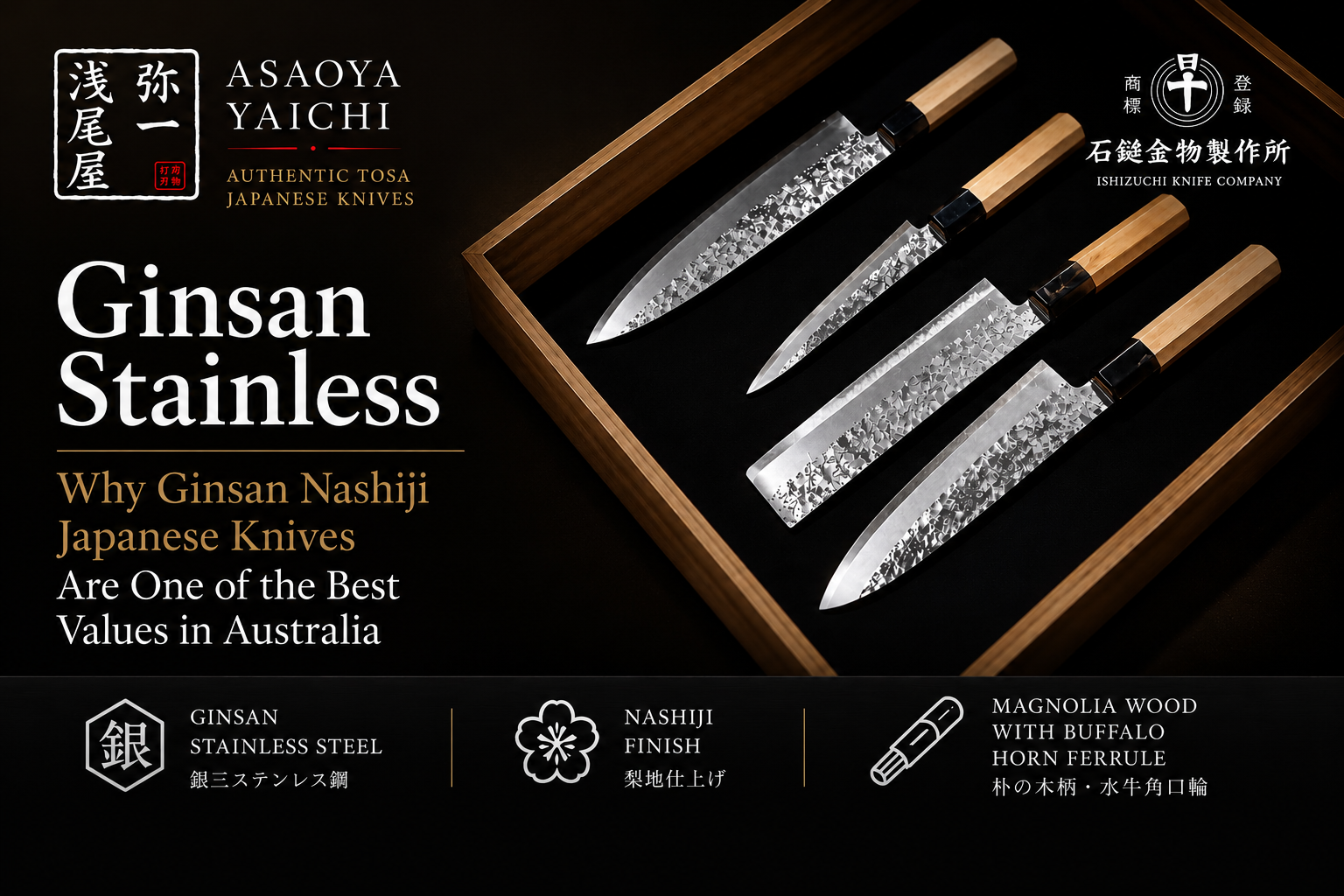
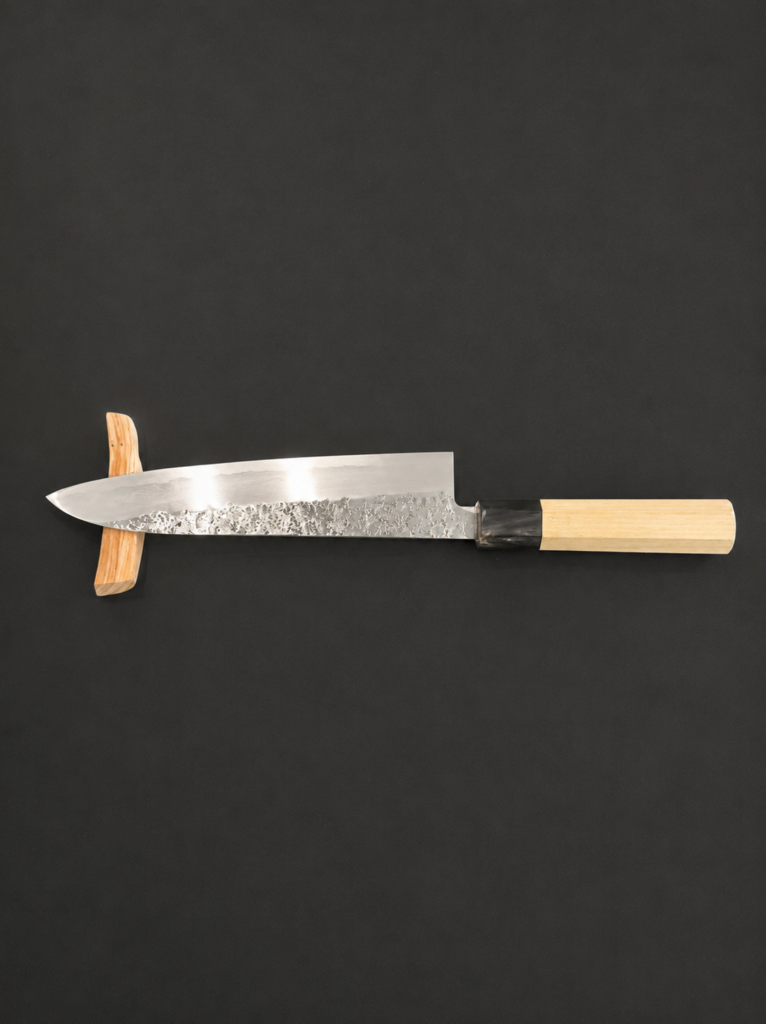
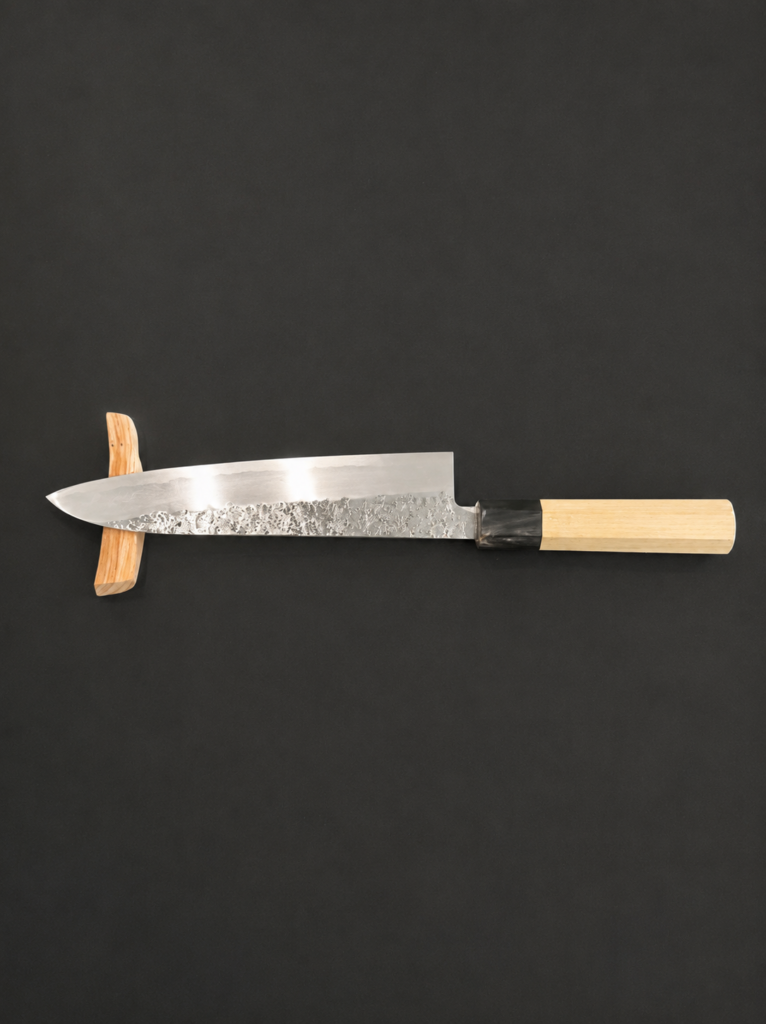
    210mm Gyuto Ginsan Nashiji Forged Magnolia Octagonal Handle Buffalo Horn Ferrule
    A$460.00

    Ginsan, also known as Silver #3 steel, is one of Japan’s finest stainless steels. It offers excellent corrosion resistance, making it much easier to maintain than traditional carbon steel while still delivering the razor-sharp edge and smooth cutting performance that Japanese knives are famous for.

    For many home cooks in Australia, this means enjoying authentic Japanese craftsmanship without constantly worrying about rust or complicated maintenance.

    Another feature that makes these knives so appealing is the Nashiji finish.

    “Nashiji” literally means “pear skin” in Japanese, referring to the subtle textured finish on the blade. Rather than a mirror polish or an eye-catching Damascus pattern, Nashiji has a quiet, understated beauty that reflects traditional Japanese craftsmanship. It isn’t flashy, but that’s exactly why so many knife enthusiasts appreciate it. The finish also helps hide the small scratches that naturally appear during everyday cooking, making it as practical as it is beautiful.

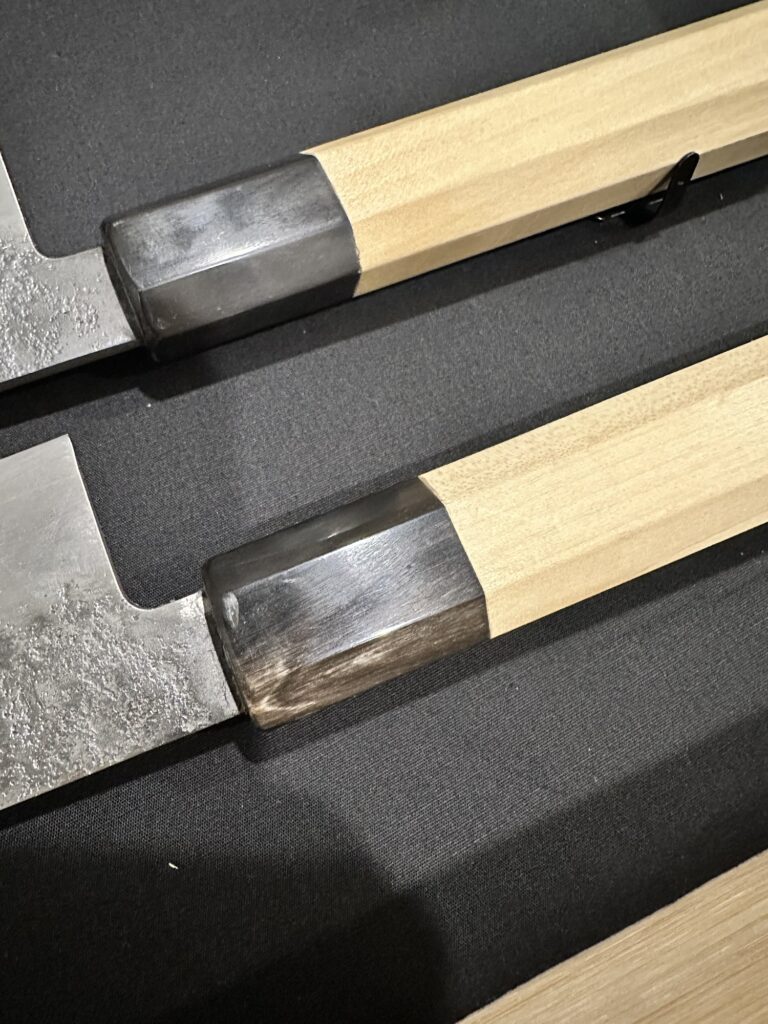
    Another traditional feature of this series is its octagonal magnolia wood handle with a genuine buffalo horn ferrule. The lightweight magnolia wood offers excellent balance and comfort during extended use, while the natural buffalo horn ferrule has long been used on traditional Japanese knives. Because buffalo horn is a natural material, every handle has its own unique colour and pattern, making each knife one of a kind.

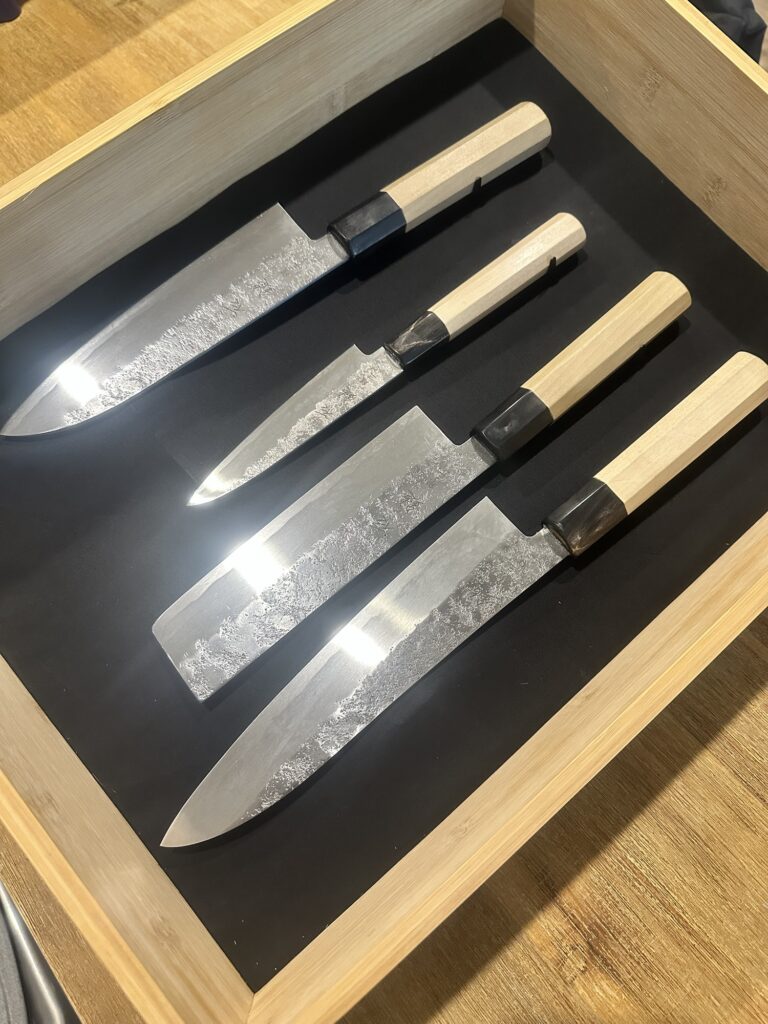
    This handcrafted Tosa Japanese knife series is available in four of the most useful styles: the versatile Santoku, the all-purpose Gyuto, the vegetable-focused Nakiri, and the compact Petty knife.

    Ginsan santoku. Ginsan petty. Ginsan Nakiri. Ginsan Gyuto

    Each knife offers the same balance of traditional Japanese aesthetics, outstanding cutting performance, and the everyday convenience of premium stainless steel.

    Because the series includes all four styles, many people choose to build a matching Japanese knife set. Having the same Nashiji finish across your collection creates a clean, elegant, and professional look in your kitchen while giving you the right knife for every cooking task. Whether displayed on a magnetic knife holder or stored together, the matching finish brings a timeless sense of style that many chefs and home cooks appreciate.

    For anyone searching for authentic Japanese knives in Australia, Ginsan Nashiji Tosa knives offer exceptional value. They combine the traditional appearance and craftsmanship of handcrafted Japanese knives with the practicality of stainless steel, making them an excellent choice for both first-time buyers and experienced cooks.

    Asaoya Yaichi

    At Asaoya Yaichi, we carefully select handcrafted Japanese knives made by skilled craftspeople in Tosa, Japan. Every knife is designed to be used, appreciated, and enjoyed for many years.

    Whether you’re looking for a single knife or want to build a complete Japanese knife set, our Ginsan Nashiji collection includes Gyuto, Santoku, Nakiri, and Petty knives to suit every style of cooking.

    Explore our handcrafted Japanese knives and discover the Ginsan Nashiji collection at:

    https://www.asaoyayaichi.com.au

    Find the knife that suits your cooking style and experience the perfect balance of traditional Japanese craftsmanship, premium stainless steel performance, and timeless design.

    From Tosa, Japan, to your kitchen.

  • How to Choose the Right Japanese Knife | Beginner’s Guide

    How to Choose the Right Japanese Knife | Beginner’s Guide

    How to Choose the Right Japanese Knife for Beginners

    How to Choose the Right Japanese Knife is one of the most common questions for beginners. Choosing your first Japanese knife can feel overwhelming.

    With so many shapes, steels, and finishes available, it’s easy to wonder which knife is right for you.

    The truth is, there is no single “best” Japanese knife. The right choice depends on how you cook, what ingredients you prepare most often, and your personal preferences.

    In this guide, we’ll introduce the most common types of Japanese knives and help you choose the one that best suits your kitchen.


    1. Gyuto – The Japanese Chef’s Knife

    The Gyuto is the Japanese equivalent of the Western chef’s knife and is one of the most versatile knives available.

    It is ideal for preparing:

    • Meat
    • Fish
    • Vegetables
    • Herbs

    If you only plan to own one Japanese knife, a Gyuto is often the best choice.


    2. Santoku – The Everyday All-Rounder

    Santoku means “three virtues,” referring to meat, fish, and vegetables.

    Its shorter blade makes it easy to control, making it a favourite among home cooks.

    If you prepare a wide variety of everyday meals, a Santoku is an excellent option.


    3. Nakiri – Made for Vegetables

    The Nakiri is designed specifically for vegetables.

    Its straight cutting edge allows the blade to make full contact with the cutting board, producing clean, precise cuts without leaving vegetables partially attached.

    For those who prepare vegetables regularly, the Nakiri is an outstanding choice.


    4. Petty Knife – Small but Essential

    A Petty knife is perfect for smaller tasks such as:

    • Peeling fruit
    • Trimming meat
    • Garnishing
    • Precision work

    Many professional chefs consider it the second most frequently used knife in their kitchen.


    Which Knife Should You Choose?

    If you’re unsure where to start, here’s a simple guide:

    • One knife only: Gyuto
    • Everyday family cooking: Santoku
    • Vegetable lovers: Nakiri
    • Small detailed tasks: Petty

    A Chef’s Personal Recommendation

    After working as a chef in both Japan and Australia for more than 25 years, one of the questions I’m asked most often is:

    “Which Japanese knife do you use the most?”

    My answer is simple.

    For everyday preparation, I almost always reach for a Gyuto. Its versatility allows me to prepare meat, fish, and vegetables efficiently with a single knife, making it my most frequently used tool.

    When it comes to slicing cooked meats, roasts, sashimi, or other delicate proteins, I switch to a Sujihiki. Its long, narrow blade creates smooth, clean slices in a single motion, helping preserve both the texture and presentation of the food.

    However, while a Sujihiki is an exceptional knife, it is designed for more specialised tasks. For most people purchasing their first Japanese knife, I recommend starting with a Gyuto or Santoku. As your skills and confidence grow, adding a Sujihiki to your collection is a natural next step.


    Why Authenticity Matters

    At Asaoya Yaichi, we source authentic handcrafted knives directly from Tosa, Japan.

    Each knife is forged by skilled craftsmen who continue to preserve generations of traditional Japanese blacksmithing techniques.

    Rather than simply selling knives, our goal is to introduce genuine Japanese craftsmanship, support the artisans who keep these traditions alive, and help ensure these skills continue for future generations.


    Conclusion

    The best Japanese knife isn’t necessarily the most expensive one—it’s the one that best suits the way you cook.

    Whether you’re preparing family meals at home or working in a professional kitchen, choosing the right knife will make cooking more enjoyable, more efficient, and more rewarding.

    Explore our collection of authentic handcrafted Tosa knives and experience the craftsmanship, performance, and heritage that have made Japanese knives respected around the world.

    Explore our collection of authentic handcrafted Tosa knives