Choosing a Japanese knife can feel overwhelming, especially when you first encounter the debate between Single Bevel vs Double Bevel. Understanding Single Bevel vs Double Bevel is one of the most important steps when selecting a knife that matches your cooking style.
After working as a professional chef for more than 25 years, I’ve learned that the best knife isn’t simply determined by whether it is single bevel or double bevel. Steel, balance, craftsmanship, and comfort all matter. However, understanding Single Bevel vs Double Bevel will help you make a much more informed decision before investing in a quality Japanese knife.
What Is Single Bevel vs Double Bevel?
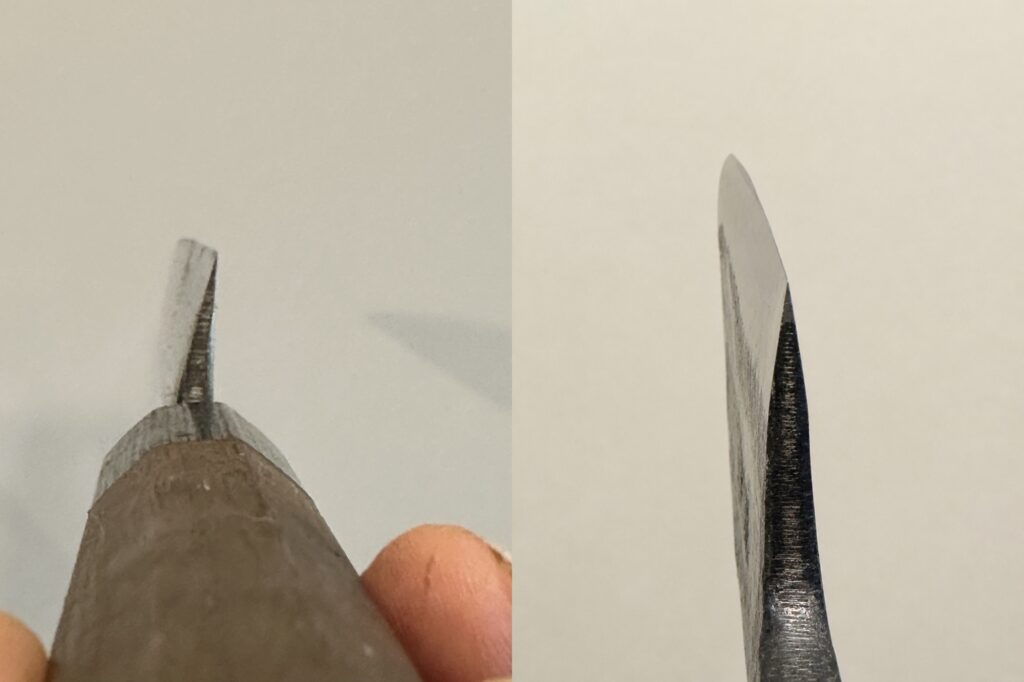
The phrase Single Bevel vs Double Bevel simply refers to how the cutting edge of a knife is ground.
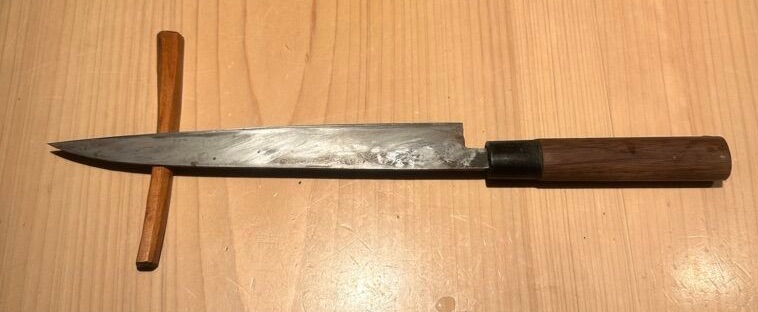
A single bevel knife has an edge ground on only one side of the blade. The opposite side is mostly flat and usually contains a slight concave surface called an ura. This traditional design is common on knives made specifically for Japanese cuisine.
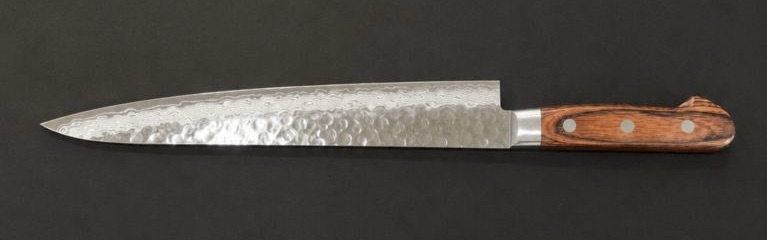
A double bevel knife has cutting edges on both sides of the blade. Even if one side is sharpened slightly more than the other, it is still classified as a double bevel knife.
Understanding this basic difference makes it much easier to choose the right knife for your kitchen.
Why Single Bevel vs Double Bevel Matters
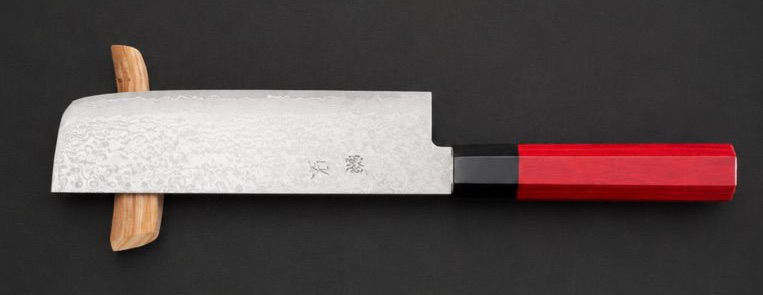
165mm Usuba A8 Hammered Damascus Black & Red Octagonal Handle
Many first-time buyers believe that every Japanese knife is single bevel.
In reality, that’s not true.
Traditional knives such as Yanagiba, Deba, and Usuba are commonly made as single bevel knives, while modern Japanese kitchen knives such as Gyuto, Santoku, and most Sujihiki are generally double bevel.
Each style has been developed for different purposes rather than one being “better” than the other.
Single Bevel vs Double Bevel for Traditional Japanese Knives
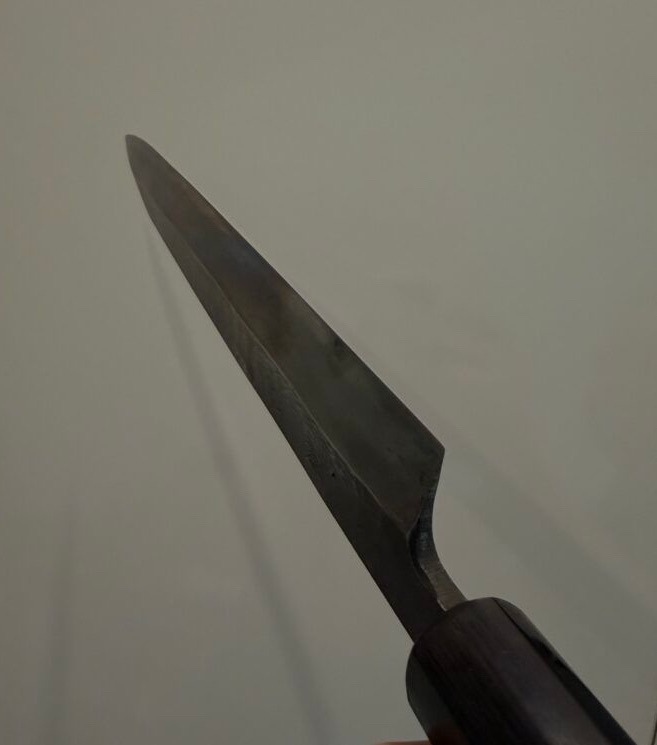
Single bevel knives are designed for precision.
Typical examples include:
- Yanagiba
- Deba
- Usuba
These knives allow incredibly clean cuts when preparing sashimi, sushi, and traditional Japanese vegetable techniques.
Because the edge is designed specifically for either right-handed or left-handed users, choosing the correct version is important.
For chefs specialising in Japanese cuisine, single bevel knives remain an essential tool.
Single Bevel vs Double Bevel for Everyday Cooking
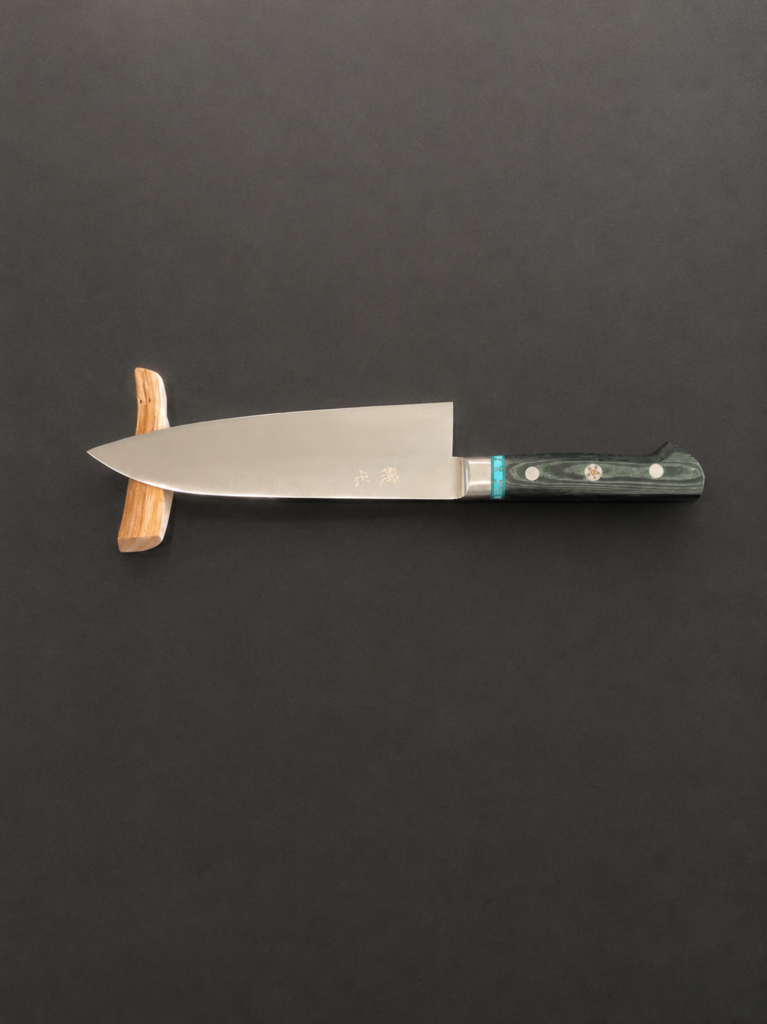
Double bevel knives are much more versatile.
Popular examples include:
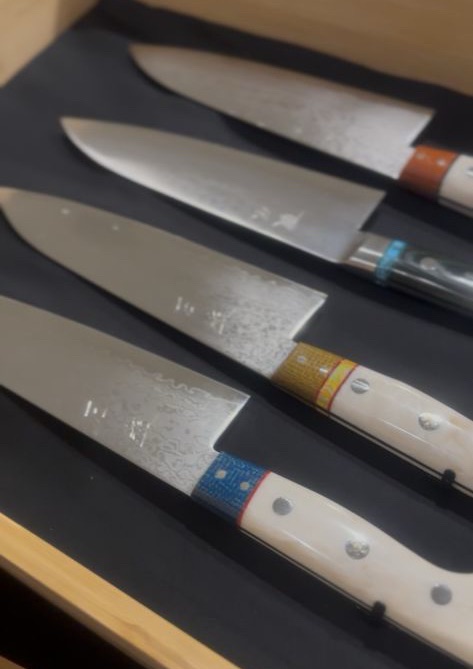
- Gyuto
- Santoku
- Petty
- Most Sujihiki
- Most Nakiri
These knives are suitable for meat, fish, vegetables, and everyday food preparation.
Whether you’re a professional chef or a home cook, double bevel knives are generally easier to use and maintain.
Single Bevel vs Double Bevel Comparison
When comparing Single Bevel vs Double Bevel, there is no universal winner. Both designs have their own strengths, and the right choice depends on how you plan to use your knife.
A single bevel knife is designed for maximum precision. It excels at traditional Japanese techniques such as slicing sashimi and creating clean, accurate cuts. However, it requires more skill to master and is usually made specifically for either right-handed or left-handed users.
A double bevel knife offers outstanding versatility. It is easier for most people to use, works well for a wide variety of ingredients, and is generally the best choice for everyday cooking. This is why knives such as the Gyuto and Santoku have become so popular among both professional chefs and home cooks.
Rather than asking which is better, it’s more useful to ask which knife best suits your cooking style. A well-made Japanese knife, whether single bevel or double bevel, can provide exceptional performance when matched to the right task.
My Experience with Single Bevel vs Double Bevel
Kiritsuke Thick Deba Aogami #2 Kurouchi Double Bevel Walnut Octagonal Handle
After more than 25 years as a chef, I honestly never spent much time thinking about whether the knife in my hand was single bevel or double bevel.
What mattered most was how confidently it performed during service.
I still remember buying my first Gyuto in Tokyo’s famous Kappabashi kitchen district. The knife shop recommended a double bevel Gyuto without hesitation, and it became a knife I trusted for years.
One thing I do understand is how important handedness becomes with traditional single bevel knives. If I imagine using a left-handed single bevel knife in my right hand, it would feel awkward and unnatural.
Interestingly, we also offer a double bevel thick Deba at Asaoya Yaichi. While many people associate Deba knives exclusively with single bevel construction, double bevel versions offer excellent versatility while retaining the strength needed for fish preparation.
This is a great reminder that Japanese knife making continues to evolve while respecting centuries of craftsmanship.
Which Is Better: Single Bevel vs Double Bevel?
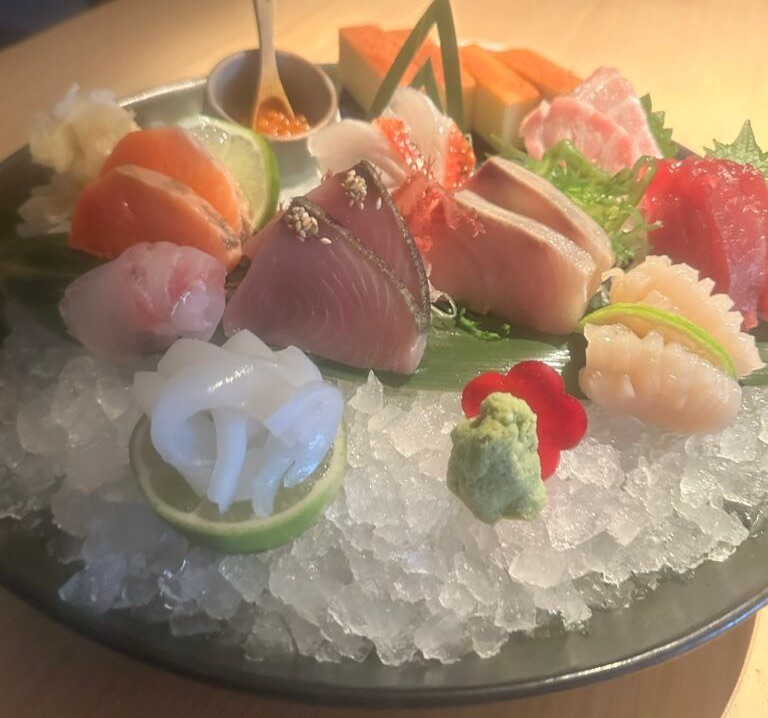
Choose a single bevel knife if you:
- Frequently prepare sashimi or sushi.
- Want maximum precision.
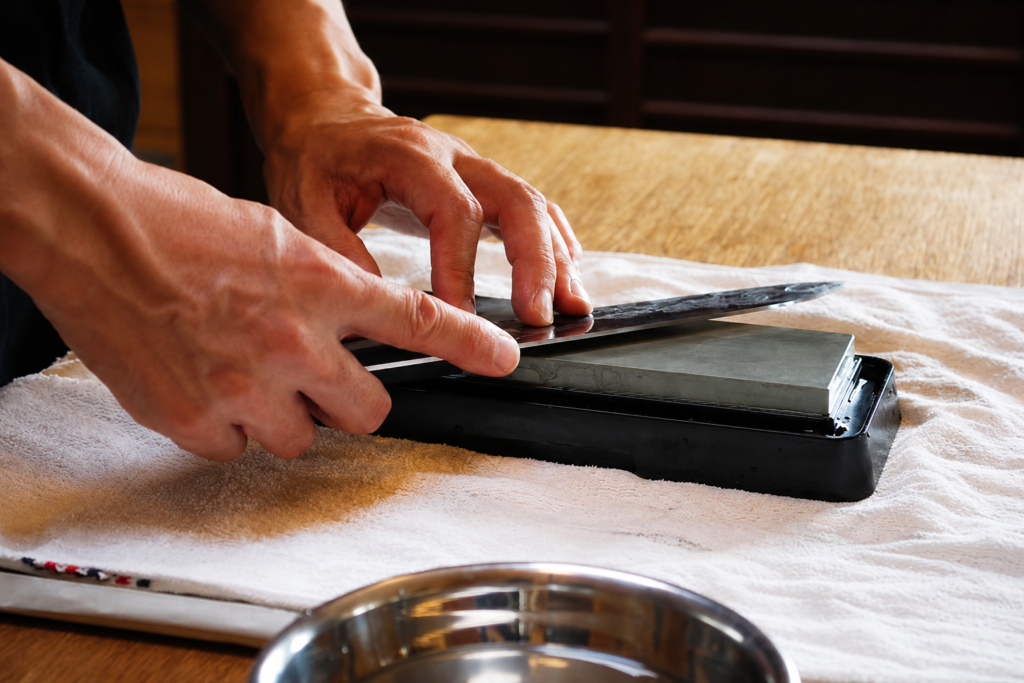
- Enjoy traditional Japanese sharpening techniques.
- Prefer authentic Japanese culinary methods
Choose a double bevel knife if you:
- Are buying your first Japanese knife.
- Cook a wide variety of ingredients.
- Want easier sharpening and maintenance.
- Share your knives with family members.
For most people, a quality Gyuto or Santoku is the perfect introduction to Japanese knives.
Final Thoughts on Single Bevel vs Double Bevel
The discussion around Single Bevel vs Double Bevel is not about deciding which knife is superior.
Instead, it’s about understanding which design best suits your cooking.
Traditional single bevel knives continue to represent the highest level of Japanese craftsmanship for specialised techniques, while double bevel knives provide exceptional versatility for daily use.
From my experience after more than 25 years as a chef, I’ve learned that bevel design is only one part of choosing the right knife. Steel quality, heat treatment, balance, handle comfort, and craftsmanship are equally important.
A well-made Japanese knife should feel like a natural extension of your hand, regardless of whether it is single bevel or double bevel.
➡️ Internal Link: Beginner’s Guide to Japanese Kitchen Knives
➡️ Internal Link: Japanese Knife Handles | 7 Powerful Reasons the Right Handle Matters
➡️ Internal Link: Professional Choice | Why I Still Use Carbon Steel for Sashimi After 25 Years
➡️ Internal Link: Handmade Japanese Knives | 7 Fascinating Reasons No Two Are Ever Exactly the Same
➡️ Internal Link: The True Value of Japanese Knives | 7 Reasons They Are Worth the Investment
👉 Explore more:
https://blog.asaoyayaichi.com.au
👉 Visit our online store:
https://asaoyayaichi.com.au
Thank you for reading, and I hope to see you again in the next story.