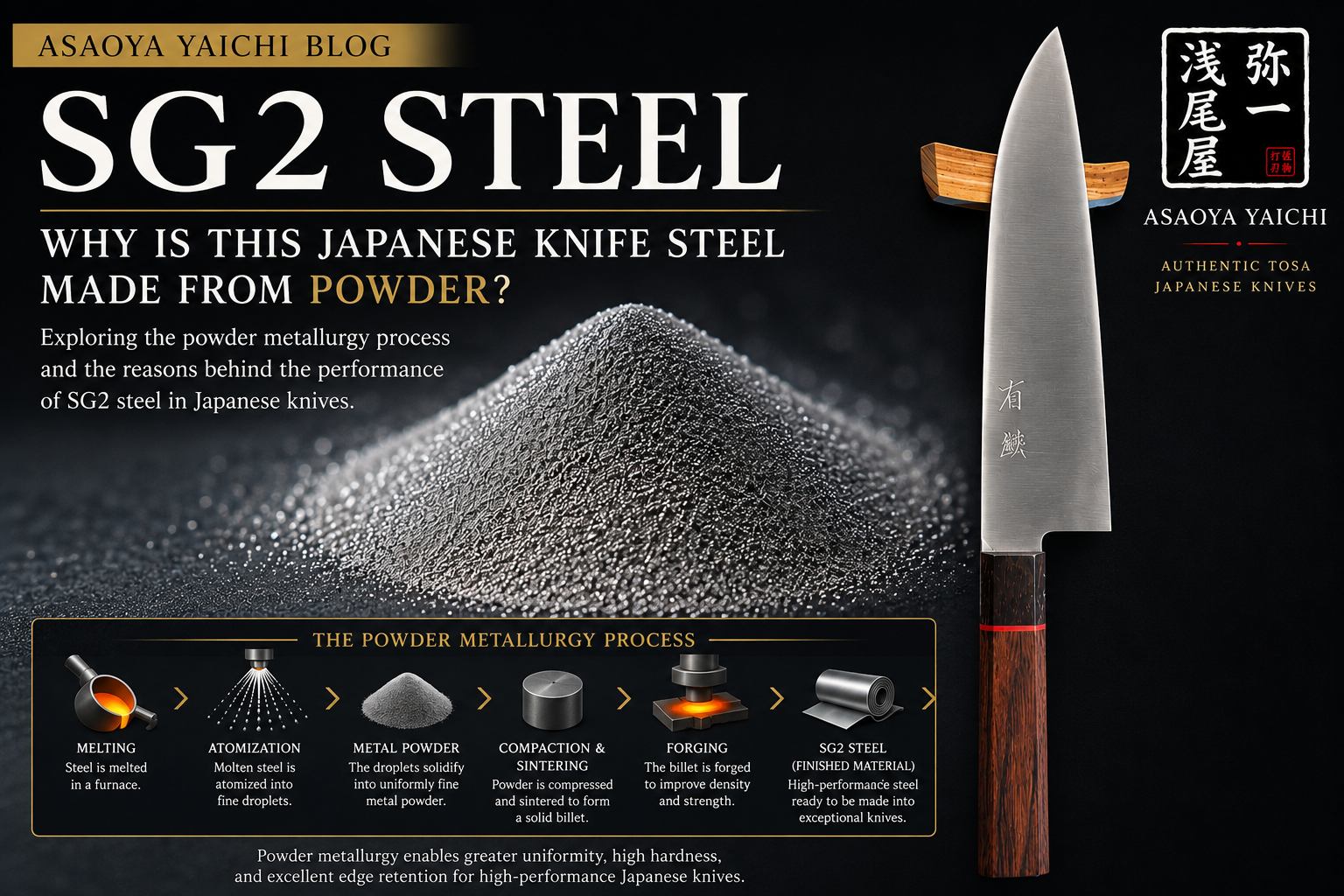
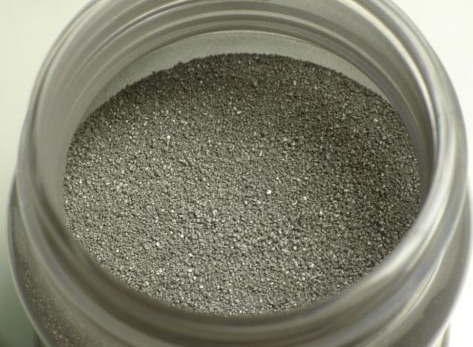
Powder metallurgy steel — illustrative image. Not actual SG2 steel powder.
I have worked as a professional chef for more than 25 years, but honestly, I cannot say with certainty whether I have ever used an SG2 steel knife.
I may have used one without even knowing it.
For most of my career, I did not choose knives by looking closely at the name of the steel. What mattered to me was much simpler: how the knife felt in my hand, how it cut, how it sharpened, and whether I could rely on it during service.
Since becoming involved in Japanese knives from the selling side, however, I have started asking questions that I never really asked as a chef.
SG2 steel was one of them.
I knew the name and knew it had a reputation as a premium Japanese knife steel. But one description caught my attention more than anything else:
Powder steel.
Why would steel used for a kitchen knife be made from powder?
That was the part I wanted to understand.
What Is SG2 Steel?
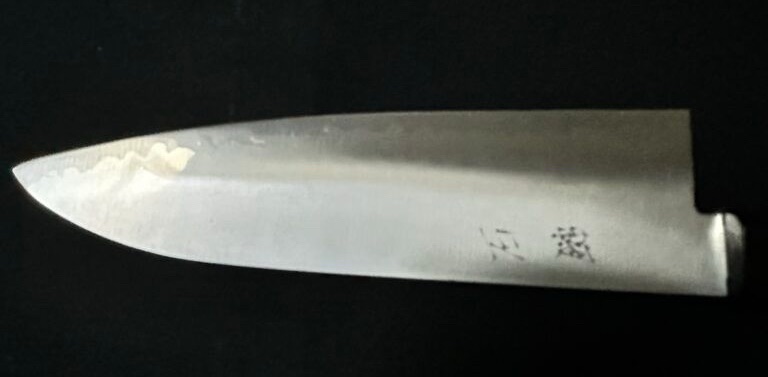
180mm Santoku SG2 Rosewood Octagonal Handle
SG2 steel, also known as Super Gold 2, is a Japanese powder metallurgy steel used in high-performance kitchen knives.
Takefu Special Steel lists Super Gold 2, or SPG2®, as a powder steel. Interestingly, while the company publishes representative chemical compositions for steels such as VG10, the composition of SPG2® is currently listed as non-disclosed.
That is worth mentioning because there are many exact SG2 chemical compositions repeated online. Rather than treating those figures as official specifications, I prefer to stick with what the manufacturer itself currently publishes.
But what interested me most was not the exact percentages.
It was how the steel is made.
👉 INTERNAL LINK: 探究 Tankyū | What Does VG10 Actually Mean?
Why Is SG2 Steel Called Powder Steel?
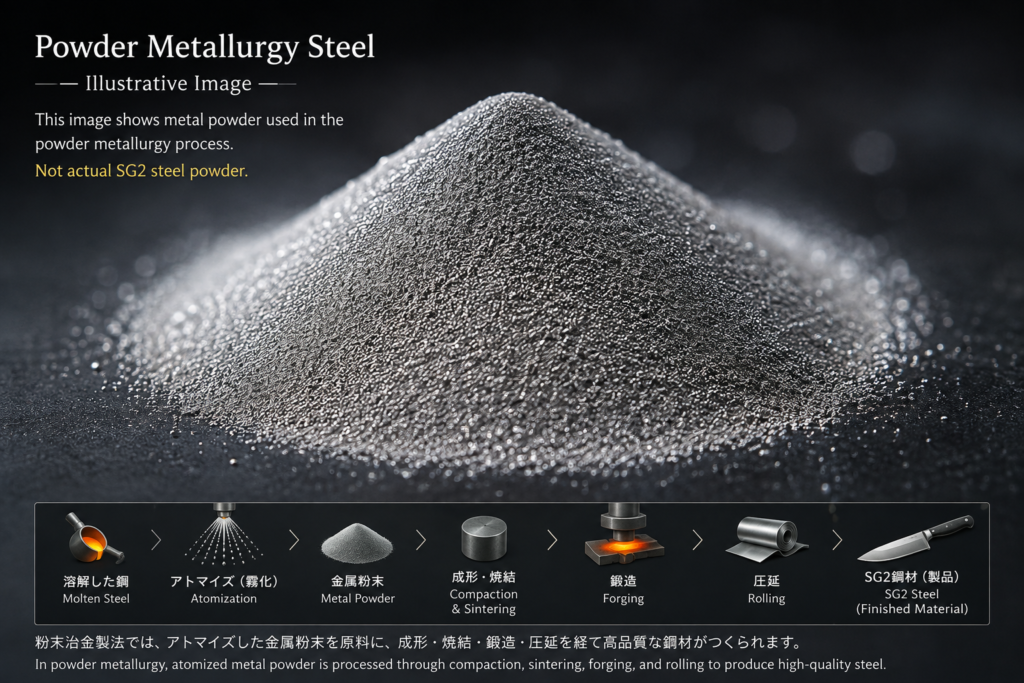
The term “powder steel” can sound strange if, like me, you spent most of your career thinking about knives as finished tools rather than thinking about how their steel was produced.
Powder metallurgy uses a different manufacturing route from conventional steelmaking. Molten metal can be atomised into extremely small particles, creating metal powder that is subsequently consolidated and processed into usable material.
One of the important advantages of this approach is greater control over the distribution of alloying elements and the structure of the resulting material.
That was when powder steel started making more sense to me.
It is not simply ordinary finished steel being ground into dust and somehow glued back together.
The powder is part of a sophisticated metallurgical process designed to create a highly controlled material.
For someone who spent years worrying about what happened to a knife after it arrived in the kitchen, it is fascinating to start looking at what happens long before a blacksmith begins making the blade.
👉 INTERNAL LINK: 銀三 | Ginsan Japanese Knife : 7 Surprising Things I Learned About Silver #3 Steel
What Does SG2 Steel Mean for a Kitchen Knife?
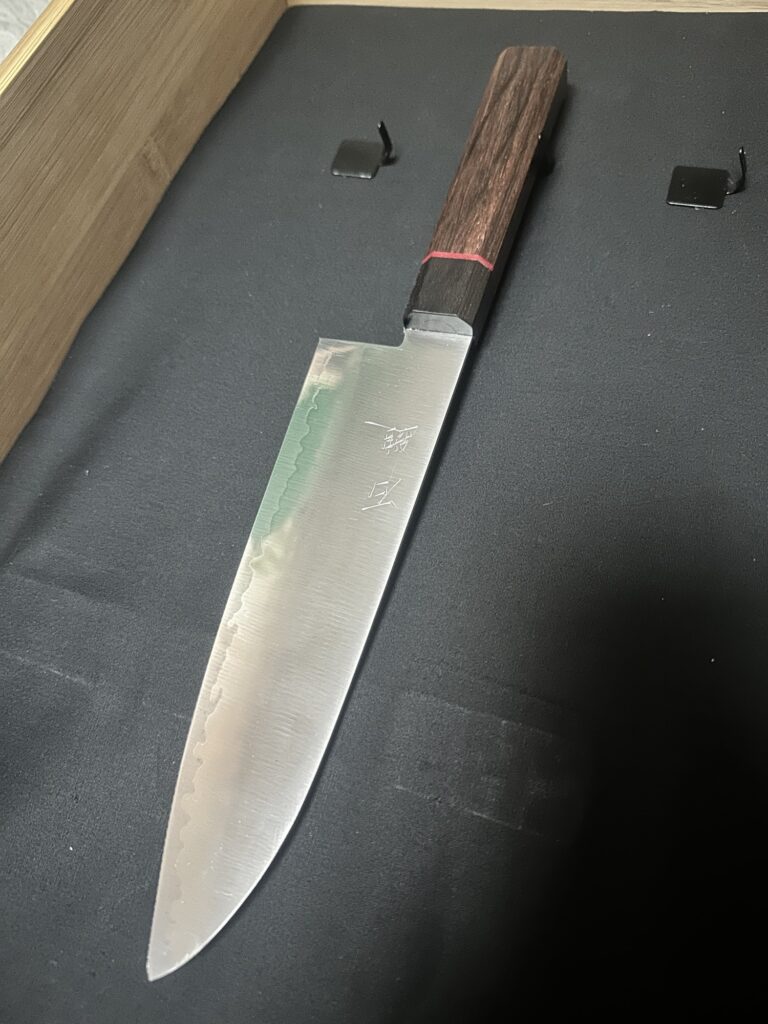
SG2 steel is commonly used in Japanese knives with relatively high hardness. Many SG2 knives on the market are specified around HRC 62–63, although the exact hardness depends on the maker and heat treatment.
This can allow a well-made blade to take a very fine edge and maintain that edge for a long time.
But this is also where I think steel discussions can become misleading.
A high HRC number does not automatically make a great knife.
Steel is only one part of the finished tool.
Blade geometry, thickness behind the edge, heat treatment, sharpening, balance and the skill of the maker all influence how a knife actually performs.
After working with knives for more than 25 years, I trust what happens on the cutting board more than a specification written on a product page.
👉 INTERNAL LINK: Hardness 硬度 | 7 Powerful Truths About Japanese Knife HRC That Surprised Even a Chef
SG2 Steel Does Not Automatically Mean Better Cutting
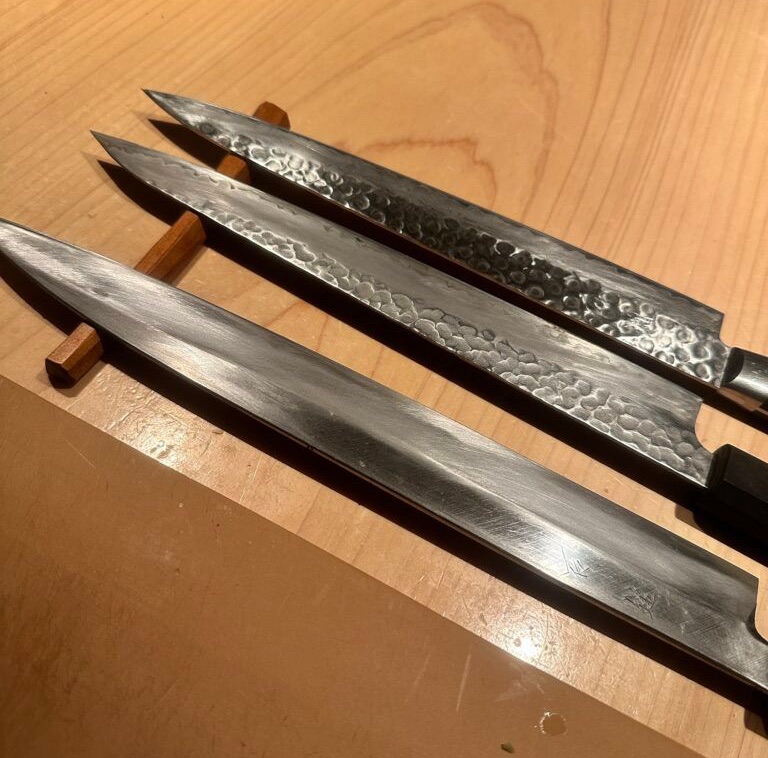
This is particularly important when comparing SG2 steel with other Japanese knife steels.
It is tempting to look at SG2, VG10, Ginsan, Aogami or Shirogami and try to put them into a simple ranking from best to worst.
I do not think knives work that way.
Two knives made from the same steel can feel completely different because their geometry, heat treatment, weight, balance and sharpening are different.
And two chefs can use the same knife and prefer completely different things.
For most of my career, I did not know the detailed composition of the steel in my knives. I knew whether I liked using them.
That experience has not suddenly become meaningless just because I now know more steel names.
If anything, learning about steel has made me realise how many different factors come together to create what we simply call “cutting feel.”
👉 INTERNAL LINK: 切味 Kireaji | 7 Surprising Truths About What Makes a Japanese Knife Feel Sharp
SG2 Steel vs VG10
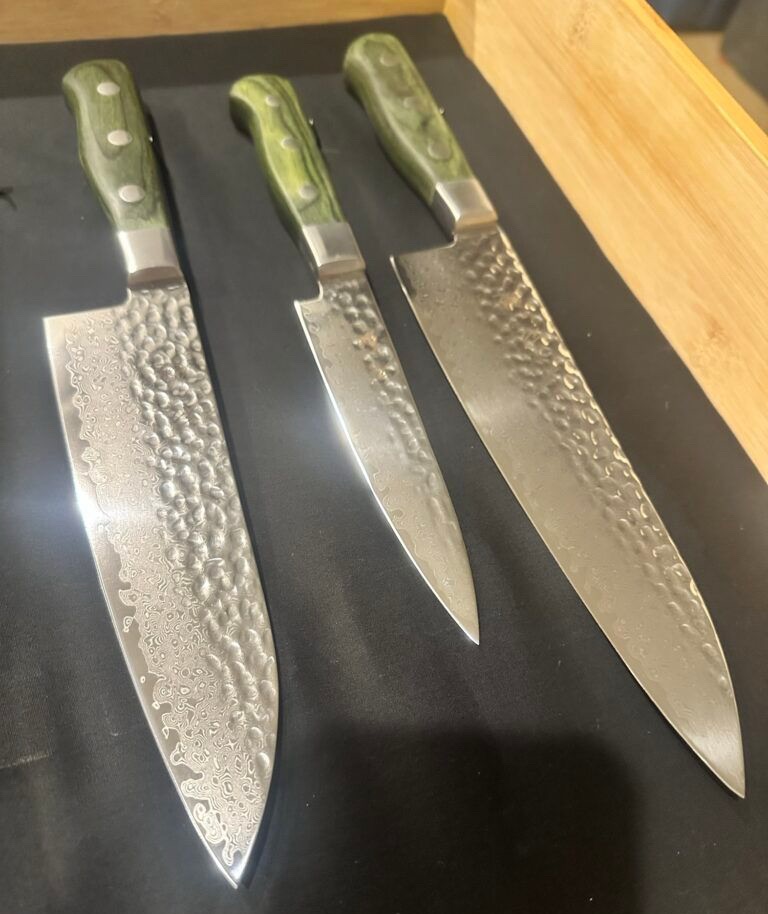
VG10 Polished Hammered 67 Layer Damascus Green Handle
SG2 steel is often positioned above VG10 in the Japanese knife market, particularly in premium knives.
That does not necessarily mean someone using a VG10 knife should immediately replace it with SG2.
I have used VG10 extensively, and I know from experience that a properly sharpened VG10 knife can perform extremely well.
SG2 is different for me because I cannot honestly claim the same personal experience.
Perhaps I have used it. Perhaps I have not.
After more than 25 years in professional kitchens, there are plenty of knives I used without ever asking what steel was inside them.
So rather than pretending I can give a definitive chef’s comparison between SG2 and VG10, I would rather say this:
SG2 interests me enough that now I want to deliberately use one.
Would I Notice SG2 Steel Now?
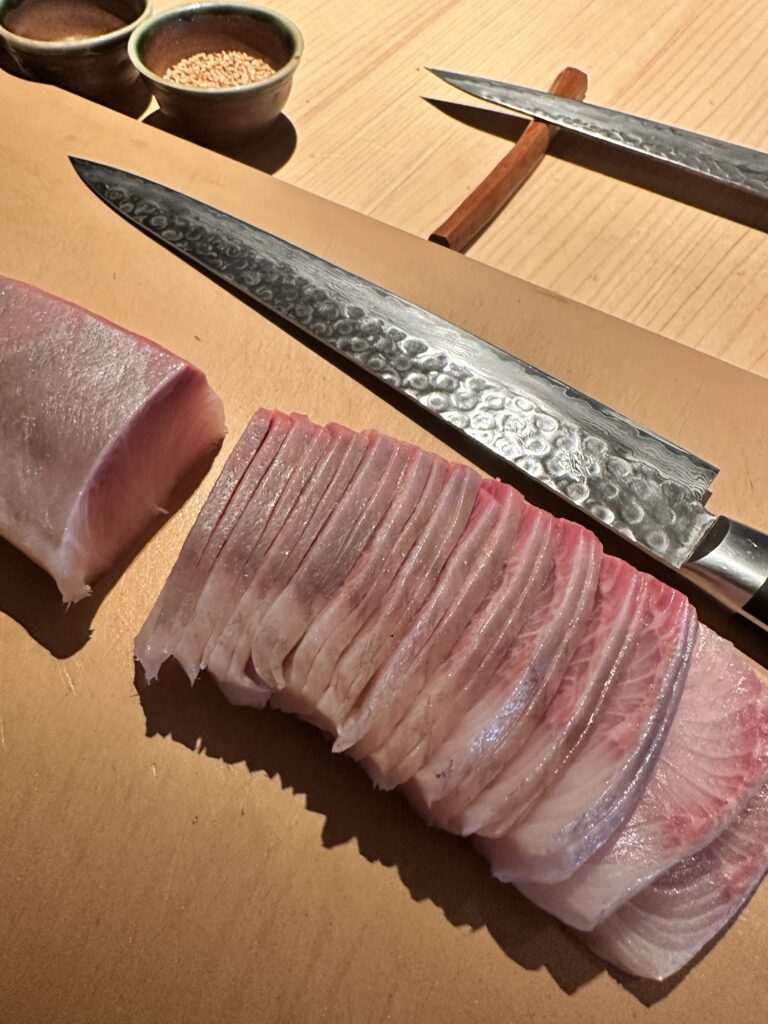
This is probably the question that interests me most.
If I unknowingly used an SG2 knife 15 or 20 years ago, would I have noticed?
Maybe.
But I probably would not have thought, “This must be powder metallurgy steel.”
I would have thought about how it cut, how long the edge lasted and what happened when I put it on a whetstone.
Today I would approach it differently.
Now that I understand a little more about what SG2 steel is and why powder metallurgy exists, I would like to deliberately use an SG2 knife and see what I actually notice in real kitchen work.
Maybe the edge retention will immediately stand out.
Maybe sharpening will feel different.
Or maybe blade geometry and sharpening will still influence my impression more than the name of the steel.
I genuinely do not know yet.
And that is exactly why I want to try one.
👉 INTERNAL LINK: 究極 Ultimate | The Pinnacle of Stainless Steel – 180mm SG2 Santoku with Rosewood Octagonal Handle
Learning About SG2 Steel After 25 Years as a Chef
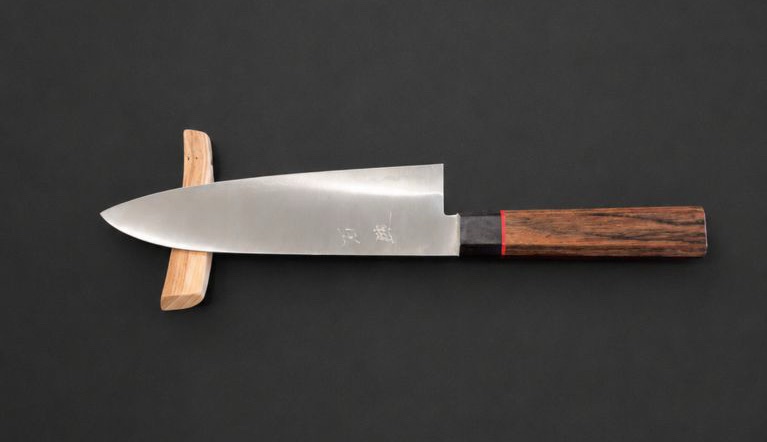
180mm Santoku SG2 Rosewood Octagonal Handle
Researching SG2 steel reminded me of something that has happened repeatedly since I started looking more deeply into Japanese knives.
The more I learn, the more I realise how many things I simply never thought about as a chef.
For years, a knife was a tool.
If it cut well, sharpened well and survived professional kitchen work, I was happy.
Now I find myself going backwards from the finished knife to the steel, the manufacturing process, heat treatment and the people who eventually turn that material into a blade.
Does knowing all of this automatically make someone a better cook?
Of course not.
But it has definitely made me appreciate Japanese knives differently.
And perhaps one day soon, I will knowingly use an SG2 knife for the first time.
Or maybe it will only be the first time I actually know what I am using.
👉 Explore more:
https://blog.asaoyayaichi.com.au
👉 Visit our online store:
https://asaoyayaichi.com.au
Thank you for reading, and I hope to see you again in the next story.